

Corporate Fitness Center Budget Planning: An Equipment Guide for Facilities Managers
For most corporate facilities managers, the fitness center is one small line in a much bigger budget, and it's rarely the part of the job you were hired for. But when a treadmill breaks mid-year, the unplanned invoice and the "out of order" sign both land on your desk. A well-built corporate fitness center budget keeps both to a minimum.
If your company's planning cycle is happening this fall, here's how to build an equipment budget for next year that holds up when finance asks questions.
Why the Fitness Center Is Hard to Budget
Fitness equipment doesn't fail on a schedule. A room can go months without an issue, then need two repairs in the same week. Without a plan, those costs show up as surprises, and surprises are what budget reviews remember.
The other challenge is expertise. Most facilities managers aren't equipment technicians, so it's hard to know whether a noisy elliptical needs a quick adjustment or is near the end of its useful life. That uncertainty is what makes the line item hard to defend.
The Three Lines in a Corporate Fitness Center Budget
Splitting fitness spending into separate lines makes it easier to estimate, easier to explain, and easier to adjust during the year. Add a fourth line only if a renovation or move is on the calendar.
| Budget line | What it covers | How to estimate it |
|---|---|---|
| Preventative maintenance | Scheduled service visits for cardio and strength equipment | Based on equipment count and service frequency. Fixed and predictable. |
| Repair reserve | Unplanned fixes and replacement parts | Start with this year's repair invoices, then adjust for equipment age and usage. |
| Capital replacement | Planned replacement or upgrade of specific machines | Built machine by machine from your inventory and condition notes. |
| Moves and changes (optional) | Relocating equipment, reconfiguring the room, or flooring work | Only when a renovation, move, or expansion is planned for next year. |
A fixed preventative maintenance line is easier to defend than an unpredictable repair line, and regular maintenance is how you keep the repair line small.
Start With an Equipment Inventory
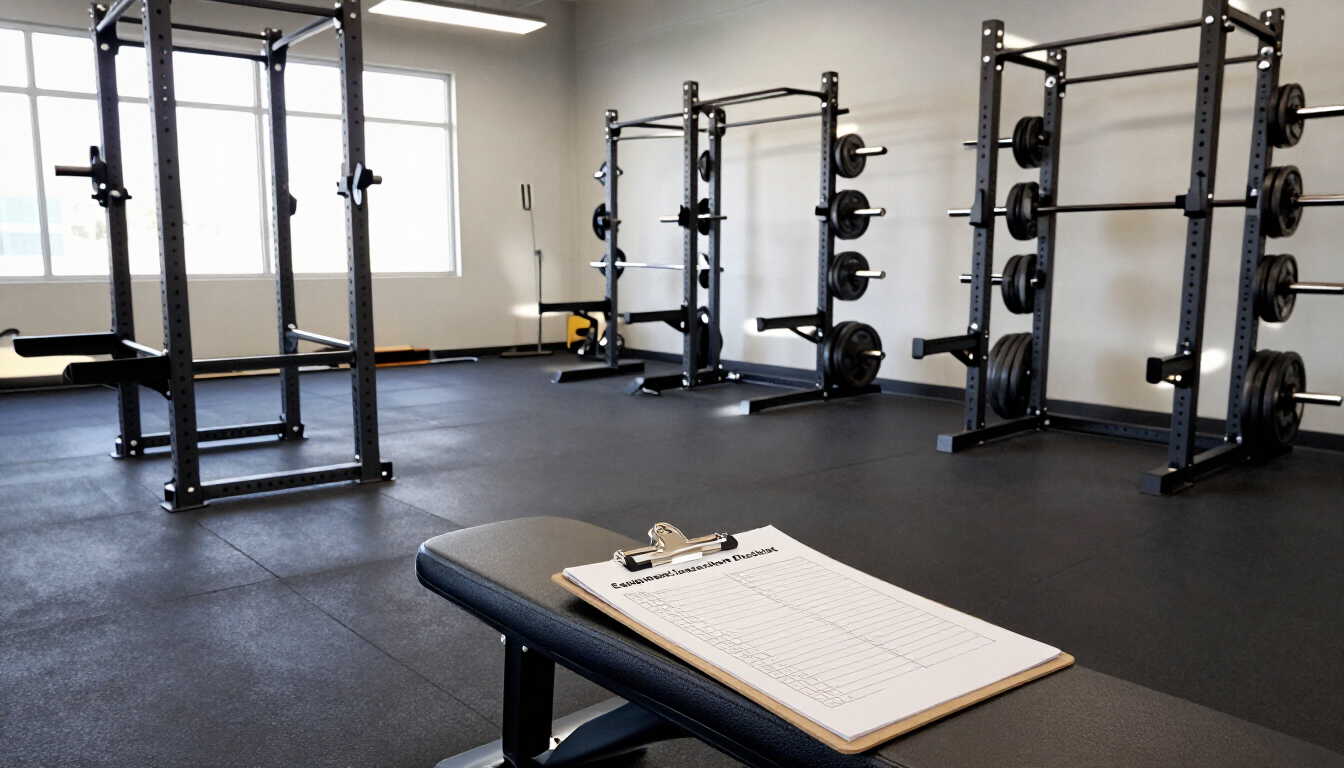
You can't budget for equipment you haven't listed. Before your planning meeting, build a simple inventory with one row per machine:
- Equipment type, brand, and model
- Serial number and approximate install year
- Location in the room
- Repair history and costs over the past year
- Current condition, including cosmetic wear
- How heavily it's used, based on staff observation or employee feedback
This inventory becomes the foundation for every line in the budget. It also gives you a clear answer when finance asks why a specific replacement is on next year's list.
Using a Cost-Benefit Lens on Replacements
Not every older machine needs replacing, and not every newer one is safe from it. For each machine you're unsure about, weigh these factors:
- Repair frequency. Repeated repairs on the same unit suggest the next one won't be the last.
- Parts availability. Older models can become harder to support as parts get scarce.
- Employee-facing condition. A corporate fitness center is part of how employees and recruits experience the company. Worn upholstery and dated consoles send a message even when the machine runs fine.
- Usage. The treadmill everyone uses deserves more investment than the specialty machine almost no one touches.
If you're considering a broader refresh, our corporate wellness gym equipment checklist covers what a well-equipped office gym typically includes.
Plan Around Office Changes
Corporate fitness centers often move, shrink, or expand when the rest of the building changes. If a renovation, consolidation, or new office is on next year's calendar, budget for the fitness room as part of that project instead of as an afterthought.
Our installation and moving services cover disassembly, packing, transport, and reassembly, so equipment arrives in the new space set up correctly. Planning early also gives you the chance to fix layout or flooring problems while the room is empty.
How Eco Fit Helps Facilities Managers
Our approach is built on cost-benefit analysis. We help you make informed decisions about maintenance, repairs, and upgrades with your budget in mind, so you're not guessing which machines to fund.
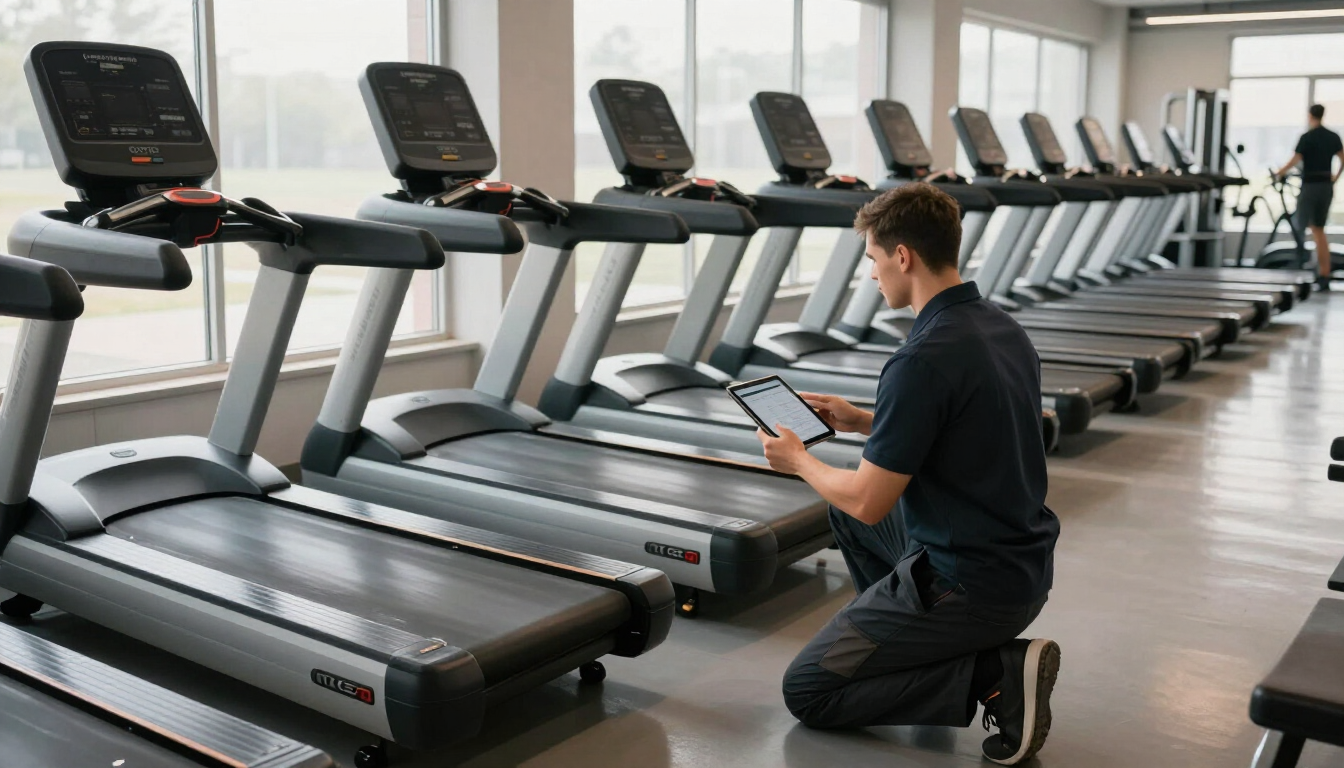
Regular preventative maintenance visits put a technician's eyes on every machine, catching issues before they become major problems. That gives you a predictable line item this year and better information to build next year's budget from.
Get Next Year's Numbers on Solid Ground
If your St. Louis office is planning next year's facilities budget, it's worth talking before your numbers are due. Email us at service@ecofitsolutions.com with your equipment list and what's been giving you trouble, or request a quote for preventative maintenance or replacement equipment. You can also reach us through our contact page. We're available Monday through Friday by appointment.