

Setting Up a Corporate Wellness Gym: Equipment Checklist for a High-End Office Gym
Corporate wellness has changed a lot. It used to be a “nice to have” perk, something a company might mention during hiring but not truly invest in. Today, it is different. Companies are competing harder for talent, employees care more about work life balance, and leadership teams are realizing that wellness programs are not just about health, they are about productivity, retention, and culture. That is why more businesses are building high end office gyms and creating corporate wellness centers that employees actually want to use. And that is also why people search for corporate gym equipment, office gym equipment, and commercial fitness equipment for corporate wellness spaces. Setting up the gym the right way matters, because a corporate gym is only valuable if employees use it consistently.
When businesses invest in a corporate wellness gym, they are usually aiming for several outcomes at the same time. They want employees to have a convenient and professional place to work out. They want the office to feel modern and competitive. They want wellness to feel like part of the company culture, not just a poster on the wall. And they want to reduce stress, boost morale, and support long term health habits. But none of those goals happen automatically. The equipment selection, the layout, and the overall experience are what determine whether the gym becomes a major win or a room that collects dust.
One of the biggest differences between a corporate gym and a traditional membership gym is the user base. In most offices, you will have a wide variety of fitness levels. Some employees are experienced gym users. Some are beginners. Some might be getting back into fitness after years of being inactive. Others might be training for a specific event. The gym needs to feel welcoming for everyone, because if the gym feels intimidating, a large portion of your employees will never use it. This is why corporate wellness gyms should be designed around approachability and comfort, while still offering quality equipment that advanced users respect.
When planning an office gym setup, it helps to think like your employees. Most people are working out before work, during lunch, or right after the day ends. That means convenience matters. The equipment should be easy to use. The gym should feel clean and bright. The space should support quick workouts. And the equipment should include options that allow employees to train without having to wait for machines or feel crowded. A corporate gym does not need to be massive, but it should be smart, balanced, and designed with real user flow in mind.
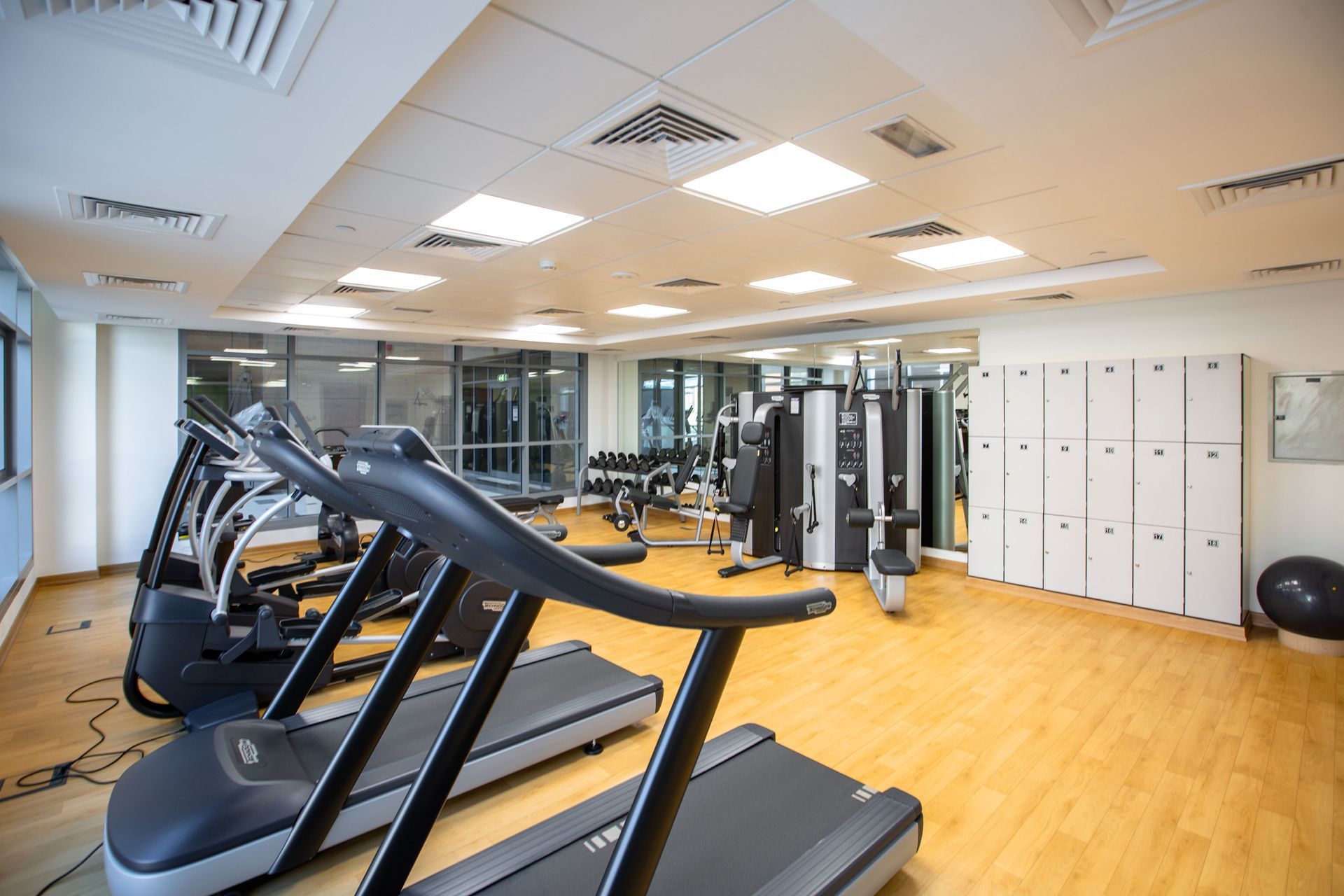
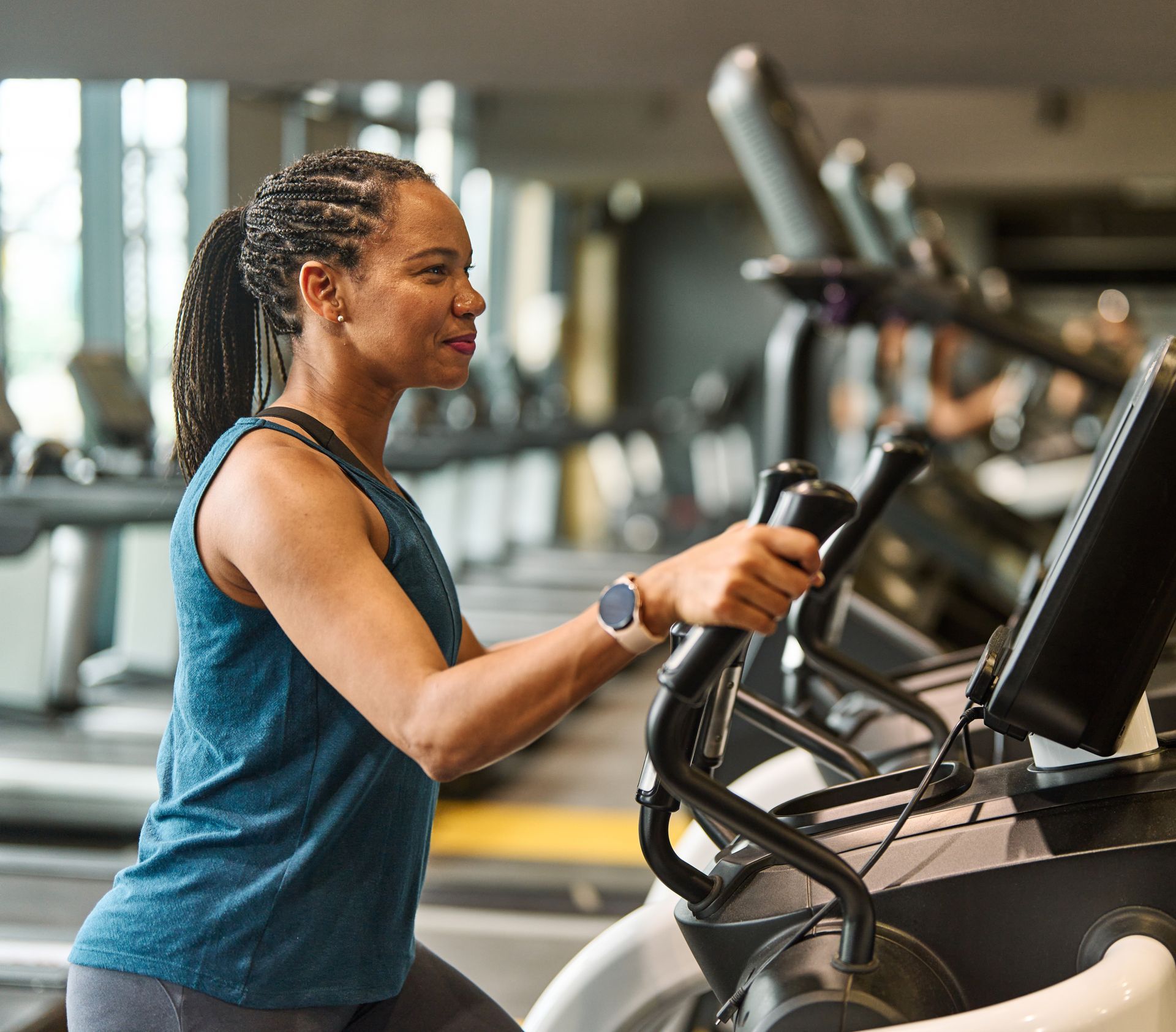
Cardio equipment is almost always the foundation of a corporate wellness gym. Many employees prefer cardio because it feels familiar and low pressure. They can walk, jog, cycle, or use an elliptical without worrying about technique or complex programming. A good corporate gym typically includes a mix of commercial treadmills, bikes, and ellipticals to provide variety. Treadmills are popular because walking is universally accessible and incline training is a great time efficient workout. Bikes are low impact and comfortable for a wide range of users. Ellipticals provide a full body cardio option that feels athletic without the impact of running. When the cardio selection is balanced, employees can choose what fits their comfort level and still get a quality workout in a short amount of time.
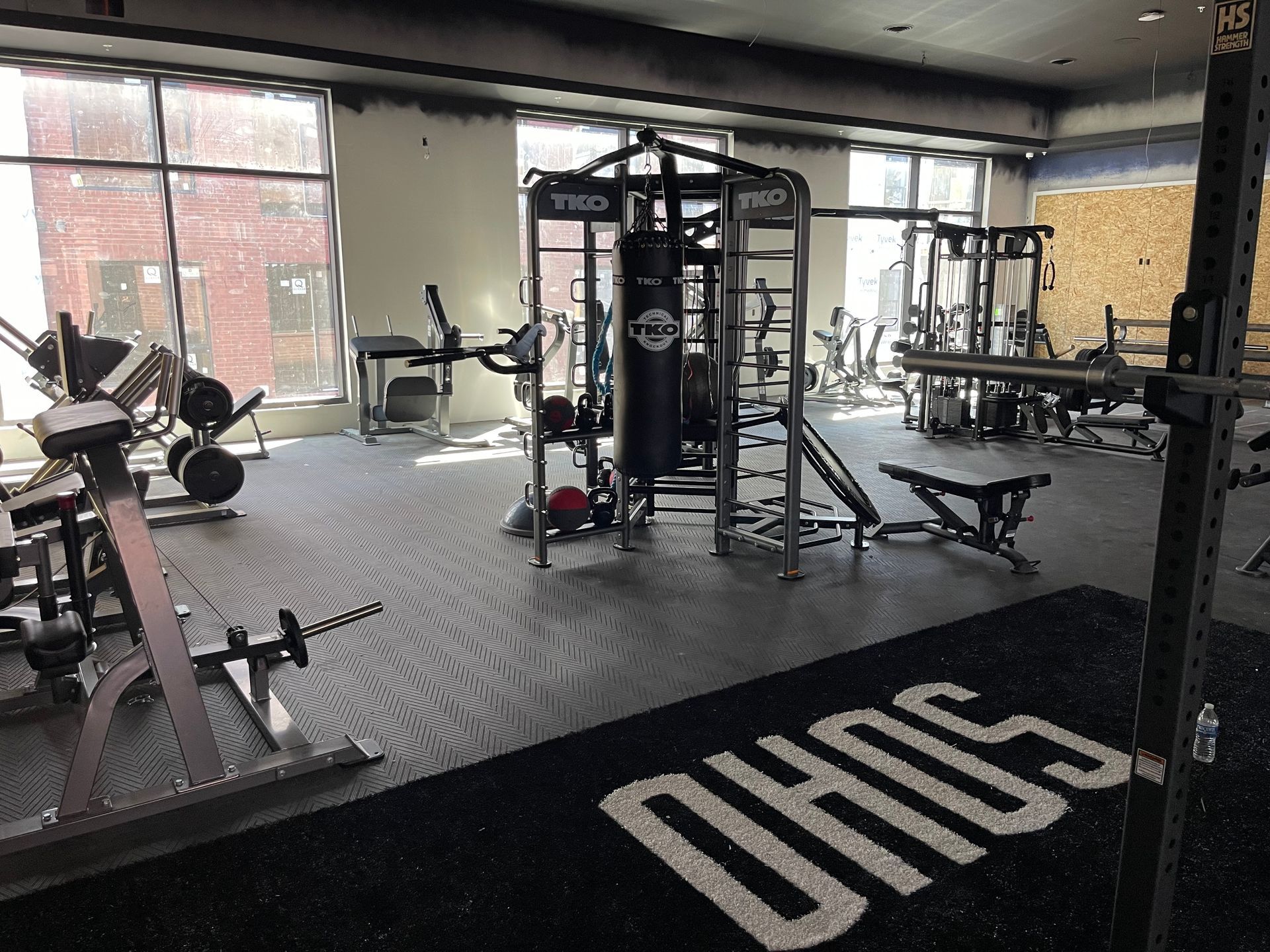
Strength training is the category that often separates a truly high end corporate gym from a basic office fitness room. Many corporate gyms include cardio machines, but they fail to include strength equipment that employees actually want to use. Strength training is important because it supports posture, injury prevention, stress reduction, and overall health. It also helps employees feel like the gym is “real,” not just a few machines in a spare room. For corporate gyms, the best strength solutions are often equipment that is easy to understand and simple to use. Selectorized strength machines and cable systems work very well because they are approachable for beginners. Adjustable benches and dumbbells give more flexibility for intermediate users. A functional trainer is one of the most valuable pieces of equipment because it supports many movements and many fitness levels without taking up a lot of space.
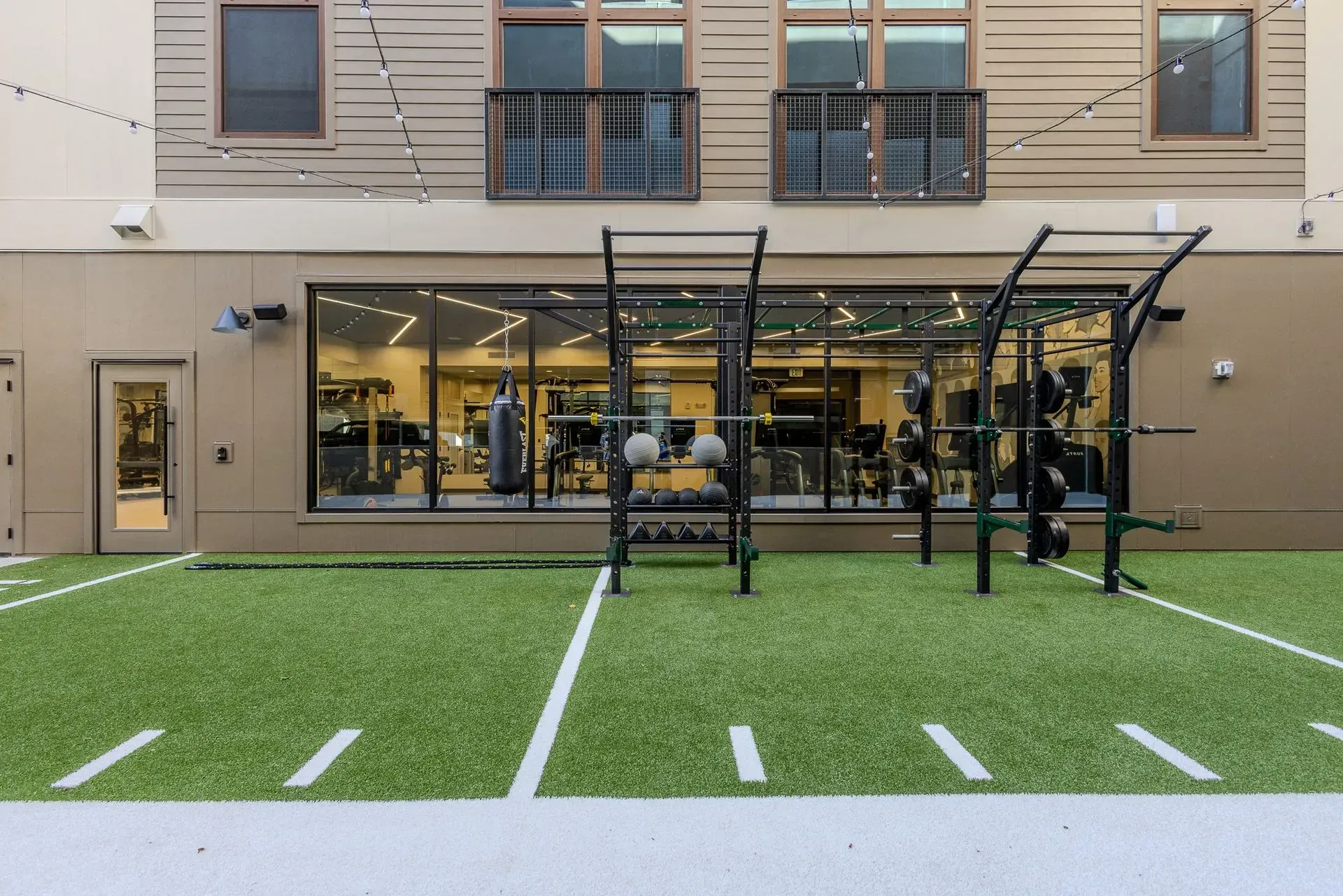
One of the most overlooked needs in corporate gyms is open floor space. People do not just want machines. They want room to stretch, warm up, cool down, and move. Many employees follow fitness apps, do yoga, or want to perform quick bodyweight workouts. A high end corporate gym should include a clean section of open space with mats and basic functional equipment. Things like resistance bands, kettlebells, medicine balls, and stability tools add variety without cluttering the room. More importantly, they make the gym feel modern and flexible. For employees who do not feel comfortable using strength machines, the open floor space becomes their starting point, and that matters for adoption.
Another key component of corporate wellness gym design is the layout. Equipment should not be placed randomly. Employees should be able to walk through the space easily. Machines should not feel cramped. Cardio should be spaced properly to allow comfortable use. Strength equipment should have safe clearance for movement. Functional space should not be squeezed into a corner. A well planned layout makes the gym feel premium even if the square footage is modest. If employees walk in and the space feels crowded or confusing, they will not enjoy using it. If the space feels open, clean, and organized, adoption increases.
To build a high end experience, the details matter. Lighting matters because it impacts how the gym feels. Mirrors matter because they help employees feel more confident and support proper form. Flooring matters because it affects sound and safety. Storage matters because clutter kills the premium feel. A corporate gym should have organized storage for dumbbells, mats, accessories, and cleaning supplies. It should also include wipe stations so employees can clean equipment easily. The goal is for the gym to feel like an intentional part of the office, not like a room that was filled with leftover equipment.
If you are building an office gym, another factor to think about is sound and location within the building. Cardio machines and strength training can create vibration and noise depending on the flooring and building layout. In some cases, it is important to place heavier activity zones away from shared walls or quiet office areas. Flooring can also reduce noise significantly. The reason this matters is simple. If the gym creates disturbances, it becomes a source of complaints. If it operates quietly and cleanly, it becomes a positive amenity that makes the whole workplace feel better.
For companies that want to build a corporate gym that employees actually use, installation and service support are also essential. Commercial fitness equipment needs to be installed correctly. Machines should be leveled, calibrated, and tested. The gym should open with equipment that feels solid and reliable. The moment employees experience broken or unstable equipment, trust drops. That is why it is so valuable to work with a commercial gym equipment provider who can support delivery, professional installation, and long term maintenance. A corporate gym is a long term asset, not a one time purchase, and service support protects that investment.
Long term maintenance is often what separates successful corporate gyms from gyms that slowly decline. When equipment breaks, companies sometimes delay repairs because the gym is not the “main business.” But delayed repairs lead to less usage. Less usage leads to lower perceived value. Lower value makes leadership less likely to invest further. And eventually the gym becomes unused. Preventative maintenance keeps the gym running smoothly. It reduces downtime. It protects the equipment lifespan. It also keeps the gym experience consistent. Employees are far more likely to use a gym that feels reliable. Maintenance is not just operational, it is adoption.
Another important part of corporate wellness gyms is making the equipment selection fit the culture of the workplace. Some offices want a quiet wellness space focused on walking, mobility, and stress relief. Others want a more performance oriented gym with serious equipment. There is no one perfect corporate gym design, because every company is different. The best approach is to build a balanced, inclusive space with equipment that supports both beginners and experienced users. When employees feel like the gym supports them no matter their fitness level, participation increases and the investment becomes worthwhile.
A well designed corporate wellness gym can become one of the most valuable amenities in a workplace. It improves employee satisfaction, supports mental and physical health, strengthens company culture, and helps with hiring and retention. But it only works if the space is planned correctly. That means choosing commercial grade equipment, building a balanced mix of cardio and strength options, creating open floor space for flexibility, and designing the layout so it feels professional and comfortable. When the office gym feels high end, employees treat it like a real benefit, not an afterthought.
If you are planning to build or upgrade a corporate wellness gym and want help selecting the right equipment, EcoFit Solutions can help you design a setup that fits your space, your employees, and your goals. From equipment recommendations and layout planning to delivery, installation, and service support, the goal is to create a corporate gym that employees enjoy using and that stays reliable long term.