

The ROI of Professional Gym Design and Layout Planning

When gym owners think about return on investment, equipment is usually the first thing that comes to mind. New machines, updated strength gear, and expanded training areas all feel like tangible upgrades. What often gets overlooked is the role design and layout play in how that equipment actually performs once it is on the floor. A gym can have great equipment and still struggle if the layout works against the way members move, train, and interact with the space. Professional gym design is not about making a facility look fancy. It is about making the space work better every single day, improving member experience, equipment usage, staff efficiency, and long term retention.
Members may not consciously think about layout, but they react to it constantly. They feel it when pathways are cramped, when popular equipment is stacked too closely together, or when they have to cross busy areas to complete a workout. These small frustrations add up over time and shape how often members visit and how long they stay. A thoughtful layout creates natural flow, allowing members to move through workouts without feeling rushed or interrupted. When a space feels intuitive, people train longer and come back more often, which directly affects revenue without increasing marketing spend.
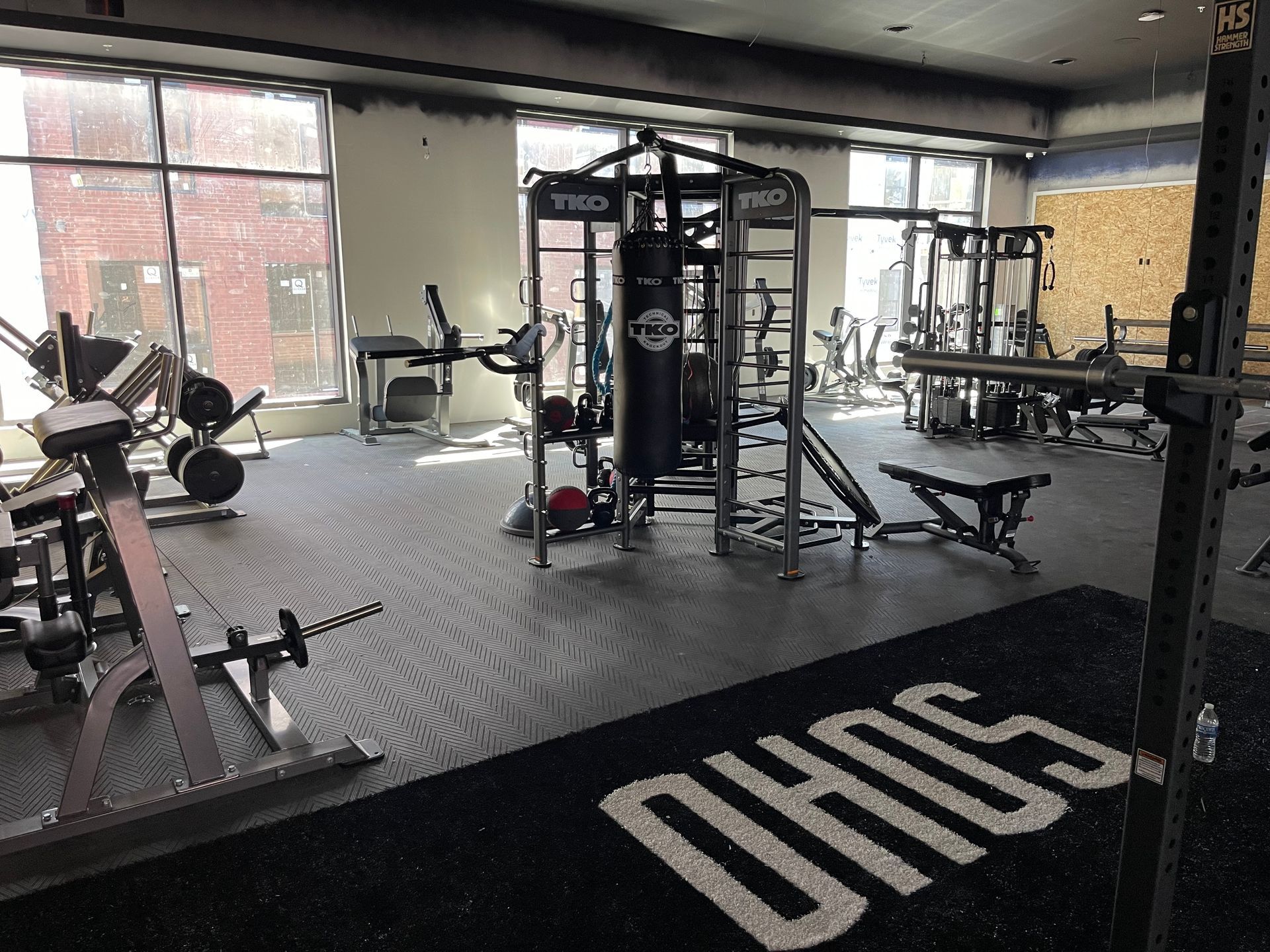
Poor design rarely shows up as one obvious problem. It appears through underused equipment, bottlenecks during peak hours, and increased wear on machines and flooring. Equipment placed too closely together is more likely to get damaged, while crowded areas raise safety concerns. Confusing layouts also make it harder for staff to supervise, clean, and maintain the space. Over time, these issues quietly cost money through repairs, replacements, and lost memberships, even though the gym may appear busy on the surface.
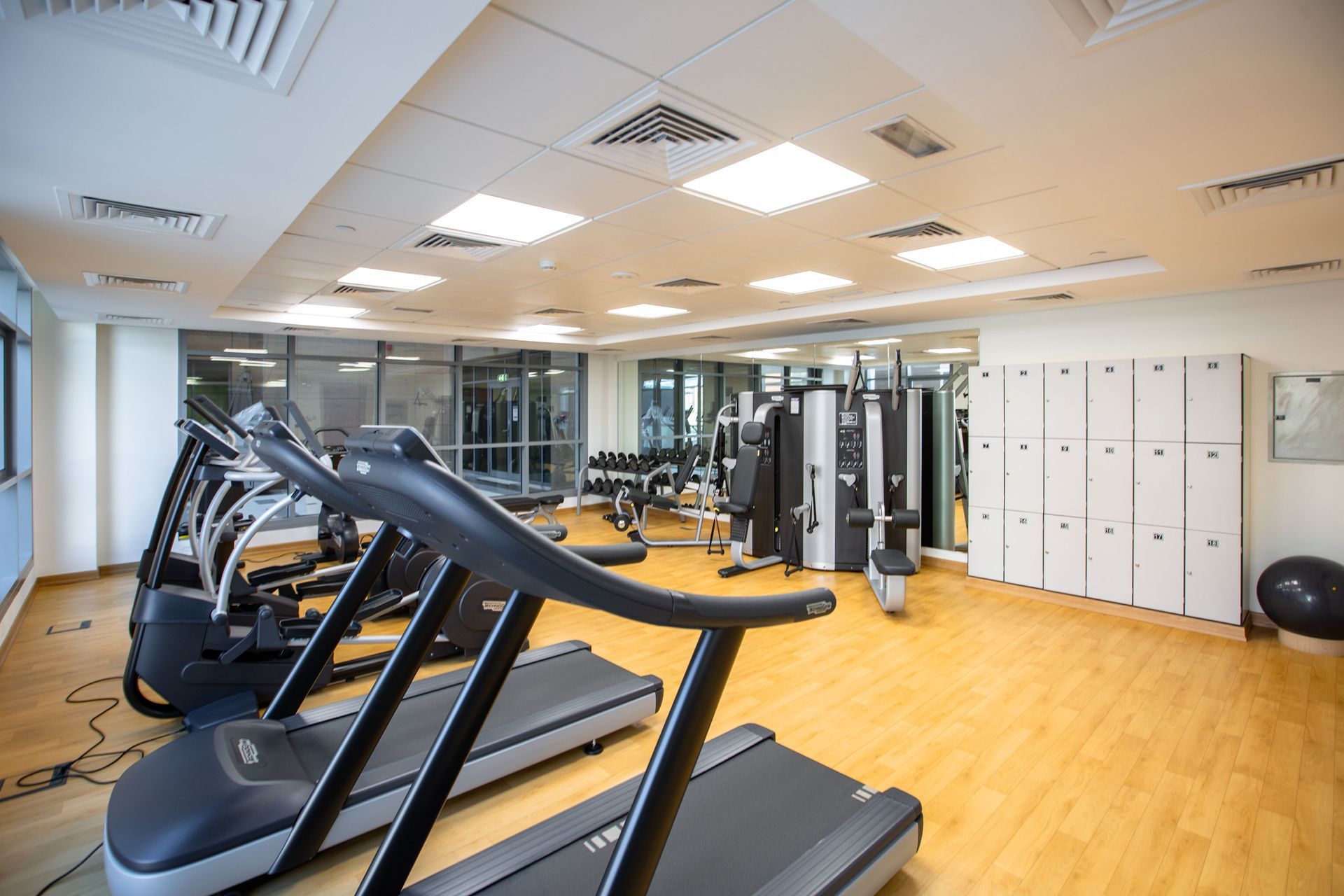
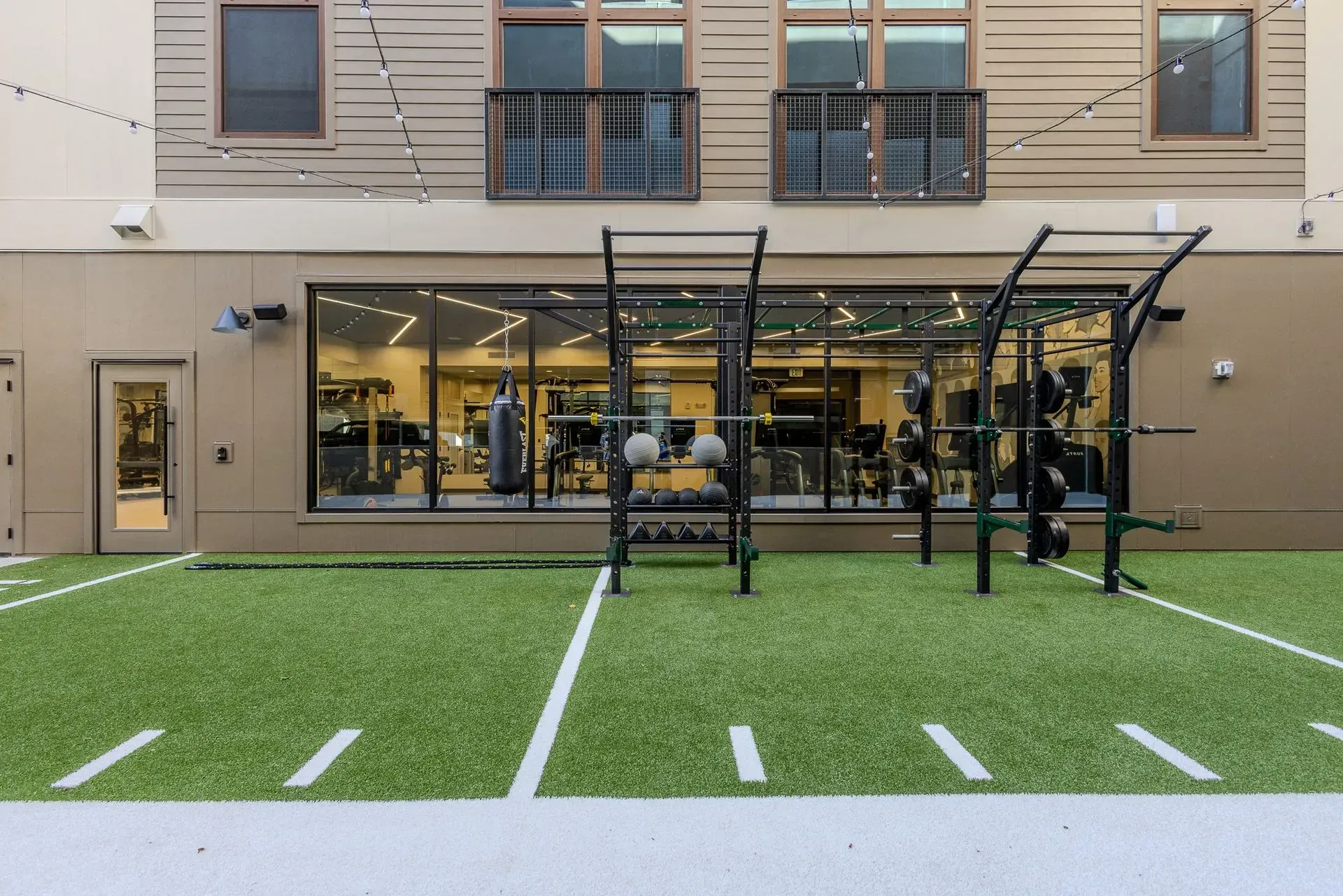
Professional layout planning starts by understanding how a facility is actually used. Member demographics, peak traffic times, and programming all influence how space should be organized. Strength areas, cardio zones, functional training spaces, and group areas serve different purposes, and placing them intentionally improves flow and comfort. When members feel confident navigating the space, they are more likely to use a wider range of equipment and stay engaged with their training.
One of the biggest benefits of good design is improved equipment utilization. Many gyms struggle with certain machines always being occupied while others sit unused. In most cases, this is not an equipment issue but a placement issue. When machines are difficult to access or placed in awkward locations, members naturally avoid them. Better layout balances usage across the floor, helping every piece of equipment deliver more value over time while reducing congestion in popular areas.
Layout planning also has a major impact on staff efficiency. Clear walkways make cleaning faster and more consistent. Logical equipment placement simplifies maintenance and reduces downtime. Open sightlines help trainers and staff monitor the floor and assist members more effectively. When staff can move easily through the space, service improves without increasing labor costs, which supports stronger retention and a better overall experience.
Another key advantage of professional design is planning for growth. Membership needs change, programming evolves, and facilities expand. A well planned layout accounts for future adjustments by allowing flexibility in equipment placement and training zones. This reduces the need for disruptive and expensive redesigns later and helps protect the original investment as the gym grows.
At EcoFit, we approach design and layout as strategic tools that support long term success. We focus on how members move, how equipment is used, and how the facility operates day to day. Our goal is to create spaces that feel organized, inviting, and efficient, while avoiding common mistakes like overcrowding and poor spacing. The result is a gym that not only looks professional but performs better for members and staff alike.
Design should be viewed as an investment rather than an expense. When layout planning is done right, it improves retention, protects equipment, supports staff, and creates an environment people want to return to. If your gym feels busy but inefficient, or if certain areas are constantly crowded while others go unused, layout may be the missing piece. With thoughtful planning, the same square footage can deliver far better results. If you are planning a new facility, an expansion, or a refresh, EcoFit can help you design a layout that maximizes both space and return.