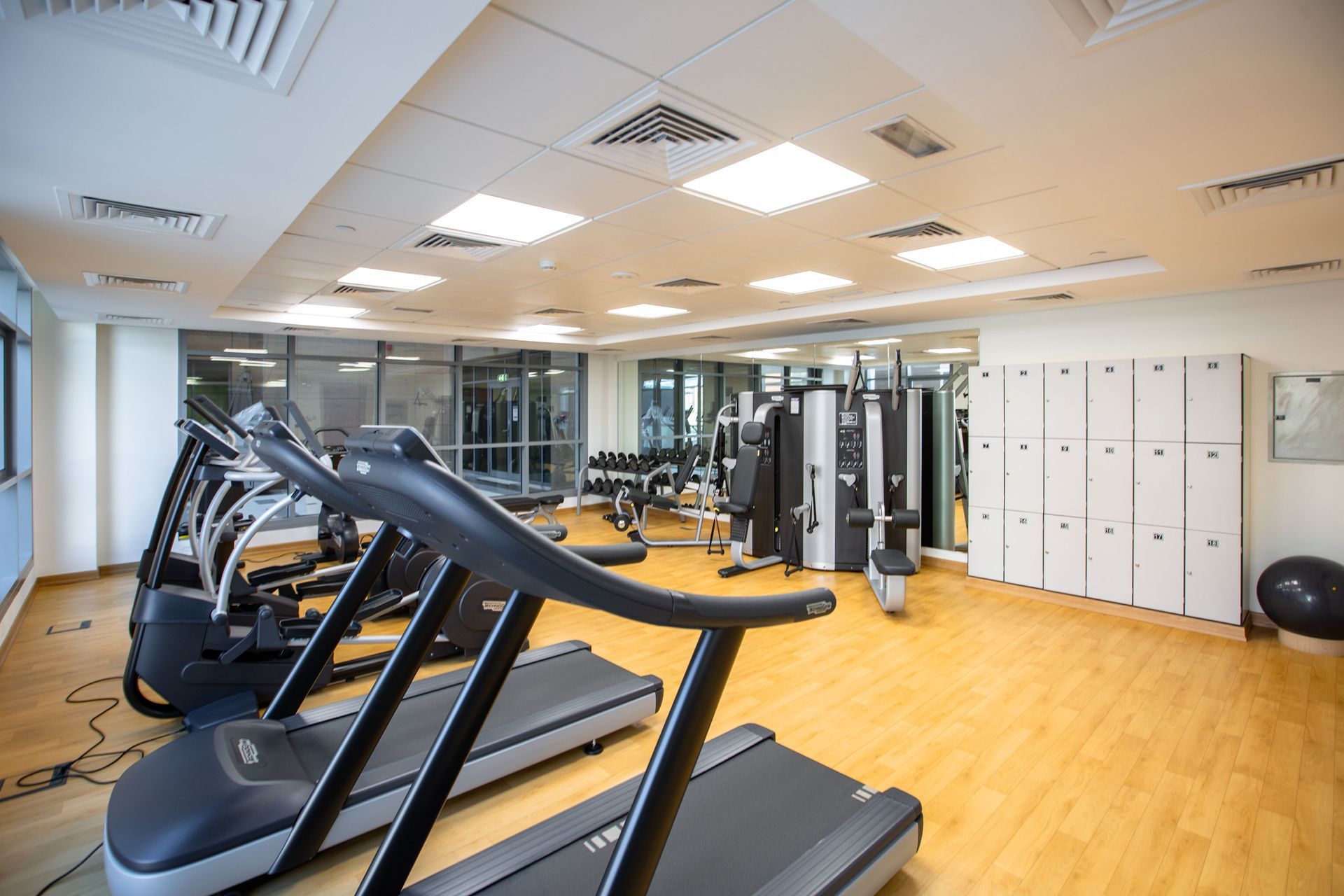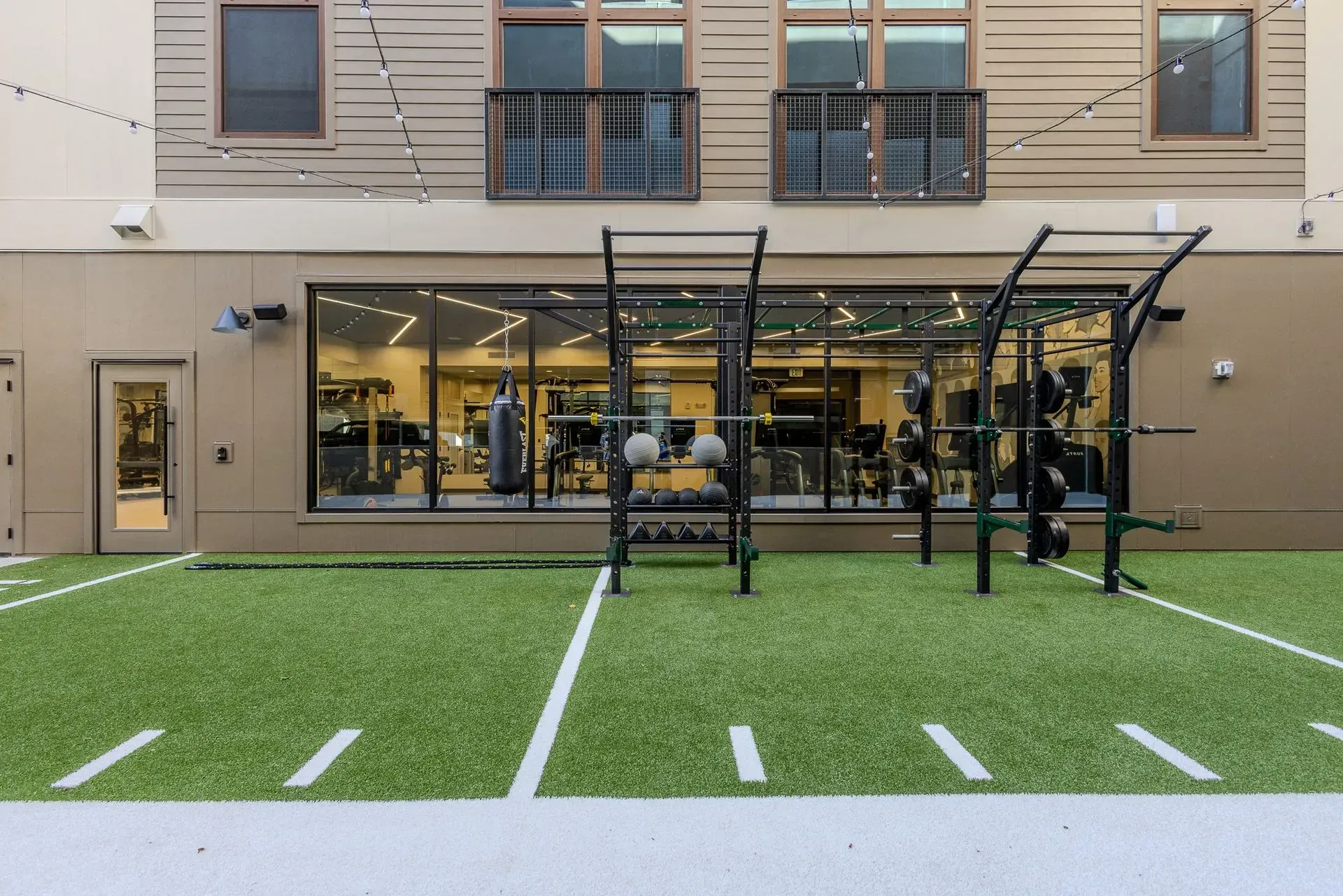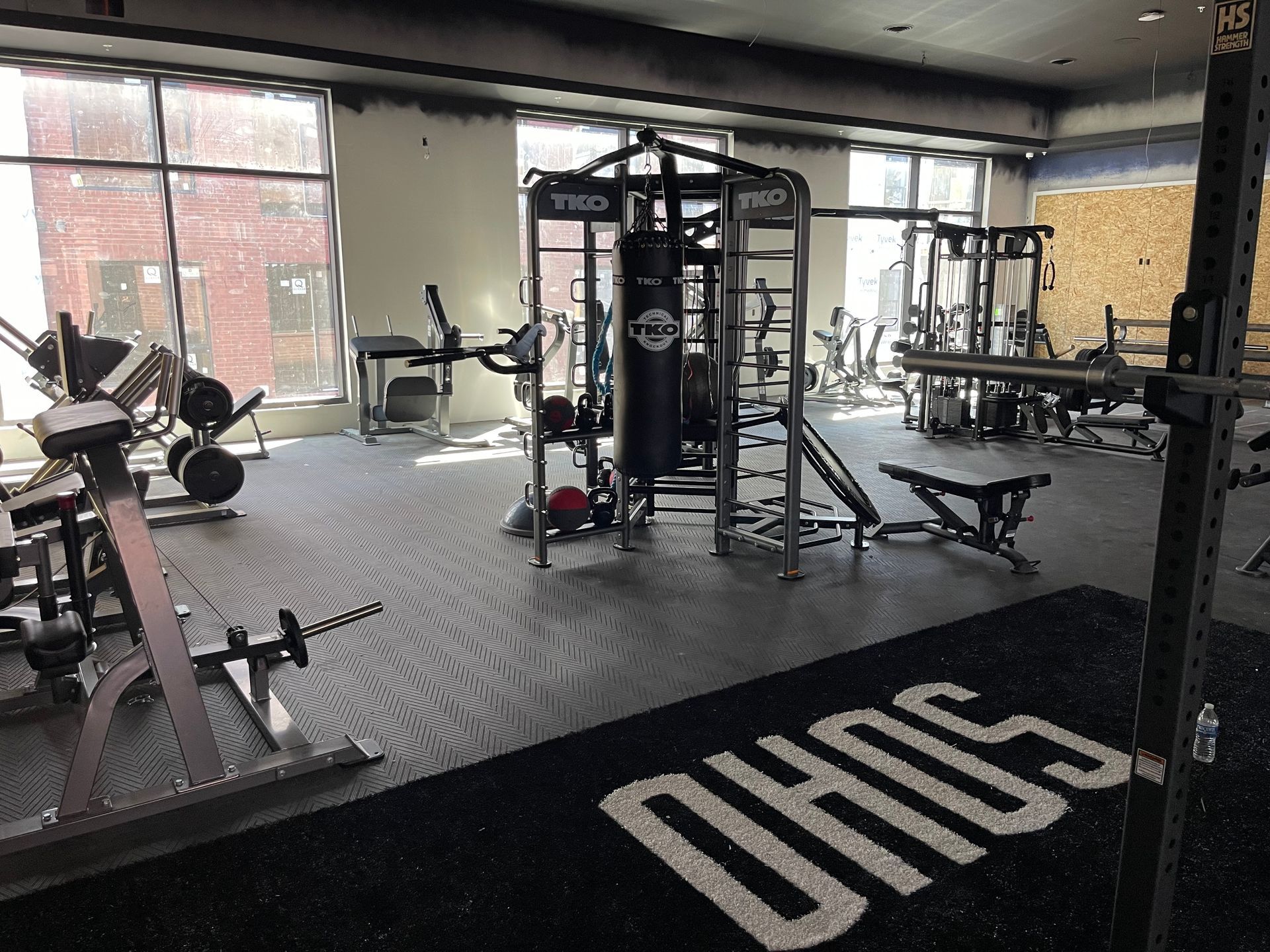


Essential Strength Training Equipment Every Commercial Gym Should Have
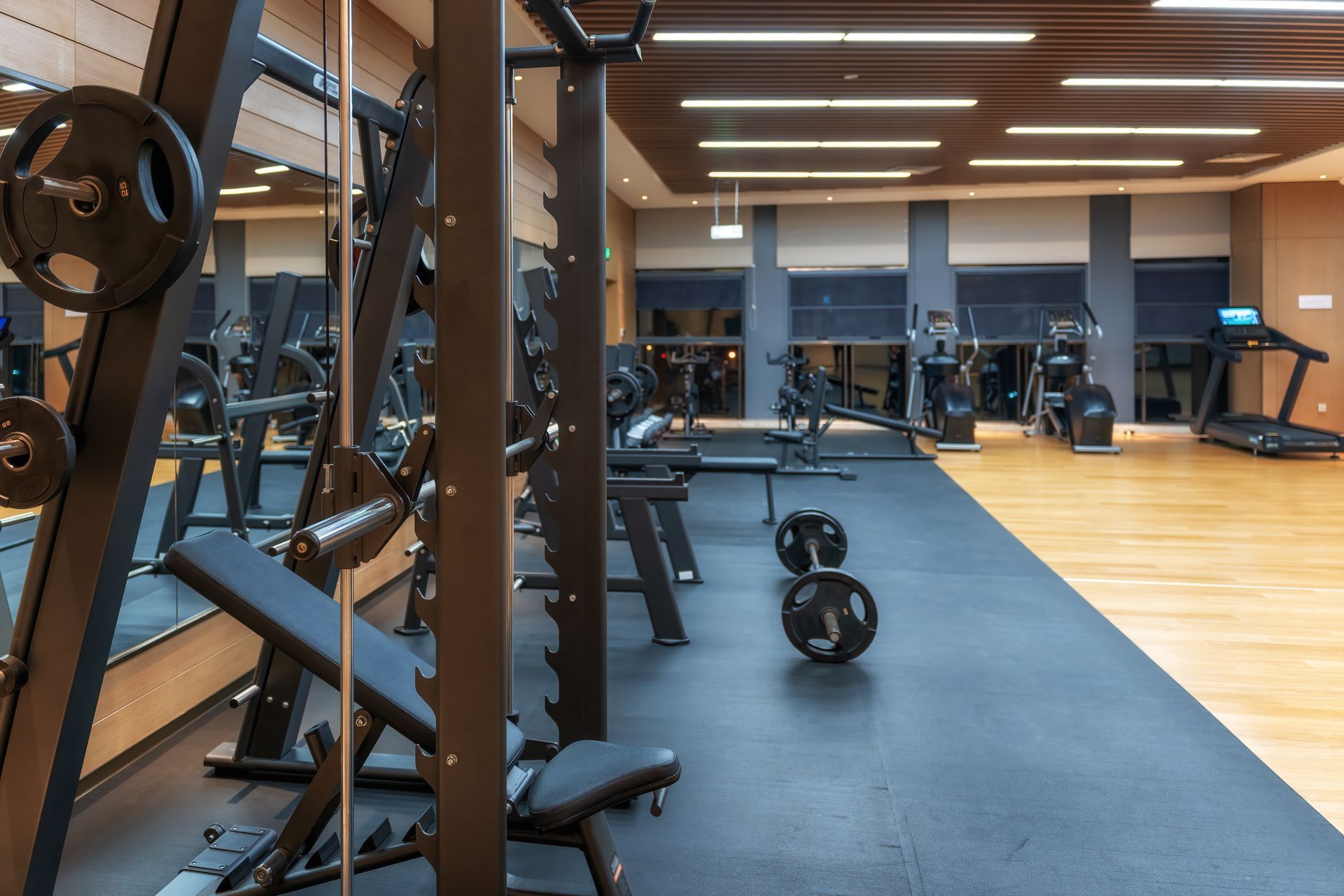
When people walk into a gym for the first time, strength training is often what shapes their first impression. Even members who primarily use cardio equipment usually scan the strength area to judge whether a facility feels serious, well planned, and worth committing to. For gym owners and facility managers, strength equipment is not just another category on an order list. It is one of the biggest drivers of long term membership value, daily usage, and retention. If you are planning a new facility, upgrading an existing gym, or rethinking how your space is being used, the strength training area deserves extra attention. The right equipment mix creates flow, supports a wide range of users, and avoids costly mistakes that can limit how members actually train.
Strength training has evolved from being a niche activity to a core expectation. Members now expect gyms to support everything from beginner workouts to serious training. If your strength area feels cramped, outdated, or incomplete, members notice quickly. That often shows up as shorter visits, less engagement, and eventually cancellations. A well designed strength area encourages longer workouts, repeat visits, and a sense of progression. Members who feel like they can grow within your space are far more likely to stay loyal. That is why strength equipment should be selected intentionally, not just based on price or what looks impressive on the floor.
If there is one piece of strength equipment that defines a gym, it is the power rack. Squat racks and half racks are the backbone of most strength training programs. They support compound movements like squats, presses, and pulls that appeal to beginners and experienced lifters alike. From a facility standpoint, racks are incredibly versatile. They allow multiple exercises in a relatively compact footprint and can be adapted with attachments for different training styles. Members gravitate toward racks because they feel functional and serious, even if they are new to lifting. When racks are missing or limited, it creates bottlenecks and frustration. When they are thoughtfully spaced and properly installed, they become one of the most used areas in the gym.
Strength training does not work without the basics, and barbells and weight plates sit at the center of that equation. Free weights give members freedom to train at their own pace and adapt workouts as they progress. Commercial facilities should prioritize durable bars that can handle daily use and plates that are easy to identify, move, and store. Clean organization matters more than many owners realize. When plates are scattered or mismatched, the space feels chaotic. When everything has a clear home, members are more likely to re rack and respect the equipment. This also plays a role in safety and longevity. Proper storage reduces damage to floors, walls, and the equipment itself.
While free weights get a lot of attention, selectorized strength machines are just as important. These machines offer guided movement patterns that help beginners feel confident and allow experienced users to isolate specific muscle groups. Selectorized equipment supports a wider audience, including older adults, rehab focused users, and members who prefer structured resistance training. From a business perspective, this equipment expands your reach and makes your gym feel inclusive rather than intimidating. A balanced strength area blends free weights with machines so members can move comfortably between both based on their experience and goals.
Cable systems are some of the most versatile pieces in a gym. They allow for pushing, pulling, rotating, and stabilizing movements that mimic real world activity. Members love cable machines because they can adjust resistance easily and perform a wide range of exercises without needing multiple stations. Functional trainers also support personal training sessions and small group workouts, which makes them valuable not just for member use but also for revenue generating programs within the facility. When placed correctly, cable machines become constant use equipment rather than something that sits idle.
Benches seem simple, but they are essential to how your strength area functions. Flat benches, adjustable benches, and utility benches allow members to perform presses, rows, step ups, and core work throughout the space. The key is having enough benches to support peak hours without cluttering the floor. Poor bench planning leads to members dragging equipment across the gym, which disrupts flow and increases wear and tear. Well placed benches support efficient workouts and help the strength area feel intentional rather than improvised.
Dumbbells are one of the most used pieces of equipment in any gym. They appeal to all experience levels and support countless exercises. That means quality and layout matter. A complete dumbbell set paired with a sturdy rack helps keep the area clean and safe. Clear labeling and consistent placement make it easier for members to find what they need and return it when finished. From a maintenance standpoint, investing in commercial grade dumbbells reduces replacement costs and keeps the area looking professional even with heavy use.
Plate loaded strength machines bridge the gap between free weights and selectorized equipment. They allow users to load resistance manually while benefiting from guided movement paths. These machines are popular with experienced lifters who want more control over resistance without sacrificing stability. They also tend to feel more performance focused, which can elevate the overall perception of your facility. Including a few well chosen plate loaded machines can add depth to your strength offering without overwhelming the floor.
Strength equipment is only as effective as the space around it. Storage for bars, plates, accessories, and collars keeps the area functional and safe. Cluttered floors lead to accidents and frustration. Organized storage creates clear walkways and encourages members to respect the space. It also makes cleaning and maintenance easier for staff. This is one of the most overlooked aspects of gym design, yet it has a major impact on daily operations.
Not every gym needs the same equipment, and that is where many facilities run into trouble. Buying everything available does not guarantee better results. The goal is to match your strength equipment to your membership base, available space, and programming goals. A training focused facility will look different from a corporate gym or a community center. Understanding how your members actually train helps guide smarter decisions and prevents wasted investment.
At EcoFit, we work with commercial facilities to design strength training spaces that make sense. We look at layout, equipment mix, traffic flow, and long term use, not just individual pieces. Our team helps facilities avoid common mistakes like overcrowding, underused equipment, and poor spacing. We focus on creating strength areas that feel inviting, functional, and scalable as your gym grows. Strength training equipment is more than a checklist. It shapes how members experience your gym every day. When the right equipment is chosen and placed with intention, it creates an environment where people want to train consistently. If you are evaluating your current setup or planning what comes next, taking a closer look at your strength area is a smart place to start. With the right approach, it becomes one of the most valuable parts of your facility, both for your members and your business.