

Preventative Maintenance for Commercial Gym Equipment: Why Facilities Lose Money Without It
If you manage a gym, apartment fitness room, school training facility, or corporate wellness center, preventative maintenance is one of those things that everyone knows is important, but it still gets pushed to the bottom of the list. It is easy to focus on day to day tasks, resident needs, staff priorities, or membership growth, and assume the fitness equipment will keep working until it does not. Then a treadmill goes down, a cable machine starts sticking, an elliptical begins squeaking, and suddenly the gym becomes a problem that demands immediate attention. That is why so many facility managers end up searching phrases like commercial gym equipment maintenance, fitness equipment maintenance near me, or preventative maintenance for gym equipment. They are trying to solve a problem after it shows up, instead of preventing it from happening in the first place.
The truth is simple. Preventative maintenance saves money. It reduces downtime. It extends equipment lifespan. It protects your facility’s reputation. And it makes the gym easier to manage. The biggest cost of poor maintenance is not even the repair bill, it is the constant disruption that comes with equipment failing at the worst possible times. When machines are broken, users complain. Residents stop trusting the amenity. Members lose confidence in the gym. Staff gets pulled into troubleshooting. And the space slowly starts to feel neglected, even if the rest of your facility is well run.
One of the most important things to understand about commercial fitness equipment is that it is designed for long term use, but it still needs care. Commercial treadmills, bikes, ellipticals, stair climbers, strength machines, and cable systems all have components that wear down over time. Belts stretch. Cables fray. Bolts loosen. Bearings and rollers wear. Screens and electronics experience small issues. Dust and debris build up inside machines. None of these things happen overnight, and that is exactly why preventative maintenance works. It catches the gradual wear before it becomes a major failure.
Facilities often assume maintenance only matters when equipment is used heavily. But even moderate use equipment benefits from routine service. In apartment gyms, for example, machines might not be used at full commercial gym volume, but the users are often less experienced. That means the equipment gets used in unpredictable ways. People step hard onto machines. They hold handles awkwardly. They adjust seats incorrectly. They sweat heavily without wiping down equipment. Over time, that creates wear in ways the facility did not anticipate. In schools, equipment takes heavy use and sometimes rough treatment. In corporate gyms, equipment is expected to be clean, quiet, and always working. No matter the environment, consistent maintenance keeps the space functioning the way users expect it to.
The first financial benefit of preventative maintenance is fewer emergency repairs. Emergency repairs are expensive because the equipment is already failing or completely down. At that stage, the problem has typically grown. A treadmill belt that was slightly misaligned becomes a belt that is worn unevenly. A squeak on an elliptical becomes a joint issue. A cable that felt slightly rough becomes a fraying cable that needs replacement quickly. If you catch issues early, repairs are often quick adjustments. If you wait, repairs become parts replacements, labor, and downtime.
Downtime is where facilities really lose money, even if they do not see it as a direct expense. In membership gyms, downtime affects retention. People pay monthly expecting access to equipment. If key machines are down repeatedly, they feel like they are not getting value. In apartment gyms, downtime affects resident satisfaction. It can even show up in reviews. In hotels, broken equipment creates negative guest experiences. In corporate wellness facilities, employees stop using the gym if machines are unreliable. All of that leads to lost value that is difficult to measure, but very real over time.
Another cost people do not think about is how poor maintenance shortens the lifespan of equipment. Commercial fitness equipment is built to last for years, but only if it is properly maintained. A treadmill belt that is not adjusted properly can wear down the deck. If the deck wears prematurely, that is a major replacement cost. Dust buildup inside treadmill motor areas can lead to overheating and electrical issues. Loose bolts and shifting movement systems on ellipticals lead to premature wear in joints. Cable machines that are not inspected can develop pulley issues or unsafe cable conditions. Preventative maintenance is not just about avoiding breakdowns, it is about protecting the total lifespan of the equipment you paid for.
Preventative maintenance also improves the user experience, which matters more than facilities realize. Even when equipment is still working, it may not be working well. A treadmill might feel rough. An elliptical might squeak. A bike might click. A cable machine might not feel smooth. Users notice these things immediately, and they interpret them as signs that the facility is not maintained. That is not good for your brand, your retention, or your amenity value. When equipment feels smooth, quiet, and stable, users feel like the gym is high quality. That perception matters in apartments and corporate settings just as much as it does in traditional gyms.
One of the best parts of preventative maintenance is that it creates predictability. When you have a scheduled service plan, you can budget for it. You can plan around it. You are not reacting to breakdowns randomly. This reduces stress for the facility manager and prevents the gym from becoming a weekly crisis. It also helps you build a relationship with a service partner who understands your equipment inventory, the specific models you have, and how your facility uses them. That leads to faster repairs and better long term results.
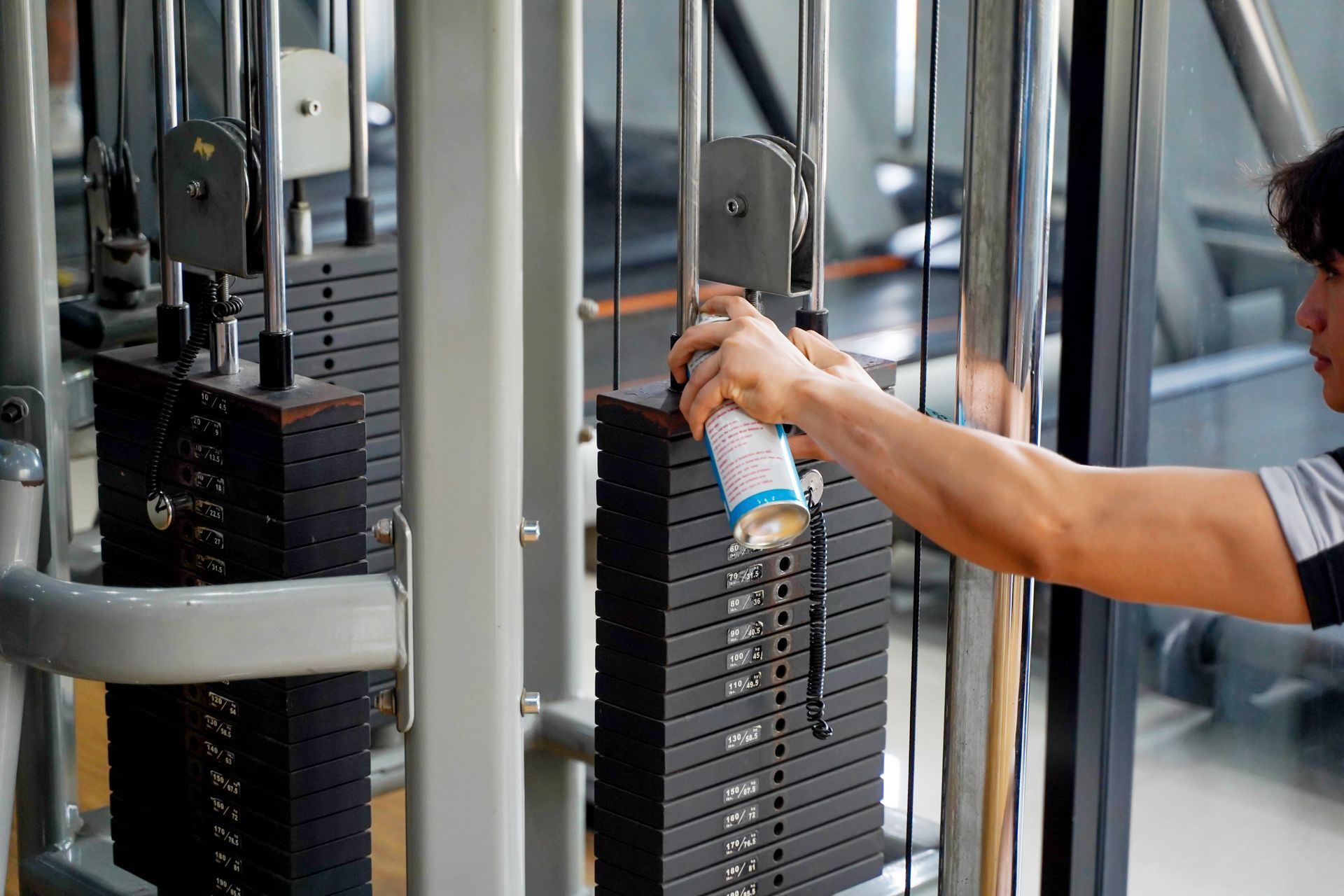
A professional preventative maintenance program usually includes inspection, adjustment, cleaning, and safety checks. For treadmills, this often includes belt alignment, belt tension, deck inspection, roller checks, lubrication where needed, and internal cleaning to remove dust buildup. For bikes and ellipticals, it includes stability checks, tightening, pedal system inspection, stride system inspection, and ensuring the resistance system operates properly. For strength equipment, it includes cable inspections, pulley checks, selector pin function checks, hardware tightening, and safety verification. The goal is to keep everything working as intended and to catch wear before it becomes a hazard.
Safety is another major reason preventative maintenance matters. Commercial fitness equipment is used by many people with varying levels of experience. A loose bolt on a bench can become an injury risk. A fraying cable can snap. A treadmill belt issue can cause someone to slip. A shifting elliptical can cause instability. Preventative maintenance is not just a “nice to have,” it is part of operating a safe facility. It helps reduce liability risk and keeps users confident in the equipment.
One thing facilities should understand is that preventative maintenance is not a one size fits all schedule. The ideal service frequency depends on your environment and traffic. A high traffic membership gym needs more frequent service. An apartment gym might have slightly less frequent service, but still consistent. A school training facility may need service aligned with athletic seasons. A corporate wellness gym might need service based on usage cycles. The key is not the exact schedule, the key is that it is consistent and proactive.
If you are trying to decide whether a maintenance plan is worth it, here is a simple way to think about it. Would you rather pay a predictable maintenance cost that keeps equipment running, or pay unpredictable repair costs that create downtime and frustration? Most facilities that switch to a preventative plan realize quickly that it saves money and creates a much smoother experience overall.
Preventative maintenance also helps facilities plan upgrades and replacements strategically. When a technician services your equipment routinely, they can tell you what is wearing down, what is reaching the end of its life cycle, and what will likely need replacement in the future. That allows you to plan purchases instead of making panic decisions. Instead of reacting to a major failure, you can schedule a replacement at the right time and budget for it properly.
At the end of the day, preventative maintenance is not about being overly cautious, it is about running your facility professionally. A well maintained gym feels better, runs better, and supports the people who use it. It also makes your job easier because you are not constantly dealing with broken machines and complaints. If you want your commercial fitness equipment to last, protect your budget, and provide a great experience, preventative maintenance is one of the smartest decisions you can make.
If you are looking for preventative maintenance for commercial gym equipment and want reliable local service, EcoFit Solutions can help. From routine inspections and tune ups to repair support and long term service planning, the goal is to keep your fitness equipment operating smoothly so your facility stays reliable, safe, and easy to manage.