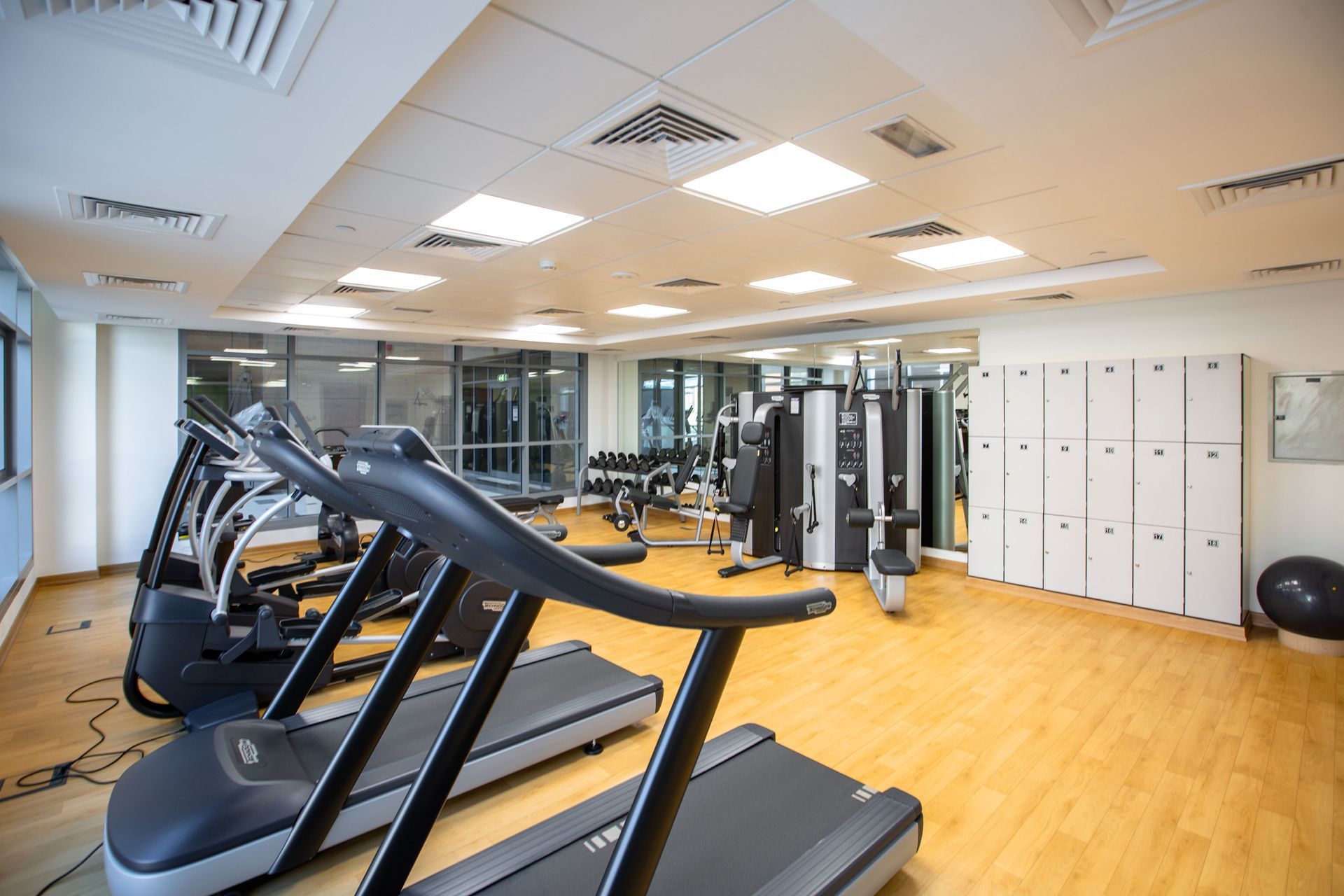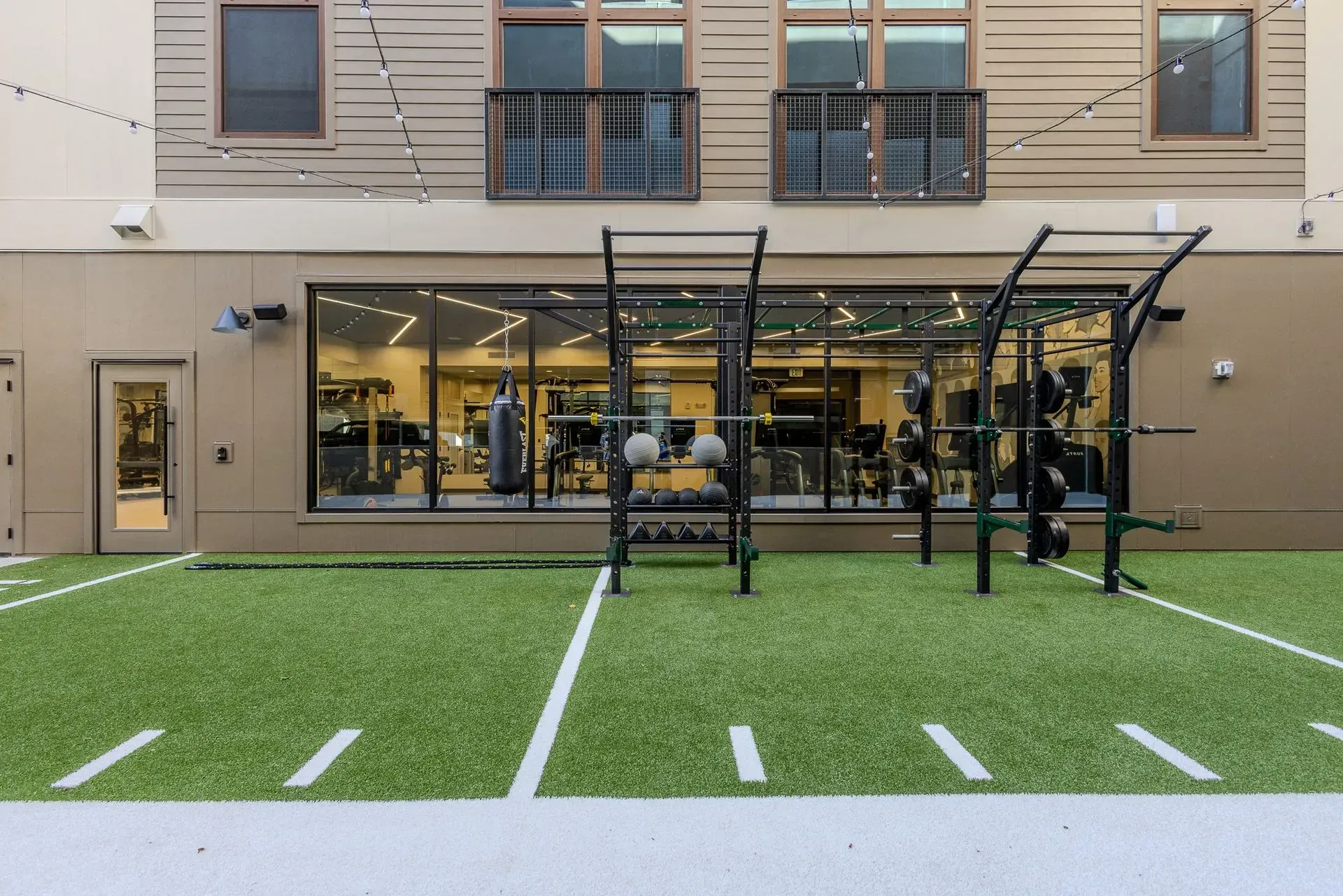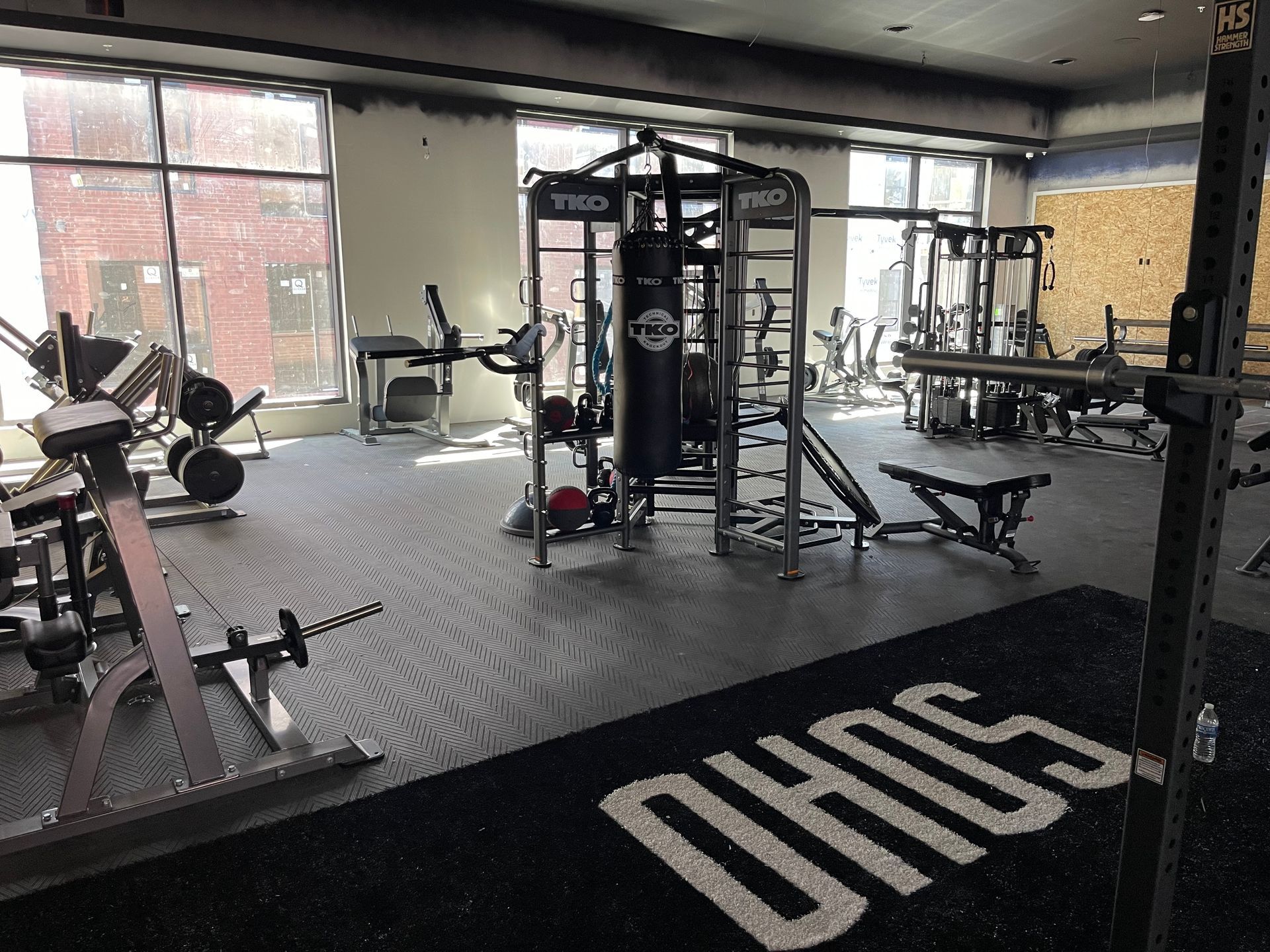


St. Louis Gym Equipment Repair: Signs It’s Time to Call a Professional
If you manage a gym, fitness facility, apartment fitness room, school training space, or corporate wellness center, there is one situation you will eventually face no matter how great your equipment is, something will need repair. That is why so many facility owners and managers end up searching phrases like gym equipment repair near me, commercial gym equipment repair, or fitness equipment service near me. When a machine stops working or starts acting up, it is not just inconvenient, it immediately affects the user experience. Members complain, residents lose trust in the amenity, and your staff gets pulled into troubleshooting equipment instead of doing their actual job.
The tricky part is that equipment problems rarely start as obvious breakdowns. Most commercial fitness equipment gives subtle warning signs first. A treadmill might sound slightly different. An elliptical might begin to squeak. A cable machine might feel less smooth than usual. And because these issues start small, facilities often delay addressing them until the equipment fully fails. That approach usually costs more in the long run. Early repairs are almost always cheaper, faster, and less disruptive than waiting until the machine is completely out of service.
One important thing to understand is that commercial fitness equipment is designed to be repaired. These machines are built for long term ownership, which is a big difference from home equipment. The internal components are serviceable, replacement parts are available, and repairs are typically possible without replacing the entire unit. But to get that value, you need service support. That is why buying from a commercial fitness equipment provider who offers local service is so important, because when something breaks, you want a professional technician who can diagnose the issue quickly, get the right parts, and get the machine back online without guesswork.
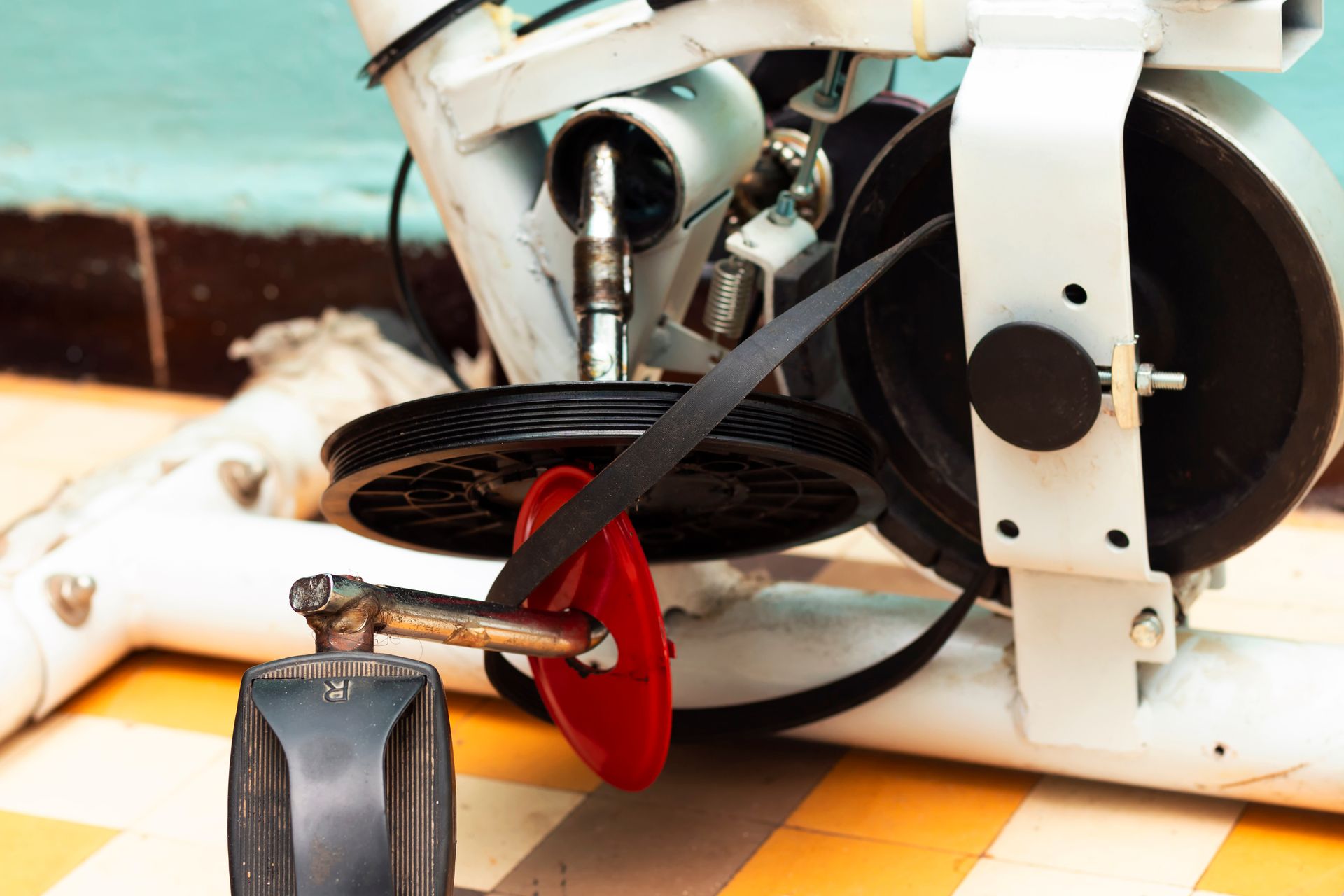
If you are wondering whether a machine needs repair or just routine maintenance, there are some clear signs to watch for. The first sign is unusual noise. Fitness equipment should sound consistent when it is operating normally. A new squeak, grinding sound, clicking, rubbing, or rattling usually means something is loose, worn, misaligned, or under abnormal friction. On treadmills, noise can point to belt alignment issues, worn rollers, or problems in the motor area. On ellipticals, squeaking often indicates wear in the stride system or joints. On bikes, clicking or vibration can point to pedal systems, drive components, or loose hardware. Noise is not something to ignore, because it typically gets worse, not better.
Another major red flag is instability or wobbling. Commercial equipment should feel solid. If a treadmill shakes when someone runs on it, if an elliptical feels like it is shifting, or if a bike rocks during use, that is often a sign that the machine is not level, bolts have loosened, or components have worn down. It can also be an indicator that flooring issues are causing equipment movement. Either way, wobbling is not just annoying, it can become a safety concern. A machine that does not feel stable will be avoided by users, and it also increases the chance of injury if someone loses balance.
Treadmill belt issues are another extremely common reason facilities need service. The belt might drift to one side, feel like it slips, hesitate while running, or stop abruptly. Many people assume that treadmill belt problems mean the machine is failing completely, but often it is a matter of belt tension, belt alignment, or deck wear. The key is addressing it early. A treadmill belt that runs misaligned can cause uneven wear and damage other components. A treadmill belt that slips can create safety issues for users and eventually lead to bigger repairs.
Display or console problems are also a sign it is time to call a professional. If the screen is flickering, buttons are unresponsive, programs do not work correctly, or the machine resets randomly, the issue is usually electrical or internal. Some problems can be simple, like a loose connection. Others can involve control boards or wiring. Either way, equipment electronics are not the place to experiment, especially in commercial facilities. A professional technician can diagnose the issue faster and prevent accidental damage that could make the problem worse.
Another sign that service is needed is inconsistent resistance or performance. This applies heavily to bikes, ellipticals, and strength equipment. If a bike resistance feels uneven or does not change properly, it may be a resistance system issue. If an elliptical feels rough during the stride, it could be a joint or bearing issue. If a cable machine feels jerky or sticks, the pulley system or cable may need attention. For users, these issues immediately make the equipment feel cheap or poorly maintained, even if the machine itself is high quality. For facilities, it often means wear is progressing and a repair is needed sooner rather than later.
Strength equipment also has common warning signs that are easy to miss. Cable machines should feel smooth. If cables are fraying, pulleys squeak, or the selector pin does not sit correctly, it is time to schedule service. Loose handles, damaged attachments, worn pads, or unstable frames can also create safety issues. It is important to remember that strength equipment issues are not always dramatic. They often appear as small defects that gradually become hazards. A cable that snaps is not something you want happening in a commercial setting. That is why routine inspections and quick repairs are so important.
A key reason facilities delay repairs is they assume the issue is not urgent if the machine still works. But the real cost of downtime is not just the moment it breaks, it is the weeks leading up to it. When a machine starts acting up, users notice. They stop using it. They complain. They tell others the gym is not maintained. In apartment communities, that can impact resident satisfaction and renewals. In membership gyms, it can impact retention. In corporate gyms, it can reduce usage and participation. Repairing equipment early is not just an operational choice, it is a reputation decision.
Another important part of commercial fitness equipment repair is knowing when not to do it yourself. It is tempting to treat equipment like a simple fix, tighten a bolt, adjust a belt, or troubleshoot a console. In some cases, basic troubleshooting is fine. But commercial machines are complex, and the risk of making the issue worse is real. More importantly, DIY repairs can create liability. If equipment is repaired incorrectly and someone is injured, it becomes a much bigger problem than the repair cost ever was. When in doubt, professional service is the safest and smartest route.
Local service makes everything easier. When you work with a commercial fitness equipment provider near you, you have access to technicians who understand the equipment and can respond faster. You are not stuck waiting weeks for a third party service provider. You are not spending time tracking down parts online. You have a single partner who can help keep the facility running. This is especially valuable for apartment communities, hotels, and corporate wellness gyms because the fitness room is not the primary business, it is an amenity. The goal is for it to stay functional with minimal operational disruption.
The best approach for most facilities is a combination of preventative maintenance and responsive repair service. Preventative maintenance helps reduce breakdowns by catching issues early. Repairs handle the problems that still occur. Together, they keep your equipment reliable and extend the lifespan of your investment. Most facilities that struggle with equipment downtime are not failing because they bought bad equipment, they are failing because they do not have a consistent service plan.
If you are managing equipment and you have noticed any of these issues, unusual sounds, wobbling, belt slipping, console problems, resistance issues, or strength machine wear, it is a good idea to schedule a professional assessment. A quick service call now can prevent a much bigger repair later. It also keeps your facility looking professional and helps users trust the space again.
If you are searching for gym equipment repair near you and want reliable commercial fitness equipment service, EcoFit Solutions can help. From diagnosing issues to completing repairs and recommending maintenance plans, the goal is to keep your gym equipment running smoothly so your facility stays functional, safe, and easy to manage.