

Commercial Gym Equipment Installation: What to Expect on Install Day
If you are building a new gym, upgrading a fitness center, or setting up a workout space for an apartment community, school, or corporate wellness room, buying the equipment is only part of the project. The installation is where everything becomes real, and it is also where a lot of facilities run into unexpected problems. That is why so many people search online for gym equipment installation near me, commercial fitness equipment installation, or commercial gym equipment assembly. They are trying to make sure the equipment they invested in actually gets installed correctly, safely, and without turning into a logistical headache.
Install day is not like receiving regular packages. Commercial fitness equipment is large, heavy, and often delivered in multiple pieces. Some machines require assembly, calibration, leveling, and testing before they are safe to use. And if you are installing several pieces at once, the process becomes more like a coordinated facility project than a basic delivery. This is where working with a local commercial fitness equipment provider makes a huge difference, because the best providers do not just sell equipment, they plan and manage the installation so your facility is ready for real daily use.
One of the most important things to understand is that installation starts before the install crew arrives. A smooth install day depends heavily on preparation. The equipment provider should confirm the delivery schedule, coordinate access to the building, verify the room is ready, and ensure the right tools and technicians are assigned. If the gym is inside an apartment complex, for example, you might need reserved parking, elevator access, or a specific delivery entrance. If the fitness room is in a school or corporate building, you may need to schedule the installation during certain hours, confirm loading dock procedures, and coordinate with building security. Those details seem small until delivery day arrives and the crew is standing outside with equipment that cannot get inside.
When commercial gym equipment is delivered, it typically arrives on pallets and in boxes, often with multiple shipments depending on the size of the order. Cardio machines might arrive in large crates. Strength equipment could include multiple components that need to be assembled on site. Racks, benches, storage units, and functional training stations often come in sections. If your facility has tight hallways, small doors, or stair access, these deliveries can get complicated fast. That is why it is so valuable to work with a team that can do a walkthrough beforehand and anticipate challenges, instead of discovering them after the truck shows up.
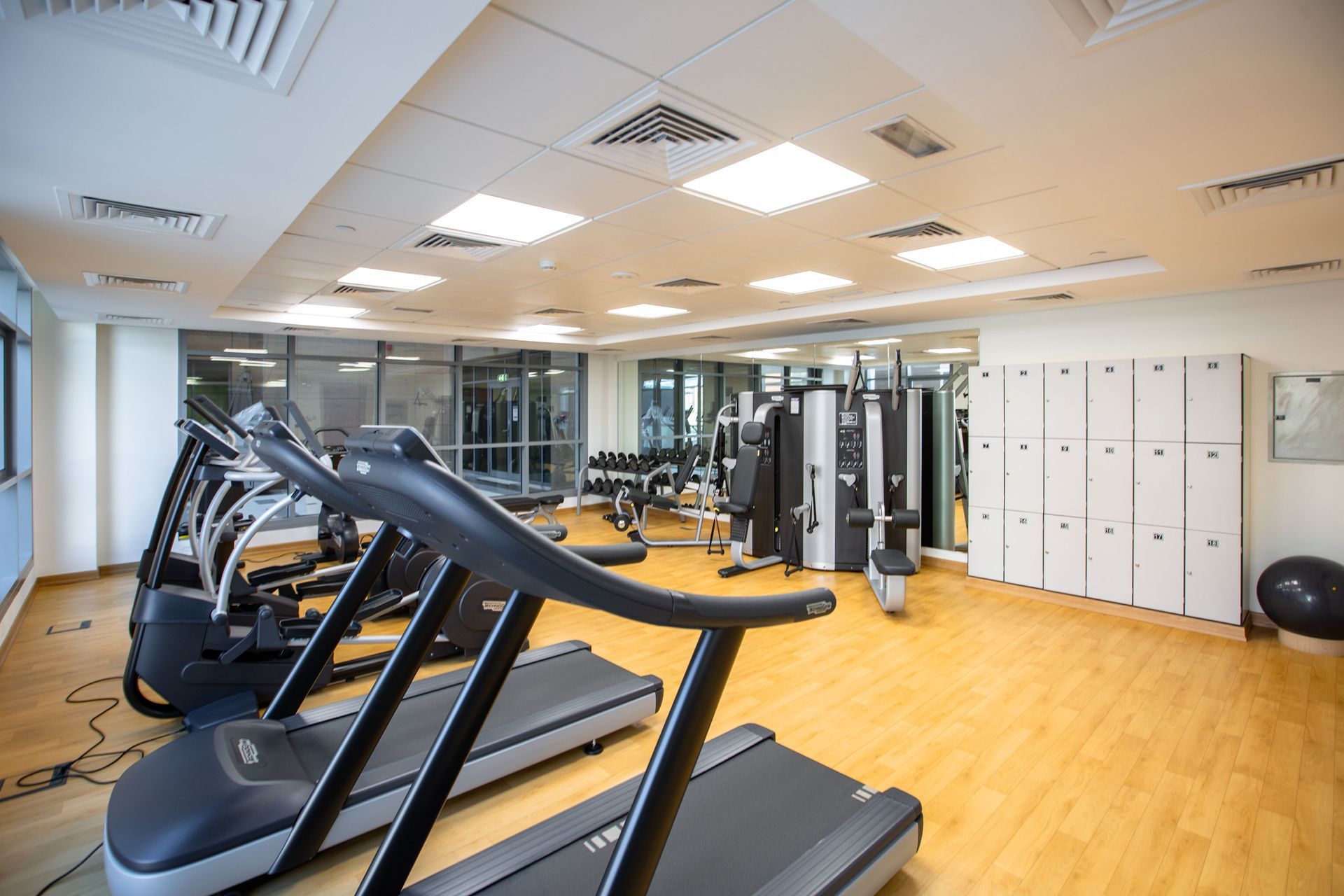
On install day, the first goal is always placement. This is where many facilities make mistakes if they buy equipment online without layout support. Commercial equipment cannot just be dropped anywhere. You need proper spacing, clear walkways, safe training zones, and correct orientation of machines. Cardio equipment should be positioned in a way that makes the space feel open and inviting. Strength equipment needs to be placed based on safety, range of motion, and user flow. Functional training space needs enough open area for movement. If you place machines too close together, residents feel crowded. If you block access to certain equipment, it reduces usability. If you ignore spacing requirements, you increase risk of injury and complaints. Placement is not just about fitting everything into the room, it is about making the room work.
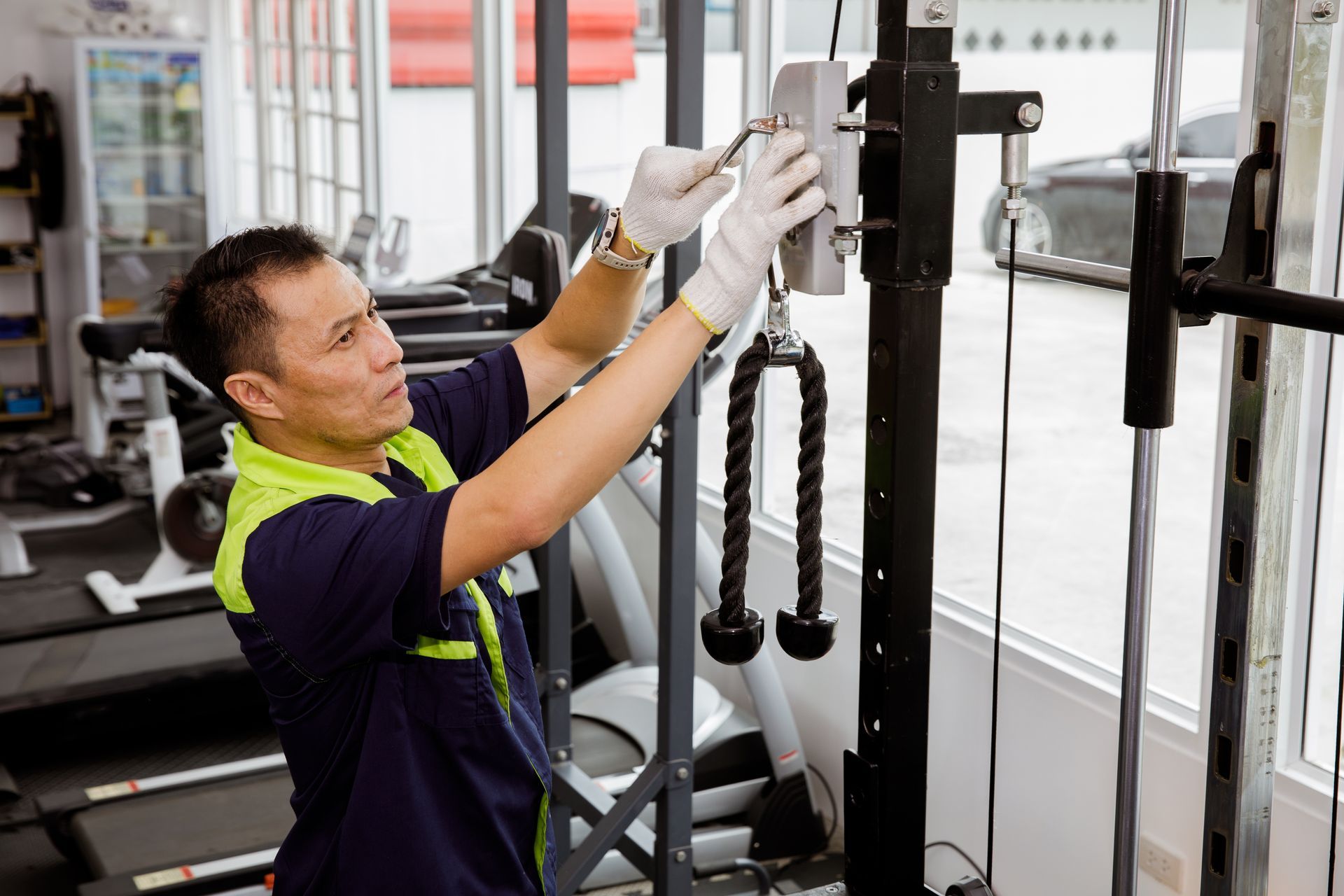
Once equipment is placed, assembly begins. Assembly is where commercial fitness equipment becomes significantly different from residential equipment. Commercial treadmills, ellipticals, bikes, cable stations, and strength machines have heavier components, more durable construction, and often more complex mechanical systems. Proper assembly requires experience. Parts need to be tightened correctly, cables need proper tension, and machines must be leveled for stability. When assembly is rushed or done incorrectly, machines may wobble, make noise, wear down faster, or even become unsafe. A professional commercial installation ensures equipment is built the way the manufacturer intended, which matters for performance and warranty coverage.
Cardio machines often require calibration and testing after assembly. A treadmill belt needs to be aligned and tensioned properly so it tracks smoothly. If the belt alignment is off, the machine can wear unevenly and fail sooner. Bikes and ellipticals need stability checks so they feel solid during use. Consoles need setup and configuration. If the machines have built in programs or connectivity features, those may need to be tested as well. This is also where power and electrical planning comes into play. Many facilities underestimate how many outlets they need or how the equipment will be powered. A well planned install avoids messy cords and ensures machines are powered safely and cleanly.
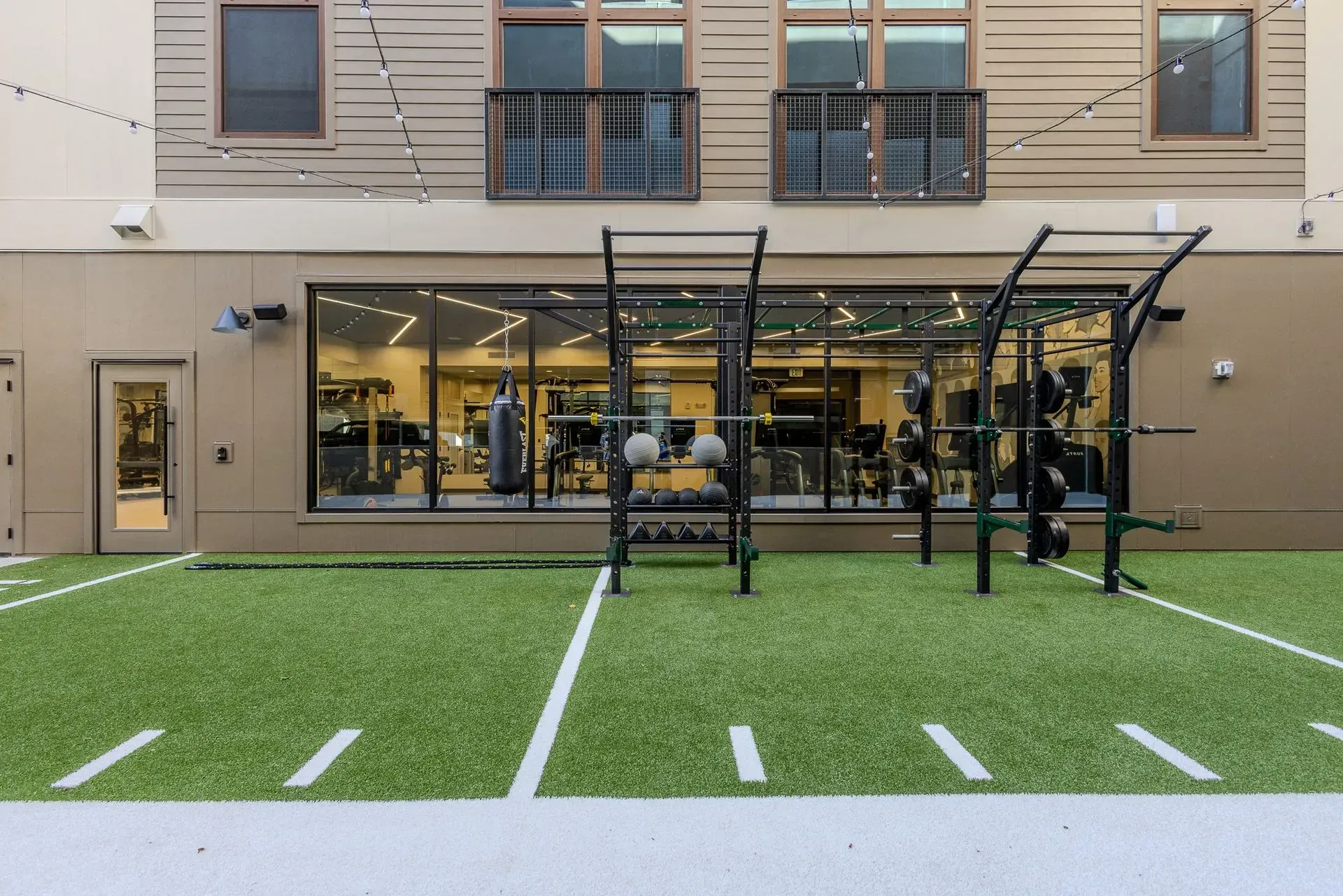
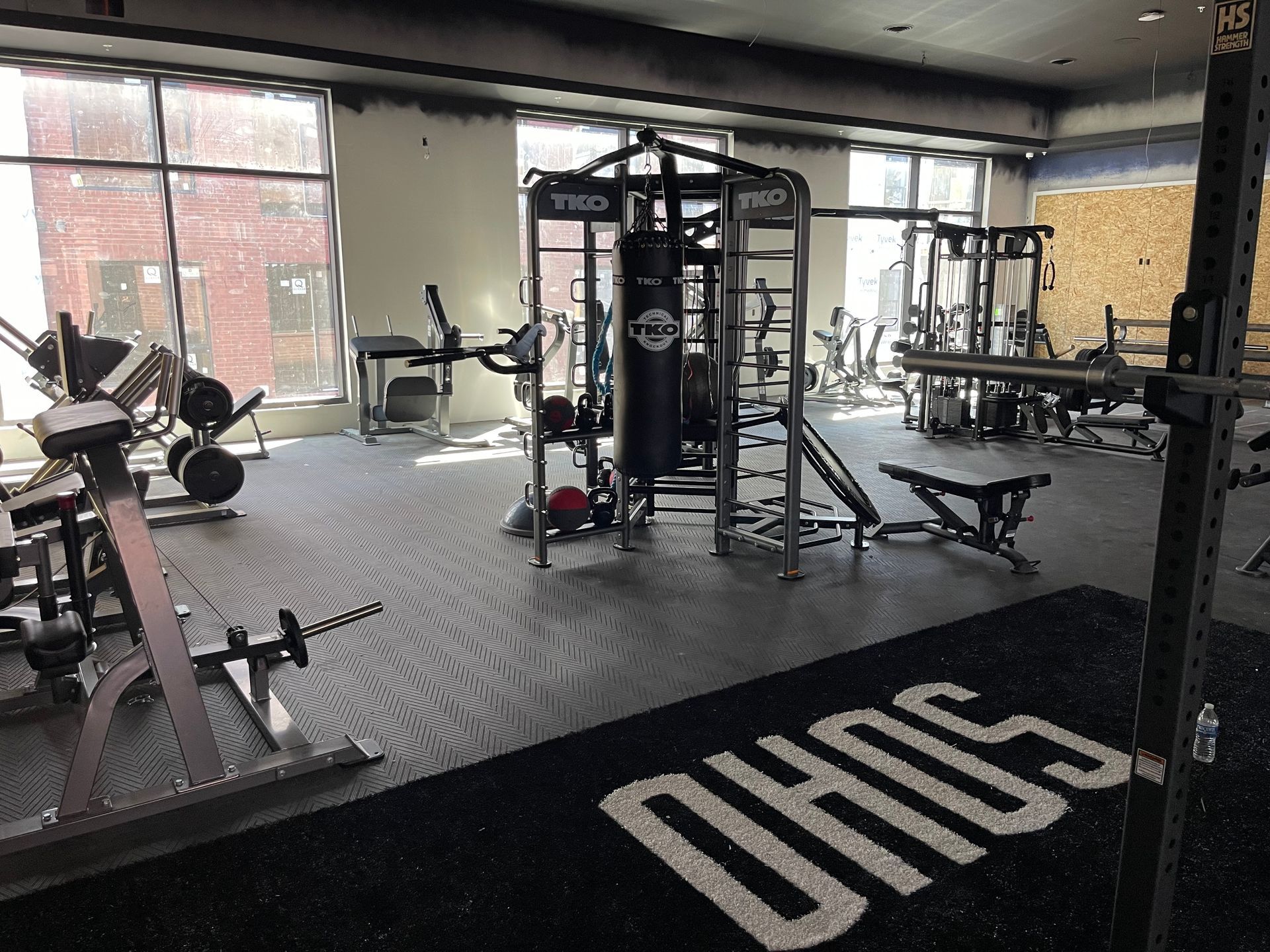
Flooring is another critical part of installation that can make or break the long term experience. Fitness equipment needs proper surfaces underneath it. If your gym has hard floors without protective material, vibration and noise can become a major issue, especially in apartments or multi story buildings. Free weight zones should have flooring that protects the subfloor, reduces sound, and supports durability. Cardio equipment should sit on stable surfaces to prevent shifting and rocking. Flooring also impacts how easy it is to clean the space, which matters for facilities that want to keep the gym looking professional and well maintained. If you want your gym to feel premium and low maintenance, flooring is part of the install plan, not something to figure out afterward.
Another important part of install day is safety inspection. After equipment is assembled and placed, everything should be tested and verified. Machines should feel stable, bolts should be tightened, moving parts should operate correctly, and cables should run smoothly. For treadmills, that includes ensuring the belt runs straight, stops properly, and responds correctly to controls. For strength machines, that includes verifying the selector pin works cleanly, the cables move properly, and all pivots feel smooth. For racks and benches, stability and anchoring considerations matter. This is not just about checking boxes, it is about ensuring the equipment can handle real usage without issues.
A strong installation also includes cleanup and disposal. This is another step people forget. Equipment packaging is not minor. You may have piles of cardboard, pallets, plastic wrap, foam protection, and crates. A professional install crew typically handles removal of packaging so the gym is not left looking like a warehouse. If you are launching a new gym or reopening after upgrades, having the room clean and ready matters. If residents walk in and see packaging debris, it immediately reduces the excitement of the new equipment.
After installation is complete, the best commercial equipment providers do a final walkthrough with you. They should confirm that all equipment is functioning correctly, review basic usage if needed, and explain what maintenance steps should be followed going forward. This is where many facility managers feel a huge sense of relief because they know they are not on their own. They have a partner who understands what was installed, how it should operate, and how to service it if something goes wrong.
One of the best things you can do to protect your investment is ask about preventative maintenance right after installation. Commercial gym equipment is not something you want to ignore until it breaks. Regular inspections, adjustments, and cleaning keep machines running longer and reduce downtime. Preventative maintenance is especially important for treadmills because belts and decks need attention, and it is important for strength equipment because cables and pulleys require ongoing checks. A facility that stays ahead of maintenance saves money long term and creates a better experience for users.
If you are preparing for install day, there are a few simple ways to make the process smoother. Make sure the room is clear and ready. Confirm access and delivery paths. Ensure power planning is complete. Confirm the installation timeline and who will be on site. If you have tenants, staff, or residents nearby, communicate that installation will be happening so there are no surprises. The more prepared you are, the more smoothly the day will go.
At the end of the day, commercial gym equipment installation is not something you want to leave to chance. The goal is not just to get equipment into a room, the goal is to set up a fitness space that feels professional, safe, and easy to manage. When equipment is installed correctly, it performs better, lasts longer, and creates a better user experience. When equipment is installed poorly, it creates noise, downtime, service issues, and frustration. That is why finding a trusted local partner for commercial fitness equipment installation is so important, especially for facilities that want reliable long term results.
If you are planning a new facility or upgrading an existing gym, EcoFit Solutions can help coordinate equipment delivery, installation, and setup so your space is ready for use the right way. From layout planning to professional assembly and ongoing service support, the goal is to make install day smooth and set your facility up for success long after the equipment is in place.