

St. Louis School Weight Room Design: Equipment Every Athletic Program Should Prioritize
Building or upgrading a school weight room is one of the most valuable investments an athletic program can make. Whether it is a middle school, high school, college, or private training academy, the weight room plays a direct role in performance, injury prevention, and athlete development. It also plays a role in school culture. A strong weight room sends a message that the program is serious about training, serious about safety, and serious about giving athletes the tools they need to succeed. That is why so many athletic directors, coaches, and facility managers search for school weight room equipment, commercial gym equipment for schools, and weight room design for athletic programs. The goal is not just to buy equipment, it is to build a training environment that works for real athletes and real schedules.
School weight rooms are different from commercial gyms in a few important ways. First, usage is often concentrated. Equipment gets used heavily during specific times of day, like before school, after school, during team lifting blocks, and during off season training. This creates high traffic periods where many athletes need to work quickly and safely in the same space. Second, the user base includes different experience levels. Some athletes have lifted for years. Some are brand new and need guidance. Third, the environment requires stronger durability and safety planning. Athletes move fast, they lift heavy, and they often push equipment to its limits. That means school weight rooms must be built with equipment that can handle high volume and high intensity use without constant breakdowns.
When designing a school weight room, one of the first decisions is the purpose of the space. Some schools want a general strength and conditioning room that serves all sports. Others want a dedicated athletic performance space for football, basketball, baseball, soccer, and other competitive programs. Some schools want the weight room to support athletes and general student fitness classes. The best equipment plan depends on that purpose. If the room is built only for one sport, equipment choices may lean into heavier strength training tools. If the room is built for multiple sports and general use, the equipment mix needs to be more balanced. Either way, a strong school weight room should prioritize training fundamentals that apply to every athlete.
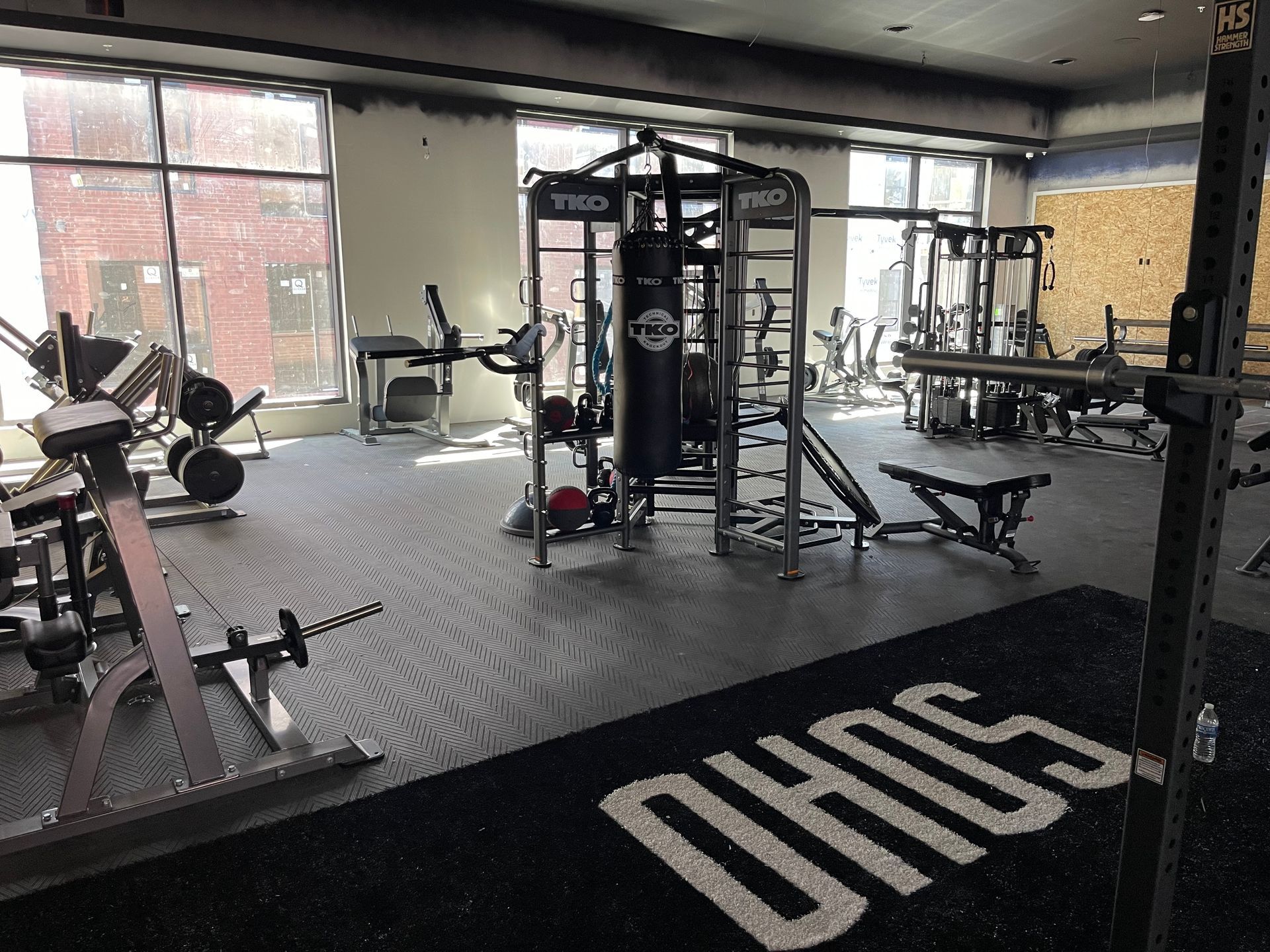
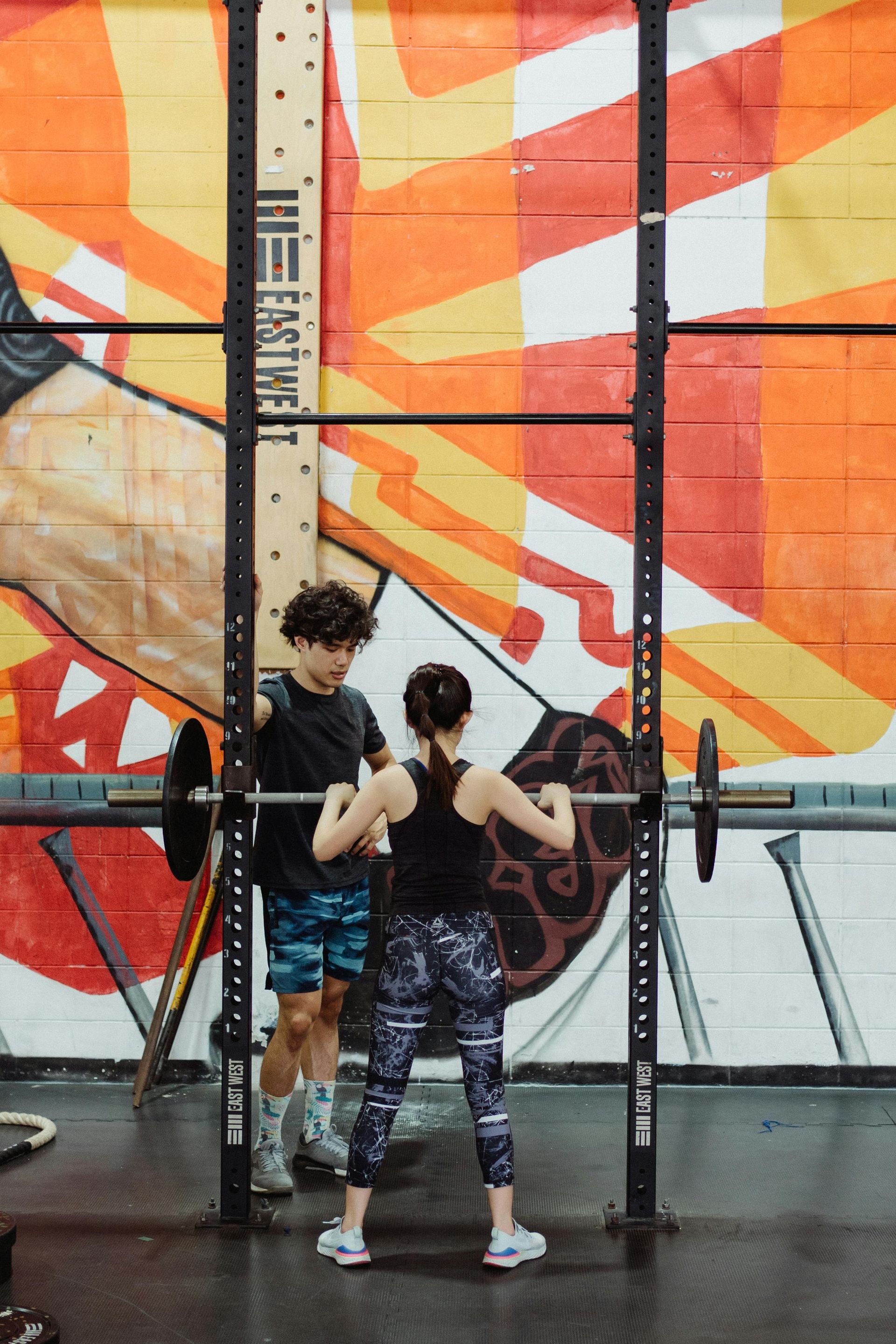
The foundation of nearly every school weight room is free weight training. Free weights matter because they build functional strength and support athletic movement patterns. But free weights must be planned carefully for safety and flow. The most important equipment pieces for school strength training typically include power racks, squat racks, benches, barbells, and weight plates. These are the tools that allow athletes to train core lifts that improve total body strength. A strong school weight room is built around the ability to train groups efficiently, so multiple racks and benches are often more useful than flashy single station machines. When the room supports multiple athletes lifting at the same time, it runs smoothly and coaches can manage sessions more effectively.
Alongside the rack and barbell area, the dumbbell section is another priority. Dumbbells are versatile and allow athletes to train strength and stability with a lower barrier to entry than heavy barbell lifting. Dumbbells support accessory movements that help prevent injury, build balance, and strengthen supporting muscle groups. A well designed dumbbell area should include organized storage and enough open space for athletes to lift safely without crowding each other. In school weight rooms, organization is not optional. Clutter leads to injuries and chaos. Good storage and clear layout keep athletes safe and keep the room functional even during peak training times.
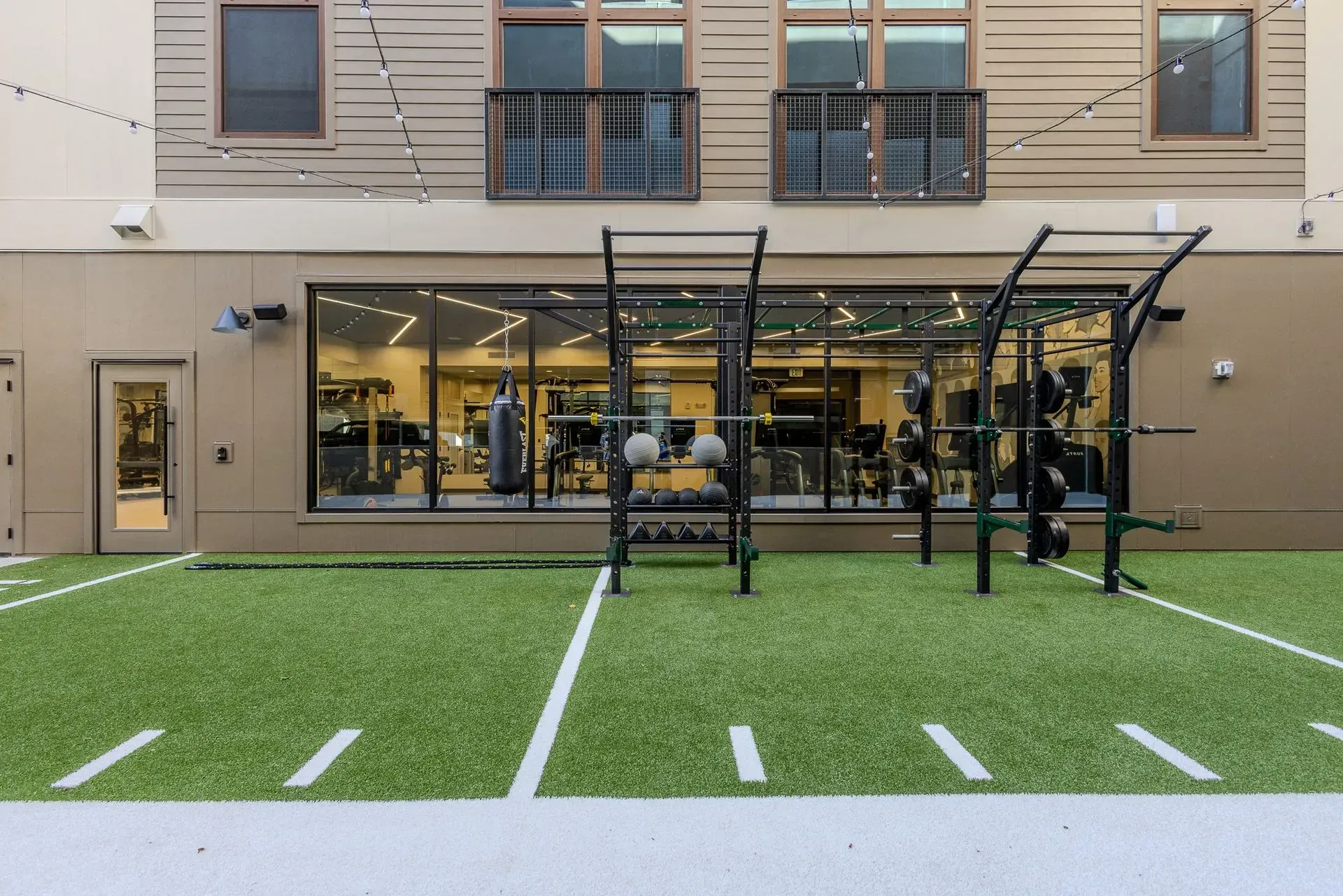
Functional training equipment has also become an important part of modern athletic programs. Athletic movement is not just bench press and squats. Athletes need explosive power, rotational strength, mobility, and conditioning. Functional tools like medicine balls, resistance bands, sleds, agility tools, and open floor space give coaches the ability to run training sessions that support real sports performance. The key is to include functional tools without turning the room into a cluttered storage mess. The best school weight rooms include designated zones where athletes can perform speed, movement, and conditioning work while other athletes lift in the strength zones. When zones are planned correctly, the room can support multiple training styles at once.
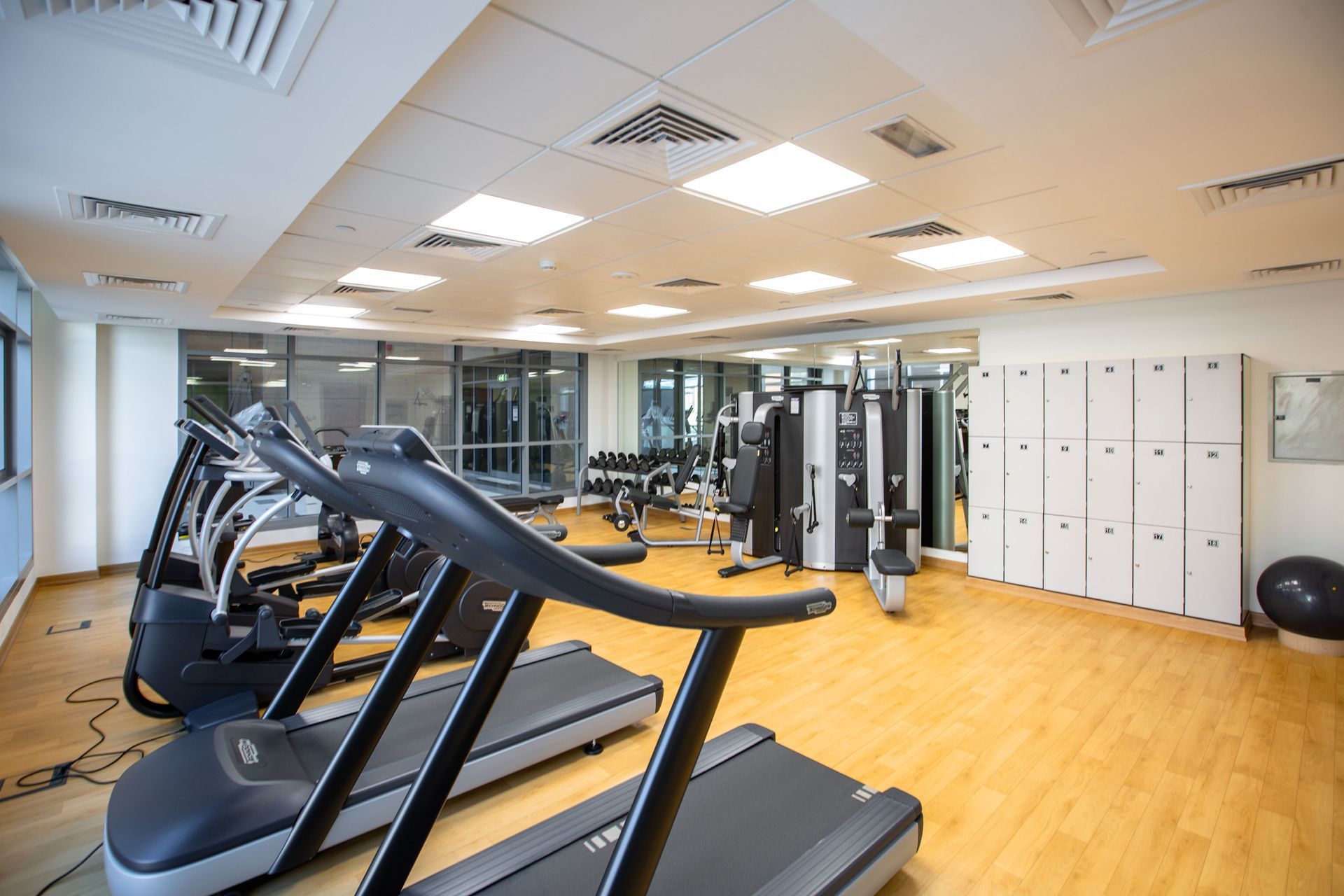
Cardio equipment in school weight rooms is a topic that depends on the program. Many athletic programs do not rely heavily on treadmills or bikes because conditioning can be done with sleds, sprint work, and sport specific drills. However, certain schools include cardio machines to support rehab, warmups, and off season conditioning. Some programs also include cardio machines because the weight room is used by general student groups. If cardio equipment is included, it should be durable commercial grade equipment that can handle repeated student use. It should also be placed in a way that does not interfere with the primary training flow of the athletic program.
One of the most overlooked parts of school weight room planning is flooring. Flooring is not just about appearance, it is about safety, noise control, and equipment protection. A school weight room needs durable flooring that can handle impact and repeated heavy use. Rubber flooring and strength training platforms help protect the building structure, protect equipment, and reduce sound. This matters especially in schools where the weight room sits near classrooms or shared spaces. Proper flooring also supports better cleaning and maintenance, which keeps the room looking professional and reduces long term facility issues. Flooring is a core part of the investment, not an afterthought.
Another major priority in school weight room design is safety and spacing. Athletes need clearance to lift safely. Coaches need visibility to supervise. Walkways need to stay open. Equipment should not be crammed wall to wall. A weight room that feels crowded leads to collisions, rushed lifting setups, and increased risk. Proper spacing around racks, benches, and dumbbell areas matters. It also matters in functional zones where athletes move quickly. The safest school weight rooms are the ones where flow is planned intentionally, not the ones that try to squeeze in every possible machine.
Strength machines can also play a role in school weight rooms, especially when they are selected strategically. Selectorized machines can help athletes build strength safely and support groups with mixed experience levels. They can also be helpful for rehab work and athletes returning from injury. Cable machines can provide versatile movement patterns that improve stability and control. That said, schools should be careful not to over invest in machines at the expense of racks and free weights. Machines can be valuable additions, but the core strength training equipment should come first.
The best approach is usually a balanced mix that supports both foundational strength training and accessory work.
Storage and organization are also priorities that determine whether a school weight room stays functional long term. Schools often build a strong gym, then slowly watch it decline because equipment is not stored correctly. Plates pile up. Bands disappear. Medicine balls get thrown into corners. This is where proper storage planning is worth the investment. Plate trees, dumbbell racks, accessory storage, and clear organization systems keep the room clean and safe. They also teach athletes accountability and respect for the space. A well organized weight room feels professional and stays usable year after year.
One of the biggest benefits of working with a commercial fitness equipment provider for a school weight room is guidance. A school weight room is not just a shopping list. It is a training environment. The equipment should match the size of the space, the number of athletes, the training style of the coaches, and the sports being supported. A provider can help build a plan that fits the real needs of the program, rather than guessing or buying randomly. They can also help with layout, delivery, and installation so the project runs smoothly. That matters because school equipment deliveries are large and require coordination, especially when buildings have limited access points or strict timing windows.
Installation is another area where professional support matters. Commercial strength equipment needs to be installed correctly. Racks may need anchoring. Machines need proper assembly. Platforms need correct placement. Everything should be leveled and tested before athletes use it. Coaches should be able to trust that the equipment is safe and stable. Professional installation reduces risk and ensures the equipment performs correctly from day one. It also helps schools avoid warranty issues that can happen if equipment is installed improperly.
Preventative maintenance is also a major factor for school weight rooms. School equipment gets used heavily and often aggressively. Bolts loosen. Components wear. Cables and pulleys require inspection. Benches need upkeep. Routine checks keep the equipment safe and reduce long term repair costs. A maintenance plan is not something schools always think about initially, but it becomes extremely valuable over time. The goal is to avoid major downtime and prevent safety risks by catching problems early.
A great school weight room is not the one with the most equipment. It is the one that supports training efficiently, safely, and consistently. It should allow teams to lift in groups. It should support multiple sports. It should include space for movement and conditioning. It should be organized and clean. It should include durable commercial grade equipment that can handle the demands of athlete use. When the weight room is built correctly, it becomes one of the most important assets the athletic program has.
If you are planning a new school weight room or upgrading your current facility, EcoFit Solutions can help you choose the right commercial strength equipment and plan a layout that supports your athletes, coaches, and long term goals. From equipment recommendations and layout planning to delivery, installation, and long term support, the goal is to build a weight room that performs as hard as your athletes do.