

What St. Louis Gyms Should Repair or Replace Before January
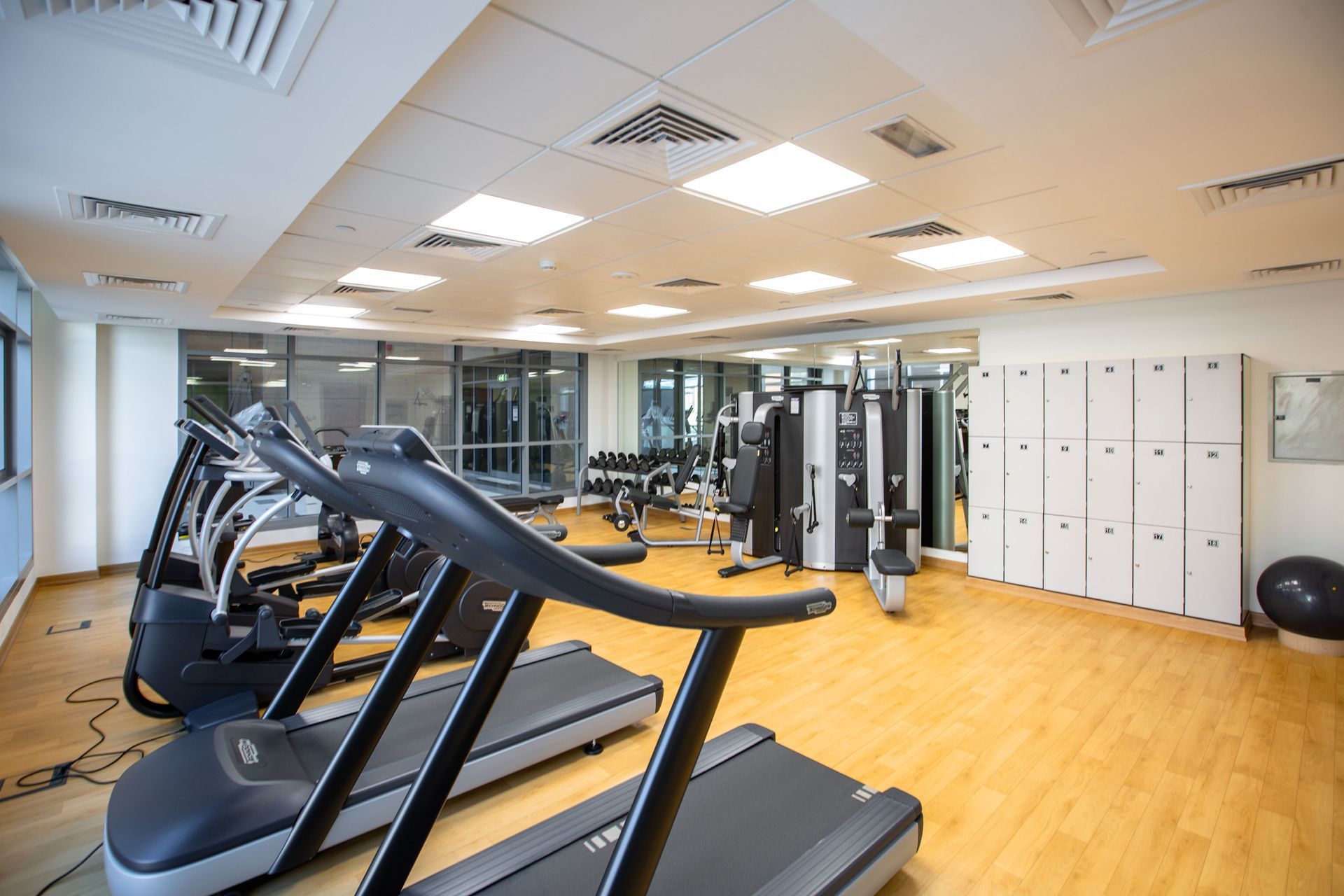
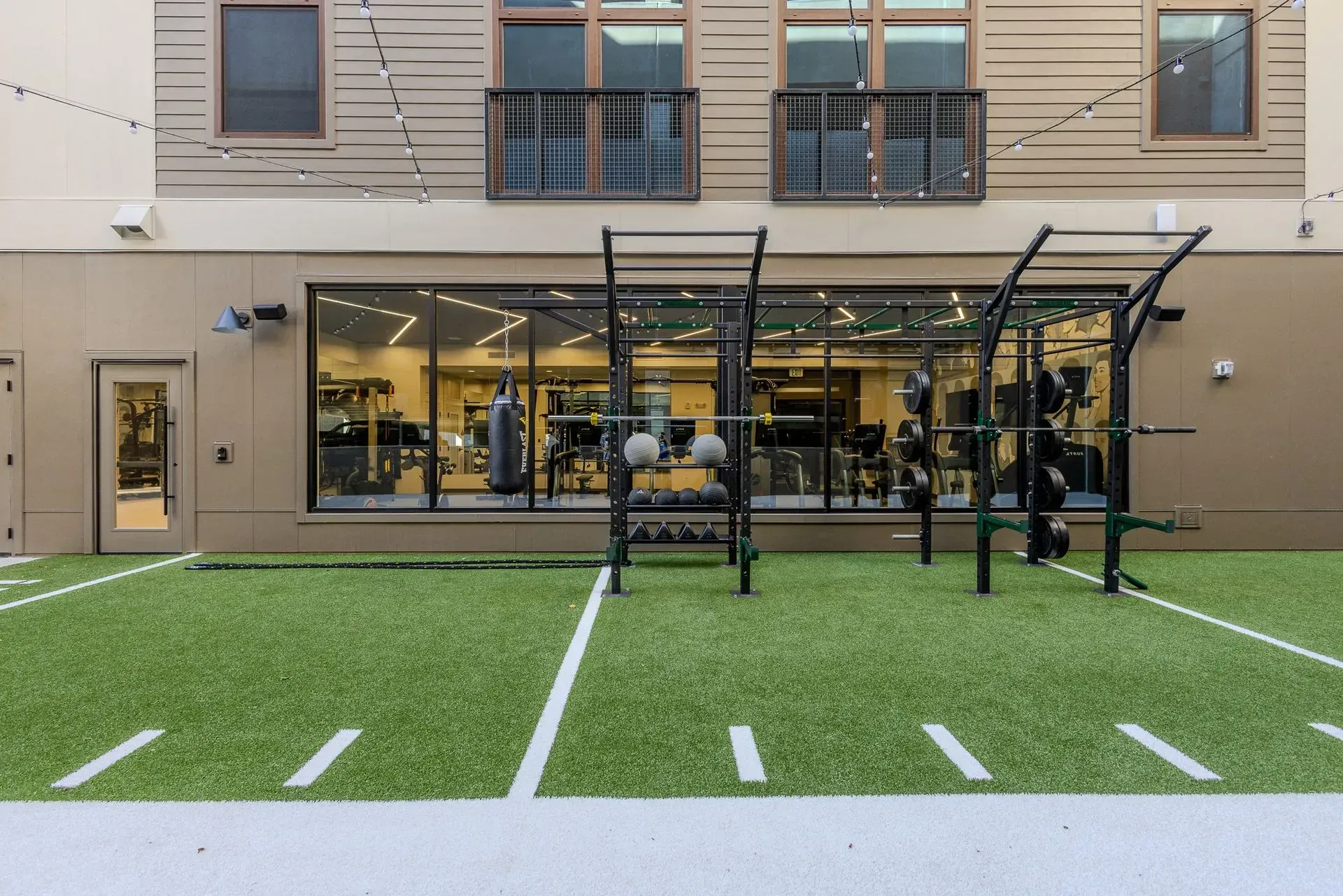
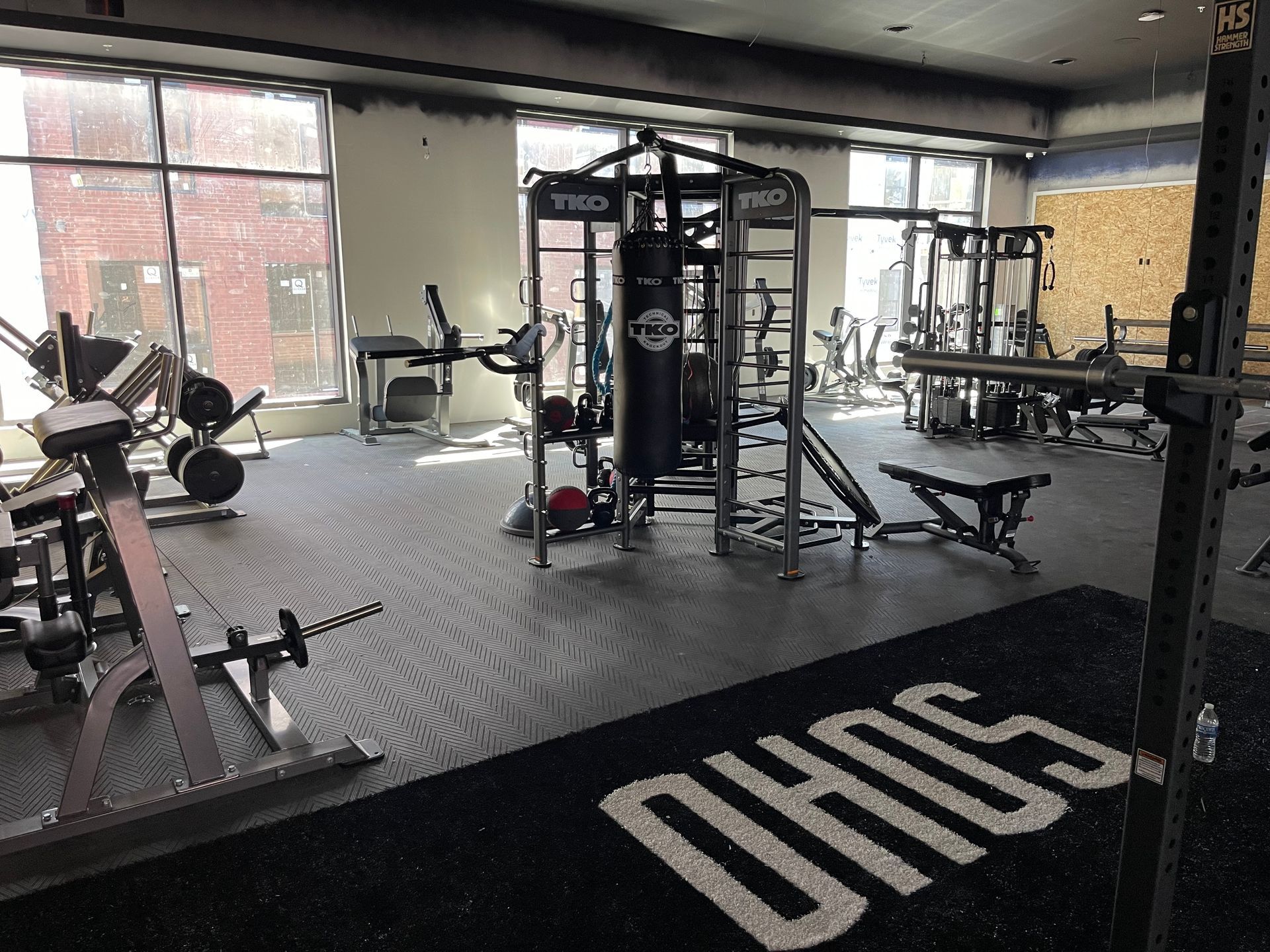
January is the busiest month on most gym floors, and it's also when weak equipment finally gives out. The treadmill that's been slipping since September or the bike with an intermittent console error becomes the machine with an "out of order" sign during your first week of new-member sign-ups. If you're deciding whether to repair or replace gym equipment before the rush, October is the month to make that call.
Waiting until December leaves very little room to act. Here's how to use the next few weeks to sort your floor, prioritize the right work, and walk into January with every machine earning its spot.
Why October Is the Real Deadline for January
Most of the work that keeps a floor reliable takes lead time. Replacement parts may need to be ordered, service visits need to be scheduled, and new equipment involves selection, delivery, and installation. None of that moves faster in December, when other facilities are trying to do the same thing.
October also gives you something January won't: a floor quiet enough to take a machine down for a few hours without anyone noticing. A preventative maintenance visit now is a small inconvenience. The same visit in mid-January means pulling a machine your members are lined up for.
Sort Your Floor Into Three Groups
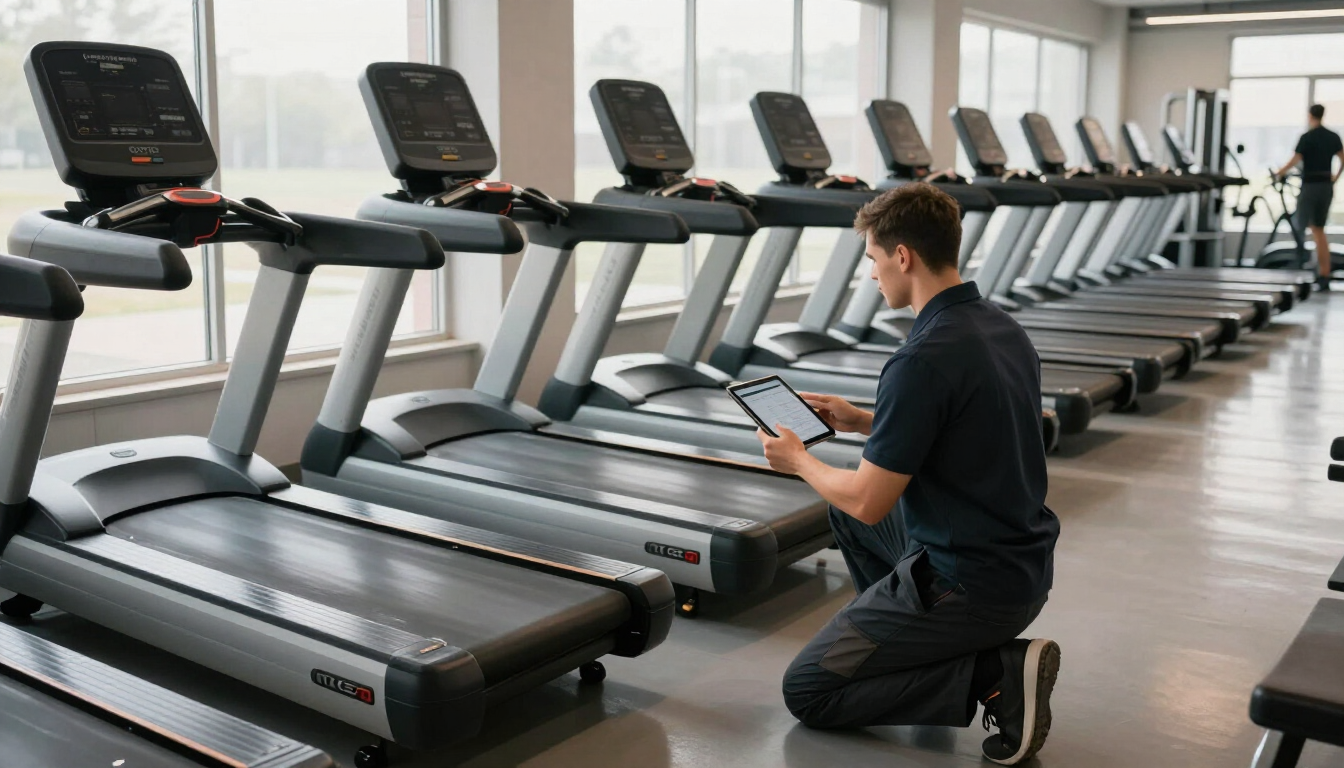
Before you decide anything, walk your floor with a notepad or tablet and put every machine into one of three groups. This turns a vague sense that "some things need attention" into a list you can act on and budget for.
| Group | What it looks like | What to do in October |
|---|---|---|
| Repair now | Intermittent faults, error codes that clear on restart, a belt that hesitates under load, frayed or noisy cables, adjustments that won't lock. | Tag it out if it's unsafe, get it diagnosed, and order any parts now. |
| Service now | Runs normally but is past its maintenance interval, has developed a new noise, or hasn't had its belt and deck looked at in months. | Schedule preventative maintenance before the floor gets busy. |
| Plan replacement | Repeat repairs on the same machine, parts that are hard to source, or condition that no longer matches what members expect. | Get a repair-vs-replace recommendation and decide whether to replace before January or budget for spring. |
Most floors have a few machines in each group. The goal is to know which is which before the calendar decides for you.
How to Decide Whether to Repair or Replace Gym Equipment
The machines in the third group are where most owners get stuck. A repair is a smaller check today, but a replacement might be the better use of money over the next few years. These are the factors worth weighing.
Repair history
One repair is normal wear. Several repairs on the same unit within a year is a pattern. Look at what you've spent on a machine recently, not just the cost of the next fix.
Parts availability
Older models can become harder to support as parts get scarce. If a technician tells you parts are getting difficult to find, that changes the math even when today's repair is affordable.
Where the machine sits and how often it's used
A treadmill in the front row that runs all day carries more weight than a specialty machine members use once a week. Prioritize the equipment your members see first and use most.
Member-facing condition
Torn upholstery, faded consoles, and visible wear shape how members judge your gym, even when the machine works fine. Condition belongs in the decision alongside function.
What a breakdown costs in January
A repair that keeps a machine running through the first quarter is worth more in October than the same repair in July, because downtime costs the most when your floor is fullest. Factor in the cardio line members wait in and the reviews that mention broken machines.
For a broader look at how long different equipment types should hold up, see our guide to realistic commercial gym equipment lifespans.
What Your Staff Can Handle In-House This Month
Your team doesn't need to be technicians to help. These tasks are safe, useful, and make any service visit more efficient:
- Walk the floor with a log. Note every noise, error message, and member complaint by machine.
- Look at belts and decks for visible wear, like frayed edges or a belt that's drifted off center. Note it; don't adjust it.
- Check that pins, guards, and shrouds are in place on both strength and cardio equipment.
- Clean consoles, grips, and upholstery so wear and damage are easier to spot.
- Tag out anything unsafe. A clear "out of service" sign beats a member finding the problem mid-workout.
Leave anything inside a motor cover, console, or shroud to a professional. Electrical components, drive systems, and cable tension involve real injury risk, and improper work can void a warranty.
Where a Cost-Benefit Conversation Helps
This is where Eco Fit comes in. Our approach starts with cost-benefit analysis: we help you weigh whether a machine should be maintained, repaired, upgraded, or replaced based on what keeps your business profitable.
Our preventative maintenance service covers treadmills, ellipticals, bikes, rowers, steppers, climbers, and strength equipment, with technicians inspecting, lubricating, and fine-tuning components to catch problems early. When something has already failed, our equipment repair team diagnoses the issue and handles everything from minor fixes to replacement parts. Brands we service include Life Fitness, Hammer Strength, Cybex, SciFit, and Freemotion.
If replacement makes more sense, we can walk through equipment options and plan installation so new machines land on your floor before January instead of during it.
Book Your Pre-January Equipment Check
The weeks between now and Thanksgiving are the best time to get your St. Louis gym ready for the busiest stretch of the year. Email us at service@ecofitsolutions.com with a list of the machines giving you trouble, or submit a repair request and upload photos of the issue. You can also reach our team through our contact page. We're available Monday through Friday by appointment.