

Cable Machines and Selectorized Strength Equipment
Cardio equipment gets most of the maintenance attention because it has motors, screens, and error codes that announce a problem. Cable machines, functional trainers, and selectorized strength stations fail more quietly. A cable wears a little more each week, a weight stack starts to drag, and nobody notices until a member does.
For gym and studio owners, knowing the early warning signs is the difference between scheduling strength equipment repair on your terms and pulling a machine off the floor after something gives out mid-rep.
Why Strength Equipment Gets Overlooked
Strength machines don't beep. They keep working, more or less, even as cables fray, pulleys wear, and bolts loosen under thousands of repetitions. Staff walk past them all day without a reason to look closely.
The trouble is that these machines work under load and tension. When a cable or adjustment fails, it tends to fail suddenly, with a member attached to it. That makes the strength floor one of the places where a little routine attention pays off most.
Warning Signs That Call for Strength Equipment Repair
Use this table as a quick reference for your staff. The possible cause is a starting point, not a diagnosis, and anything marked "tag out today" should come off the floor the same day.
| Warning sign | Possible cause | Urgency |
|---|---|---|
| Visible fraying, kinks, bulges, or flattened spots on a cable | Cable wear or damage | Tag out today |
| Seat, back pad, or arm adjustment slips or won't lock | Worn or damaged adjustment hardware | Tag out today |
| Frame wobbles, creaks, or shifts during use | Loose frame bolts or hardware | Tag out today |
| Weight stack sticks, drags, or drops unevenly | Guide rod condition, alignment, or lubrication | Schedule service soon |
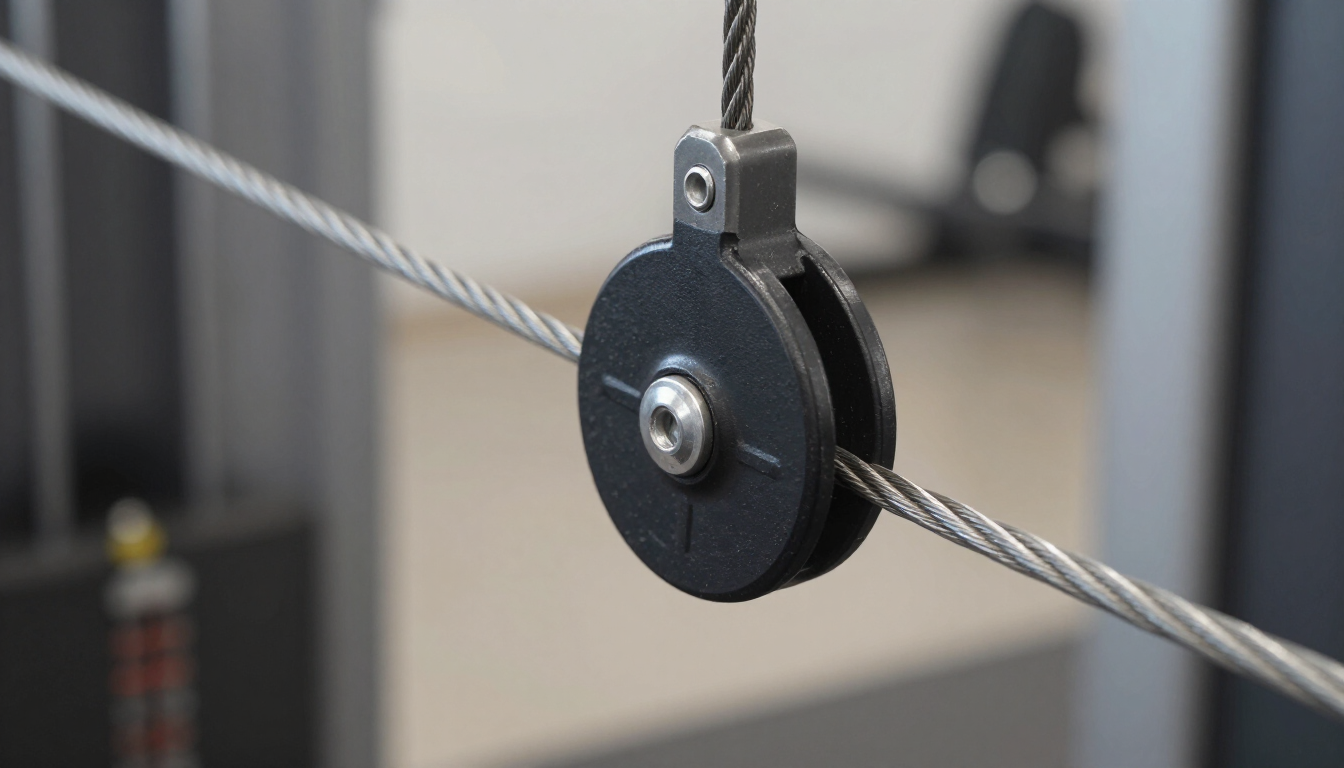
| Grinding, squeaking, or clicking from pulleys | Pulley wear or loose pulley hardware | Schedule service soon |
| Jerky feel or slack at the start of a rep | Cable tension or routing issue | Schedule service soon |
| Torn or cracked upholstery | Normal pad wear | Plan pad replacement |
| Missing or mismatched selector pin | Pin lost or swapped between machines | Replace with the correct pin |
If a cable shows visible fraying, take the machine out of service that day. Don't wait for the next scheduled maintenance visit.
What Your Staff Can Safely Check
Your team can catch a lot of problems early without touching anything mechanical. Build these into an opening or closing walkthrough:
- Look along the visible length of each cable for wear. Look only; don't handle the cable.
- Confirm every selector pin is present and is the correct pin for that machine.
- Test that seat and pad adjustments lock firmly before members use them.
- Check that shrouds, guards, and covers are in place.
- Wipe down upholstery and grips, and note any tears.
- Log unusual noises by machine and time of day so a technician has something to go on.
What staff should not do is adjust cable tension, remove shrouds, replace cables or pulleys, or work on a weight stack. These systems hold stored energy, and a mistake can injure the person doing the work or the next member on the machine. Improper repairs can also create warranty problems.
What Professional Strength Maintenance Covers
Strength equipment has its own place in our preventative maintenance program. During a visit, our technicians:
- Clean and lubricate adjustable seats, seat backs, and guide rods
- Tension cables and belts as needed
- Check and tighten frame bolts
- Tighten pulley bolts so pulleys function properly
- Inspect pads for wear, tears, and cracks
- Test each machine for smooth, safe operation
- Recommend replacement of any worn or unsafe parts
That last step matters most. Replacing a worn cable on a recommendation is cheaper, safer, and less disruptive than replacing it after it fails. When something does fail between visits, our equipment repair team handles it, with brands we service including Hammer Strength, Life Fitness, Cybex, and Freemotion.
Replace the Part or Replace the Machine?
Most strength repairs involve wear items. Cables, pulleys, pads, and adjustment hardware are meant to be replaced over a machine's life, and swapping them is usually far less disruptive than replacing the whole unit.
The math changes when the frame itself is damaged, when parts for an older model are hard to source, or when the same machine keeps coming back with new problems. In those cases a cost-benefit look at the whole unit makes sense. Our article on repairing fitness equipment vs. buying new walks through how to weigh it, and our team can give you a recommendation based on the specific machine on your floor.
Get Your Strength Floor Checked
If you've spotted any of these warning signs in your St. Louis gym, start with a photo. Submit a repair request and upload a picture of the cable, stack, or adjustment that's giving you trouble, or email us at service@ecofitsolutions.com with the machine and what you're seeing. If you'd rather have a full strength-floor check, reach us through our contact page and ask about adding strength equipment to your maintenance plan.