

Fitness Equipment Service Records for Schools and Universities: What to Track and Why
When a machine fails in a school or university weight room, the first question from an athletic director, business office, or administrator is usually some version of "When was it last serviced?" Without fitness equipment service records, that question is hard to answer, and so is the next one: "Why do we need money to replace it?"
Good records don't require special software. They require knowing what to track and who's responsible for tracking it.
Why Records Matter More in Institutional Facilities
Institutional fitness spaces involve more people than most gyms. Coaches, PE teachers, strength staff, facilities crews, and business offices all touch the equipment or the budget, and staff change from year to year. Records keep equipment knowledge from leaving when a coach does.
Records also make the budget cycle work. Procurement and capital requests need justification, and a documented repair history is far more persuasive than "it seems to break a lot."
If questions come up about liability, compliance, or insurance, your institution's legal counsel or risk manager is the right resource. Your role is to make sure the operational record exists and is accurate.
What to Track in Fitness Equipment Service Records
A complete record set has six parts. Most facilities already have some of them scattered across inboxes and clipboards; the goal is to put them in one place.
| Record | What it includes | How it's used |
|---|---|---|
| Equipment inventory | Type, brand, model, serial number, location, install year | Foundation for every other record and for capital planning |
| Preventative maintenance visits | Date, machines serviced, work performed, issues found | Shows equipment is maintained on a schedule |
| Repair tickets | Date reported, problem, who reported it, repair performed, cost | Reveals repeat problems and supports replacement requests |
| Tag-out and return-to-service log | When a machine came off the floor, why, and when it went back | Documents that unsafe equipment was taken out of use |
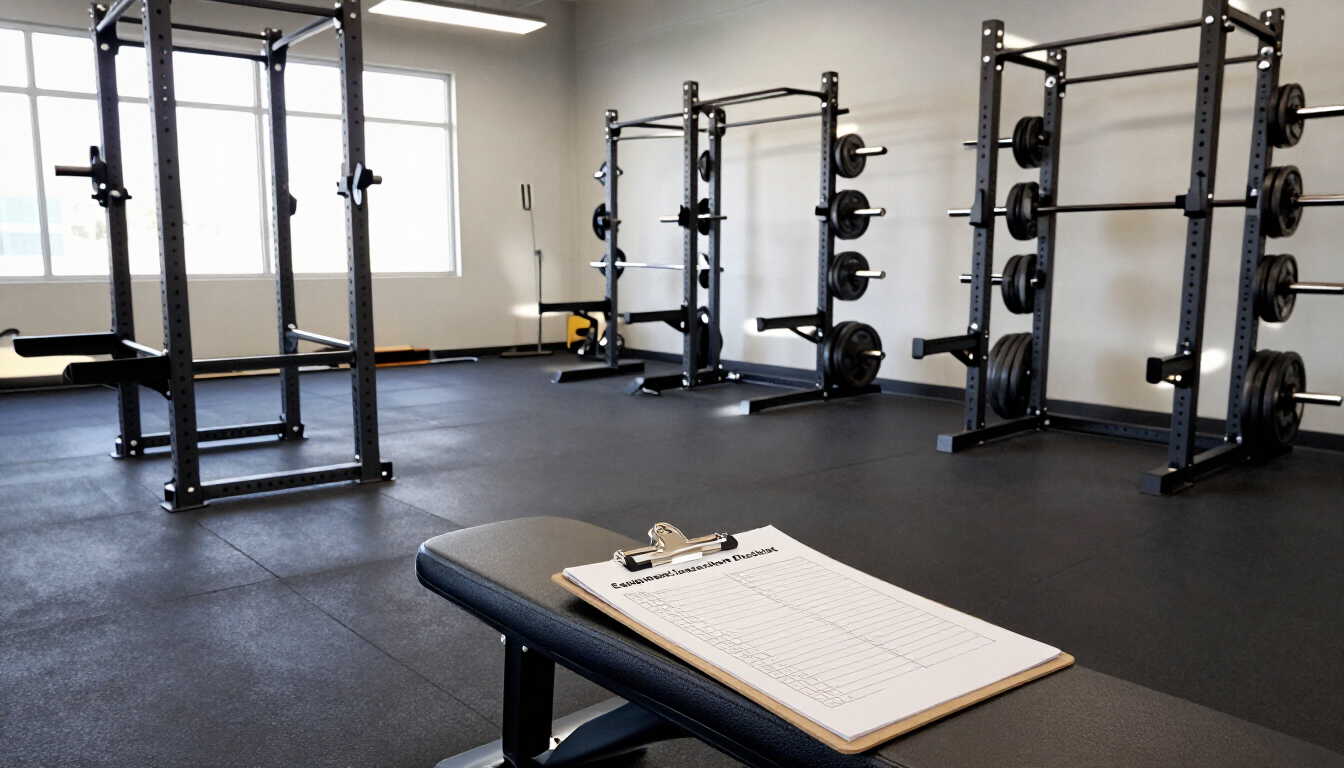
| Staff inspection checklist | Routine visual checks by coaches or staff | Catches problems between service visits |
| Replacement recommendations | Technician notes on worn or unsafe parts and machines | Builds the case for next year's budget |
The most useful record is the one that actually gets kept. A simple shared spreadsheet that's updated every week beats a detailed system nobody opens.
Build a Simple Tag-Out Process
Every institutional facility needs a clear, consistent way to take equipment out of service. It protects students and creates a record of what happened. A basic process looks like this:
- Stop use of the machine as soon as a problem is noticed.
- Attach a visible "out of service" tag with the date, the issue, and the name of the person who tagged it.
- Follow your facility's procedures for securing the machine so it can't be used.
- Record the tag-out in the log and notify whoever schedules repairs.
- Return the machine to service only after the repair is completed and documented.
Staff should never try to repair the equipment themselves. Cable systems, motors, and electrical components involve real injury risk and belong with a qualified technician.
Assign One Owner for the Log
Records fall apart when everyone assumes someone else is updating them. Assign one person, often the strength coach, athletic director, or facilities lead, as the owner of the equipment log. Other staff report issues to that person or through a shared form.
For high school programs, the log works best alongside routine cleaning and inspection habits. Our guide on keeping high school weight room equipment clean, safe, and ready covers what daily upkeep can look like.
Turn Records Into Budget Requests
After a season or two of consistent records, patterns emerge that make budget planning far easier:
- A machine with repeat repair tickets becomes a documented replacement request.
- Heavy-use equipment may need more frequent service. Our article on how often to service commercial gym equipment explains how usage affects intervals.
- Repair costs by year give your business office a realistic baseline for next year's reserve.
- Technician recommendations show administrators you planned ahead instead of reacting.
How Eco Fit Supports Schools and Universities
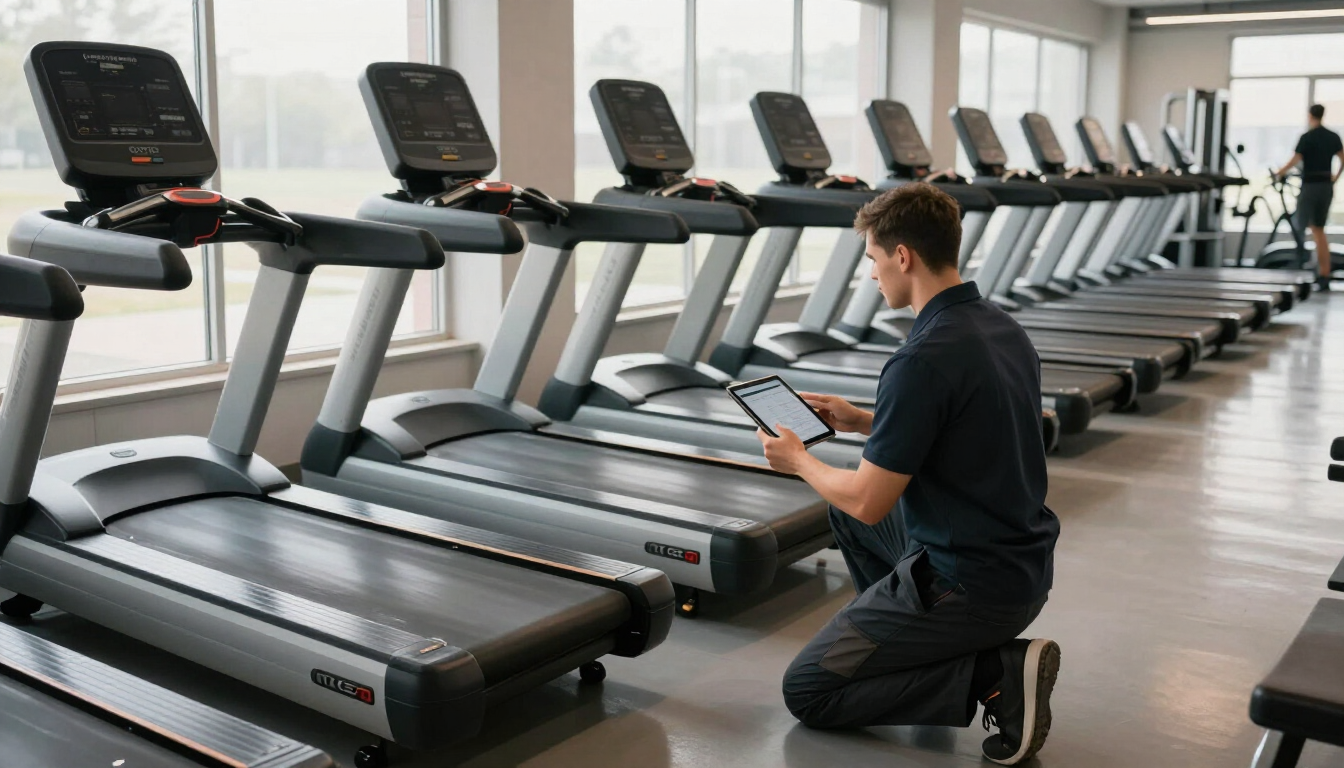
Eco Fit is a certified women-owned business based in St. Louis, and schools are one of the core facility types we serve. Our preventative maintenance program covers both cardio and strength equipment, with technicians inspecting, lubricating, and testing each machine and recommending replacement of worn or unsafe parts. When something breaks between visits, our equipment repair team diagnoses the problem and gets it back in service.
Whoever services your equipment, ask that each visit be documented in a way you can add to your log. That record is what turns maintenance into something your administration can see.
Get Your Records Started
If your St. Louis area school or university is heading into winter sports season with an equipment history that lives in someone's memory, now is a good time to change that. Email us at service@ecofitsolutions.com to schedule preventative maintenance for your weight room or fitness center, or reach our team through our contact page. We're available Monday through Friday by appointment.