

Why Commercial-Grade Equipment Matters in a High-Traffic School Environment

School fitness spaces take a beating. Between PE classes, athletic teams, strength programs, summer training, after-school use, and daily student traffic, equipment in a school weight room is used again and again by a wide range of students. That makes the equipment decision more important than many schools realize.
It can be tempting to save money upfront by choosing cheaper equipment or home-gym products. At first glance, it may seem like a simple way to stretch the budget. A rack looks like a rack. A bench looks like a bench. A treadmill looks like a treadmill. But in a high-traffic school environment, the difference between residential equipment and commercial-grade equipment becomes clear quickly.
School weight rooms need equipment that is built for constant use. They need durability, safety, serviceability, and long-term performance. They need pieces that can handle different body types, different experience levels, repeated adjustments, and heavy daily wear. When equipment is not built for that environment, schools often end up dealing with repairs, replacements, downtime, and frustration much sooner than expected.
Commercial-grade equipment matters because schools are not light-use environments.
A home gym may be used by a small group of people a few times a week. A school weight room may see full classes, multiple sports teams, and different training groups in the same day. Students may move quickly between stations. Benches may be adjusted repeatedly. Cable machines may be used by beginners and experienced athletes back to back. Cardio equipment may run throughout the day. Flooring, racks, plates, bars, and machines all have to hold up under this constant demand.
That level of use changes everything.
Durability is the most obvious reason commercial-grade equipment matters. Equipment in a school needs stronger frames, better components, and materials that are designed for repeated use. Cheaper equipment may look fine when it is first installed, but the problems usually show up after the room has been used consistently. Pads wear down. Cables stretch or fray. Adjustment points become loose. Frames feel unstable. Moving parts break down. Once that starts happening, the school is no longer saving money. It is managing problems.
Safety is another major factor. Schools are responsible for students, and the weight room needs to support a safe training environment. Commercial-grade equipment is designed for more demanding use and typically offers better stability, stronger construction, and smoother function. That matters when students are learning proper technique, adjusting equipment, and moving through a busy room.
In a school environment, equipment should not feel flimsy. Benches should feel stable. Racks should feel secure. Machines should move smoothly. Storage should keep weights organized and off the floor. When equipment feels reliable, teachers and coaches can focus on instruction instead of worrying about whether the room can handle the activity.
Commercial-grade equipment also creates a better experience for students. A school weight room should feel like a place where students can take fitness seriously. When the equipment is durable, organized, and appropriate for the space, students notice. Athletes feel like they have a real training environment. PE students feel like the school has invested in their health and development. Staff feel more confident using the room because it supports the way they teach and coach.
The right equipment can also make the room more inclusive. A high-quality school fitness space should support beginners, experienced athletes, and everyone in between. That may mean selecting equipment with easy adjustments, clear functionality, and enough variety to support different training levels. Commercial-grade does not mean the room has to be intimidating. It means the equipment is built to handle real use while giving students a better and safer experience.
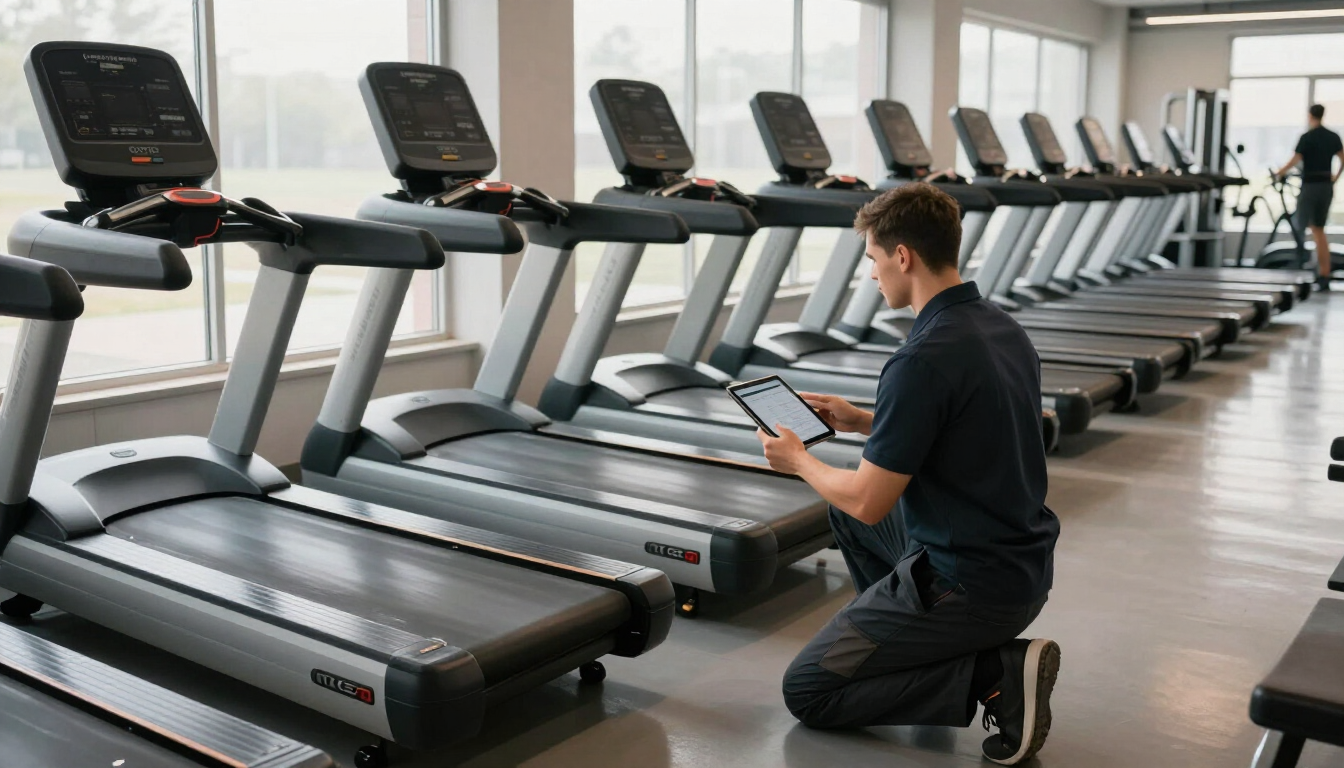
Maintenance is another reason commercial-grade equipment is important. Every fitness space needs ongoing care, but better equipment is usually easier to maintain and service over time. In a school setting, downtime matters. If a key machine breaks, a rack becomes unusable, or cardio equipment is constantly out of order, it disrupts classes and training programs. Schools need equipment that can be maintained properly, repaired when needed, and kept in service longer.
Cheap equipment often creates hidden costs. The upfront price may be lower, but the total cost can become much higher when repairs, replacements, and downtime are factored in. If a school has to replace equipment sooner than expected, the budget takes another hit. If staff have to stop using certain pieces because they are not reliable, the room loses value. If students avoid equipment because it feels worn out or uncomfortable, the investment is not working as intended.
Commercial-grade equipment helps schools think long term. A weight room is not just a purchase. It is a facility investment. The goal should be to create a space that can serve students for years, not just look good for a short period of time after installation. That requires choosing equipment based on real use, not just price.
This is where planning becomes critical. Schools should not choose equipment from a catalog without first thinking through how the room will be used. How many students will be in the space at once? What age groups will use the room? Which sports teams will train there? Will the room support PE classes, athletic performance, general fitness, or all of those needs? How much supervision will be available? What type of flooring is in place? How much space is available for safe movement?
The answers to those questions should guide the equipment plan.
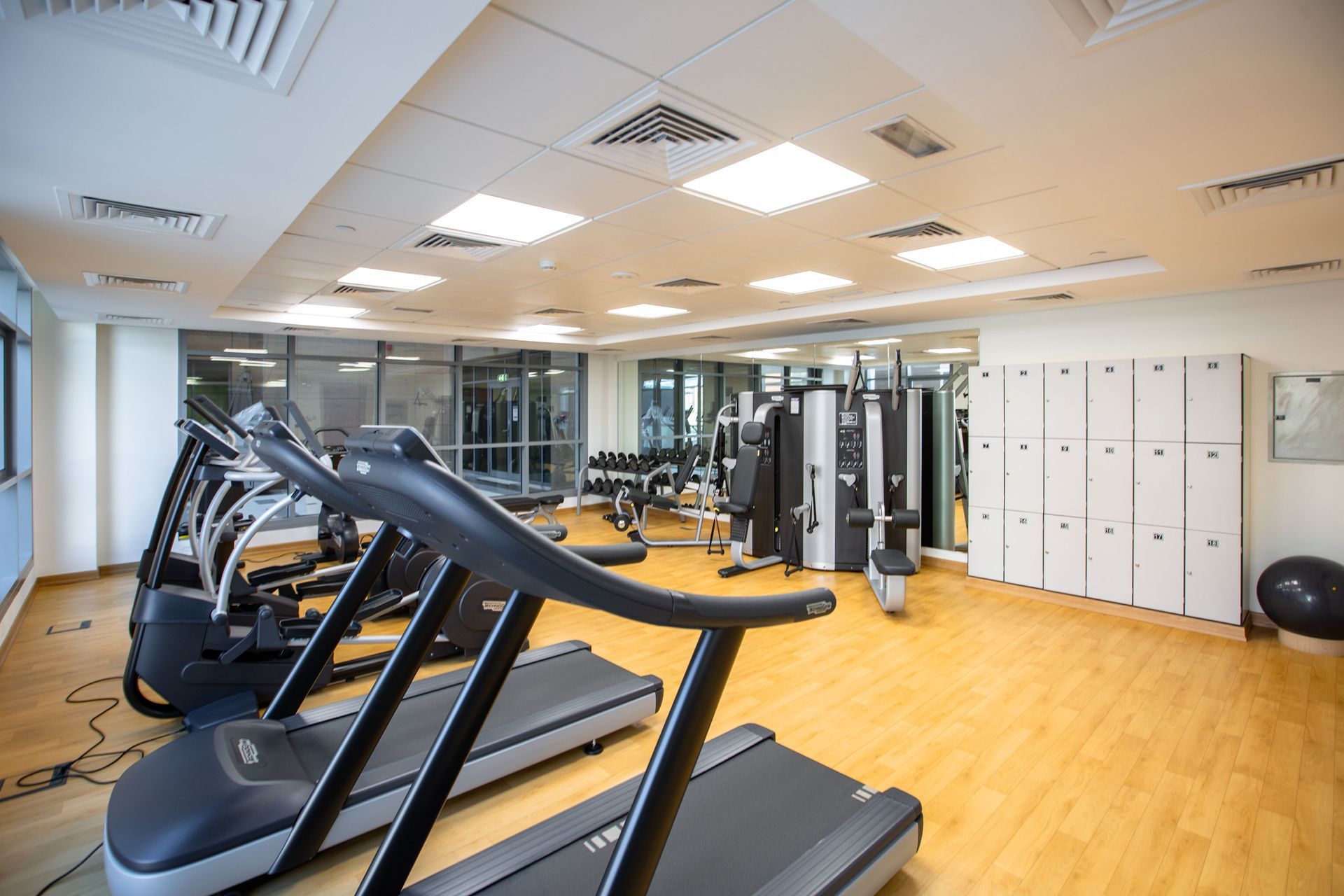
For example, a room used heavily by athletic teams may need more racks, platforms, benches, free weights, and storage. A room used mainly for PE classes may need a more balanced mix of strength, cardio, functional training, and open space. A school trying to serve both groups may need a thoughtful combination that keeps the room flexible without overcrowding it. Commercial-grade equipment gives schools more options because it is designed to support demanding use across different training styles.
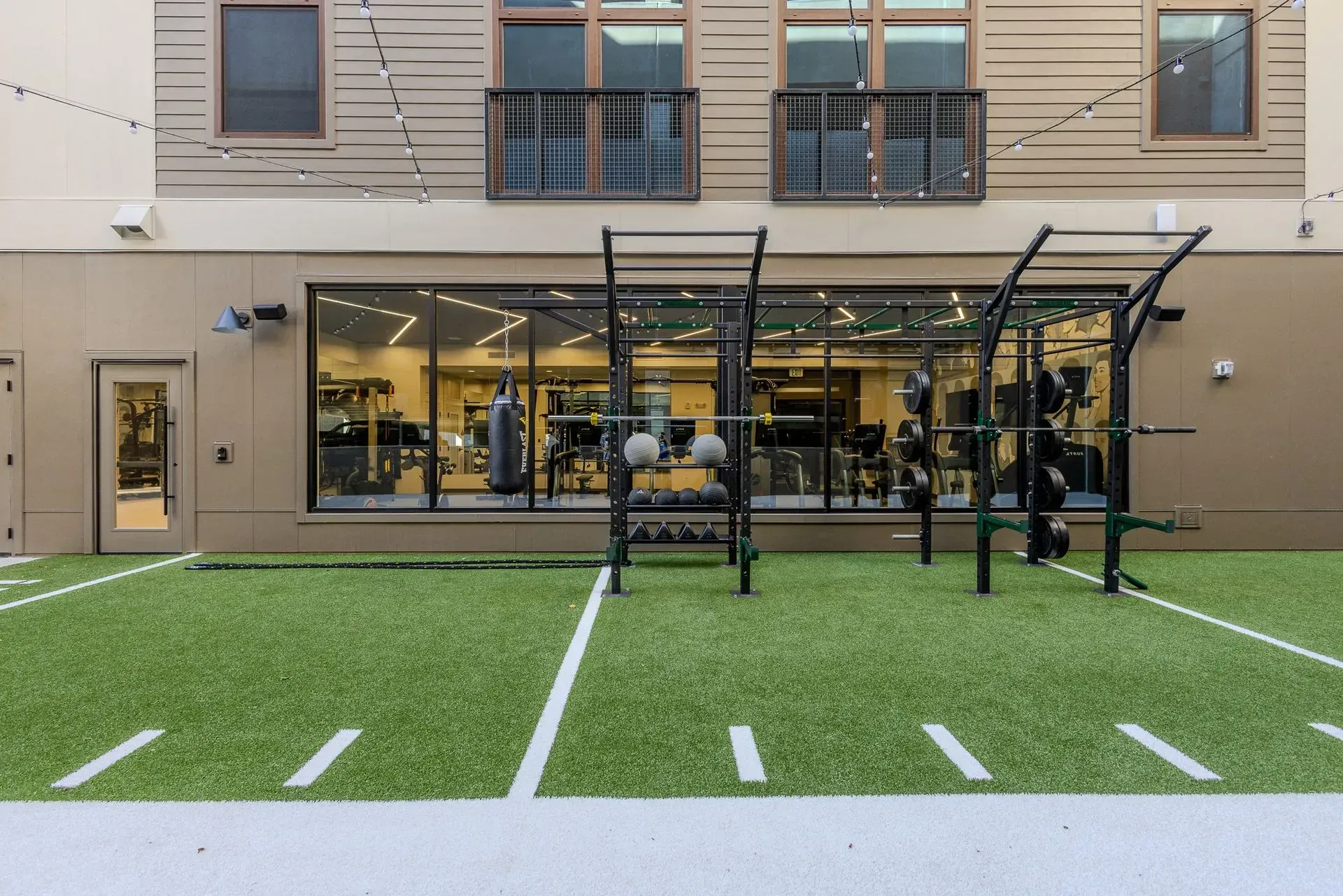
Flooring should also be considered with the equipment. Heavy racks, free weights, and athletic training areas require flooring that can handle impact and traffic. Cardio areas may have different needs. Open movement spaces may require a different surface approach. When equipment and flooring are planned together, the room functions better and the school avoids mismatched decisions.
EcoFit Solutions helps schools look at the full picture. That includes selecting the right equipment, planning the layout, choosing flooring, handling installation, and supporting the space with maintenance and repair. Instead of pushing schools toward equipment that simply fills the room, EcoFit helps create fitness environments that match the school’s actual needs.
That guidance matters because many schools do not update weight rooms very often. When they do, they need to make decisions that will hold up. Administrators may be balancing budget concerns, coach requests, safety requirements, and student needs all at once. A professional partner can help organize those priorities and turn them into a practical plan.
Commercial-grade equipment is not about buying the most expensive option. It is about buying the right option for the environment. In a high-traffic school setting, the right option is usually the equipment that can handle repeated use, support safe training, and continue performing over time.
A well-equipped school weight room can become a major asset. It can support stronger PE programming, better athletic development, improved student engagement, and a more professional training environment. But that only happens when the equipment is built for the job.
If your school is planning a new fitness space or replacing outdated equipment, EcoFit Solutions can help you make decisions that fit your room, your students, and your long-term goals. With the right commercial-grade equipment, proper layout, durable flooring, and ongoing support, your school weight room can become a space that works harder, lasts longer, and serves students better every day.