

How to Design a Weight Room That Works for PE Classes and Athletics
A school weight room has to do more than look impressive. It has to work for students, coaches, teachers, athletes, and administrators. It needs to support structured PE classes during the school day, strength training for athletic teams before or after school, and sometimes open training periods for different groups throughout the year. That makes school weight room design very different from designing a private gym, home gym, or traditional commercial fitness center.
When a weight room is built around only athletics, it can quickly become intimidating or impractical for PE classes. When it is built only for general student fitness, it may not give athletes the tools they need to train safely and effectively. The best school weight rooms find the right balance. They create a space that feels organized, safe, durable, and flexible enough to serve multiple programs without forcing staff to constantly rearrange equipment or work around poor layout decisions.
That is why planning matters so much. A successful school weight room starts with understanding how the space will actually be used every day.
A strong school weight room design should begin with the users. PE students may need simple, approachable equipment that supports movement, strength basics, conditioning, and general fitness. Athletes may need racks, platforms, benches, dumbbells, cable stations, storage, and open training zones. Coaches may need visibility across the room so they can supervise multiple athletes at once. Teachers may need a layout that allows instruction, demonstration, and group movement without bottlenecks.
These needs are different, but they can work together when the space is planned correctly.
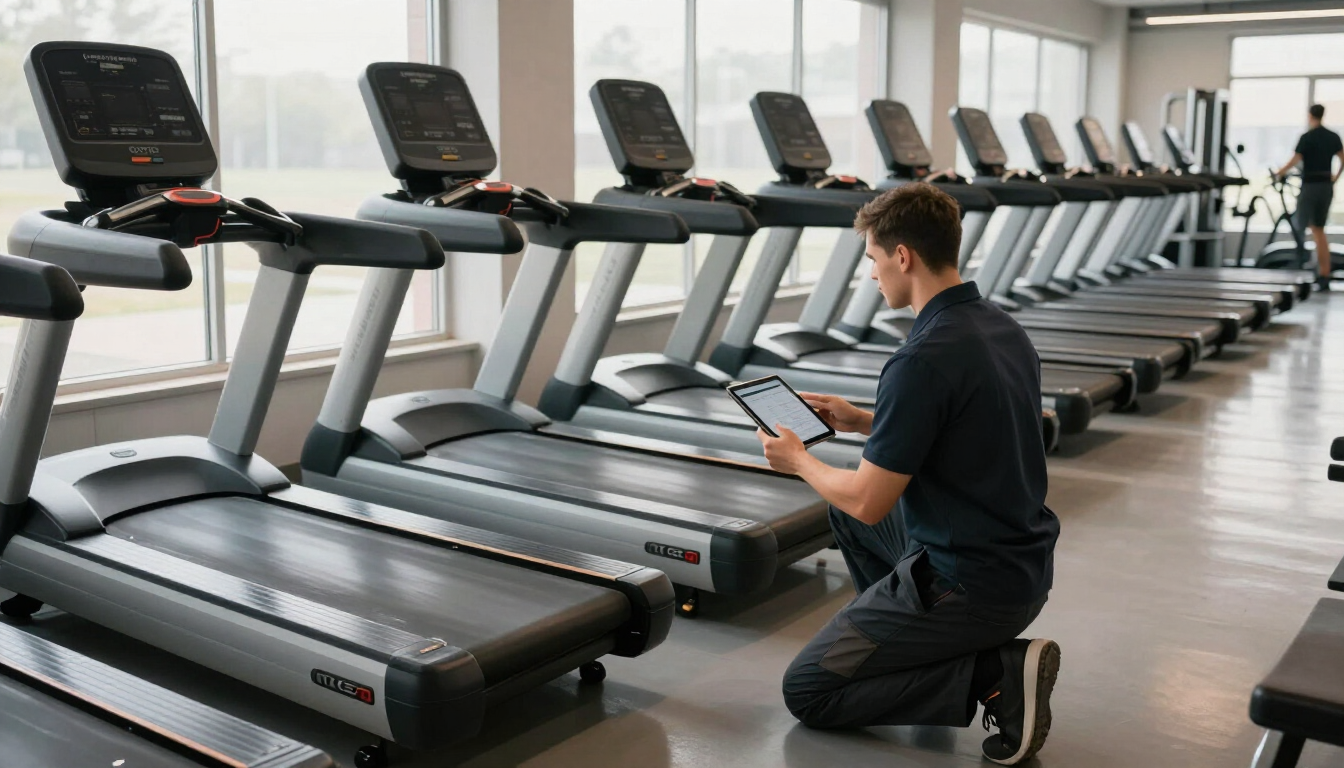
The first step is thinking through traffic flow. A school weight room should be easy to move through, even when a full class or team is using the space. Students should not have to walk through active lifting areas to grab dumbbells. Athletes should not have to cross in front of cardio equipment to get to racks. Teachers should not have blind spots where students are difficult to supervise. Every pathway should feel intentional.
This is especially important in schools because the room may be used by students with very different experience levels. Some students may be lifting for the first time. Others may be varsity athletes who already understand training structure. A smart layout helps both groups use the room safely. Clear zones make the space easier to teach, easier to manage, and easier to maintain.
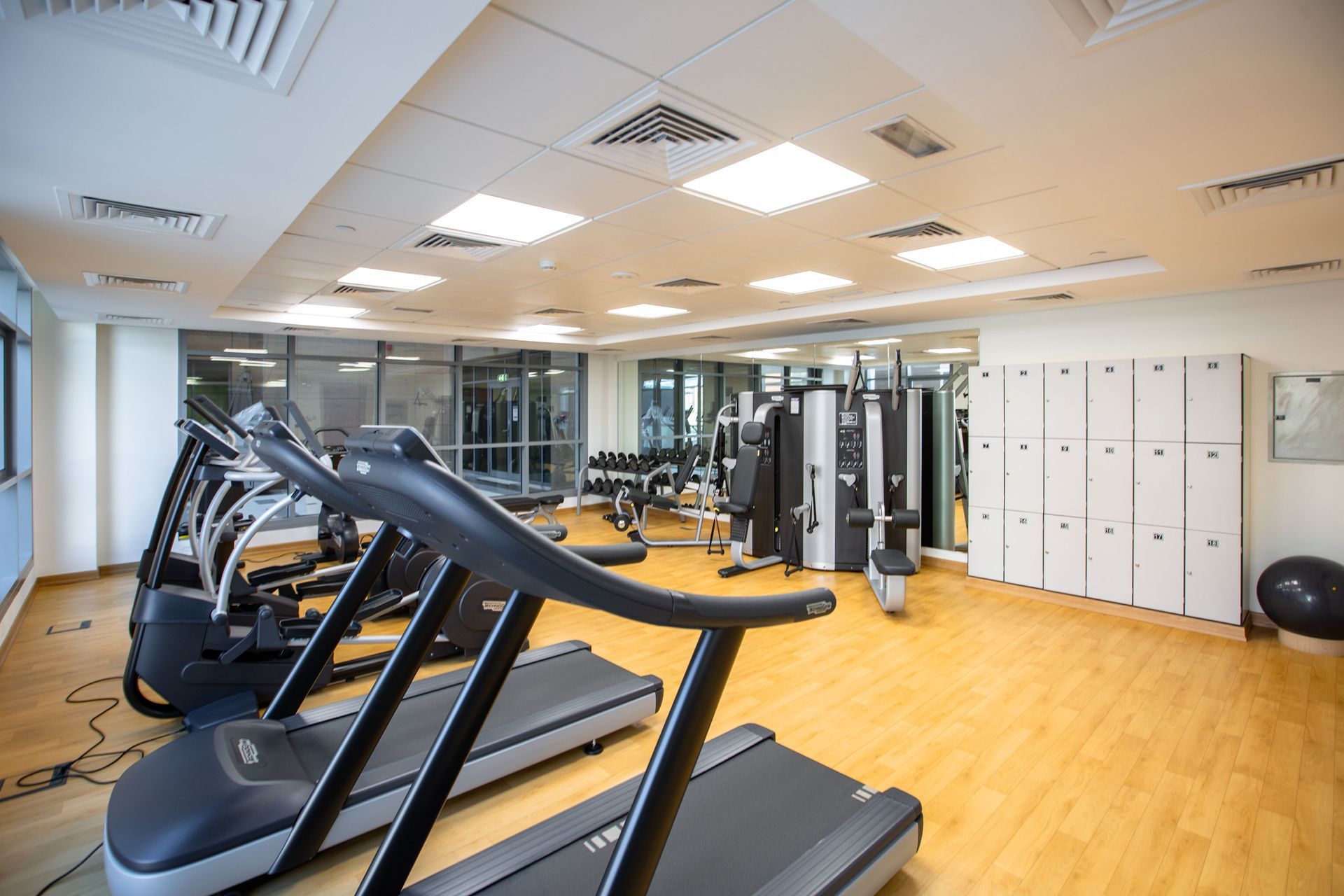
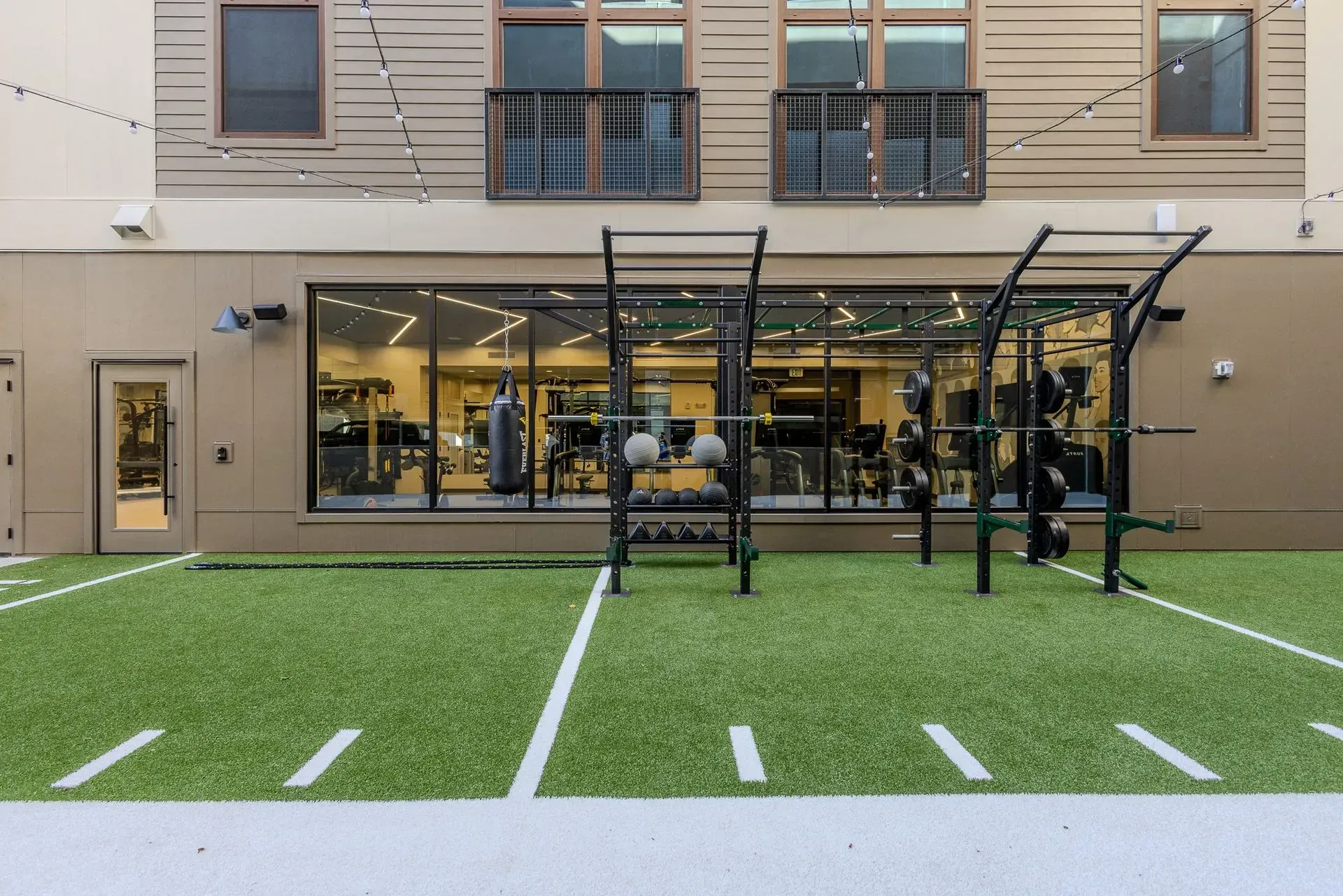
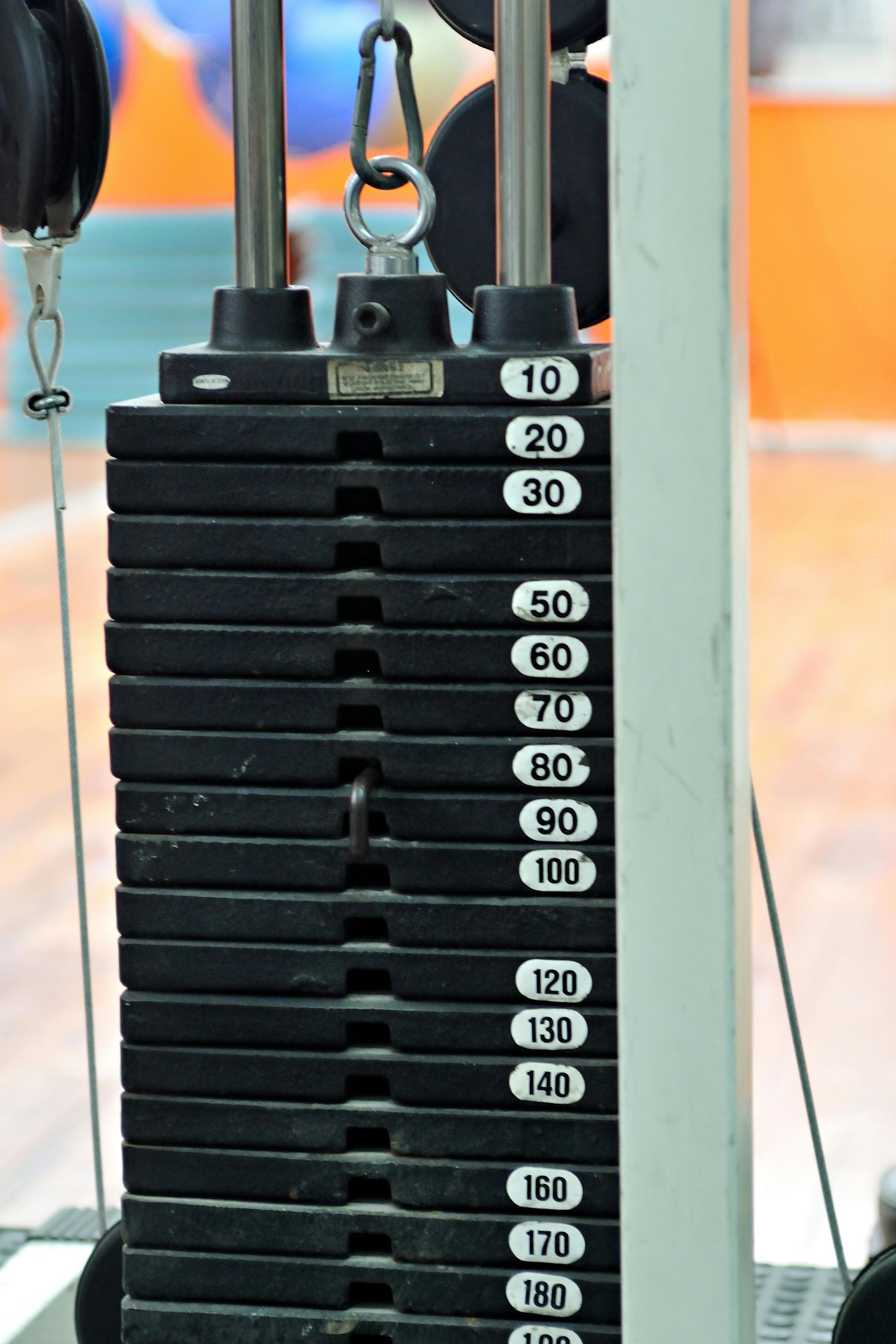
A good school weight room usually includes a mix of strength training, functional movement, storage, and open space. Strength equipment may include racks, benches, free weights, selectorized machines, and cable systems. Functional areas may support bodyweight movements, stretching, mobility work, agility drills, and conditioning. Open floor space is easy to overlook, but it is one of the most important parts of a dual-use room. Without enough open space, PE classes can feel crowded and athletic teams may struggle to run warmups, cooldowns, and movement-based training.
Equipment selection should also match the school’s goals. Not every school needs the same setup. A high school with large athletic programs may need a more advanced strength training environment. A middle school may need equipment that focuses more on movement education, basic strength, and safe introduction to fitness. A smaller private school may need a flexible space that can serve many types of users throughout the day. The right plan depends on the school, the space, the programs, and the staff managing the room.
Commercial-grade equipment is especially important in this environment. School weight rooms see a lot of use, and equipment needs to hold up under repeated daily activity. PE classes, sports teams, summer programs, and after-school training can put a serious demand on the space. Equipment that is not built for that kind of volume may wear out faster, require more repairs, or create frustration for staff. Choosing durable equipment from the beginning helps protect the investment and keeps the room functioning better over time.
Safety should be built into the design from the start. That means proper spacing around racks, benches, cable units, and free weight areas. It means choosing equipment that matches the age, skill level, and training goals of the students. It also means creating a room where coaches and teachers can clearly see what is happening. A weight room should never feel like a maze. Visibility matters, especially when staff are responsible for supervising a full group.
Flooring is another major part of school weight room design. The flooring needs to support heavy equipment, dropped weights, repeated foot traffic, and constant use. It also needs to help protect the building underneath. The wrong flooring can lead to noise issues, early wear, safety concerns, and expensive repairs. A well-planned flooring system supports both PE activity and athletic training while helping the space feel complete and professional.
Storage is often one of the most overlooked parts of a school weight room. When storage is not planned properly, accessories end up scattered across the room. Bands, bars, plates, medicine balls, mats, collars, and smaller training tools need a clear home. Organized storage makes the room safer, easier to clean, and easier to reset between groups. For schools, that matters because the room may transition from a PE class to a football workout to a general athletic training session in the same day.
A dual-use room also needs to feel approachable. Students who are new to fitness should not feel overwhelmed the moment they walk in. The design should make it clear where to go, what each zone is for, and how the room is intended to function. Teachers and coaches can reinforce this with instruction, but the room itself should help support that structure. When the layout makes sense, students gain confidence faster and staff can spend more time teaching instead of managing confusion.
For athletic programs, the room should still feel like a serious training environment. Athletes need equipment that allows them to progress, train safely, and build strength over time. A well-designed room should support team training without creating overcrowding. Coaches should be able to move groups through the room efficiently, whether athletes are working on strength, mobility, conditioning, or recovery.
The key is not choosing between PE and athletics. The key is designing a space where both can succeed.
EcoFit Solutions helps schools think through the full picture before equipment is selected and installed. That includes layout planning, equipment selection, flooring, installation, moving, maintenance, and repair. Instead of simply filling a room with equipment, EcoFit can help schools create a weight room that fits their programs, their students, and their long-term goals.
This matters because a school weight room is a long-term investment. When the space is planned well, it becomes a valuable part of the school’s daily routine. PE teachers have a better environment for instruction. Coaches have a stronger space for athlete development. Students gain access to a room that supports movement, health, strength, and confidence. Administrators get a facility that looks professional and functions better over time.
When the space is not planned well, the opposite happens. Equipment gets underused. Traffic flow becomes frustrating. Storage becomes messy. Flooring wears down too quickly. Teachers and coaches have to work around the room instead of being supported by it. That is why thoughtful planning is so important before any purchase is made.
A school weight room should be built with purpose. It should support the students walking in for PE class and the athletes training for competition. It should be durable enough for daily use, flexible enough for different programs, and organized enough for staff to manage with confidence.
If your school is planning a new weight room or updating an outdated space, EcoFit Solutions can help create a plan that works from the ground up. From design and equipment selection to flooring and installation, EcoFit helps schools build fitness spaces that are practical, durable, and ready for real daily use.