

Why Student Responsibility Matters in a School Weight Room

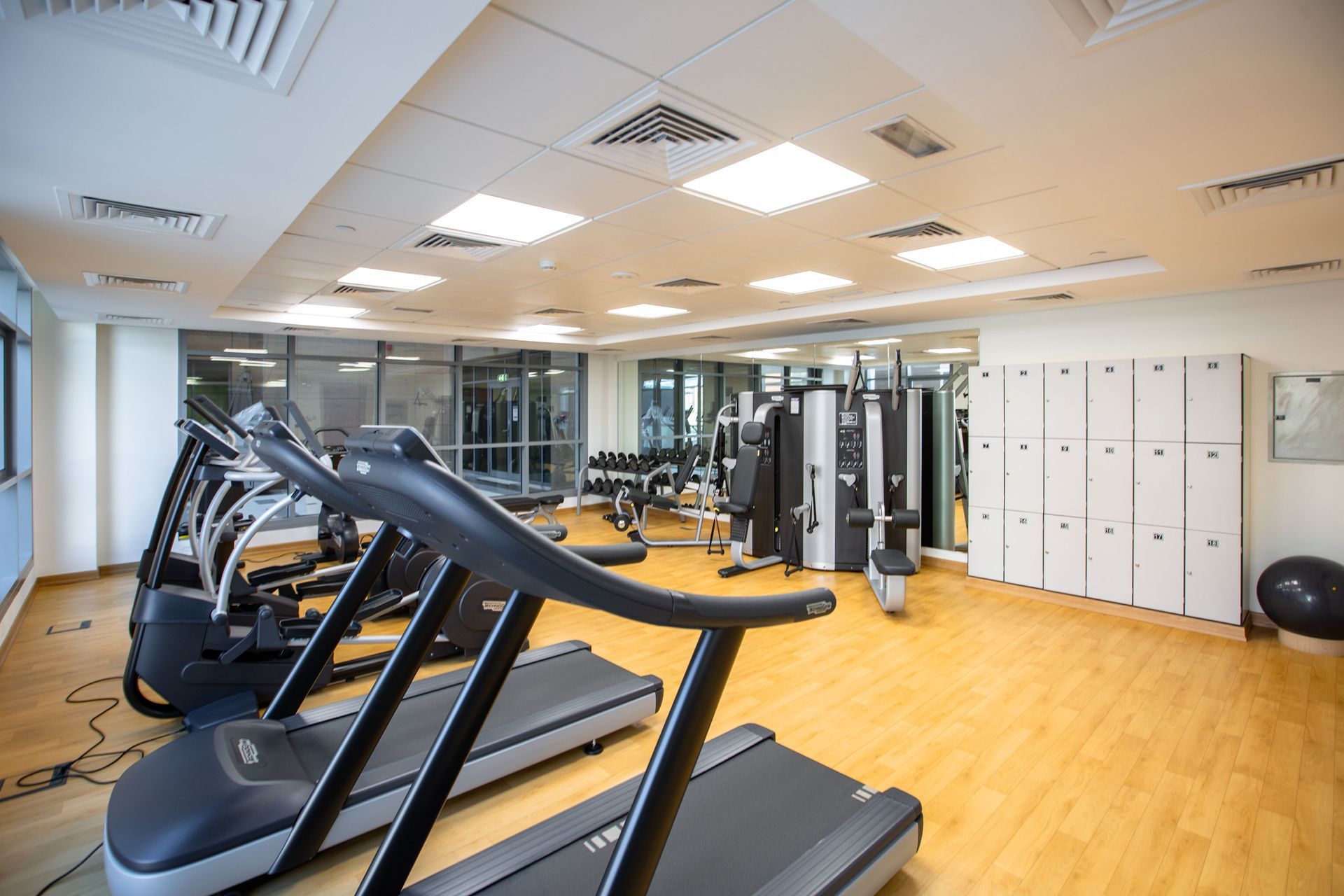
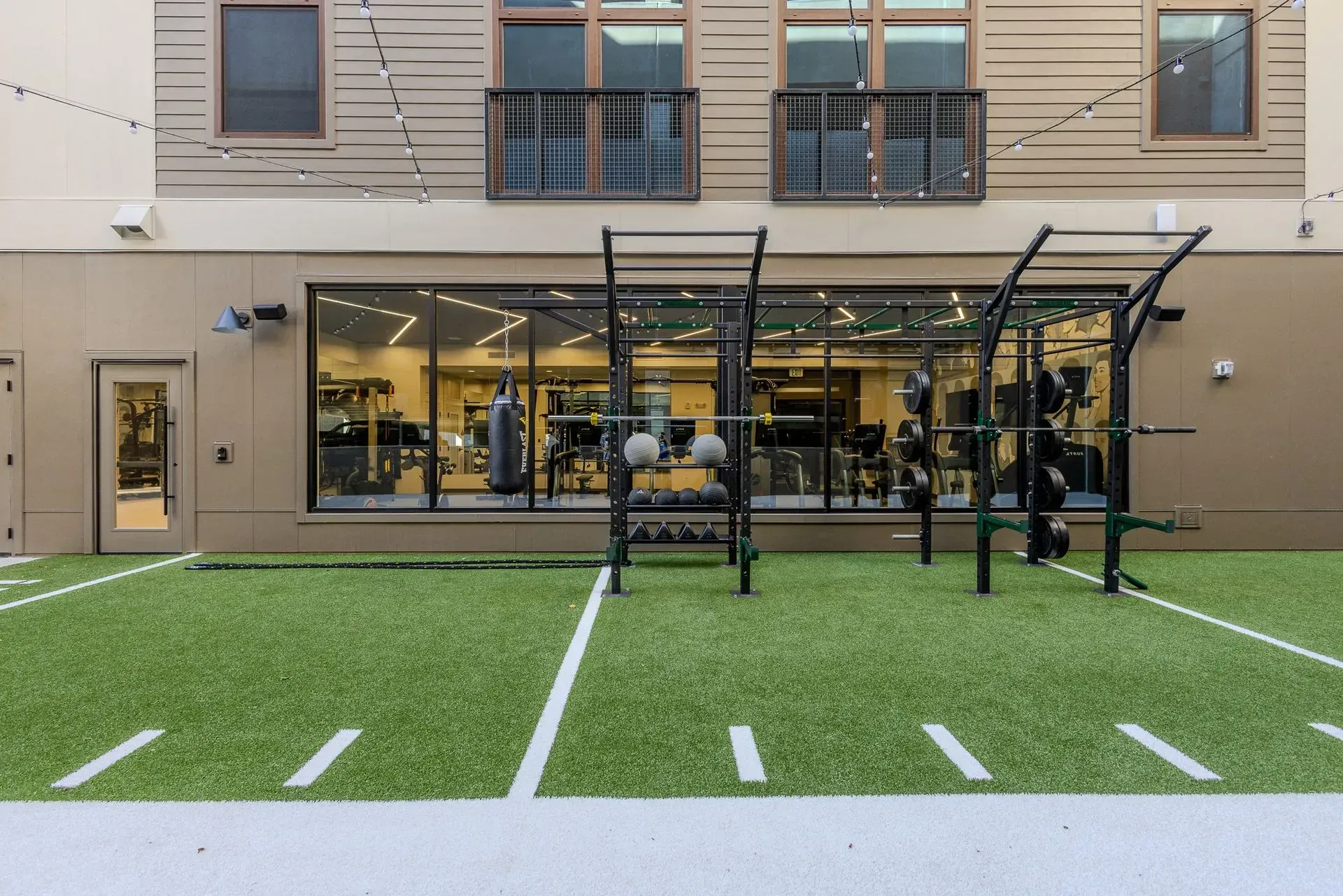
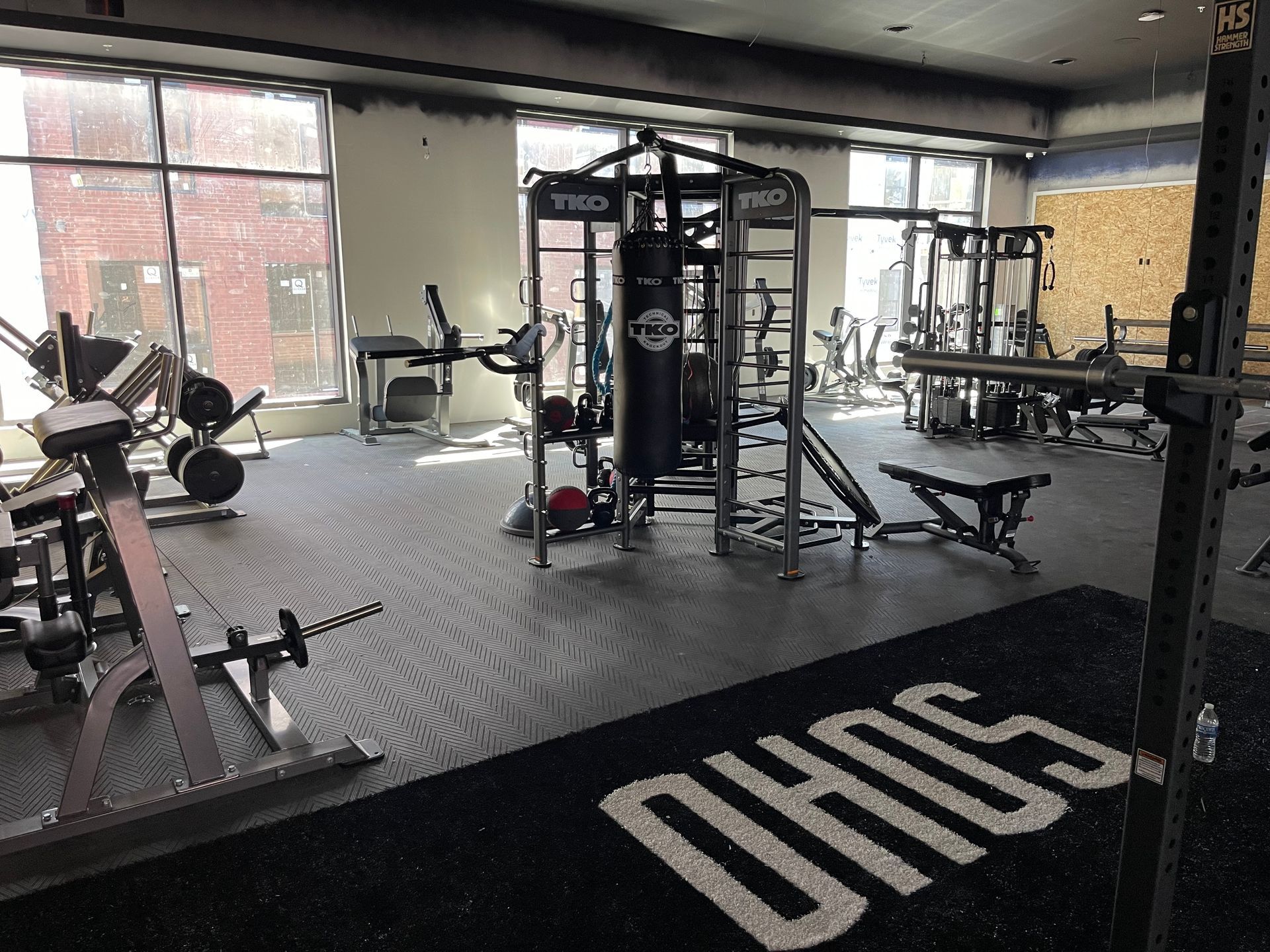
A school weight room is more than a place where students lift weights. It is a shared training space that teaches discipline, accountability, safety, and respect. For high schools, the weight room often serves many different groups throughout the day. PE classes may use it in the morning. Athletic teams may train after school. Coaches may run strength programs for multiple sports. With that much activity, the condition of the room depends on more than the equipment itself. It depends on how students treat the space every time they use it.
When students understand that they are responsible for taking care of the weight room, the entire environment improves. Equipment stays in better condition. The room stays cleaner. Workouts run more smoothly. Coaches spend less time reminding students to rerack weights or wipe down benches. Most importantly, students learn habits that carry beyond the weight room. They learn that shared spaces require respect, and that being part of a team or class means doing their part.
One of the biggest challenges in a high school weight room is daily wear and tear. Even the best equipment needs proper care. Benches, racks, dumbbells, barbells, plates, cable machines, cardio equipment, and flooring are all used repeatedly throughout the day. When students drag equipment, drop items where they do not belong, leave weights on bars, or skip basic cleanup, the room can quickly become disorganized and harder to maintain. Over time, these habits can shorten the life of the equipment and create safety concerns.
Teaching student responsibility starts with clear expectations. Students should know exactly what is expected of them before they begin using the weight room. This includes wiping down equipment after use, putting weights back in the correct place, keeping walkways clear, using equipment properly, and reporting anything that looks damaged or unsafe. These expectations should not be treated as optional. They should be part of the weight room culture from day one.
A simple set of posted rules can help reinforce those expectations. Schools do not need a long list that students ignore. A few clear reminders placed where students can see them can make a difference. For example, signs that say to wipe down equipment, rerack weights, respect the flooring, and report damaged equipment can keep the most important habits top of mind. When those reminders are backed up by coaches and teachers, they become part of the normal routine.
Wiping down equipment is one of the easiest habits to teach, but it is also one of the most important. High school weight rooms are full of shared surfaces. Students touch benches, handles, bars, attachments, pads, and machines throughout a workout. Sweat and dirt can build up quickly, especially when several classes or teams use the room back to back. By teaching students to wipe down equipment after use, schools can help keep the room cleaner and more comfortable for everyone.
Reracking weights is another basic habit that has a major impact. When plates, dumbbells, and attachments are left out, the room becomes harder to use and less safe. Students may trip over equipment, waste time searching for what they need, or load bars incorrectly because weights are not where they belong. A clean, organized weight room helps workouts move faster and helps coaches keep better control of the space. It also shows students that taking care of equipment is part of training.
Proper equipment use should also be part of student responsibility. High school students are still learning how to train safely. They may not understand how certain machines work, how to adjust a rack, or why dropping certain weights can damage the floor or equipment. Coaches and teachers should take time to explain not just how to perform an exercise, but how to use the equipment correctly. When students understand why certain rules exist, they are more likely to follow them.
Floor care is another area where students play a role. Weight room flooring is designed to handle heavy use, but it still needs to be respected. Students should avoid dragging benches, scraping equipment across the floor, leaving sharp objects or debris behind, and spilling drinks in the training area. Even small habits can affect the look and condition of the floor over time. When students are taught to respect the flooring, schools can better protect their investment.
Student responsibility also helps reduce unnecessary maintenance costs. High school weight room equipment is a major investment. When students care for that equipment, it can last longer and perform better. When they do not, schools may deal with torn pads, missing attachments, damaged flooring, loose parts, and equipment that needs to be repaired or replaced earlier than expected. A strong culture of responsibility helps schools avoid some of those preventable costs.
Coaches are a major part of building that culture. Students usually follow the standards that coaches and teachers enforce consistently. If a coach allows students to leave weights out, skip cleanup, or misuse equipment, those habits become normal. If a coach makes cleanup part of every workout, students learn that taking care of the room is not separate from training. It is part of the workout itself.
One effective approach is to build cleanup into the structure of each session. The last few minutes of class or practice can be used to reset the room. Students can wipe down benches, return dumbbells, organize plates, check for trash, and make sure walkways are clear. This does not need to take long. When it happens every day, the room stays in better condition and students learn that the space should always be left ready for the next group.
Athletic directors and school leaders can also support student responsibility by making sure the weight room has the right cleaning supplies and maintenance plan. Students are more likely to clean up when products are easy to access and simple to use. Cleaning stations should be placed where they make sense, and students should know which products are used on benches, pads, handles, and other surfaces. The easier the system is to follow, the more likely it is to become routine.
There is also a pride factor that matters in school weight rooms. When students help care for the space, they take more ownership of it. They begin to see the weight room as something that belongs to their team, their class, and their school. That pride can lead to better habits, stronger accountability, and a more professional training environment. A clean and organized weight room can make students feel like they are part of something serious and worthwhile.
This is especially valuable in high school athletics, where the weight room often becomes a central part of team development. Students learn how to work hard, follow instructions, support teammates, and build consistency. When responsibility is built into that environment, the weight room becomes a place where students develop character as much as strength. Simple habits like wiping down a bench or putting weights away may seem small, but they reinforce discipline and respect.
EcoFit Solutions works with schools to create weight rooms that are built for student use. That means thinking about equipment, layout, flooring, safety, maintenance, and the daily routines that help the space succeed. A great school weight room is not just about what gets installed. It is also about how the room is used and cared for every day after installation.
Student responsibility is one of the best ways to protect a school weight room. When students understand how to care for the space, schools can create a cleaner, safer, and more organized training environment. With clear expectations, the right cleaning products, consistent coaching, and a culture of respect, high schools can help their weight rooms stay ready for every class, team, and athlete who walks through the door.