


How High Schools Can Keep Their Weight Room Clean, Safe, and Ready for Daily Use
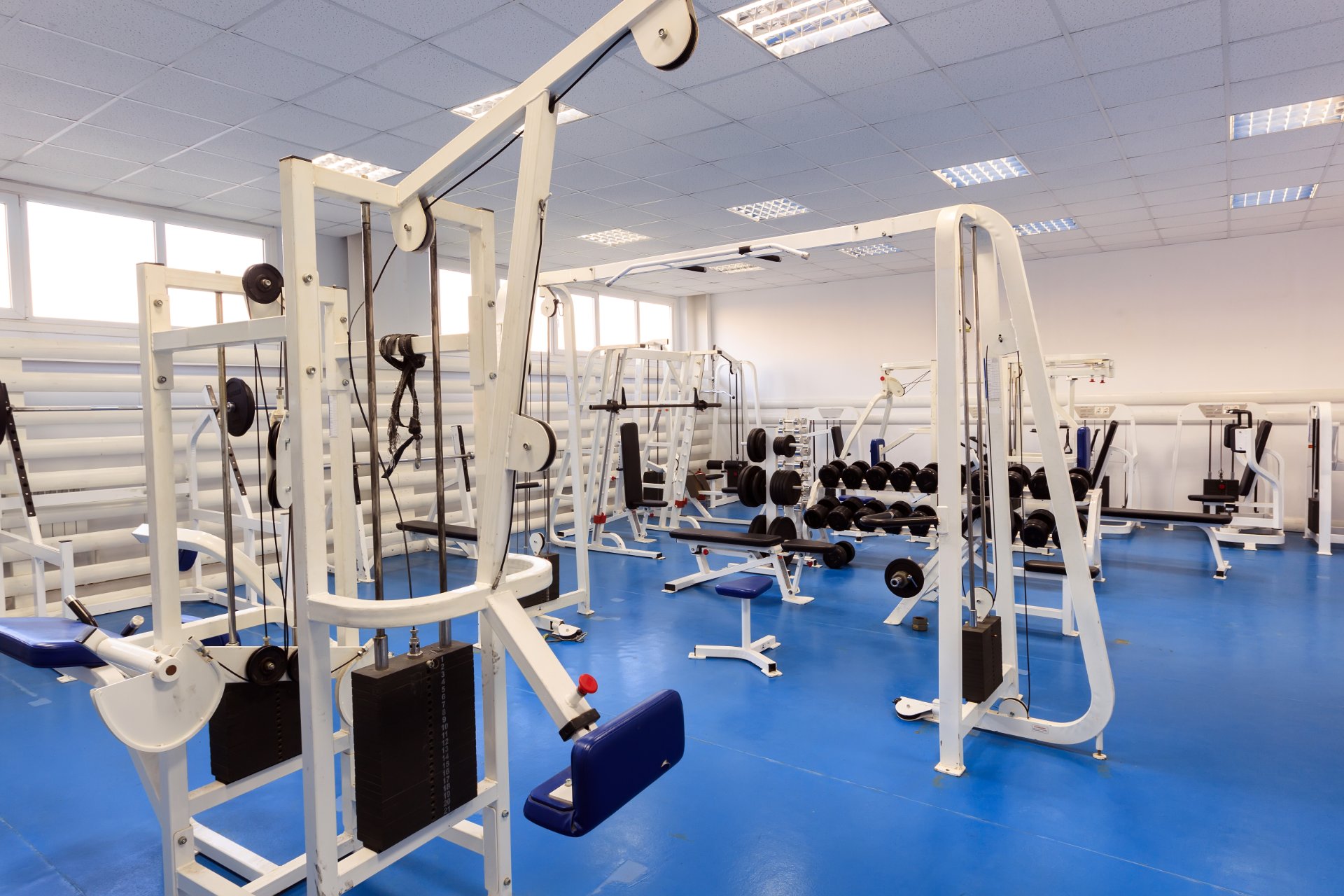
A high school weight room is one of the most active spaces on campus. It is used by athletes, PE classes, strength and conditioning programs, coaches, and sometimes multiple teams in the same day. With that much daily traffic, it does not take long for equipment, floors, benches, and shared surfaces to collect sweat, dirt, dust, and general wear. A clean weight room is not just about appearance. It helps protect students, keeps equipment in better condition, supports a safer training environment, and makes the space feel more professional for everyone who uses it.

For many schools, the challenge is not understanding that the weight room needs to be cleaned. The challenge is building a simple routine that actually works with the school day. Coaches are busy. Custodial teams already have a full building to manage. Students are moving quickly from class to class, practice to practice, and workout to workout. That is why the best approach is not usually complicated. It is about having the right expectations, the right cleaning products, and a clear system for keeping the space ready for daily use.

One of the first steps is identifying the highest-touch areas in the weight room. Benches, dumbbells, barbells, weight plates, racks, cable attachments, medicine balls, handles, cardio machines, and storage areas all see constant use. These are the areas that need the most attention because they are touched by dozens, and sometimes hundreds, of students and athletes each week. When these areas are ignored, the room can quickly feel dirty, disorganized, and poorly maintained. When they are cleaned consistently, the entire space feels more controlled and easier to manage.

Students should also be part of the cleaning routine. A school weight room works best when students understand that taking care of the space is part of training. Wiping down a bench after use, putting equipment back in the right place, keeping bottles and personal items off the floor, and reporting damaged equipment are small habits that make a big difference over time. These habits also teach responsibility. A weight room is not just a place to lift. It is a shared training environment, and students should learn how to respect it.

Coaches and teachers can help by setting the standard early. Before a team or class begins using the weight room, expectations should be clear. Students should know where cleaning supplies are located, when they are expected to wipe down equipment, how weights should be reracked, and what areas need extra attention after each session. Simple reminders posted around the room can also help. When expectations are visible and repeated often, students are more likely to follow them without needing constant reminders.

The right cleaning products matter as well. School weight rooms have different needs than ordinary classrooms or offices. The products used should be effective on shared athletic surfaces while also being appropriate for the equipment and flooring in the room. Using the wrong product can damage upholstery, leave residue on handles, or wear down certain flooring materials over time. Schools should make sure they are using cleaning products that are designed for fitness spaces and high-traffic environments.

Daily cleaning should focus on the areas that get used the most. Benches should be wiped down after use. Dumbbells, cable handles, and other shared equipment should be cleaned regularly throughout the day or after major use periods. Trash should be removed, water bottles should be picked up, and equipment should be returned to its proper location. At the end of the day, the room should be reset so the next class or team walks into a clean and organized space.

Weekly cleaning should go a little deeper. This can include checking under racks, cleaning around storage areas, wiping down less-used machines, inspecting benches and pads, and making sure equipment is not collecting dust or grime in corners. Schools should also look for early signs of damage, such as torn pads, loose bolts, worn handles, or flooring that is beginning to separate or show heavy wear. Catching these issues early can help prevent more expensive repairs later.

Floor care is another major part of keeping a school weight room in good condition. Weight room flooring takes a beating every day. It handles heavy foot traffic, dropped weights, dirt from shoes, sweat, chalk, and constant movement from equipment. Even when the floor looks fine from a distance, it can hold buildup that basic sweeping or occasional mopping may not fully remove. A regular floor cleaning plan helps protect the surface, improves the look of the room, and supports a cleaner environment for students and staff.

This is especially important for schools that have invested in rubber flooring or specialized athletic flooring. These surfaces are built to handle weight room use, but they still need proper care. Dirt, dust, and moisture can settle into the surface over time. If the floor is not cleaned correctly, it can start to look dull, smell unpleasant, or become harder to maintain. A professional floor cleaning service can help schools keep the space looking better and extend the life of the flooring.

A clean weight room also supports safety. Cluttered floors, misplaced plates, loose attachments, and spills can create unnecessary risks. When equipment is not returned to its proper place, students may trip or use the wrong equipment for a movement. When benches or machines are not cleaned, the room can feel less inviting and less professional. When flooring is not maintained, it can affect traction, appearance, and overall cleanliness. Cleanliness and safety go hand in hand in a high school training space.

Another benefit of a clean weight room is pride. Students notice when a space is well cared for. Coaches notice. Parents notice. Visiting teams notice. A clean, organized weight room sends the message that the school values training, student development, and athletic performance. It also encourages students to treat the space with more respect. When a room feels ignored, students are more likely to ignore it too. When a room feels professional, students are more likely to act professionally inside it.

Schools should also think about cleaning and maintenance as part of protecting their investment. Weight room equipment is not inexpensive. Benches, racks, machines, bars, plates, flooring, and storage systems all represent a major investment for a school or athletic department. Regular cleaning helps that investment last longer. It can reduce unnecessary wear, prevent avoidable damage, and keep the room looking newer for a longer period of time.

The most successful weight room cleaning plans are simple and consistent. Schools do not need to overcomplicate the process. They need a daily routine, a weekly routine, the right products, clear student expectations, and a plan for deeper cleaning when needed. Coaches, teachers, custodial staff, and students can all play a role. When everyone understands their part, the weight room becomes much easier to manage.

EcoFit Solutions helps schools create weight rooms that are built for real student use. That includes equipment, flooring, layout, and the ongoing care needed to keep the space performing well. For schools looking to improve their weight room environment, cleaning products and floor cleaning services can be an important part of keeping the space safe, clean, and ready for daily use.

A high school weight room should be a place where students can train with confidence. It should feel organized, clean, and ready every time a class or team walks in. With the right routine and the right support, schools can keep their weight rooms in better condition and give students a space they are proud to use.

June 10, 2026
When schools think about maintaining a high school weight room, the first thing that usually comes to mind is the equipment. Benches, racks, machines, dumbbells, plates, and bars all need attention, but the flooring underneath them is just as important. Weight room flooring takes on constant stress every day. Students walk across it between classes. Athletes train on it after school. Coaches move equipment around it. Weights are lifted, set down, and sometimes dropped on it. Over time, the floor becomes one of the hardest-working parts of the entire weight room.
June 10, 2026
A school weight room is more than a place where students lift weights. It is a shared training space that teaches discipline, accountability, safety, and respect. For high schools, the weight room often serves many different groups throughout the day. PE classes may use it in the morning. Athletic teams may train after school. Coaches may run strength programs for multiple sports. With that much activity, the condition of the room depends on more than the equipment itself. It depends on how students treat the space every time they use it.
June 1, 2026
An outdated school weight room can hold a program back. The room may still have equipment, flooring, and space to work with, but if it feels crowded, worn down, poorly organized, or disconnected from how students train today, it may not be serving the school the way it should. Many schools have weight rooms that were built years ago and then adjusted piece by piece over time. A rack was added here. A bench was moved there. A treadmill was placed wherever there was an outlet. Dumbbells were squeezed into an open corner. Storage became whatever space was left over. Eventually, the room becomes a collection of equipment instead of a clear training environment. That is when a transformation can make a major difference. A modern school weight room is not just about newer equipment. It is about creating a space that feels intentional. It should support PE classes, athletic teams, strength training, conditioning, mobility work, and safe movement. It should be easier to supervise, easier to clean, easier to maintain, and easier for students to understand. When a weight room is redesigned the right way, the before and after difference can be felt immediately. Before the transformation, most outdated weight rooms share similar problems. The layout does not match the way the room is used. Equipment may be too close together. Free weights may be scattered. Flooring may be worn, uneven, or not designed for heavy training. Cardio equipment may block traffic flow. Storage may be limited. Teachers and coaches may struggle to run groups through the room efficiently. These problems are not always the result of poor effort. Most schools do the best they can with the space and budget they have. The issue is that fitness needs change over time. Training styles evolve. Athletic programs grow. PE curriculum changes. Student expectations shift. Equipment gets older. What worked years ago may not work for the school today. A strong transformation starts with assessment. Before new equipment is selected, the school needs to understand what is working, what is not working, and what the room needs to accomplish. Is the space mainly used by athletic teams? Is it part of the daily PE program? Do multiple groups use it throughout the day? Are students waiting too long for equipment? Are certain areas crowded while others are underused? Is the flooring protecting the building and supporting the training style? These questions help shape the plan. The best before and after projects do not simply swap old equipment for new equipment in the same layout. They rethink the room. That may mean changing the placement of racks, creating clearer strength zones, opening up floor space, improving storage, replacing flooring, or selecting equipment that better supports both PE and athletics. The goal is not just to make the room look better. The goal is to make it work better. Layout is often where the biggest change happens. In an outdated room, students may have to weave through equipment to move from station to station. Coaches may not be able to see the full room. PE teachers may struggle to keep a class organized. After a redesign, the room should feel easier to navigate. Training zones should be clear. Equipment should be placed with purpose. Movement patterns should make sense. This kind of layout improvement can completely change how the room feels. A space that once felt cramped can feel open. A room that once felt chaotic can feel structured. Students can move with more confidence. Staff can supervise more effectively. The same square footage can become much more useful when the layout is planned correctly. Equipment selection is another major part of the transformation. Outdated weight rooms often have pieces that no longer fit the program. Some equipment may be worn beyond practical use. Some may be too advanced, too limited, or too bulky for the space. Some may no longer support the school’s training goals. A redesign gives schools the chance to choose equipment that matches how students actually train. For a school weight room, that may include commercial-grade racks, benches, dumbbells, storage systems, cable units, cardio equipment, functional training tools, and open space for movement. The right mix depends on the school. A high school with several athletic programs may need a different setup than a middle school introducing students to basic strength and conditioning. A school with limited square footage may need flexible equipment that supports multiple exercises without overcrowding the room. Flooring can be one of the most visible and important changes in a before and after project. Old flooring can make the entire room feel dated, even if the equipment is still usable. More importantly, flooring affects safety, durability, noise, comfort, and protection for the facility. A school weight room needs flooring that can handle heavy use, support equipment, and hold up under repeated student traffic. When flooring is upgraded as part of the full design, the room feels more complete. It also helps define training zones. Heavy lifting areas, functional training areas, and general movement spaces may have different needs. Planning flooring and equipment together helps avoid mismatched surfaces and creates a more professional environment. Storage also plays a major role in the after result. A room can have great equipment and still feel messy if storage is not handled well. Plates, bars, bands, mats, medicine balls, and other accessories need clear, accessible places to go. Good storage makes the room safer and easier to reset after each class or training session. For schools, that matters because different groups may use the room throughout the day. A modern weight room should also feel easier to teach in. PE teachers need a space where they can demonstrate movements, organize students, and keep the class moving. Coaches need a room where athletes can train efficiently without constant setup issues. Students need to understand where things are and how the room is meant to function. The design should support all of that. The after version of a school weight room should feel clean, organized, durable, and ready for daily use. It should not feel like a showroom that only looks good in pictures. It should feel like a real training space built for students. That is why EcoFit Solutions looks at more than equipment. EcoFit helps commercial and school fitness environments through planning, design, flooring, installation, moving, maintenance, and repair. For school weight room transformations, that full-service approach matters. The project may involve removing or moving old equipment, redesigning the layout, selecting new pieces, installing flooring, placing equipment correctly, and helping the school plan for long-term care. This makes the transformation smoother for administrators, coaches, and facility staff. Instead of managing separate vendors for equipment, flooring, moving, and installation, schools can work with a team that understands how all of those pieces connect. A before and after project is also a strong opportunity for schools to build pride in the space. Students notice when the school invests in better facilities. Athletes notice when the weight room feels more serious and better organized. PE students notice when the room feels more approachable and easier to use. Coaches and teachers notice when the space supports their work instead of making it harder.  A modern weight room can also help schools get more value from the space they already have. Not every transformation requires a larger room. Many schools simply need a better plan for the room they already use. With the right layout, equipment, flooring, and storage, an outdated space can become more functional without needing to expand the footprint. The most successful transformations are built around real daily use. They consider who is using the space, when they are using it, what they need to accomplish, and what challenges are currently getting in the way. That approach creates a final result that looks better and performs better. If your school weight room feels outdated, crowded, unsafe, or underused, it may be time to rethink the space. EcoFit Solutions can help assess the room, create a practical plan, and transform it into a modern training environment that supports PE classes, athletic teams, and student fitness for years to come. A great before and after is not just about new equipment. It is about turning a space that no longer works into a space that students and staff can use with confidence every day.