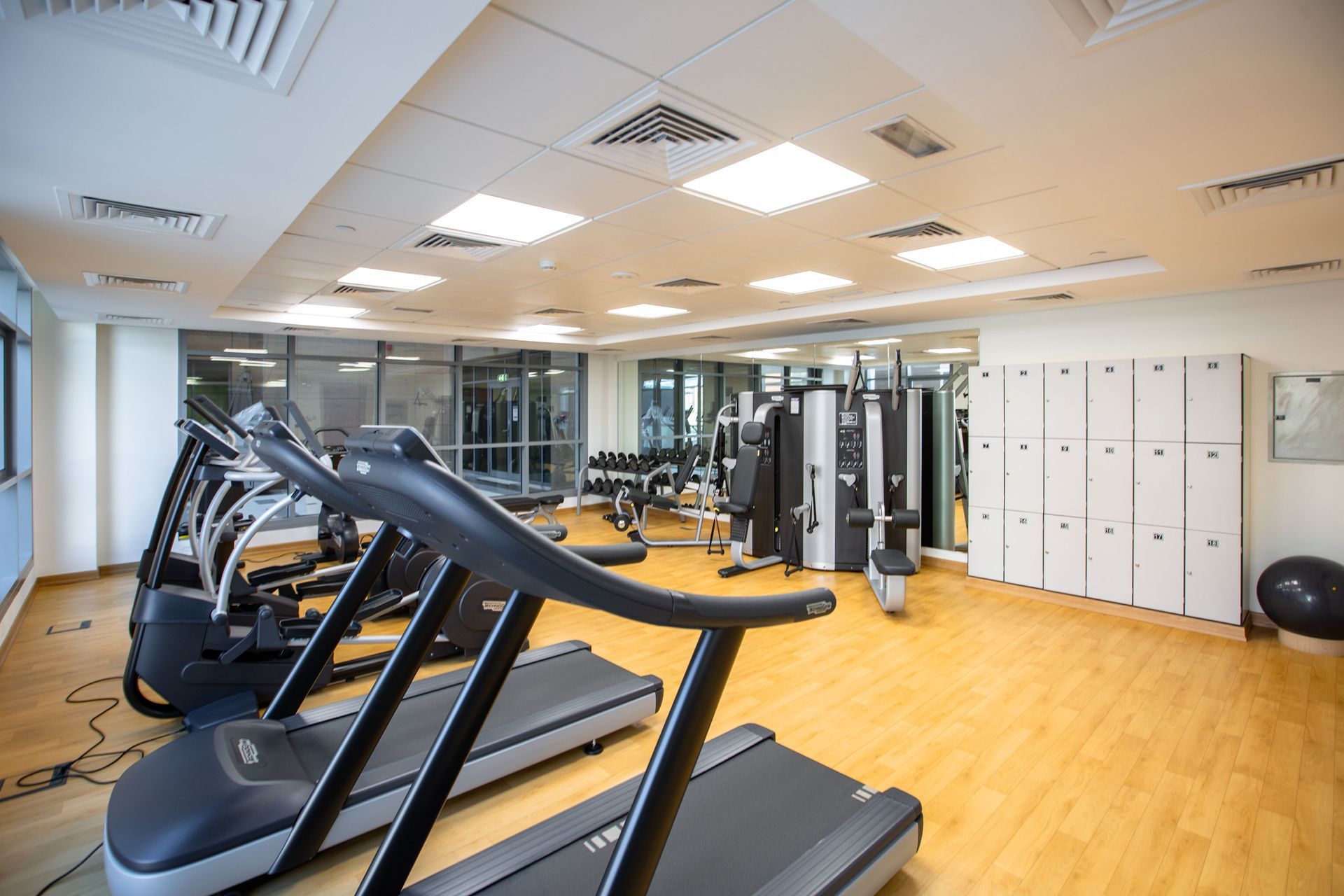


Before and After: Transforming Outdated School Weight Rooms Into Modern Training Spaces
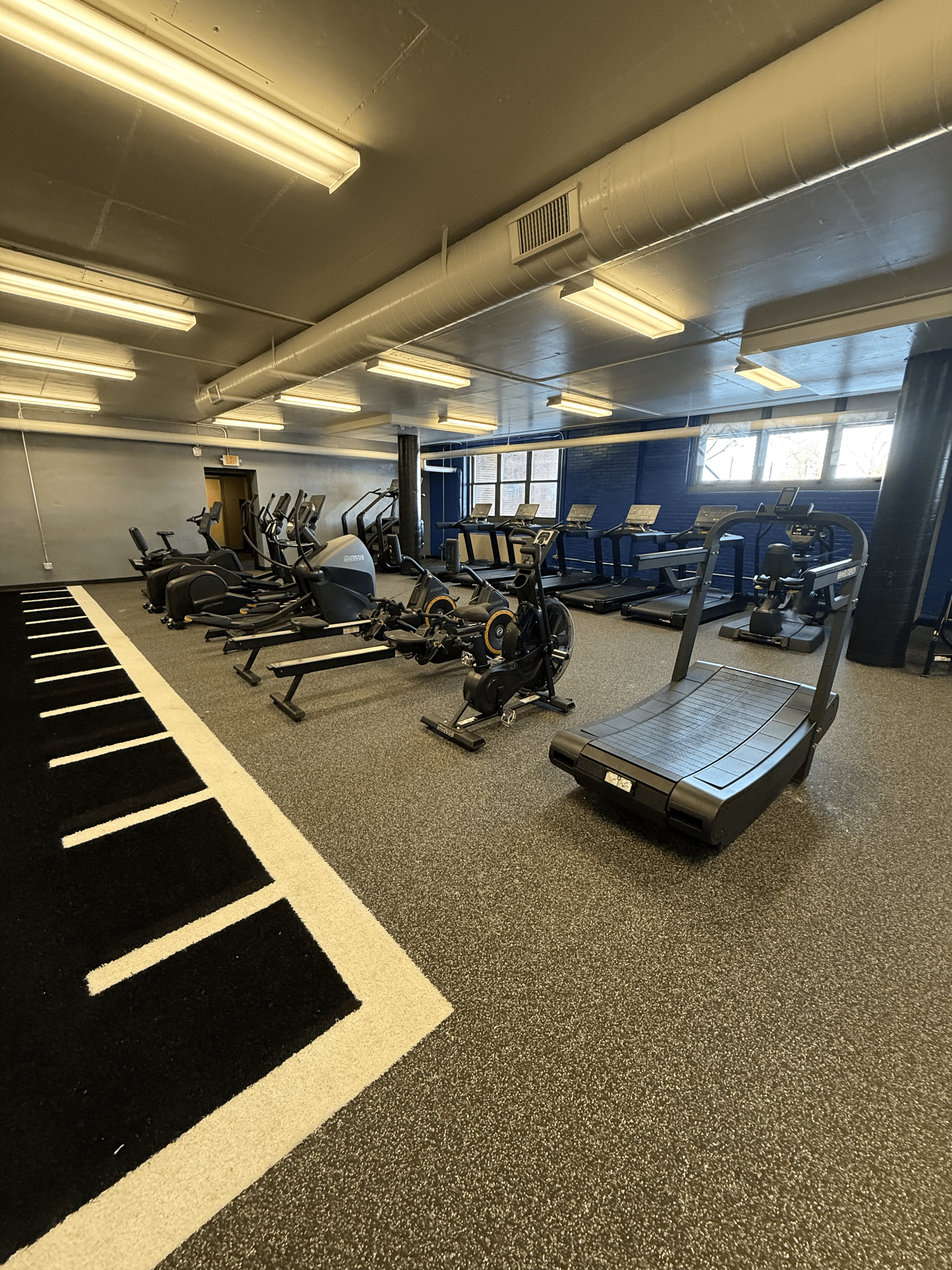
An outdated school weight room can hold a program back. The room may still have equipment, flooring, and space to work with, but if it feels crowded, worn down, poorly organized, or disconnected from how students train today, it may not be serving the school the way it should.


Many schools have weight rooms that were built years ago and then adjusted piece by piece over time. A rack was added here. A bench was moved there. A treadmill was placed wherever there was an outlet. Dumbbells were squeezed into an open corner. Storage became whatever space was left over. Eventually, the room becomes a collection of equipment instead of a clear training environment.

That is when a transformation can make a major difference.


A modern school weight room is not just about newer equipment. It is about creating a space that feels intentional. It should support PE classes, athletic teams, strength training, conditioning, mobility work, and safe movement. It should be easier to supervise, easier to clean, easier to maintain, and easier for students to understand. When a weight room is redesigned the right way, the before and after difference can be felt immediately.


Before the transformation, most outdated weight rooms share similar problems. The layout does not match the way the room is used. Equipment may be too close together. Free weights may be scattered. Flooring may be worn, uneven, or not designed for heavy training. Cardio equipment may block traffic flow. Storage may be limited. Teachers and coaches may struggle to run groups through the room efficiently.


These problems are not always the result of poor effort. Most schools do the best they can with the space and budget they have. The issue is that fitness needs change over time. Training styles evolve. Athletic programs grow. PE curriculum changes. Student expectations shift. Equipment gets older. What worked years ago may not work for the school today.


A strong transformation starts with assessment. Before new equipment is selected, the school needs to understand what is working, what is not working, and what the room needs to accomplish. Is the space mainly used by athletic teams? Is it part of the daily PE program? Do multiple groups use it throughout the day? Are students waiting too long for equipment? Are certain areas crowded while others are underused? Is the flooring protecting the building and supporting the training style?


These questions help shape the plan.


The best before and after projects do not simply swap old equipment for new equipment in the same layout. They rethink the room. That may mean changing the placement of racks, creating clearer strength zones, opening up floor space, improving storage, replacing flooring, or selecting equipment that better supports both PE and athletics. The goal is not just to make the room look better. The goal is to make it work better.


Layout is often where the biggest change happens. In an outdated room, students may have to weave through equipment to move from station to station. Coaches may not be able to see the full room. PE teachers may struggle to keep a class organized. After a redesign, the room should feel easier to navigate. Training zones should be clear. Equipment should be placed with purpose. Movement patterns should make sense.


This kind of layout improvement can completely change how the room feels. A space that once felt cramped can feel open. A room that once felt chaotic can feel structured. Students can move with more confidence. Staff can supervise more effectively. The same square footage can become much more useful when the layout is planned correctly.


Equipment selection is another major part of the transformation. Outdated weight rooms often have pieces that no longer fit the program. Some equipment may be worn beyond practical use. Some may be too advanced, too limited, or too bulky for the space. Some may no longer support the school’s training goals. A redesign gives schools the chance to choose equipment that matches how students actually train.


For a school weight room, that may include commercial-grade racks, benches, dumbbells, storage systems, cable units, cardio equipment, functional training tools, and open space for movement. The right mix depends on the school. A high school with several athletic programs may need a different setup than a middle school introducing students to basic strength and conditioning. A school with limited square footage may need flexible equipment that supports multiple exercises without overcrowding the room.


Flooring can be one of the most visible and important changes in a before and after project. Old flooring can make the entire room feel dated, even if the equipment is still usable. More importantly, flooring affects safety, durability, noise, comfort, and protection for the facility. A school weight room needs flooring that can handle heavy use, support equipment, and hold up under repeated student traffic.


When flooring is upgraded as part of the full design, the room feels more complete. It also helps define training zones. Heavy lifting areas, functional training areas, and general movement spaces may have different needs. Planning flooring and equipment together helps avoid mismatched surfaces and creates a more professional environment.


Storage also plays a major role in the after result. A room can have great equipment and still feel messy if storage is not handled well. Plates, bars, bands, mats, medicine balls, and other accessories need clear, accessible places to go. Good storage makes the room safer and easier to reset after each class or training session. For schools, that matters because different groups may use the room throughout the day.


A modern weight room should also feel easier to teach in. PE teachers need a space where they can demonstrate movements, organize students, and keep the class moving. Coaches need a room where athletes can train efficiently without constant setup issues. Students need to understand where things are and how the room is meant to function. The design should support all of that.


The after version of a school weight room should feel clean, organized, durable, and ready for daily use. It should not feel like a showroom that only looks good in pictures. It should feel like a real training space built for students.


That is why EcoFit Solutions looks at more than equipment. EcoFit helps commercial and school fitness environments through planning, design, flooring, installation, moving, maintenance, and repair. For school weight room transformations, that full-service approach matters. The project may involve removing or moving old equipment, redesigning the layout, selecting new pieces, installing flooring, placing equipment correctly, and helping the school plan for long-term care.


This makes the transformation smoother for administrators, coaches, and facility staff. Instead of managing separate vendors for equipment, flooring, moving, and installation, schools can work with a team that understands how all of those pieces connect.


A before and after project is also a strong opportunity for schools to build pride in the space. Students notice when the school invests in better facilities. Athletes notice when the weight room feels more serious and better organized. PE students notice when the room feels more approachable and easier to use. Coaches and teachers notice when the space supports their work instead of making it harder.


A modern weight room can also help schools get more value from the space they already have. Not every transformation requires a larger room. Many schools simply need a better plan for the room they already use. With the right layout, equipment, flooring, and storage, an outdated space can become more functional without needing to expand the footprint.


The most successful transformations are built around real daily use. They consider who is using the space, when they are using it, what they need to accomplish, and what challenges are currently getting in the way. That approach creates a final result that looks better and performs better.


If your school weight room feels outdated, crowded, unsafe, or underused, it may be time to rethink the space. EcoFit Solutions can help assess the room, create a practical plan, and transform it into a modern training environment that supports PE classes, athletic teams, and student fitness for years to come.


A great before and after is not just about new equipment. It is about turning a space that no longer works into a space that students and staff can use with confidence every day.
June 1, 2026
Flooring is one of the most important decisions in a school weight room, but it is often one of the most overlooked. Schools may spend a lot of time thinking about racks, benches, dumbbells, cardio equipment, and layout, but the flooring underneath all of it plays a major role in how the room performs. A school weight room floor needs to do a lot. It has to support heavy equipment, handle constant foot traffic, absorb impact, reduce noise, protect the building, and create a safer training environment for students. It also has to hold up over time. PE classes, athletic teams, coaches, teachers, and maintenance staff all depend on the room being durable and practical. Choosing the wrong flooring can create problems quickly. The room may become louder than expected. The surface may wear down too soon. Equipment may shift or leave marks. Dropped weights may damage the floor or the structure underneath. Cleaning may become more difficult. The space may look worn out even if the equipment is still in good condition. That is why flooring should be part of the design conversation from the beginning. The first thing schools should consider is how the weight room will be used. A room used mainly for general PE classes may have different flooring needs than a room used heavily by athletic teams. A room with free weights, racks, and strength training stations needs flooring that can handle impact and heavy loads. A room with more cardio and functional movement may need a surface that supports repeated foot traffic and comfortable movement. Many school weight rooms need a combination of both. This is why there is no universal flooring choice that works for every school. The right flooring depends on usage, equipment, space, building conditions, and long-term goals. Rubber flooring is one of the most common choices for school weight rooms because it is durable and practical. It can help support heavy equipment, reduce impact, and handle high traffic. It also gives the room a professional fitness feel. Rubber flooring may come in rolls, tiles, or other formats depending on the space and installation needs. Each option has advantages, and the right choice depends on how the room is designed. Rolled rubber can create a clean, finished look across larger spaces. It may be a good fit for rooms where schools want fewer seams and a more continuous surface. Rubber tiles can be useful in certain spaces because they can be easier to replace in sections if damage occurs. Thicker surfaces may be needed in areas where weights are dropped more often. The key is matching the flooring type to the training zone. A school weight room may also need different flooring thicknesses or surface types in different areas. Heavy lifting zones may need more protection than cardio zones. Open movement areas may need a surface that supports mobility work, stretching, warmups, and conditioning. Walkways may need to handle constant traffic without creating unnecessary maintenance issues. This is where planning matters. Flooring should not be selected separately from equipment. The layout, rack placement, platform needs, storage locations, and traffic flow all affect the flooring plan. If a school chooses flooring before deciding how the room will function, it may end up with surfaces that do not match the actual use of the space. Subfloor condition is another important factor. The surface underneath the flooring needs to be considered before installation. If the subfloor is uneven, damaged, or not properly prepared, the finished flooring may not perform the way it should. Seams may shift. Tiles may lift. Rolls may not lay correctly. Over time, those issues can become expensive and frustrating. Professional installation helps prevent these problems. A school weight room is not the place to cut corners on flooring installation. The room will see too much use for a poor installation to hold up well. Proper preparation, layout, bonding, seam alignment, and finishing all matter. When flooring is installed correctly, it looks better, performs better, and lasts longer. Safety should also guide flooring decisions. Students will be moving, lifting, carrying weights, setting equipment down, and transitioning between exercises. The flooring should support stable movement and reduce unnecessary risk. It should not become slick, uneven, loose, or damaged under normal use. It should also help define the room so students understand where lifting, movement, and traffic areas are intended to happen. Noise is another issue schools should consider. Weight rooms can be loud, especially when they are near classrooms, offices, hallways, or shared spaces. Flooring can help reduce impact noise, but only if it is selected correctly for the type of training happening in the room. A school that expects heavy lifting should plan for that from the beginning instead of trying to fix noise problems after the room is already in use. Durability is especially important in schools. A school weight room may be used by many students every day, and the flooring needs to handle that level of traffic. Students may wear different types of shoes. Equipment may be moved. Plates may be set down repeatedly. Mats, benches, racks, and cardio machines may put constant pressure on the surface. Flooring that is not designed for that environment may wear out too quickly. Cleaning and maintenance should also be part of the decision. A school weight room needs to be easy to keep clean. Sweat, dust, chalk, dirt, and debris can build up quickly in high-use spaces. The flooring should support regular cleaning without becoming damaged or difficult to maintain. Seams, edges, and transitions should be planned carefully so the room remains manageable for staff. Aesthetics matter too, but they should not be the only priority. The floor has a major impact on how the room looks. A clean, durable surface can make the entire weight room feel more modern and professional. It can help create school pride and make the space more inviting for students. But the best-looking option is not always the best-performing option. Schools should look for flooring that balances appearance, durability, safety, and function. Budget is always part of the conversation for schools. Flooring can be a significant investment, but it should be viewed as part of the long-term value of the room. Choosing a cheaper option that fails early can cost more over time. If the flooring needs to be replaced sooner than expected, or if it causes issues with equipment, safety, or maintenance, the school may end up spending more than it would have with the right solution from the beginning. EcoFit Solutions helps schools evaluate flooring as part of the full fitness space. That includes understanding how the room will be used, what equipment will be installed, how students will move through the space, and what the school needs from a durability and maintenance standpoint. Flooring is not treated as an afterthought. It is part of the complete design. That approach helps schools avoid common mistakes. For example, a school may choose flooring that looks good but is not thick enough for free weight areas. Another school may install the same flooring throughout the entire room when different zones would benefit from different solutions. Another may forget to plan for storage, transitions, or future equipment additions. These mistakes are easier to avoid when flooring is planned with the full room in mind. The right flooring can make a school weight room safer, stronger, quieter, and more professional. It can protect the facility, support the equipment, and improve the experience for students and staff. It can also help the room hold up under the daily use that schools demand. If your school is building a new weight room or updating an existing space, flooring should be part of the conversation from the beginning. EcoFit Solutions can help you choose a flooring plan that fits your equipment, layout, student use, and long-term goals. From planning and selection to installation and ongoing support, EcoFit helps schools create weight rooms that are built to perform every day. 
June 1, 2026
School fitness spaces take a beating. Between PE classes, athletic teams, strength programs, summer training, after-school use, and daily student traffic, equipment in a school weight room is used again and again by a wide range of students. That makes the equipment decision more important than many schools realize. It can be tempting to save money upfront by choosing cheaper equipment or home-gym products. At first glance, it may seem like a simple way to stretch the budget. A rack looks like a rack. A bench looks like a bench. A treadmill looks like a treadmill. But in a high-traffic school environment, the difference between residential equipment and commercial-grade equipment becomes clear quickly. School weight rooms need equipment that is built for constant use. They need durability, safety, serviceability, and long-term performance. They need pieces that can handle different body types, different experience levels, repeated adjustments, and heavy daily wear. When equipment is not built for that environment, schools often end up dealing with repairs, replacements, downtime, and frustration much sooner than expected. Commercial-grade equipment matters because schools are not light-use environments. A home gym may be used by a small group of people a few times a week. A school weight room may see full classes, multiple sports teams, and different training groups in the same day. Students may move quickly between stations. Benches may be adjusted repeatedly. Cable machines may be used by beginners and experienced athletes back to back. Cardio equipment may run throughout the day. Flooring, racks, plates, bars, and machines all have to hold up under this constant demand. That level of use changes everything. Durability is the most obvious reason commercial-grade equipment matters. Equipment in a school needs stronger frames, better components, and materials that are designed for repeated use. Cheaper equipment may look fine when it is first installed, but the problems usually show up after the room has been used consistently. Pads wear down. Cables stretch or fray. Adjustment points become loose. Frames feel unstable. Moving parts break down. Once that starts happening, the school is no longer saving money. It is managing problems. Safety is another major factor. Schools are responsible for students, and the weight room needs to support a safe training environment. Commercial-grade equipment is designed for more demanding use and typically offers better stability, stronger construction, and smoother function. That matters when students are learning proper technique, adjusting equipment, and moving through a busy room. In a school environment, equipment should not feel flimsy. Benches should feel stable. Racks should feel secure. Machines should move smoothly. Storage should keep weights organized and off the floor. When equipment feels reliable, teachers and coaches can focus on instruction instead of worrying about whether the room can handle the activity. Commercial-grade equipment also creates a better experience for students. A school weight room should feel like a place where students can take fitness seriously. When the equipment is durable, organized, and appropriate for the space, students notice. Athletes feel like they have a real training environment. PE students feel like the school has invested in their health and development. Staff feel more confident using the room because it supports the way they teach and coach. The right equipment can also make the room more inclusive. A high-quality school fitness space should support beginners, experienced athletes, and everyone in between. That may mean selecting equipment with easy adjustments, clear functionality, and enough variety to support different training levels. Commercial-grade does not mean the room has to be intimidating. It means the equipment is built to handle real use while giving students a better and safer experience. Maintenance is another reason commercial-grade equipment is important. Every fitness space needs ongoing care, but better equipment is usually easier to maintain and service over time. In a school setting, downtime matters. If a key machine breaks, a rack becomes unusable, or cardio equipment is constantly out of order, it disrupts classes and training programs. Schools need equipment that can be maintained properly, repaired when needed, and kept in service longer. Cheap equipment often creates hidden costs. The upfront price may be lower, but the total cost can become much higher when repairs, replacements, and downtime are factored in. If a school has to replace equipment sooner than expected, the budget takes another hit. If staff have to stop using certain pieces because they are not reliable, the room loses value. If students avoid equipment because it feels worn out or uncomfortable, the investment is not working as intended. Commercial-grade equipment helps schools think long term. A weight room is not just a purchase. It is a facility investment. The goal should be to create a space that can serve students for years, not just look good for a short period of time after installation. That requires choosing equipment based on real use, not just price. This is where planning becomes critical. Schools should not choose equipment from a catalog without first thinking through how the room will be used. How many students will be in the space at once? What age groups will use the room? Which sports teams will train there? Will the room support PE classes, athletic performance, general fitness, or all of those needs? How much supervision will be available? What type of flooring is in place? How much space is available for safe movement? The answers to those questions should guide the equipment plan. For example, a room used heavily by athletic teams may need more racks, platforms, benches, free weights, and storage. A room used mainly for PE classes may need a more balanced mix of strength, cardio, functional training, and open space. A school trying to serve both groups may need a thoughtful combination that keeps the room flexible without overcrowding it. Commercial-grade equipment gives schools more options because it is designed to support demanding use across different training styles. Flooring should also be considered with the equipment. Heavy racks, free weights, and athletic training areas require flooring that can handle impact and traffic. Cardio areas may have different needs. Open movement spaces may require a different surface approach. When equipment and flooring are planned together, the room functions better and the school avoids mismatched decisions. EcoFit Solutions helps schools look at the full picture. That includes selecting the right equipment, planning the layout, choosing flooring, handling installation, and supporting the space with maintenance and repair. Instead of pushing schools toward equipment that simply fills the room, EcoFit helps create fitness environments that match the school’s actual needs. That guidance matters because many schools do not update weight rooms very often. When they do, they need to make decisions that will hold up. Administrators may be balancing budget concerns, coach requests, safety requirements, and student needs all at once. A professional partner can help organize those priorities and turn them into a practical plan. Commercial-grade equipment is not about buying the most expensive option. It is about buying the right option for the environment. In a high-traffic school setting, the right option is usually the equipment that can handle repeated use, support safe training, and continue performing over time. A well-equipped school weight room can become a major asset. It can support stronger PE programming, better athletic development, improved student engagement, and a more professional training environment. But that only happens when the equipment is built for the job.  If your school is planning a new fitness space or replacing outdated equipment, EcoFit Solutions can help you make decisions that fit your room, your students, and your long-term goals. With the right commercial-grade equipment, proper layout, durable flooring, and ongoing support, your school weight room can become a space that works harder, lasts longer, and serves students better every day.
June 1, 2026
A school weight room has to do more than look impressive. It has to work for students, coaches, teachers, athletes, and administrators. It needs to support structured PE classes during the school day, strength training for athletic teams before or after school, and sometimes open training periods for different groups throughout the year. That makes school weight room design very different from designing a private gym, home gym, or traditional commercial fitness center. When a weight room is built around only athletics, it can quickly become intimidating or impractical for PE classes. When it is built only for general student fitness, it may not give athletes the tools they need to train safely and effectively. The best school weight rooms find the right balance. They create a space that feels organized, safe, durable, and flexible enough to serve multiple programs without forcing staff to constantly rearrange equipment or work around poor layout decisions. That is why planning matters so much. A successful school weight room starts with understanding how the space will actually be used every day. A strong school weight room design should begin with the users. PE students may need simple, approachable equipment that supports movement, strength basics, conditioning, and general fitness. Athletes may need racks, platforms, benches, dumbbells, cable stations, storage, and open training zones. Coaches may need visibility across the room so they can supervise multiple athletes at once. Teachers may need a layout that allows instruction, demonstration, and group movement without bottlenecks. These needs are different, but they can work together when the space is planned correctly. The first step is thinking through traffic flow. A school weight room should be easy to move through, even when a full class or team is using the space. Students should not have to walk through active lifting areas to grab dumbbells. Athletes should not have to cross in front of cardio equipment to get to racks. Teachers should not have blind spots where students are difficult to supervise. Every pathway should feel intentional. This is especially important in schools because the room may be used by students with very different experience levels. Some students may be lifting for the first time. Others may be varsity athletes who already understand training structure. A smart layout helps both groups use the room safely. Clear zones make the space easier to teach, easier to manage, and easier to maintain. A good school weight room usually includes a mix of strength training, functional movement, storage, and open space. Strength equipment may include racks, benches, free weights, selectorized machines, and cable systems. Functional areas may support bodyweight movements, stretching, mobility work, agility drills, and conditioning. Open floor space is easy to overlook, but it is one of the most important parts of a dual-use room. Without enough open space, PE classes can feel crowded and athletic teams may struggle to run warmups, cooldowns, and movement-based training. Equipment selection should also match the school’s goals. Not every school needs the same setup. A high school with large athletic programs may need a more advanced strength training environment. A middle school may need equipment that focuses more on movement education, basic strength, and safe introduction to fitness. A smaller private school may need a flexible space that can serve many types of users throughout the day. The right plan depends on the school, the space, the programs, and the staff managing the room. Commercial-grade equipment is especially important in this environment. School weight rooms see a lot of use, and equipment needs to hold up under repeated daily activity. PE classes, sports teams, summer programs, and after-school training can put a serious demand on the space. Equipment that is not built for that kind of volume may wear out faster, require more repairs, or create frustration for staff. Choosing durable equipment from the beginning helps protect the investment and keeps the room functioning better over time. Safety should be built into the design from the start. That means proper spacing around racks, benches, cable units, and free weight areas. It means choosing equipment that matches the age, skill level, and training goals of the students. It also means creating a room where coaches and teachers can clearly see what is happening. A weight room should never feel like a maze. Visibility matters, especially when staff are responsible for supervising a full group. Flooring is another major part of school weight room design. The flooring needs to support heavy equipment, dropped weights, repeated foot traffic, and constant use. It also needs to help protect the building underneath. The wrong flooring can lead to noise issues, early wear, safety concerns, and expensive repairs. A well-planned flooring system supports both PE activity and athletic training while helping the space feel complete and professional. Storage is often one of the most overlooked parts of a school weight room. When storage is not planned properly, accessories end up scattered across the room. Bands, bars, plates, medicine balls, mats, collars, and smaller training tools need a clear home. Organized storage makes the room safer, easier to clean, and easier to reset between groups. For schools, that matters because the room may transition from a PE class to a football workout to a general athletic training session in the same day. A dual-use room also needs to feel approachable. Students who are new to fitness should not feel overwhelmed the moment they walk in. The design should make it clear where to go, what each zone is for, and how the room is intended to function. Teachers and coaches can reinforce this with instruction, but the room itself should help support that structure. When the layout makes sense, students gain confidence faster and staff can spend more time teaching instead of managing confusion. For athletic programs, the room should still feel like a serious training environment. Athletes need equipment that allows them to progress, train safely, and build strength over time. A well-designed room should support team training without creating overcrowding. Coaches should be able to move groups through the room efficiently, whether athletes are working on strength, mobility, conditioning, or recovery. The key is not choosing between PE and athletics. The key is designing a space where both can succeed. EcoFit Solutions helps schools think through the full picture before equipment is selected and installed. That includes layout planning, equipment selection, flooring, installation, moving, maintenance, and repair. Instead of simply filling a room with equipment, EcoFit can help schools create a weight room that fits their programs, their students, and their long-term goals. This matters because a school weight room is a long-term investment. When the space is planned well, it becomes a valuable part of the school’s daily routine. PE teachers have a better environment for instruction. Coaches have a stronger space for athlete development. Students gain access to a room that supports movement, health, strength, and confidence. Administrators get a facility that looks professional and functions better over time. When the space is not planned well, the opposite happens. Equipment gets underused. Traffic flow becomes frustrating. Storage becomes messy. Flooring wears down too quickly. Teachers and coaches have to work around the room instead of being supported by it. That is why thoughtful planning is so important before any purchase is made. A school weight room should be built with purpose. It should support the students walking in for PE class and the athletes training for competition. It should be durable enough for daily use, flexible enough for different programs, and organized enough for staff to manage with confidence.  If your school is planning a new weight room or updating an outdated space, EcoFit Solutions can help create a plan that works from the ground up. From design and equipment selection to flooring and installation, EcoFit helps schools build fitness spaces that are practical, durable, and ready for real daily use.