

Commercial Gym Design Mistakes That Can Hurt Member Experience
.Designing a commercial gym is about much more than filling a room with equipment. The way a fitness space is planned affects how people move, how comfortable they feel, how often equipment gets used, and how professional the facility feels overall. A gym can have quality equipment and still create a frustrating experience if the layout does not make sense, the space feels crowded, or the wrong equipment is placed in the wrong area. For commercial fitness facilities, design plays a major role in how users judge the space.
Whether you manage a full-service gym, apartment fitness center, hotel workout room, corporate wellness space, school training room, physical therapy facility, or recreation center, the layout of your fitness area matters. Users may not always be able to explain why a space feels right or wrong, but they notice when it is uncomfortable. They notice when machines are too close together. They notice when there is not enough room to stretch or move. They notice when free weights are awkwardly placed or when cardio equipment blocks the flow of the room. Those details can affect whether people enjoy using the facility or avoid it altogether.
At EcoFit Solutions, we help commercial facilities plan fitness spaces that are functional, practical, and built around real user experience. From equipment selection and layout planning to flooring, installation, moving, repair, and preventative maintenance, our team looks at the full picture. A strong gym design should not only look good when the equipment is first installed. It should continue to work well for the people using the space every day.
Choosing Equipment Before Planning the Layout
One of the most common commercial gym design mistakes is choosing equipment before thinking through the full layout. It can be tempting to start with a list of treadmills, ellipticals, bikes, racks, benches, cable systems, strength machines, and accessories. While equipment selection is important, it should not happen in isolation. The size, shape, power access, traffic flow, ceiling height, flooring, storage needs, and user behavior inside the room should all influence the equipment plan.
When equipment is chosen without a layout strategy, the room can quickly become difficult to use. Machines may be placed too close together. Walkways may feel tight. Free weight areas may not have enough clearance. Functional training space may disappear. Cardio equipment may block sightlines or create awkward movement patterns. Once equipment is installed, these problems become harder to fix, especially if the machines are heavy, wired, or difficult to move.
A better approach is to start with the space itself. How many people are expected to use the room at one time? What type of workouts will they complete? Which equipment needs power? Which areas need extra clearance? Where should stretching, mobility, and functional training happen? How will users enter, move through, and exit the space? Answering these questions before buying equipment helps create a layout that feels intentional instead of crowded.
Overcrowding the Fitness Space
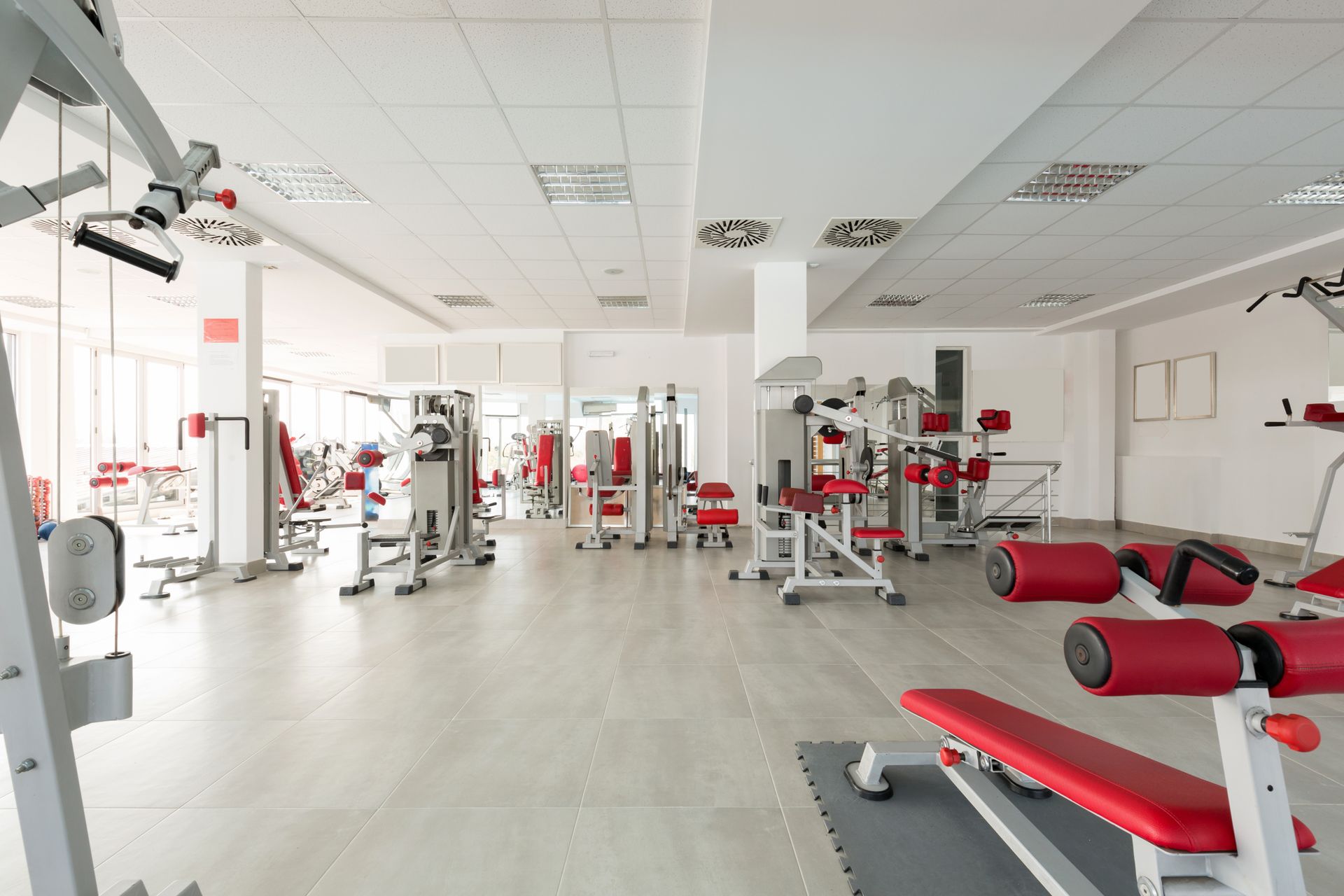
More equipment does not always create a better gym. In many cases, overcrowding the space can actually make the facility less appealing. When machines are packed too tightly, users may feel uncomfortable, rushed, or unsafe. They may avoid certain areas because there is not enough room to move. Staff may also find it harder to clean, inspect, and maintain equipment when everything is too close together.
Overcrowding is especially common in smaller apartment gyms, hotel fitness rooms, and corporate wellness spaces. Facility managers want to offer variety, which makes sense, but too much equipment can make the room feel cramped. A compact space with the right equipment and good traffic flow usually serves users better than a crowded room filled with machines that are difficult to access.
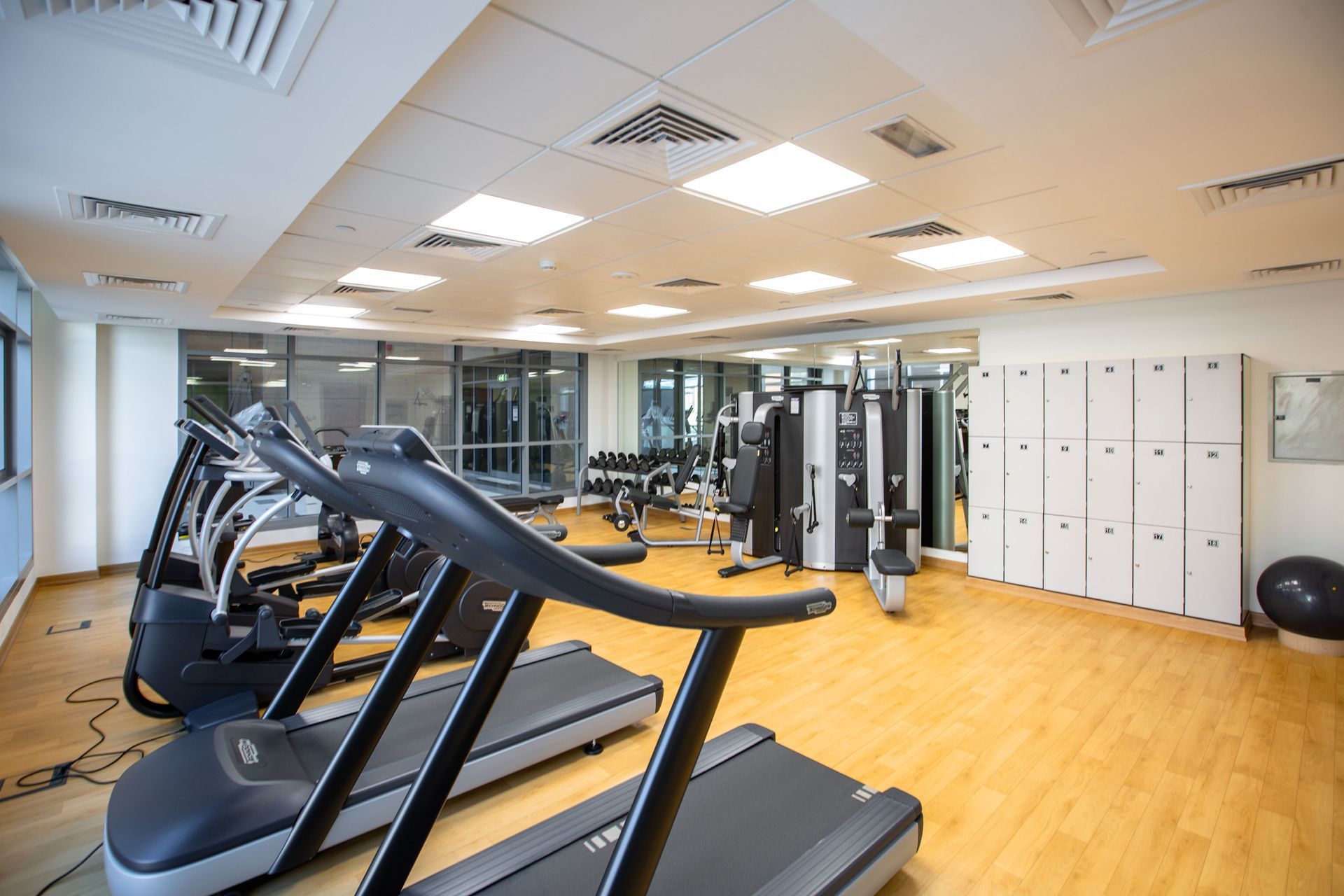
A well-designed commercial gym should give each area room to function properly. Cardio equipment needs enough spacing for comfort, safety, cleaning, and service access. Strength machines need enough room for users to enter, adjust, perform the movement, and exit without bumping into other equipment. Free weight areas need open space around benches, racks, and dumbbells. Functional training areas need flexible space for movement. When the room has breathing room, the entire facility feels more professional.
Ignoring Traffic Flow
Traffic flow is one of the most important parts of commercial gym design, but it is also one of the easiest to overlook. A fitness space should be easy to understand as soon as someone walks in. Users should know where to go for cardio, strength training, stretching, free weights, accessories, and open movement. If the layout feels confusing, people may hesitate, wander, or avoid parts of the room.
Poor traffic flow can create frustration and safety concerns. Users may have to walk through a free weight area to reach cardio equipment. People may need to step around benches, mats, or machines to get across the room. High-use equipment may be placed in a tight corner that causes congestion. Storage may be located far from the area where accessories are used, which can lead to clutter.
A strong layout creates natural zones. Cardio equipment may be grouped together. Strength machines may be organized by training type. Free weights should have enough surrounding space. Stretching and functional training areas should feel open and flexible. Storage should be easy to access and easy to use. When traffic flow is planned correctly, users can move through the space more comfortably and the facility feels easier to manage.
Not Creating Enough Open Training Space
Another common mistake is filling every available square foot with equipment and leaving no open training area. Many users today expect space for stretching, mobility work, bodyweight exercises, kettlebells, bands, medicine balls, core work, and functional training. Even in facilities that focus heavily on cardio and strength equipment, open space still matters.
Without enough open training space, users may create their own space in areas that were not designed for it. They may stretch between machines, use mats in walkways, or move accessories into crowded areas. This can make the room feel messy and create unnecessary safety concerns. It can also make the facility feel outdated, especially for users who expect more flexible workout options.
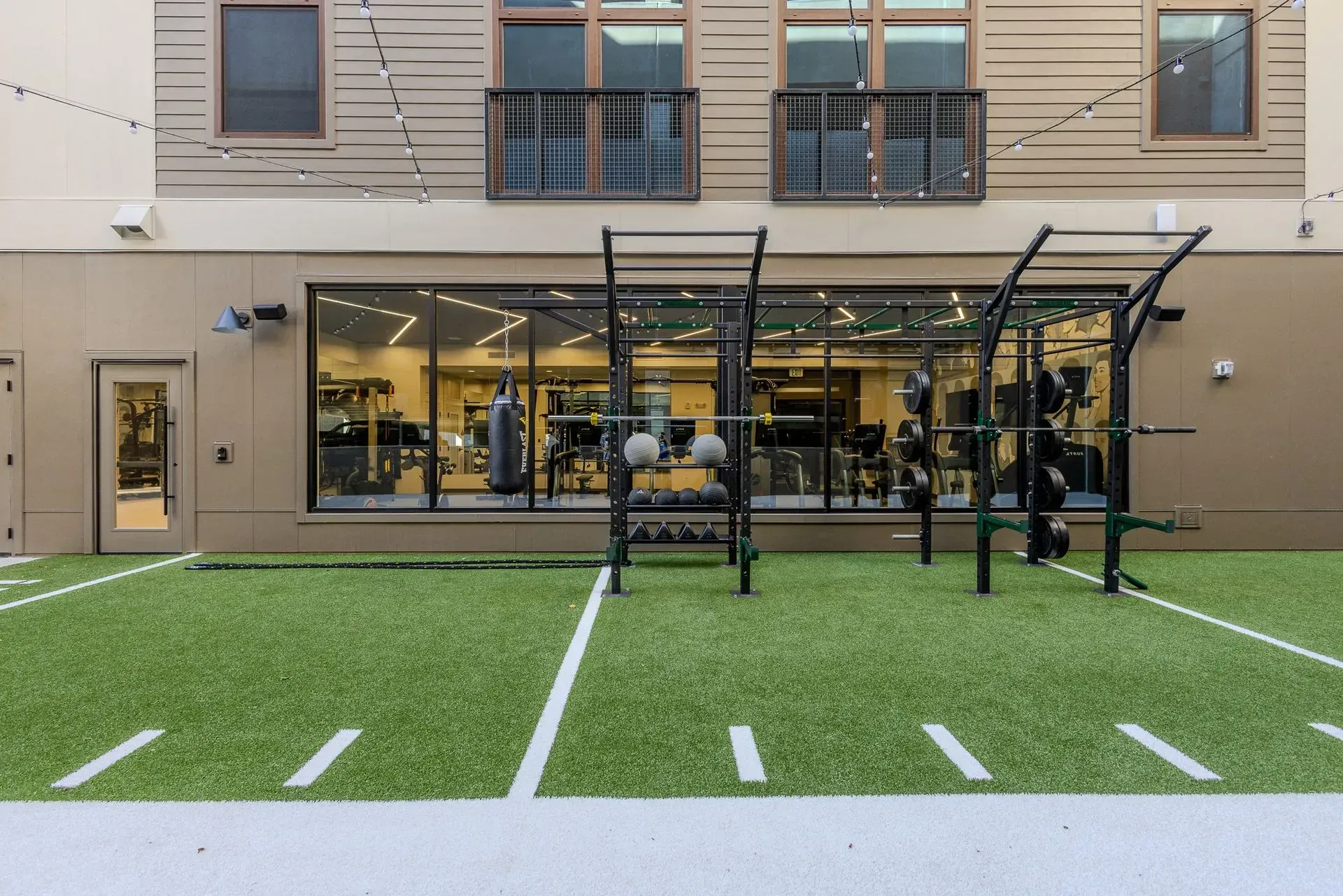
Open space does not have to be huge to be valuable. In smaller gyms, a thoughtfully designed corner or zone can make a major difference. The key is making sure the area is planned, visible, and supported with the right flooring and accessories. Functional training areas should not feel like leftover space. They should feel like an intentional part of the facility.
Choosing the Wrong Flooring
Flooring is a major part of commercial gym design, but it is often treated as a finishing detail instead of a core decision. The right flooring helps support safety, comfort, durability, noise reduction, impact protection, and the overall look of the facility. The wrong flooring can create problems for users, equipment, and the building itself.
Different areas of a gym may need different flooring solutions. Free weight areas need flooring that can handle impact and heavy use. Cardio areas need durable surfaces that support equipment and foot traffic. Functional training areas may need turf, rubber, or other surfaces that allow for movement. Stretching areas may need a surface that feels clean and comfortable. If one flooring type is used everywhere without considering the function of each zone, the space may not perform as well as it should.
Flooring also affects how professional the gym feels. Worn, damaged, uneven, or mismatched flooring can make the entire room look older, even if the equipment is in good condition. When flooring is planned alongside equipment and layout, the finished space feels cleaner, safer, and more intentional.
Poor Placement of Free Weights and Strength Equipment
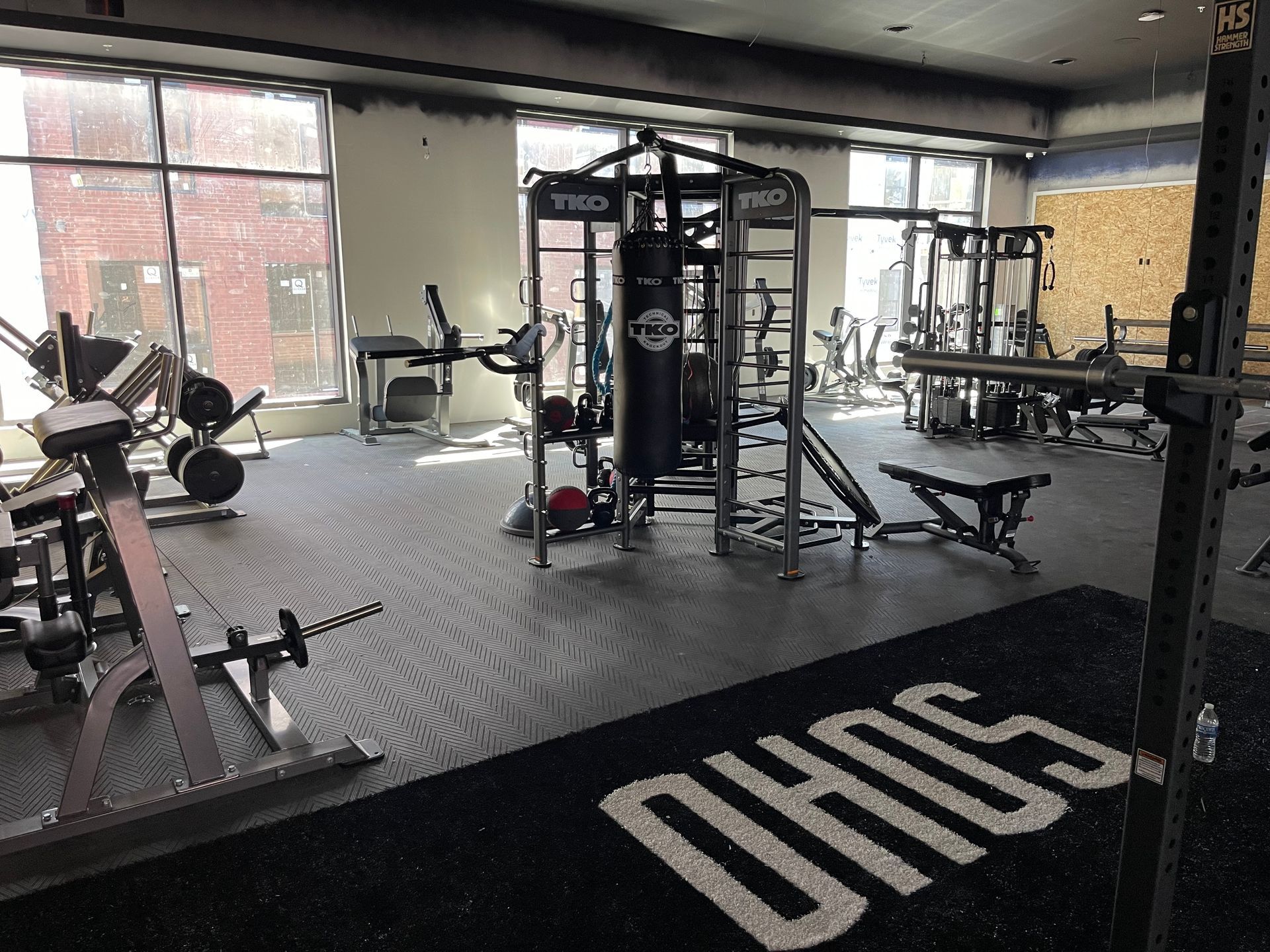
Free weight and strength areas need careful planning because they often involve heavier equipment, more movement, and higher user concentration. A common design mistake is placing benches, dumbbell racks, squat racks, or plate-loaded machines in areas that do not provide enough clearance. This can make users feel cramped and can create conflicts between people moving through the space and people actively lifting.
Strength equipment should be placed in a way that supports both the movement and the user experience. Benches need room around them. Dumbbell racks should be positioned so users can access weights without blocking others. Cable machines need enough space for different exercises and angles. Plate storage should be close enough to be useful but not placed where it creates clutter. Racks and heavier equipment should be positioned with safety, flooring, and traffic flow in mind.
When strength areas are designed well, users feel more confident and comfortable. They can move between exercises more easily, find what they need, and complete workouts without feeling like they are in the way. This can make a big difference in how often the strength area gets used.
Forgetting About Storage
Storage may not seem exciting, but it has a major impact on how a fitness space looks and functions. Accessories like mats, bands, medicine balls, foam rollers, jump ropes, collars, kettlebells, handles, and attachments can quickly create clutter if there is no clear place for them. A cluttered gym feels less professional and can create safety concerns.
Good storage should be easy to see, easy to access, and easy to maintain. If storage is inconvenient, users are less likely to put items back where they belong. If there is not enough storage, accessories may end up on the floor, in corners, or scattered throughout the room. This can make cleaning and maintenance harder for staff and create a poor impression for users.
Storage should be included in the design plan from the beginning. It should match the type of equipment and accessories being used in the space. A small apartment gym may only need simple wall-mounted storage, while a larger facility may need multiple storage zones. The goal is to make the room feel organized and easy to use.
Not Planning for Maintenance Access
A gym may look good on installation day, but if the equipment cannot be cleaned, inspected, or serviced easily, the layout can create long-term problems. Maintenance access should always be considered during commercial gym design. Technicians may need room to access motors, belts, cables, pulleys, consoles, frames, and other components. Staff may need space to clean around and underneath equipment.
When machines are placed too close to walls or too close to each other, service becomes more difficult. This can slow down repairs and make preventative maintenance less efficient. It can also make the space harder to keep clean. Over time, equipment that is difficult to maintain may experience more issues or look worn down faster.
A better design leaves enough room for practical maintenance. That does not mean wasting space. It means placing equipment in a way that supports real daily operation. For commercial facilities, maintenance access is part of protecting the equipment investment.
Ignoring Power and Technology Needs
Many pieces of commercial fitness equipment require power, connectivity, or specific placement considerations. Cardio machines with consoles, entertainment features, charging ports, performance tracking, or interactive displays may need electrical access. Some facilities may also want Wi-Fi coverage, mounted screens, sound systems, digital signage, or other technology features.
If these needs are not considered early, the final layout may be limited. Extension cords, awkward placement, blocked outlets, or equipment that cannot be used as intended can all create problems. Planning power and technology needs before installation helps avoid frustration and keeps the space looking cleaner.
This is especially important when upgrading older fitness rooms. A facility may have been designed for a different generation of equipment. Before adding new machines, it is worth reviewing whether the room can support them properly. EcoFit Solutions can help facilities think through equipment placement and installation details so the final setup works the way it should.
Designing for Looks Instead of Real Use
A fitness space should look good, but appearance should not come at the expense of function. Some facilities choose equipment or layouts based mainly on how the room will photograph, how it looks in a rendering, or how impressive it seems at first glance. While presentation matters, the space still has to work for real people completing real workouts.
A design that looks clean but lacks enough variety may not keep users engaged. A layout that looks full but feels cramped may frustrate users. Trendy equipment that does not match the audience may go unused. A beautiful space with poor flooring, weak storage, or limited maintenance access can create operational issues.
The best commercial gym design balances appearance and function. It should look professional, but it should also feel intuitive, safe, durable, and practical. Users should be able to complete workouts comfortably. Staff should be able to manage the space. Equipment should be easy to access and maintain. That balance is what creates long-term value.
Forgetting Future Growth
A commercial fitness space should be designed for how it will be used today, but it should also consider what may change over time. Facilities often evolve. A gym may add more members. An apartment community may grow. A hotel may refresh its amenities. A school may expand athletic programming. A corporate wellness center may see more employee participation. If the original layout leaves no flexibility, future upgrades become harder.
Planning for future growth does not mean leaving the room unfinished. It means making smart choices that allow the space to adapt. That may include choosing versatile equipment, leaving room for future additions, using modular storage, selecting durable flooring, or creating zones that can evolve over time. A little flexibility can make future updates much easier.
EcoFit Solutions helps facilities think beyond the first installation. A good design should support today’s users while making it easier to improve the space later as needs change.
Creating a Better Fitness Experience Starts With Better Planning
Commercial gym design mistakes can affect everything from user satisfaction to equipment performance. A crowded layout, poor traffic flow, weak flooring choice, lack of storage, limited open space, and poor maintenance access can all make a fitness facility harder to use and harder to manage. The good news is that many of these issues can be avoided with the right planning.
A well-designed fitness space should feel organized, comfortable, durable, and easy to use. It should match the needs of the people using it. It should support the equipment, protect the facility, and create a better experience from the moment someone walks in. Whether the space is large or small, the design should have a clear purpose.
EcoFit Solutions helps commercial facilities create better fitness environments through equipment planning, design, flooring, installation, moving, maintenance, and repair. If your current gym feels crowded, outdated, difficult to maintain, or disconnected from what your users need, our team can help you rethink the space and create a better plan.
Contact EcoFit Solutions today to start planning a commercial fitness space that works better for your facility and the people who use it.