
How Preventative Maintenance Protects Your Commercial Fitness Equipment Investment
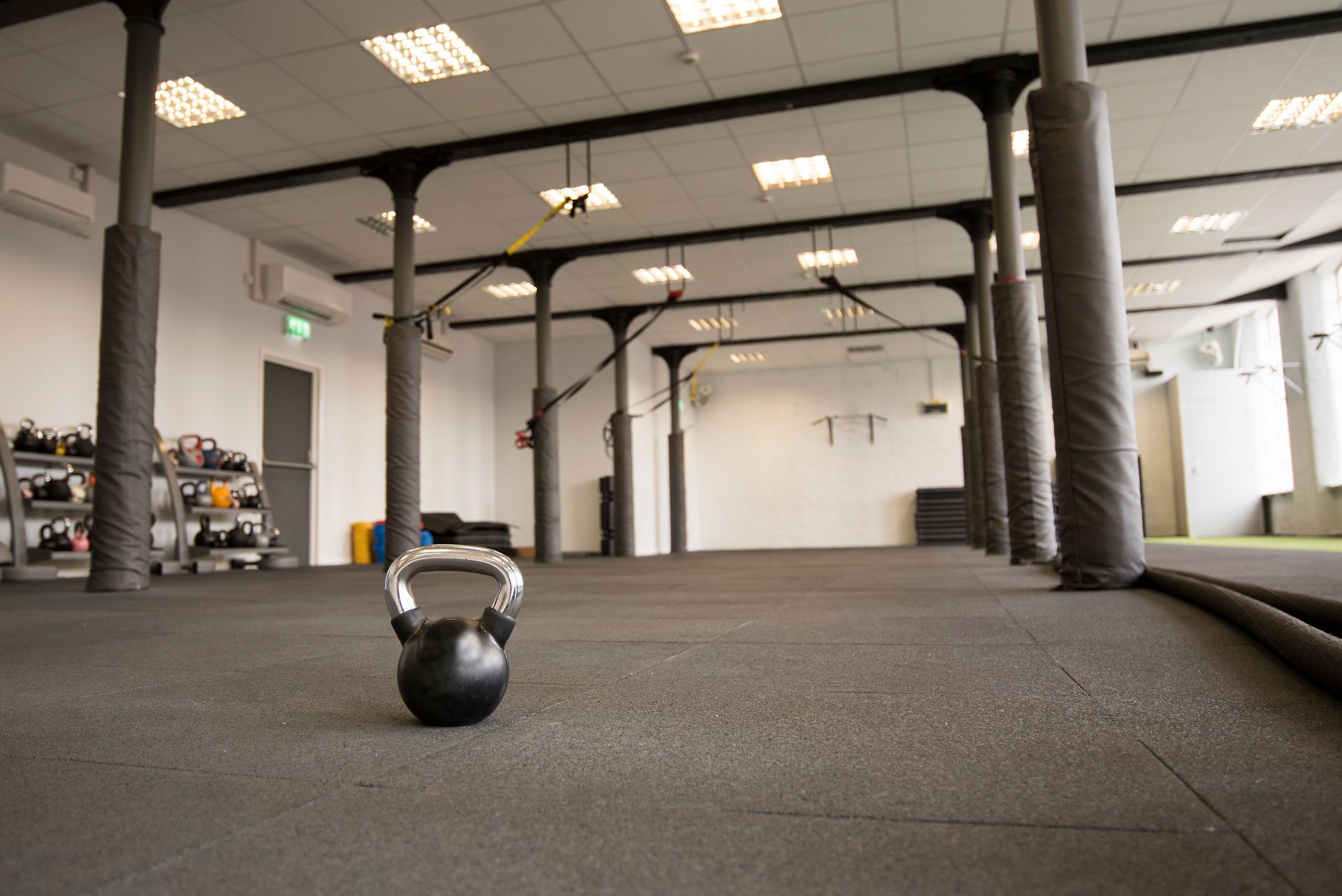
Commercial fitness equipment is one of the most important investments inside any fitness facility. Whether you manage a gym, apartment fitness center, hotel workout room, school training space, corporate wellness center, physical therapy space, or recreation facility, your equipment plays a major role in how people experience your space.
When the equipment works well, members and guests may not think much about it. They simply step onto a treadmill, adjust a strength machine, use a cable system, grab a bench, or move through their workout without frustration. When equipment starts breaking down, however, people notice quickly.
A treadmill that slips, an elliptical that feels uneven, a bike that makes noise, a cable machine that does not move smoothly, or a strength machine with worn pads can change how someone feels about your entire facility. Even if the rest of the space looks great, poorly maintained equipment sends the wrong message.
That is why preventative maintenance is so important.
Preventative maintenance is not just about fixing something after it breaks. It is about protecting your equipment, extending its lifespan, reducing downtime, and keeping your facility looking and operating the way it should. For commercial fitness spaces, this can make a major difference in both day-to-day operations and long-term costs.
At EcoFit Solutions, we work with commercial fitness facilities that depend on their equipment every day. Our team helps facilities maintain, repair, move, install, upgrade, and plan their equipment so they can create better fitness environments for their users. Preventative maintenance is one of the best ways to keep that investment performing over time.
Commercial Fitness Equipment Takes a Beating
Commercial fitness equipment is built to handle more use than residential equipment, but that does not mean it can be ignored. In many facilities, the same machines are used over and over throughout the day by people with different workout styles, fitness levels, and expectations.
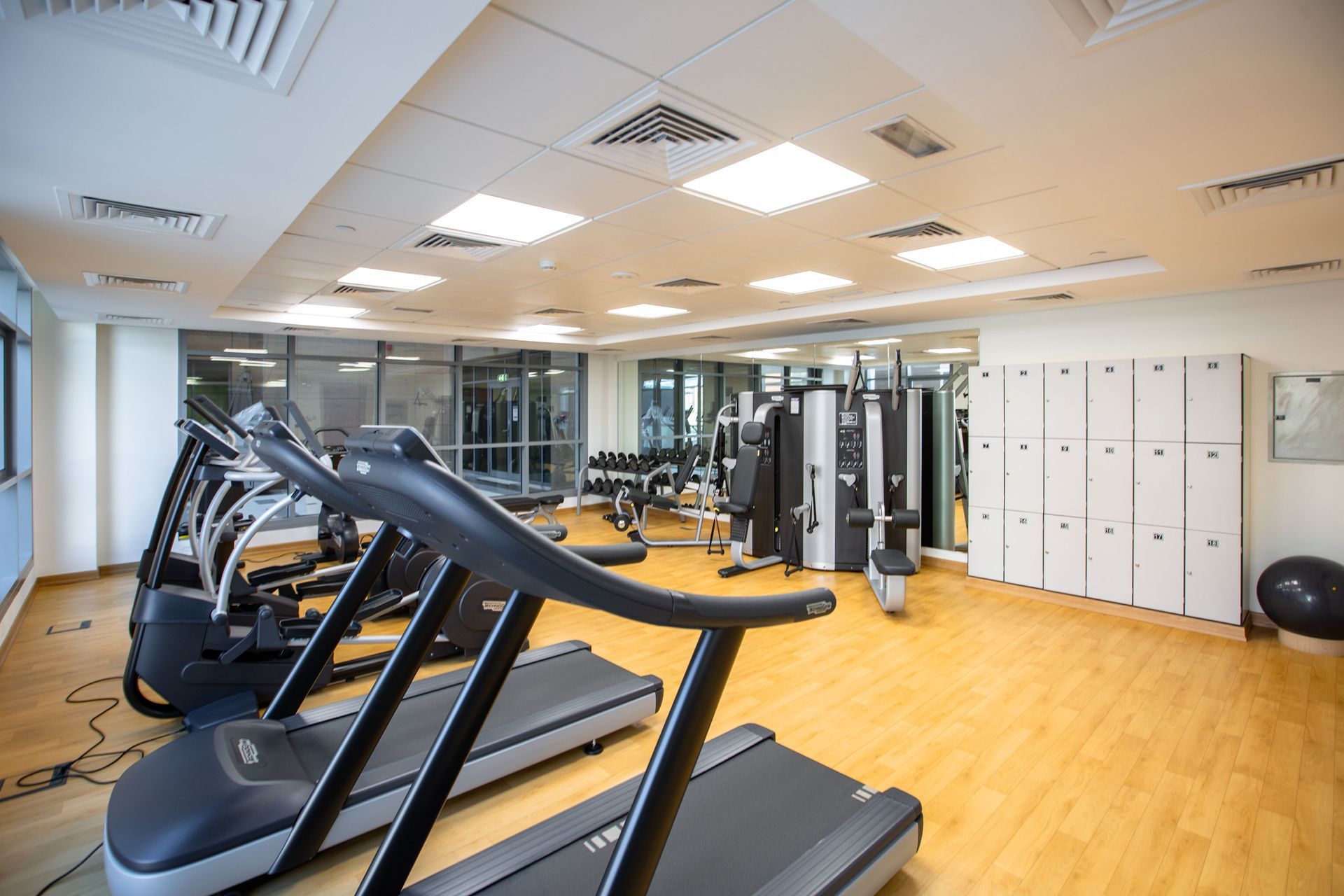
Cardio equipment can see heavy daily use. Treadmills, ellipticals, bikes, stair climbers, and rowers all have moving parts that need attention. Belts wear down. Motors work hard. Consoles get used constantly. Pedals, handles, and resistance systems go through repeated stress.
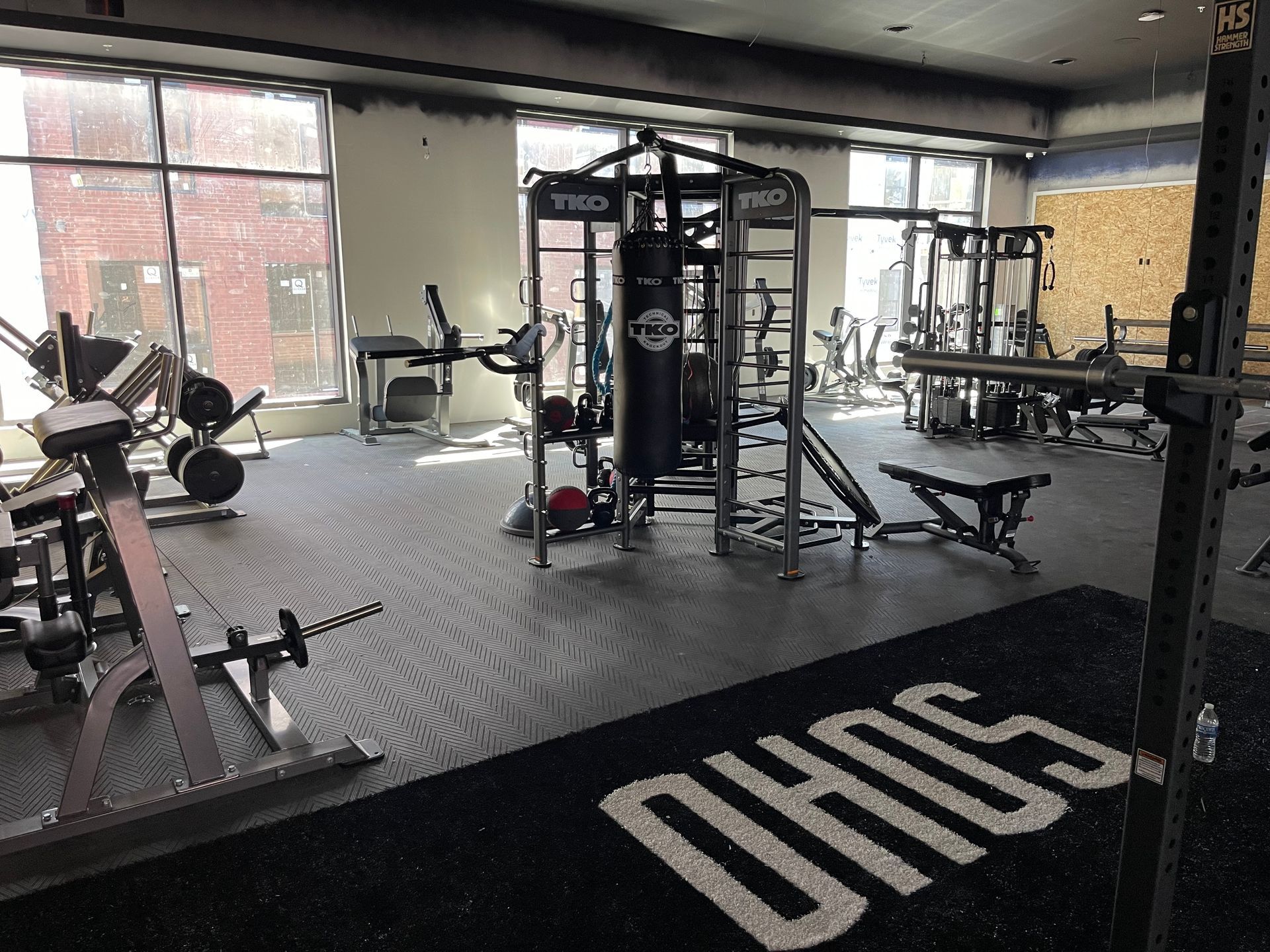
Strength equipment has its own maintenance needs. Cables, pulleys, guide rods, selector pins, pads, grips, benches, and frames all need to be checked regularly. Free weight areas also require attention because racks, benches, dumbbells, bars, and plates can wear down or become damaged from repeated use.
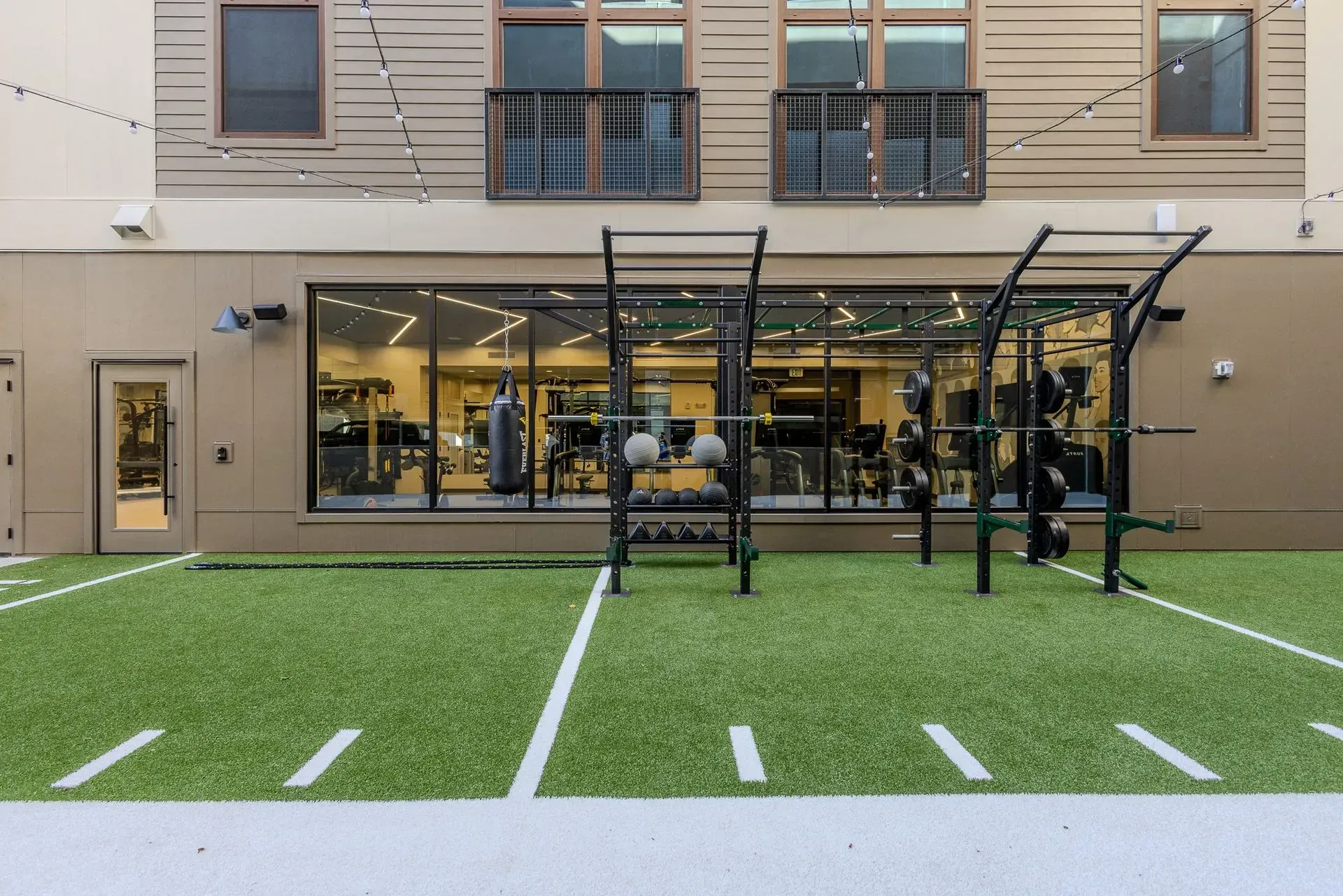
Even functional training areas need maintenance. Turf, mats, medicine balls, kettlebells, bands, sleds, storage systems, and accessories all contribute to the user experience. When these items are not maintained, the space can start to feel disorganized, worn down, or unsafe.
The more people use your facility, the more important maintenance becomes. Commercial equipment may be designed for heavy use, but it still needs regular care to stay reliable.
Small Issues Can Become Expensive Problems
One of the biggest benefits of preventative maintenance is catching small issues before they turn into major repairs.
A strange sound, loose part, uneven movement, worn cable, slipping belt, or damaged pad may seem minor at first. In a busy facility, these issues are easy to overlook. Staff may assume the equipment is still usable. Members may avoid reporting the issue. The machine may continue to run for a while, even though it is slowly getting worse.
Over time, small problems can create bigger ones.
A treadmill belt that is not properly aligned can put extra strain on the motor. A worn cable can become a safety concern. Loose hardware can affect the stability of a machine. A damaged pad can make equipment look neglected. A noisy bearing or pulley can turn into a larger mechanical issue.
Preventative maintenance helps identify these concerns early. Instead of waiting for a machine to go completely out of service, a trained technician can inspect the equipment, make adjustments, recommend repairs, and help you plan ahead.
This approach can help reduce surprise expenses and give facility owners more control over their equipment budget.
Downtime Hurts the Member Experience
When a machine is out of order, it affects more than that piece of equipment. It affects how people feel about the facility.
In a commercial gym, members may become frustrated if their favorite treadmill, cable machine, or leg press is unavailable. In an apartment fitness center, residents may question the value of the amenity if equipment is consistently broken. In a hotel, guests may leave disappointed if the fitness center does not meet expectations. In a corporate wellness room, employees may stop using the space if the equipment feels unreliable.
Downtime also creates operational challenges. Staff may need to place signs on equipment, respond to complaints, adjust cleaning routines, or answer questions about when repairs will be completed. If multiple machines are down at once, the entire facility can feel poorly managed.
Preventative maintenance helps reduce these issues by keeping equipment in better condition throughout the year. While no maintenance plan can prevent every possible repair, regular inspections and service can lower the chances of avoidable breakdowns.
For facility owners and managers, that means fewer disruptions and a better experience for the people using the space.
Maintenance Helps Protect Your Brand
Your fitness equipment says a lot about your facility.
Clean, smooth, well-maintained equipment tells people that you care about quality. It shows that you are investing in the experience. It gives members, residents, employees, students, patients, or guests confidence that they are using equipment that has been looked after properly.
Worn, noisy, broken, or outdated equipment sends a different message.
People may start to wonder what else is being ignored. They may avoid certain machines. They may complain to staff. They may choose another gym, apartment community, hotel, or wellness space that feels better maintained.
This is especially important in competitive markets. Fitness users today have more options than ever. A facility does not always need to be the newest or largest to stand out, but it does need to feel reliable, clean, and intentional.
Preventative maintenance supports that image. It helps keep equipment looking better, moving better, and performing the way users expect.
Safety Should Always Be Part of the Conversation
Safety is another major reason to prioritize commercial fitness equipment maintenance.
Fitness equipment involves moving parts, resistance, weight, speed, and repeated physical use. When equipment is not maintained, it can create unnecessary risk for users and facility operators.
Cables can fray. Bolts can loosen. Belts can slip. Pads can tear. Frames can shift. Moving parts can wear down. Accessories can become damaged. Flooring can begin to show wear in high-impact areas.
A regular maintenance plan helps identify these concerns before they become larger safety issues. Technicians can inspect equipment, check key components, make adjustments, and flag items that need repair or replacement.
This is especially important for facilities that serve a wide range of users. Apartment fitness centers, schools, hotels, corporate gyms, and community spaces may have people using equipment without much supervision. In those environments, equipment reliability matters even more.
A safer fitness space starts with equipment that is properly maintained.
Preventative Maintenance Can Extend Equipment Life
Commercial fitness equipment is a major investment, so it makes sense to get as much value out of it as possible.
Regular maintenance can help extend the life of your equipment by reducing unnecessary wear and keeping machines operating correctly. When parts are cleaned, adjusted, lubricated, inspected, and repaired as needed, the equipment is more likely to perform well over time.
This does not mean every piece of equipment should be kept forever. Eventually, machines may become outdated, replacement parts may be harder to find, or repairs may no longer make financial sense. But preventative maintenance can help you get a better return from the equipment you already own.
It can also help you make better replacement decisions.
Instead of waiting until equipment fails unexpectedly, you can work with a partner like EcoFit Solutions to evaluate the condition of your machines and plan upgrades when the timing makes sense. That gives you more control over your budget and helps prevent rushed decisions.
Maintenance Supports Better Budget Planning
Unexpected equipment repairs can be frustrating because they often happen at the worst possible time. A machine may break during a busy season, before an inspection, after a new membership push, or right when your facility is trying to improve user satisfaction.
Preventative maintenance gives facility managers a clearer picture of what is happening with their equipment. When machines are inspected regularly, you can better understand which pieces are in good shape, which may need repairs soon, and which may be approaching replacement.
That information helps with planning.
You can prioritize repairs. You can budget for replacement equipment. You can decide whether it makes more sense to fix a machine or upgrade it. You can avoid being caught off guard when multiple pieces need attention at once.
For commercial facilities, this kind of planning matters. Fitness equipment is not just a one-time purchase. It is an ongoing asset that needs to be managed properly.
The Right Maintenance Partner Makes a Difference
Not every facility has the time, staff, or expertise to manage commercial fitness equipment maintenance internally. Even if your team notices a problem, they may not know what caused it, whether it is safe to keep using the machine, or whether it needs a repair, adjustment, or replacement.
That is where working with a professional partner can help.
EcoFit Solutions works with commercial facilities to support their fitness equipment needs from planning and installation to maintenance and repair. We understand that every facility is different. A large gym, apartment fitness room, hotel fitness center, school weight room, and corporate wellness space all have different usage patterns and equipment needs.
A professional maintenance partner can help you look at the full picture. That includes the condition of your existing equipment, the layout of your space, the type of users you serve, the level of traffic your facility receives, and your long-term goals.
Preventative maintenance becomes more effective when it is part of a larger strategy for your fitness space.
Maintenance Is Also About Member Retention
People return to fitness spaces that feel dependable.
When users know the equipment works, they are more likely to build routines around your facility. They can trust that the machines they want to use will be available and functioning properly. They can move through their workouts without dealing with avoidable frustrations.
That consistency supports retention.
For gyms, it can help members feel better about staying. For apartments, it can make the fitness center a stronger amenity. For hotels, it can improve the guest experience. For corporate wellness rooms, it can encourage employees to keep using the space. For schools and training facilities, it can help athletes and students train more effectively.
Preventative maintenance may not always be the most visible part of operating a fitness facility, but users feel the results. Smooth equipment, fewer breakdowns, cleaner presentation, and better reliability all contribute to a stronger experience.
When Should Facilities Schedule Maintenance?
The right maintenance schedule depends on the type of facility, the amount of equipment, the age of the equipment, and how often it is used.
A busy commercial gym may need more frequent service than a small office wellness room. An apartment fitness center with steady resident use may need a different plan than a hotel fitness room. A school weight room may have seasonal usage patterns based on athletics and training schedules.
The best approach is to have the equipment evaluated and create a plan that fits the facility. Preventative maintenance should not be treated as a one-size-fits-all service. It should be based on how your equipment is actually being used.
EcoFit Solutions can help facilities determine the right maintenance approach based on their equipment, layout, and goals.
Protect Your Equipment Before Problems Start
Waiting until equipment breaks is rarely the best strategy.
By the time a machine is out of order, the issue may already be more expensive, more inconvenient, and more noticeable to users. Preventative maintenance helps reduce that risk by keeping your equipment on a regular service schedule and giving you better insight into the condition of your fitness space.
For commercial fitness facilities, this is about more than keeping machines running. It is about protecting your investment, improving the user experience, supporting safety, reducing downtime, and planning smarter for the future.
If your facility depends on commercial fitness equipment, EcoFit Solutions can help you take better care of it. From preventative maintenance and repairs to equipment planning, installation, moving, flooring, and design, our team helps facilities create fitness spaces that work better for the people who use them.
To learn more about preventative maintenance for your commercial fitness equipment, contact EcoFit Solutions today.