

The Late-Summer Reset: Apartment Fitness Center Equipment Maintenance in St. Louis

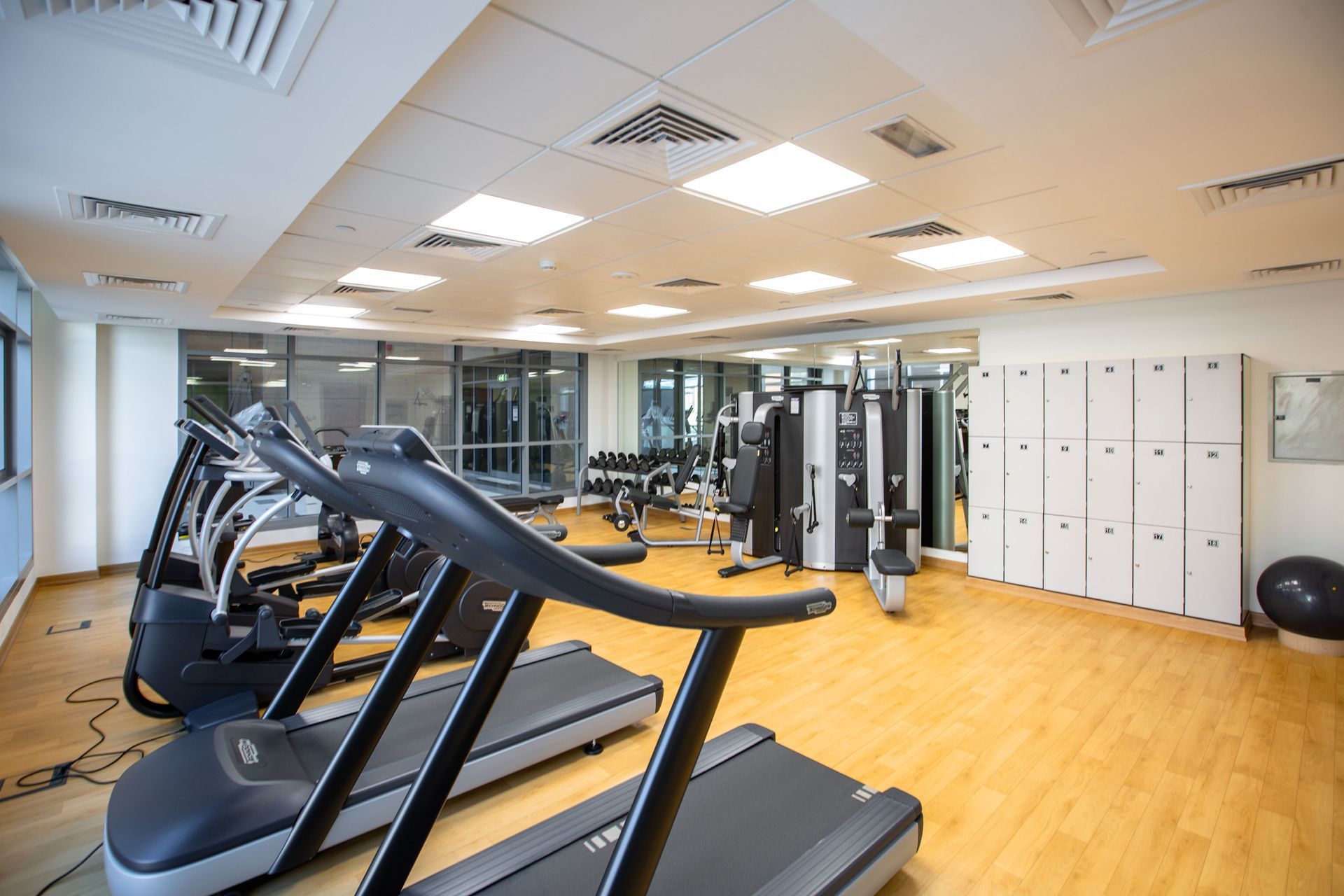
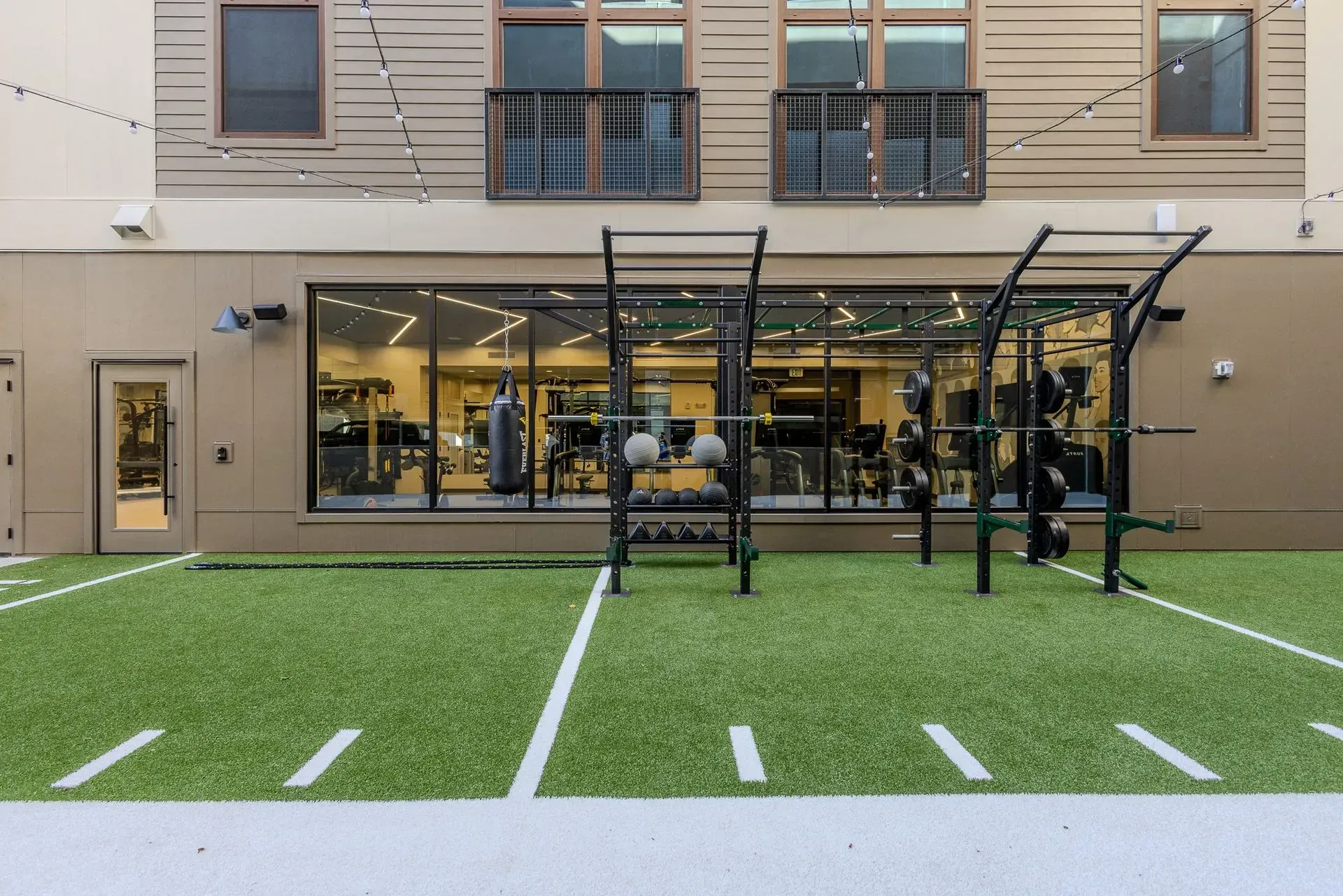
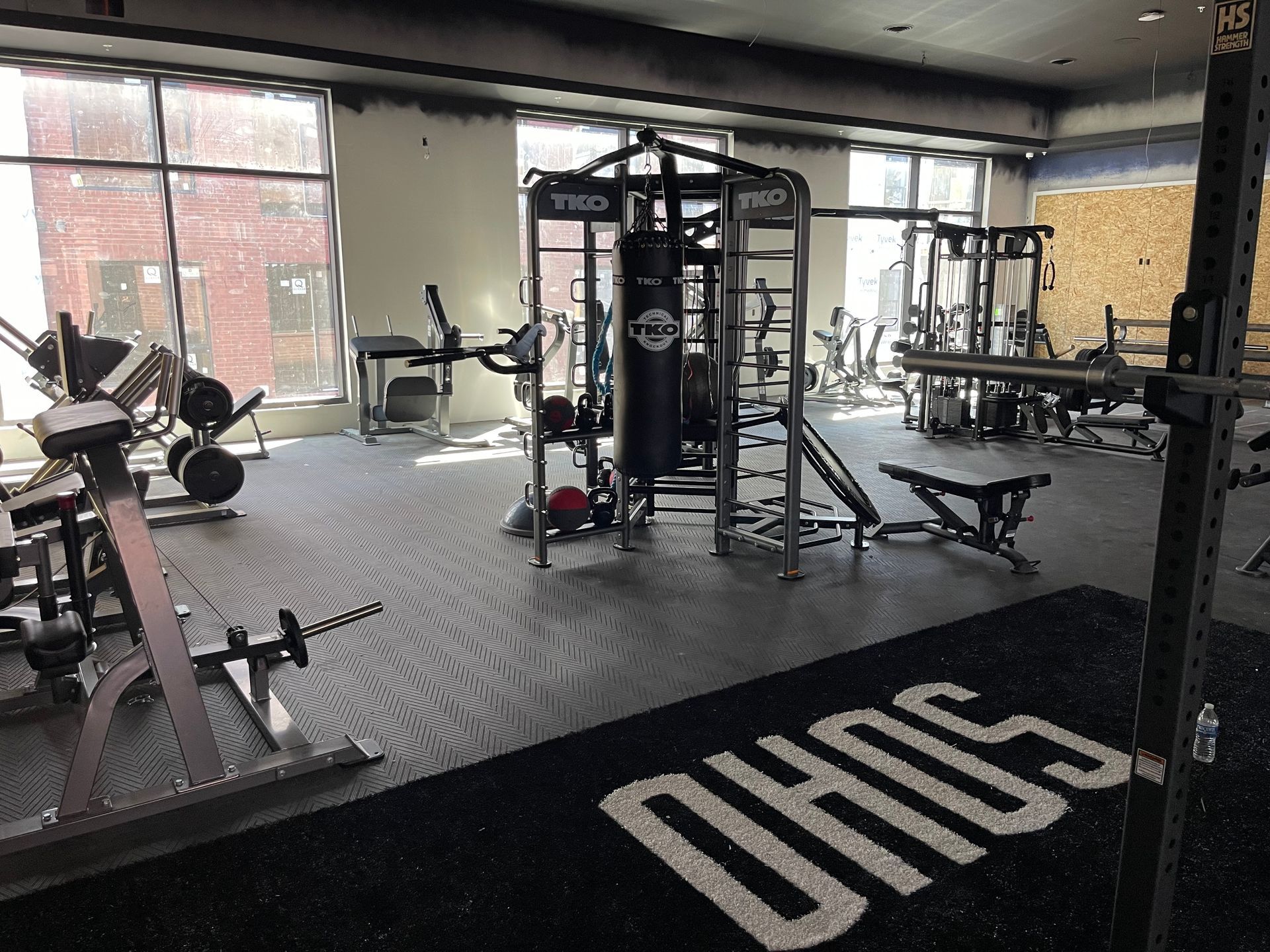
Your fitness room isn't your job. Leasing is, or guest satisfaction is, or keeping fifteen other building systems running is. But the fitness room is on every tour, in every review, and in every resident complaint email — and it just came through the hardest four months of its year.
August is the natural checkpoint. A round of apartment fitness center equipment maintenance now catches the damage summer did, gets the room tour-ready for fall leasing, and gives you real numbers before next year's budget locks.
Summer Is Harder on Amenity Equipment Than You Think
Three things stack up between May and August in a St. Louis amenity room.
Heat and humidity. Amenity fitness rooms are frequently the least climate-controlled space in the building — a converted garden level, a corner of a clubhouse, a room with one undersized wall unit. Sustained humidity puts moisture on guide rods, cable housings, and electronics that were designed for a conditioned space.
Volume. Summer means longer daylight hours, more residents home, more guests, and turnover season bringing new residents who want to try the amenity they just paid for.
No supervision. This is the part that separates amenity rooms from staffed gyms. Nobody is watching. Equipment gets used wrong, moved, unplugged, leaned on, and left running. Small problems don't get reported — they just get worse until a machine stops.
The absence of complaints is not evidence that your equipment is fine. Residents usually stop using a bad machine long before they bother telling you about it.
The Walk-Through: What Your Team Can Safely Check
Your maintenance tech or property manager can do this in twenty minutes, no equipment expertise required. Bring a phone for photos.
- Power on every single machine and run it for two minutes. Half of amenity room problems are found this way and no other way.
- Note every error code and dead display exactly as it appears. Photograph the screen.
- Look for fraying, kinks, or flat spots on cables and straps. If you see any, tag the machine out of service and leave it alone.
- Check treadmill belts for visible wear — glazing, frayed edges, or a belt riding off-center.
- Confirm shrouds, guards, and selector pins are all present. Loose or missing hardware is a service call, not a fix-it-yourself item.
- Inspect pads and upholstery for splits and exposed foam.
- Listen for grinding, squealing, or knocking and note which machine and at what speed or resistance.
- Look down. Curling flooring seams, gaps around equipment feet, and lifting tile edges under cardio decks.
- Check the room itself. Airflow, working fans, sanitizing wipes stocked, mirrors intact, lights all functioning.
Photograph everything you flag and keep it in one running file. Do not open a console, service a motor, adjust cable tension, or touch a flywheel or brake system — those carry stored energy and live current, and improper work on them can void your equipment warranty.
What Preventative Maintenance Handles That You Can't
A preventative maintenance visit gets inside the machine. On treadmills, that means clearing debris from the motor compartment, lubricating the elevation motor shaft, taking electrical readings to assess wear, and checking drive belt tension, belt tracking, and speed and incline calibration. On ellipticals and bikes, shrouds come off to reach pivot points, cranks, chains, and resistance systems for inspection, tightening, and lubrication.
Two things make this worth scheduling rather than waiting for failures.
First, it front-loads the discovery. A technician catches a worn drive belt in August instead of you getting a resident email in October. Second, it produces documentation — a per-machine record of what was serviced and what was flagged, which is exactly what you need when ownership asks why the fitness room needs a capital line item.
Anything found outside PM scope moves into equipment repair, and we'd rather quote it while we're already on site.
Tour-Ready Is a Different Standard Than Working
A machine can be mechanically fine and still cost you a lease. Prospects walking your fitness room read cosmetics as a proxy for how the whole building is managed.
Split cushions, mismatched replacement equipment, a machine with a sun-bleached side panel, and a treadmill with a piece of tape over the console all say the same thing to someone deciding between your property and the one down the road.
Look at the room the way a prospect does, from the doorway. If your equipment mix is dated or wasn't right for the space to begin with, best commercial gym equipment for apartment complex gyms is a useful starting point for planning.
Turn Your August Findings Into a Budget Number
The reason to do this in August is that you can still act on what you learn. Sort every flagged item into three buckets:
- Immediate. Unsafe or non-functional. Repair now or remove the machine from the room.
- This fiscal year. Working but degrading. Repair or PM before the January usage spike, which is the single heaviest month for amenity fitness rooms.
- Capital request. Equipment where accumulated repair cost, downtime, and appearance have passed the value of keeping it. These need a written justification, and your service history is that justification.
That third bucket is where we're most useful. We run cost-benefit analysis on repair versus replace so you're not guessing, and if a machine has three good years left, we'll tell you that instead of quoting a new one. When replacement genuinely is the answer, outfitting a fitness center in a multi-family complex walks through what to plan for.
Get It Scheduled Before Fall Leasing
The fitness room is one of the few amenities that gets judged on every tour and used every day, and it's the one most likely to be running on equipment nobody has looked inside in a year.
Email your walk-through notes and photos to service@ecofitsolutions.com, or start from our contact page, and we'll scope a late-summer service visit for your fitness room. We work with multifamily, hotel, and corporate amenity spaces across the St. Louis metro, and we'll give you a straight read on what needs attention now, what can wait, and what belongs in next year's budget.