

Summer Is Your Service Window: Getting School and Campus Weight Rooms Ready Before Fall
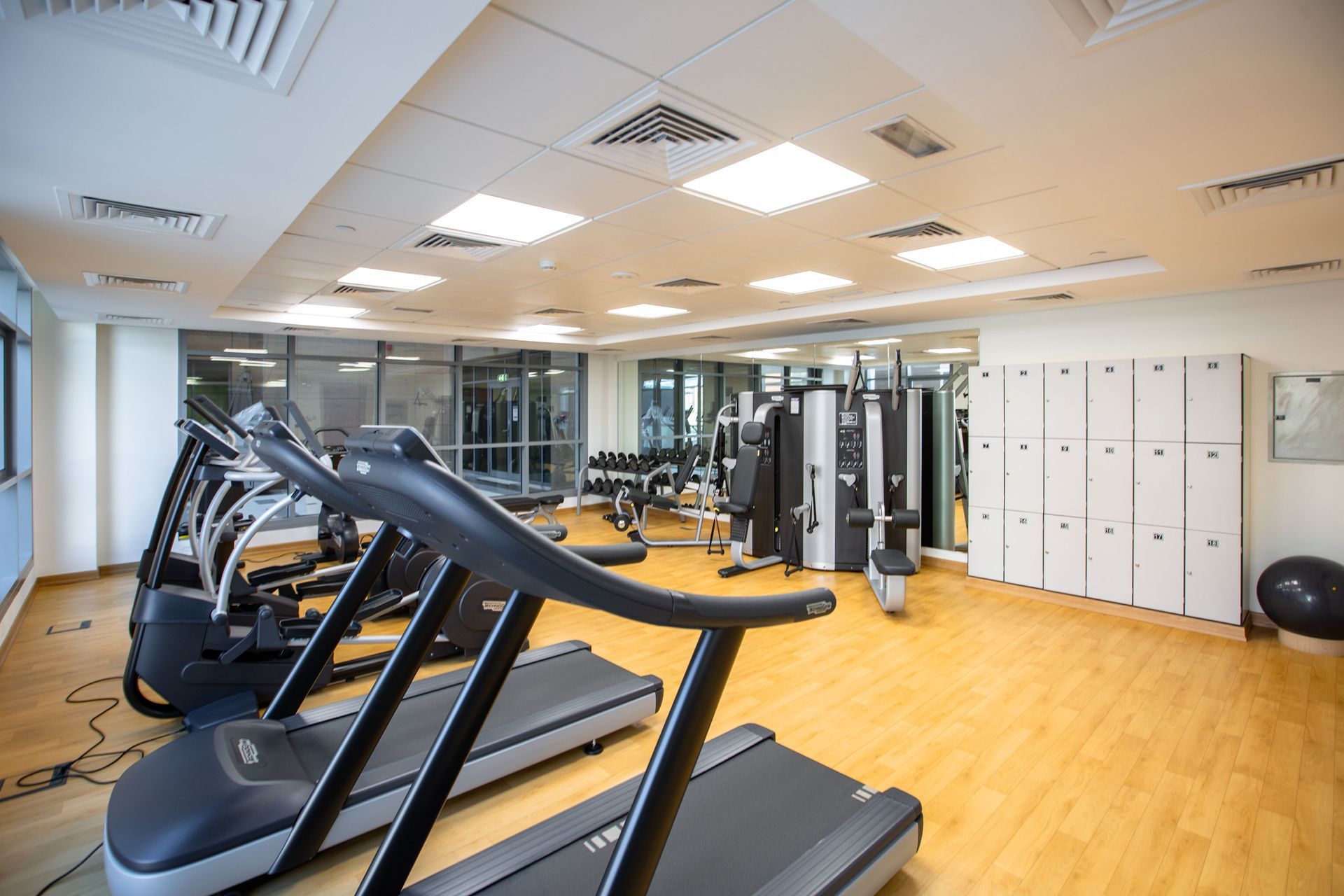
Your weight room ran hard from August through May, absorbed spring sports, and is now sitting quiet for a few weeks. That gap is the only stretch of the year when school weight room equipment service doesn't have to be negotiated around a practice schedule.
It's also the last point where a summer fix stays a summer fix instead of becoming an in-season emergency. Here's how to use the window well.
The Academic Calendar Gives You Exactly One Clean Window
Once fall practice starts, your weight room has a standing occupant nearly every period of the day — PE classes, in-season teams, off-season lifting groups, sometimes staff and community use after hours. Taking a rack or a platform out of service in September means displacing a group that has nowhere else to go.
Summer removes that constraint. It also gives you time for parts to arrive, which matters on older equipment where a component may not be on a shelf somewhere. A repair identified in July has room to be completed properly. The same repair identified in September gets rushed or deferred.
Start With an Inventory, Not a Repair List
Most schools have a repair list. Fewer have a current inventory, and the inventory is what makes budget conversations work. For every piece of equipment on the floor, record:
- Make, model, and approximate age or acquisition year
- Where it sits on the floor and what it's used for
- Service history — what's been repaired, when, and how often
- Current condition, including visible wear on cables, belts, upholstery, and frames
- Whether guards, shrouds, pins, and clips are all present
- Whether it's still appropriate for the population using it
An inventory with service history attached is what turns "we need money for the weight room" into a specific, defensible request tied to named equipment.
That last inventory item is worth dwelling on. High school programs shift. A floor built around a bench-and-squat program may not fit a program that's moved toward multi-joint platform work and speed development. Equipment can be mechanically fine and still be the wrong equipment.
What a Summer Service Pass Should Cover
A thorough pass on a high-usage institutional floor should address every category on it, because each wears differently:
| Equipment type | What summer service should address |
|---|---|
| Racks and platforms | Frame integrity and fastener condition, J-cup and safety pin wear, platform and insert condition, anchoring |
| Selectorized strength | Cable and pulley inspection, guide rod condition, upholstery, pad hardware, guards and shrouds |
| Treadmills | Belt and deck wear, tracking and tension, motor and drive assessment, console function, elevation |
| Bikes, ellipticals, rowers | Drive system and resistance function, pivot points, seat and adjustment mechanisms, console behavior |
| Free weights and accessories | Bar knurl and sleeve rotation, plate and collar condition, rack and storage stability, bench upholstery and hardware |
| Flooring | Seam separation, curling edges, impact damage under platforms, subfloor moisture indicators |
Cable and pulley systems deserve particular attention on a school floor. They see the highest volume of untrained users, and cable failure under load is one of the few equipment faults that injures someone immediately. Inspection is appropriate for your staff; cable service and replacement is technician work and should stay that way.
Our post on keeping weight room equipment clean, safe, and ready for student athletes covers the in-house side of this in more detail.
Documentation Is What Protects Next Year's Budget
Institutional funding runs on fiscal years and justification. A service visit that produces a written condition report on every machine gives you three things a verbal update doesn't:
- A record of what was serviced, what was flagged, and what was recommended
- Evidence of the pattern when a specific machine keeps needing attention
- A basis for the replacement request you'll make next cycle, with dates attached
Ask for that report in writing as part of the engagement, not as a favor afterward. Over two or three cycles it becomes the equipment history your program doesn't currently have.
Standardize the Fleet Where You Can
Weight rooms accumulate. A rack bought in one budget year, a donated machine, a used unit from a closing facility, three different treadmill models. Every additional model adds parts complexity and staff training overhead.
You won't fix that in one summer, but replacement decisions are the lever. When something reaches end of life, replacing toward fewer models rather than more simplifies everything downstream. Our overview of weight room design and equipment priorities covers how to think about that sequencing.
Put It Under a Service Agreement
Most institutional floors are better served by a scheduled agreement than by individual purchase orders. A recurring plan sets known visit intervals, produces documentation on the same cadence, moves the cost into a forecastable line item, and means the first conversation of the school year isn't about a machine that failed in week two.
Structuring it before your fiscal year closes is generally easier than reopening it midyear.
Book Your Summer Service Window
Eco Fit serves schools, universities, rec centers, and first-responder facilities across the St. Louis metro. We're a certified women-owned business, and our approach centers on cost-benefit analysis — we'll tell you which equipment is worth maintaining, which is worth repairing, and which you should be planning to replace.
To schedule a summer pass or set up a preventative maintenance program for your facility, call (314) 433-9064 or email service@ecofitsolutions.com. For urgent items you've already identified, start with equipment repairs, or reach us through our contact page. We're available Monday through Friday, 8:00 a.m. to 3:00 p.m., by appointment.