

Summer Humidity and Your Amenity Fitness Room: What St. Louis Property and Hotel Teams Should Watch
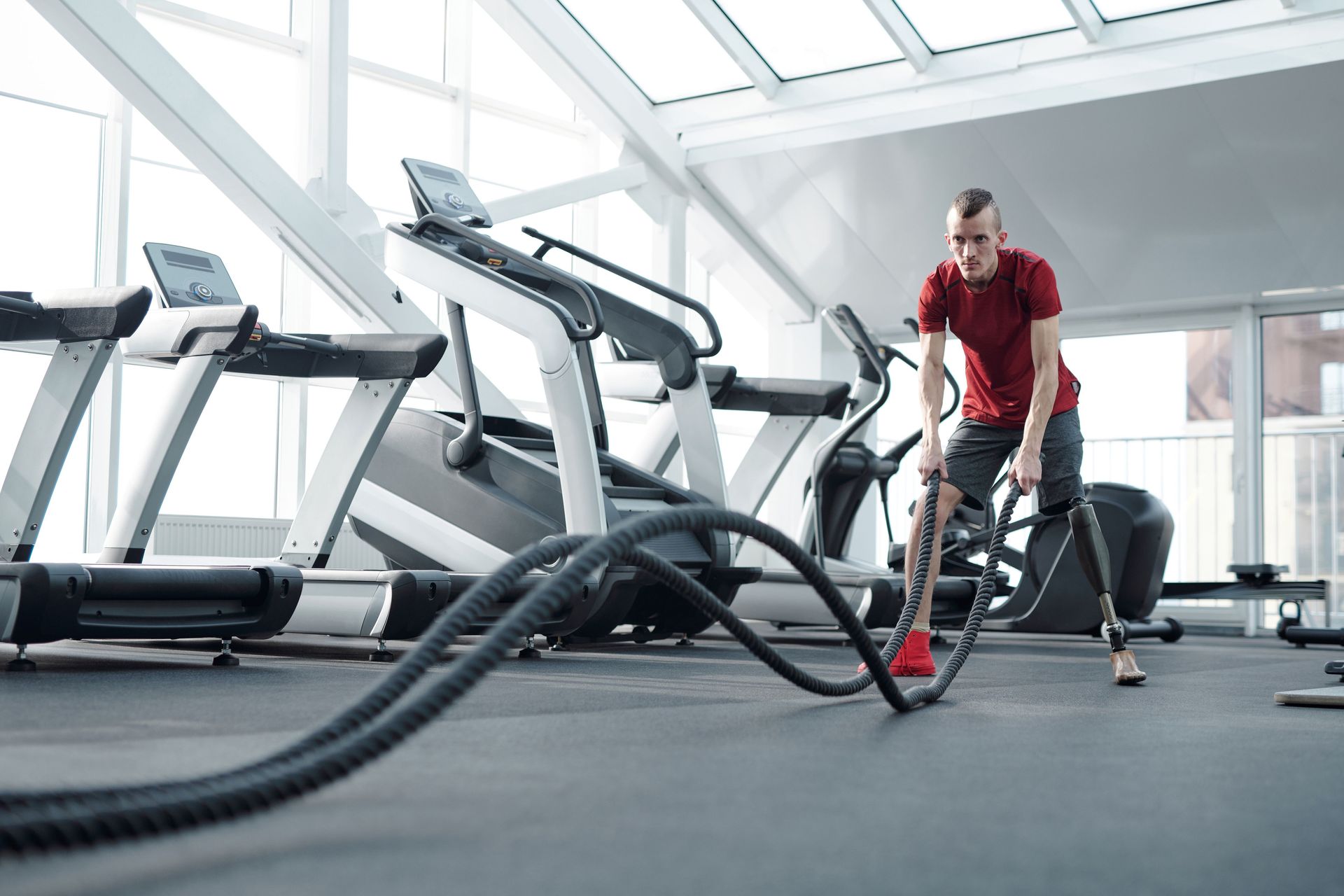
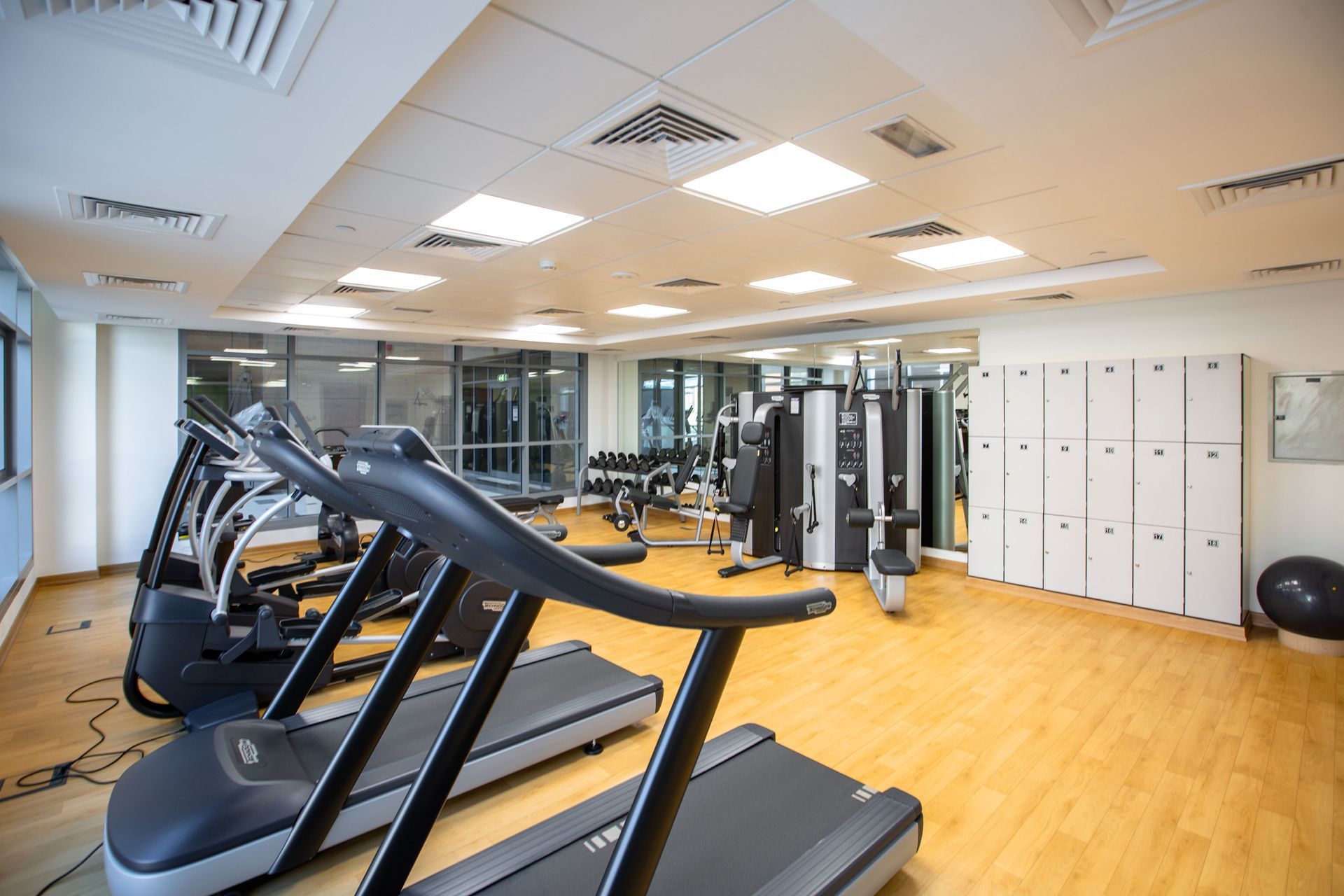
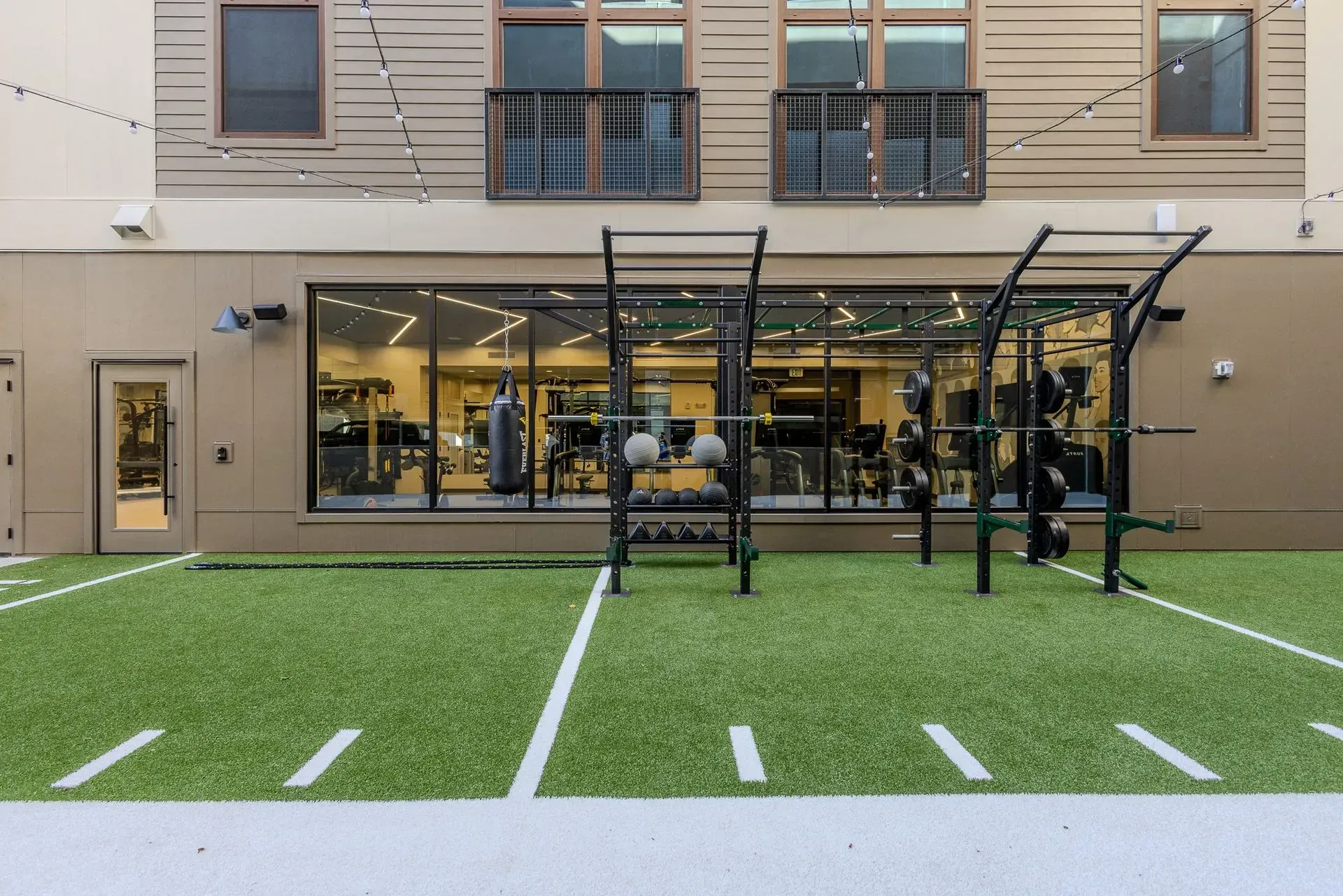
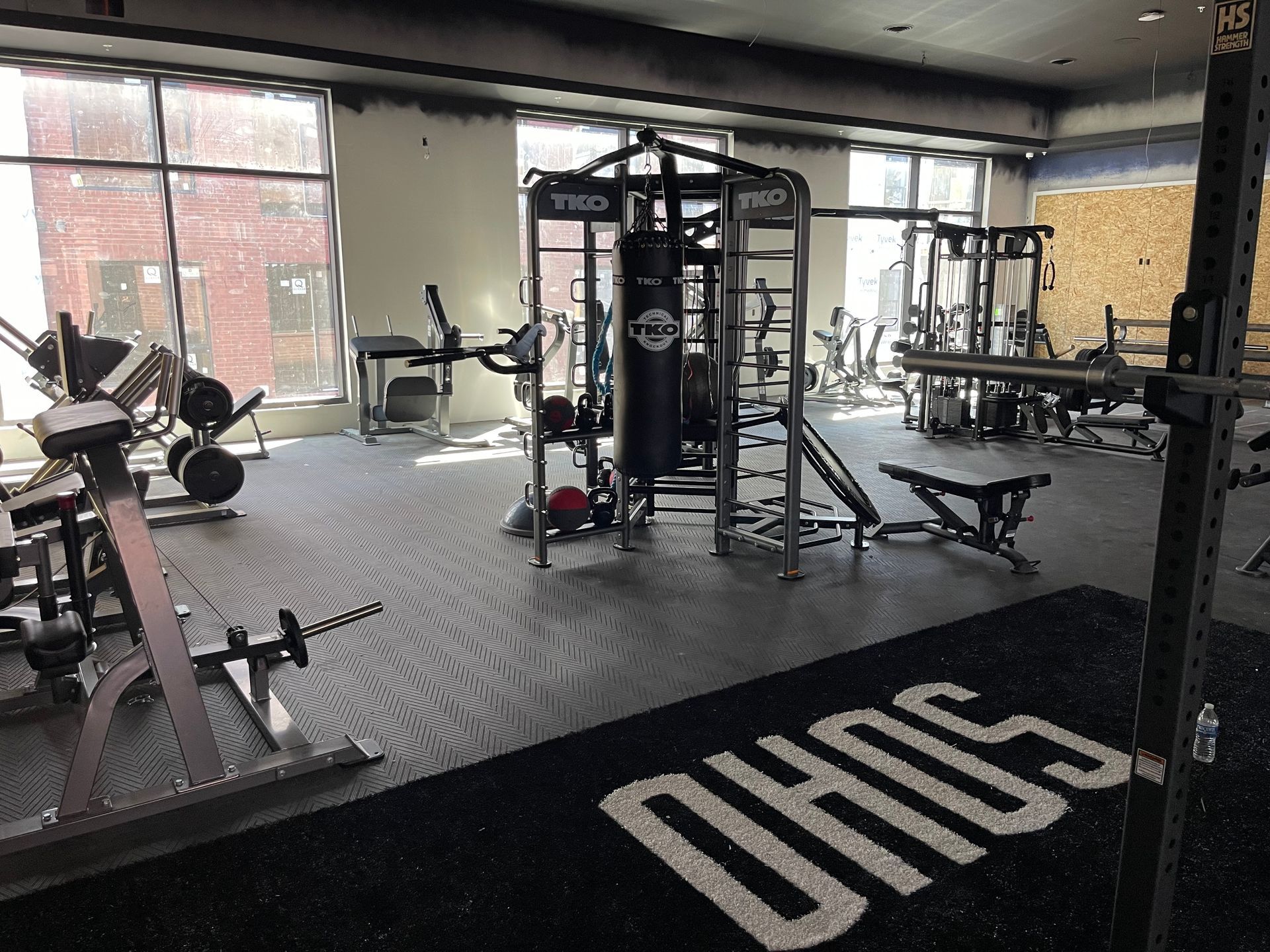
The fitness room isn't your core business, but it's on every tour, every property review, and every guest satisfaction survey. And St. Louis summers are harder on it than most people running the building realize.
Amenity fitness room maintenance gets more complicated in July because heat and humidity work on equipment continuously, not just when someone's using it. Here's what to watch, what your onsite team can handle, and where the line is.
Why Summer Is Harder on an Amenity Room Than a Gym
Commercial gyms are usually purpose-built with dedicated HVAC. Amenity rooms often aren't. They're converted units, clubhouse corners, basement level spaces, or rooms at the end of a corridor where the building's air handling was never designed around a dozen people generating heat and moisture.
Add a propped-open door in July, a room that shares air with a pool deck, or a thermostat set for the lobby rather than for machines, and you get sustained high humidity in a space full of steel, upholstery, and electronics.
None of that breaks a machine overnight. It shortens the interval between service visits.
What Heat and Humidity Actually Do to Equipment
The damage is cumulative and mostly invisible until it isn't:
- Corrosion on exposed metal. Guide rods, weight stacks, adjustment pins, and fasteners develop surface oxidation. Rough guide rods make a machine feel gritty and accelerate wear on bushings.
- Upholstery breakdown. Moisture plus sweat plus the wrong cleaner degrades vinyl seams faster. A split seam lets moisture into the foam, and then the pad has to be replaced rather than cleaned.
- Electronics stress. Consoles and control boards live in a warmer environment and shed heat less efficiently. Intermittent console faults often show up first in summer.
- Belt and deck behavior. Treadmill belts respond to temperature and humidity. Tracking issues and slip complaints cluster seasonally for a reason.
- Flooring and subfloor moisture. Rubber flooring over a slab in a humid, poorly ventilated room can trap moisture underneath, which shows up as lifting seams or odor.
If your fitness room is warmer and stickier than the rest of the building in July, you are on a shorter maintenance clock than the manufacturer's general guidance assumes.
What Your Onsite Team Can Safely Own
There's real value in a weekly walk-through, and none of it requires opening a machine. A ten-minute pass covers:
- Wipe-down of contact surfaces — handles, grips, consoles, seats and pads — using a cleaner the equipment manufacturer approves, not a general-purpose degreaser.
- Visual check of belts, decks, and upholstery for visible fraying, cracking, splitting, or edge wear.
- Confirm guards, shrouds, pins, and clips are present and undamaged on every machine.
- Check that machines sit level and don't rock when loaded.
- Verify climate and airflow — thermostat setting, vents unobstructed, fans working, doors closed.
- Log everything in one shared place with the date, so patterns become visible instead of anecdotal.
That log is the most underrated item on the list. "The elliptical is making a noise" is a guess. "The elliptical has been clicking under load since June 14, worse in the afternoon" is a diagnosis starting point.
Where the Line Is
Anything past inspection belongs to a technician. Do not have maintenance staff open consoles, work on motors or control boards, adjust or replace cables, or service flywheels and brake systems. Those systems carry live current or store mechanical energy, and a well-intentioned in-house fix can create an injury risk and a warranty problem at the same time.
Any machine with a damaged cable, a missing guard, a seat that shifts under load, a burning smell, or a breaker trip should be tagged out and taken out of use until it's been through equipment repair service. A machine that's down is an inconvenience. A machine that's unsafe and still in use is a different category of problem.
Tour-Readiness Is a Maintenance Outcome
Prospective residents and guests don't evaluate your fitness room mechanically. They read it visually — cracked seat pads, a treadmill with a handwritten note taped to the console, rust bloom on a weight stack, a room that smells damp.
Those signals do more damage than the underlying repair costs, because they suggest how the rest of the building is run. That's the connection between routine upkeep and the way an on-site gym drives tenant retention. If your flooring is also showing its age, our flooring solutions address the surface and the subfloor moisture behind it.
Predictable Service Beats Surprise Repairs
The budgeting problem with amenity fitness rooms is that reactive repair costs arrive without warning and always at the wrong point in the fiscal year. A scheduled maintenance program moves that spend into a line item you can forecast.
It also changes the conversation with ownership. Instead of requesting approval for an unplanned repair, you're reporting on a known service interval with documentation behind it. That documentation is also what tells you when a machine has crossed from "worth maintaining" into "plan the replacement."
Get Your Fitness Room on a Schedule Before Fall
Eco Fit works with multifamily properties, hotels, and corporate wellness spaces across the St. Louis metro, and we'll tell you plainly which machines are worth maintaining and which ones aren't. That cost-benefit view is the point — you shouldn't be spending repair dollars on a unit that's near the end of its life.
To set up preventative maintenance for commercial fitness equipment at your property, call (314) 433-9064 or email service@ecofitsolutions.com. You can also start from our contact page. We're available Monday through Friday, 8:00 a.m. to 3:00 p.m., by appointment.