
Spring Gym Maintenance: Preparing Your Facility for the Surge in Members
Spring is right around the corner, and if you run a gym or fitness center in the St. Louis area, now is the time to get ahead of maintenance needs. The new year always brings a surge in gym memberships, and by the time spring rolls around, wear and tear on your equipment starts to show. If you haven’t already, this is the perfect time to implement a preventative maintenance plan to keep your gym in top shape for the busy season ahead.


The Impact of the New Year Rush on Gym Equipment

Every January, fitness facilities see an influx of new members eager to follow through on their New Year's resolutions. Treadmills, ellipticals, weight machines, and free weights all experience increased usage, which leads to faster deterioration if not properly maintained. By the time spring arrives, equipment that started the year in top condition may be showing signs of strain, from belt slippage on treadmills to squeaky strength machines.


In St. Louis, where seasons change drastically, members are starting to move their workouts outdoors, but that doesn’t mean gym traffic slows down. Many members continue their strength training and cardio indoors, making it essential to ensure all equipment is working properly before peak summer months begin.


Why Spring is the Best Time for Preventative Maintenance

As the seasons shift, gyms should use this time to focus on preventative maintenance. Spring is an excellent opportunity to address any minor issues before they turn into costly repairs or, worse, completely unusable equipment.


Having a structured maintenance plan in place will help:

  • Extend the lifespan of your equipment
  • Reduce unexpected breakdowns and downtime
  • Improve member satisfaction and safety
  • Maintain a professional and well-kept facility


A gym that takes care of its equipment will retain members better than one that doesn’t. No one wants to work out on a machine that squeaks with every rep or use a treadmill that suddenly stops mid-run. If your members are met with out-of-order signs too often, they’ll start looking for other gyms that prioritize their workout experience.


Key Areas to Focus on for Spring Preventative Maintenance

Spring is the perfect time to take a proactive approach to gym maintenance. Here are a few areas to focus on:


Cardio Equipment Tune-Up

Treadmills, ellipticals, rowing machines, and stair climbers see heavy use throughout the year.


Check for:

  • Belt wear and slippage
  • Console and screen responsiveness
  • Unusual noises or vibrations
  • Proper lubrication of moving parts
  • Dust and debris buildup in vents


Regular servicing of cardio machines prevents major breakdowns and keeps them running smoothly for members who rely on them daily.


Strength Training Equipment Inspection

Machines and free weights also experience wear, especially after a busy winter season.


Inspect:

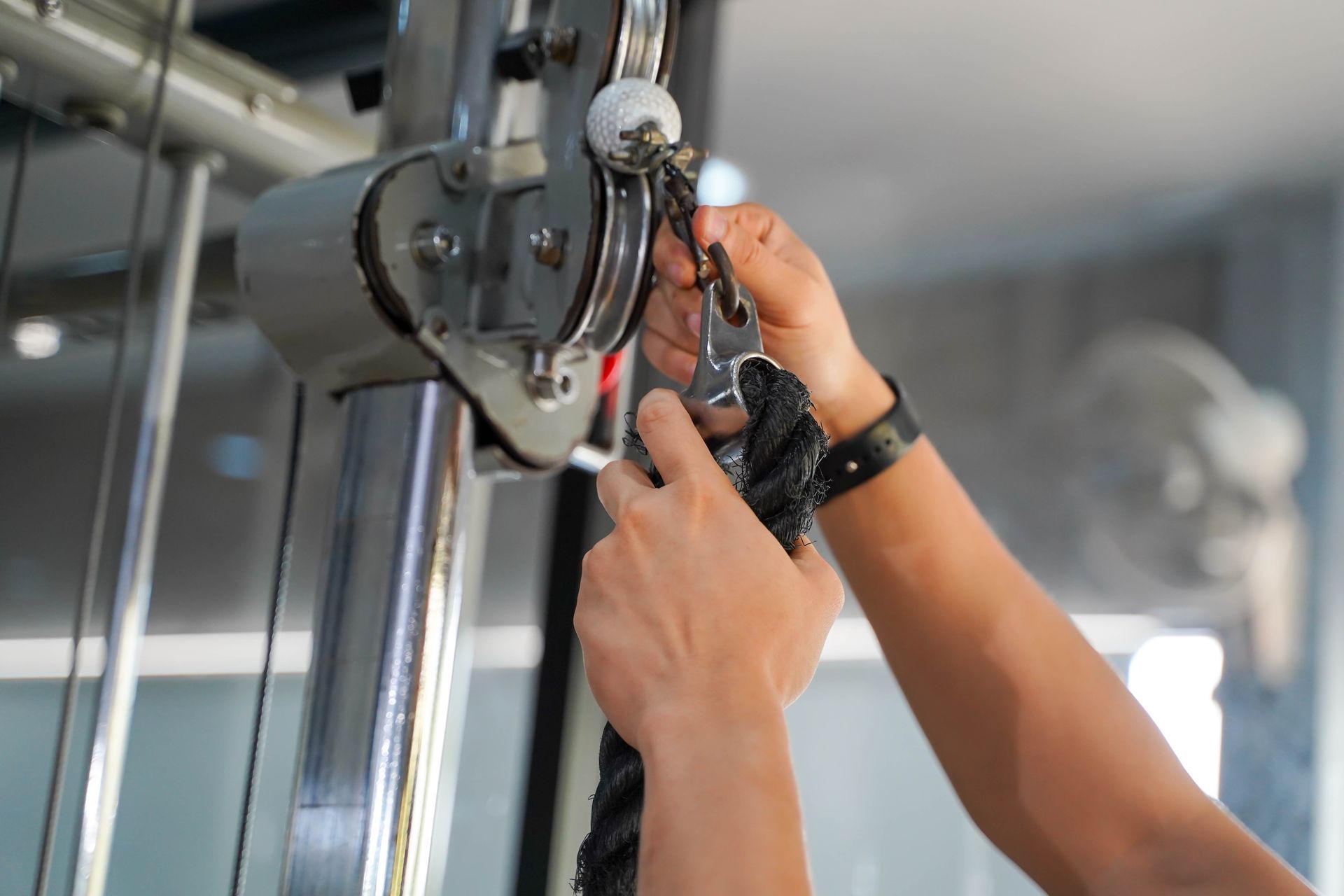
  • Cables for fraying or looseness
  • Pulleys for smooth operation
  • Weight stacks for alignment issues
  • Benches for stability and padding wear
  • Dumbbells and barbells for loose components


Ensuring that strength equipment remains safe and functional prevents injuries and improves member confidence in your gym.


Sanitization and Deep Cleaning

Cold and flu season often lingers into early spring, making this a crucial time to deep clean your facility.


Focus on:

  • Disinfecting high-touch surfaces like dumbbells, barbells, and machine handles
  • Cleaning ventilation systems to improve air quality
  • Scrubbing mats, floors, and locker rooms
  • Wiping down screens and control panels on cardio machines


Members appreciate a gym that not only looks clean but is maintained at the highest standards. A clean gym is a healthier gym, and a healthier gym keeps members coming back.


HVAC and Airflow Maintenance

Spring temperatures in St. Louis can fluctuate, so it’s important to check your HVAC system to keep the gym comfortable. Proper ventilation helps with air quality, prevents odors, and ensures members enjoy their workouts without overheating. Change air filters, clean ducts, and make sure all climate control systems are running efficiently before summer heat kicks in.


Why Partner with a Professional for Preventative Maintenance?

While daily and weekly cleaning checklists are essential, a professional maintenance plan takes things to the next level. Having a team of experts regularly inspect, service, and repair your gym equipment ensures nothing gets overlooked. At EcoFit Equipment, we specialize in preventative maintenance for fitness facilities in the St. Louis area, helping gyms stay ahead of costly breakdowns and keeping members happy.


Our team provides:

  • Thorough inspections and diagnostics
  • Lubrication and adjustments
  • Replacement of worn-out parts before failure
  • Emergency repair services
  • Customized maintenance schedules based on your gym’s needs


If you’re ready to set up a proactive maintenance plan and ensure your equipment is operating at peak performance, we’re here to help.


Stay Ahead of the Curve This Spring

Spring brings new energy, and it’s the perfect time to refresh your facility and get everything running smoothly. Whether you manage a small boutique gym or a large fitness center, preventative maintenance is key to keeping members happy and protecting your investment in equipment.


Don’t wait for something to break before taking action. Reach out to EcoFit Equipment today and let’s make sure your gym is in top shape for the rest of the year. Your members deserve the best workout experience possible, and it all starts with well-maintained equipment.


Ready to get started? Contact EcoFit Equipment today and let’s create a maintenance plan tailored to your facility’s needs!
May 18, 2026
.Designing a commercial gym is about much more than filling a room with equipment. The way a fitness space is planned affects how people move, how comfortable they feel, how often equipment gets used, and how professional the facility feels overall. A gym can have quality equipment and still create a frustrating experience if the layout does not make sense, the space feels crowded, or the wrong equipment is placed in the wrong area. For commercial fitness facilities, design plays a major role in how users judge the space. Whether you manage a full-service gym, apartment fitness center, hotel workout room, corporate wellness space, school training room, physical therapy facility, or recreation center, the layout of your fitness area matters. Users may not always be able to explain why a space feels right or wrong, but they notice when it is uncomfortable. They notice when machines are too close together. They notice when there is not enough room to stretch or move. They notice when free weights are awkwardly placed or when cardio equipment blocks the flow of the room. Those details can affect whether people enjoy using the facility or avoid it altogether. At EcoFit Solutions, we help commercial facilities plan fitness spaces that are functional, practical, and built around real user experience. From equipment selection and layout planning to flooring, installation, moving, repair, and preventative maintenance, our team looks at the full picture. A strong gym design should not only look good when the equipment is first installed. It should continue to work well for the people using the space every day. Choosing Equipment Before Planning the Layout One of the most common commercial gym design mistakes is choosing equipment before thinking through the full layout. It can be tempting to start with a list of treadmills, ellipticals, bikes, racks, benches, cable systems, strength machines, and accessories. While equipment selection is important, it should not happen in isolation. The size, shape, power access, traffic flow, ceiling height, flooring, storage needs, and user behavior inside the room should all influence the equipment plan. When equipment is chosen without a layout strategy, the room can quickly become difficult to use. Machines may be placed too close together. Walkways may feel tight. Free weight areas may not have enough clearance. Functional training space may disappear. Cardio equipment may block sightlines or create awkward movement patterns. Once equipment is installed, these problems become harder to fix, especially if the machines are heavy, wired, or difficult to move. A better approach is to start with the space itself. How many people are expected to use the room at one time? What type of workouts will they complete? Which equipment needs power? Which areas need extra clearance? Where should stretching, mobility, and functional training happen? How will users enter, move through, and exit the space? Answering these questions before buying equipment helps create a layout that feels intentional instead of crowded. Overcrowding the Fitness Space More equipment does not always create a better gym. In many cases, overcrowding the space can actually make the facility less appealing. When machines are packed too tightly, users may feel uncomfortable, rushed, or unsafe. They may avoid certain areas because there is not enough room to move. Staff may also find it harder to clean, inspect, and maintain equipment when everything is too close together. Overcrowding is especially common in smaller apartment gyms, hotel fitness rooms, and corporate wellness spaces. Facility managers want to offer variety, which makes sense, but too much equipment can make the room feel cramped. A compact space with the right equipment and good traffic flow usually serves users better than a crowded room filled with machines that are difficult to access. A well-designed commercial gym should give each area room to function properly. Cardio equipment needs enough spacing for comfort, safety, cleaning, and service access. Strength machines need enough room for users to enter, adjust, perform the movement, and exit without bumping into other equipment. Free weight areas need open space around benches, racks, and dumbbells. Functional training areas need flexible space for movement. When the room has breathing room, the entire facility feels more professional. Ignoring Traffic Flow Traffic flow is one of the most important parts of commercial gym design, but it is also one of the easiest to overlook. A fitness space should be easy to understand as soon as someone walks in. Users should know where to go for cardio, strength training, stretching, free weights, accessories, and open movement. If the layout feels confusing, people may hesitate, wander, or avoid parts of the room. Poor traffic flow can create frustration and safety concerns. Users may have to walk through a free weight area to reach cardio equipment. People may need to step around benches, mats, or machines to get across the room. High-use equipment may be placed in a tight corner that causes congestion. Storage may be located far from the area where accessories are used, which can lead to clutter. A strong layout creates natural zones. Cardio equipment may be grouped together. Strength machines may be organized by training type. Free weights should have enough surrounding space. Stretching and functional training areas should feel open and flexible. Storage should be easy to access and easy to use. When traffic flow is planned correctly, users can move through the space more comfortably and the facility feels easier to manage. Not Creating Enough Open Training Space Another common mistake is filling every available square foot with equipment and leaving no open training area. Many users today expect space for stretching, mobility work, bodyweight exercises, kettlebells, bands, medicine balls, core work, and functional training. Even in facilities that focus heavily on cardio and strength equipment, open space still matters. Without enough open training space, users may create their own space in areas that were not designed for it. They may stretch between machines, use mats in walkways, or move accessories into crowded areas. This can make the room feel messy and create unnecessary safety concerns. It can also make the facility feel outdated, especially for users who expect more flexible workout options. Open space does not have to be huge to be valuable. In smaller gyms, a thoughtfully designed corner or zone can make a major difference. The key is making sure the area is planned, visible, and supported with the right flooring and accessories. Functional training areas should not feel like leftover space. They should feel like an intentional part of the facility. Choosing the Wrong Flooring Flooring is a major part of commercial gym design, but it is often treated as a finishing detail instead of a core decision. The right flooring helps support safety, comfort, durability, noise reduction, impact protection, and the overall look of the facility. The wrong flooring can create problems for users, equipment, and the building itself. Different areas of a gym may need different flooring solutions. Free weight areas need flooring that can handle impact and heavy use. Cardio areas need durable surfaces that support equipment and foot traffic. Functional training areas may need turf, rubber, or other surfaces that allow for movement. Stretching areas may need a surface that feels clean and comfortable. If one flooring type is used everywhere without considering the function of each zone, the space may not perform as well as it should. Flooring also affects how professional the gym feels. Worn, damaged, uneven, or mismatched flooring can make the entire room look older, even if the equipment is in good condition. When flooring is planned alongside equipment and layout, the finished space feels cleaner, safer, and more intentional. Poor Placement of Free Weights and Strength Equipment Free weight and strength areas need careful planning because they often involve heavier equipment, more movement, and higher user concentration. A common design mistake is placing benches, dumbbell racks, squat racks, or plate-loaded machines in areas that do not provide enough clearance. This can make users feel cramped and can create conflicts between people moving through the space and people actively lifting. Strength equipment should be placed in a way that supports both the movement and the user experience. Benches need room around them. Dumbbell racks should be positioned so users can access weights without blocking others. Cable machines need enough space for different exercises and angles. Plate storage should be close enough to be useful but not placed where it creates clutter. Racks and heavier equipment should be positioned with safety, flooring, and traffic flow in mind. When strength areas are designed well, users feel more confident and comfortable. They can move between exercises more easily, find what they need, and complete workouts without feeling like they are in the way. This can make a big difference in how often the strength area gets used. Forgetting About Storage Storage may not seem exciting, but it has a major impact on how a fitness space looks and functions. Accessories like mats, bands, medicine balls, foam rollers, jump ropes, collars, kettlebells, handles, and attachments can quickly create clutter if there is no clear place for them. A cluttered gym feels less professional and can create safety concerns. Good storage should be easy to see, easy to access, and easy to maintain. If storage is inconvenient, users are less likely to put items back where they belong. If there is not enough storage, accessories may end up on the floor, in corners, or scattered throughout the room. This can make cleaning and maintenance harder for staff and create a poor impression for users. Storage should be included in the design plan from the beginning. It should match the type of equipment and accessories being used in the space. A small apartment gym may only need simple wall-mounted storage, while a larger facility may need multiple storage zones. The goal is to make the room feel organized and easy to use. Not Planning for Maintenance Access A gym may look good on installation day, but if the equipment cannot be cleaned, inspected, or serviced easily, the layout can create long-term problems. Maintenance access should always be considered during commercial gym design. Technicians may need room to access motors, belts, cables, pulleys, consoles, frames, and other components. Staff may need space to clean around and underneath equipment. When machines are placed too close to walls or too close to each other, service becomes more difficult. This can slow down repairs and make preventative maintenance less efficient. It can also make the space harder to keep clean. Over time, equipment that is difficult to maintain may experience more issues or look worn down faster. A better design leaves enough room for practical maintenance. That does not mean wasting space. It means placing equipment in a way that supports real daily operation. For commercial facilities, maintenance access is part of protecting the equipment investment. Ignoring Power and Technology Needs Many pieces of commercial fitness equipment require power, connectivity, or specific placement considerations. Cardio machines with consoles, entertainment features, charging ports, performance tracking, or interactive displays may need electrical access. Some facilities may also want Wi-Fi coverage, mounted screens, sound systems, digital signage, or other technology features. If these needs are not considered early, the final layout may be limited. Extension cords, awkward placement, blocked outlets, or equipment that cannot be used as intended can all create problems. Planning power and technology needs before installation helps avoid frustration and keeps the space looking cleaner. This is especially important when upgrading older fitness rooms. A facility may have been designed for a different generation of equipment. Before adding new machines, it is worth reviewing whether the room can support them properly. EcoFit Solutions can help facilities think through equipment placement and installation details so the final setup works the way it should. Designing for Looks Instead of Real Use A fitness space should look good, but appearance should not come at the expense of function. Some facilities choose equipment or layouts based mainly on how the room will photograph, how it looks in a rendering, or how impressive it seems at first glance. While presentation matters, the space still has to work for real people completing real workouts. A design that looks clean but lacks enough variety may not keep users engaged. A layout that looks full but feels cramped may frustrate users. Trendy equipment that does not match the audience may go unused. A beautiful space with poor flooring, weak storage, or limited maintenance access can create operational issues. The best commercial gym design balances appearance and function. It should look professional, but it should also feel intuitive, safe, durable, and practical. Users should be able to complete workouts comfortably. Staff should be able to manage the space. Equipment should be easy to access and maintain. That balance is what creates long-term value. Forgetting Future Growth A commercial fitness space should be designed for how it will be used today, but it should also consider what may change over time. Facilities often evolve. A gym may add more members. An apartment community may grow. A hotel may refresh its amenities. A school may expand athletic programming. A corporate wellness center may see more employee participation. If the original layout leaves no flexibility, future upgrades become harder. Planning for future growth does not mean leaving the room unfinished. It means making smart choices that allow the space to adapt. That may include choosing versatile equipment, leaving room for future additions, using modular storage, selecting durable flooring, or creating zones that can evolve over time. A little flexibility can make future updates much easier. EcoFit Solutions helps facilities think beyond the first installation. A good design should support today’s users while making it easier to improve the space later as needs change. Creating a Better Fitness Experience Starts With Better Planning Commercial gym design mistakes can affect everything from user satisfaction to equipment performance. A crowded layout, poor traffic flow, weak flooring choice, lack of storage, limited open space, and poor maintenance access can all make a fitness facility harder to use and harder to manage. The good news is that many of these issues can be avoided with the right planning. A well-designed fitness space should feel organized, comfortable, durable, and easy to use. It should match the needs of the people using it. It should support the equipment, protect the facility, and create a better experience from the moment someone walks in. Whether the space is large or small, the design should have a clear purpose. EcoFit Solutions helps commercial facilities create better fitness environments through equipment planning, design, flooring, installation, moving, maintenance, and repair. If your current gym feels crowded, outdated, difficult to maintain, or disconnected from what your users need, our team can help you rethink the space and create a better plan.  Contact EcoFit Solutions today to start planning a commercial fitness space that works better for your facility and the people who use it.
May 18, 2026
Upgrading commercial gym equipment is one of those decisions that can quickly become bigger than expected. At first, it may seem like you are simply replacing a few treadmills, adding a new cable machine, or swapping out older strength equipment. Once you start looking closer, however, the decision becomes much more strategic. The equipment you choose impacts how people move through the space, how often certain machines are used, how your facility is perceived, how much maintenance you may need, and how well your investment holds up over time. That is why upgrading commercial fitness equipment should never be treated like a quick purchase. It should be treated like an opportunity to improve the entire fitness experience inside your facility. Whether you manage a commercial gym, apartment fitness center, hotel workout room, corporate wellness space, school training room, physical therapy facility, or recreation center, your equipment plays a major role in how people feel about the space. If the equipment looks worn down, feels outdated, or breaks too often, users notice. If the layout feels crowded, confusing, or incomplete, users notice that too. On the other hand, when the equipment is thoughtfully selected, properly installed, and matched to the way people actually use the facility, the entire space feels more professional and valuable. That is where planning matters. At EcoFit Solutions, we help facilities make smarter decisions about commercial fitness equipment, from equipment selection and facility design to installation, moving, repair, maintenance, and flooring. We understand that every fitness space has different goals, users, budgets, and limitations. A busy membership gym does not need the exact same equipment strategy as a hotel fitness center. An apartment fitness room does not need to be built the same way as a school weight room. A corporate wellness center may need equipment that feels approachable for a wide range of employees, while a performance training facility may need heavier-duty strength and functional training options. Before you upgrade, it is important to look at the full picture. Start With How the Equipment Is Being Used Before replacing or adding equipment, take time to understand how your current fitness space is being used. This is one of the most important steps in the upgrade process because it helps you avoid spending money on equipment that looks impressive but does not match real user demand. Many facilities assume they need more of everything, but the better question is what people are actually using. If your treadmills are always occupied but your upright bikes sit untouched, that tells you something. If members constantly use dumbbells, benches, cable machines, and functional training areas, but certain selectorized machines rarely get attention, that also tells you something. Usage patterns can help guide your upgrade plan. For example, some facilities may need more cardio options because users expect quick access to treadmills, ellipticals, bikes, or stair climbers. Others may need to strengthen their free weight or functional training areas because users are moving away from traditional machines and looking for more flexible workouts. Some facilities may need a better balance of both. Looking at how people currently use the space helps you make decisions based on actual behavior instead of assumptions. This is also where feedback can be valuable. Staff members often know which machines receive complaints, which areas feel crowded, and which pieces of equipment users ask for most often. In apartment, hotel, corporate, or school environments, users may not always formally report problems, but their behavior still provides clues. If people avoid certain machines, there may be a reason. The machine may feel outdated, uncomfortable, difficult to adjust, or unreliable. A smart upgrade starts by paying attention to those patterns. Look at the Condition of Your Existing Equipment Not every upgrade requires replacing everything at once. Some facilities may have equipment that still has plenty of useful life left with the right maintenance or repair work. Other facilities may have machines that are becoming too costly to keep operating. Before making major purchasing decisions, it helps to evaluate the condition of your current equipment and determine what should be repaired, replaced, relocated, or removed. There are several signs that equipment may be ready for replacement. Frequent breakdowns are one of the most obvious. If a machine is constantly out of order or needs repeated service, the long-term cost may no longer make sense. Worn cables, torn pads, slipping belts, noisy components, loose parts, damaged frames, outdated consoles, and hard-to-find replacement parts can also be signs that equipment is reaching the end of its practical life. Even when a machine still technically works, it may not be giving users the experience your facility wants to provide. At the same time, some issues can be resolved through repair or preventative maintenance. A commercial treadmill may need belt adjustment, lubrication, or part replacement. A strength machine may need new upholstery, cable service, or hardware adjustments. A piece of equipment may simply need to be moved to a better location in the facility. Working with an experienced commercial fitness equipment partner can help you separate equipment that is worth saving from equipment that should be replaced. Think About the Type of Users You Serve The best commercial fitness equipment upgrade is one that matches the people using the space. This may sound simple, but it is often overlooked. A facility should not be designed only around what is popular online or what looks impressive in a showroom. It should be designed around the actual users who walk through the door. For apartment fitness centers, the goal is often to create a convenient and approachable space that residents can use for everyday workouts. That may include reliable cardio equipment, adjustable benches, dumbbells, cable training, mats, and a few compact strength options. For hotels, the goal may be to give guests enough variety to maintain their routine while traveling without overcrowding the room. For corporate wellness centers, equipment should usually serve a broad range of employees with different fitness levels and comfort levels. For schools, training facilities, and gyms, the needs may be more specific based on athletics, member demographics, programming, and training goals. Understanding your users also helps prevent overbuying or underbuilding. Some facilities invest heavily in advanced equipment when their users really need simple, dependable, easy-to-use machines. Others create spaces that are too basic and fail to meet expectations. The right mix depends on who is using the facility, how often they are using it, and what kind of workouts they want to complete. Consider the Full Layout, Not Just the Equipment One of the biggest mistakes facilities make during an upgrade is focusing only on individual pieces of equipment without thinking about the full layout. Equipment selection and facility design should work together. A great machine can create problems if it is placed in the wrong area, blocks traffic flow, crowds another piece of equipment, or creates safety concerns. A thoughtful layout should make the space easy to navigate. Users should be able to move naturally between cardio, strength, free weights, functional training, stretching, and accessory areas. There should be enough room around equipment for safe use, cleaning access, and maintenance. Pathways should feel open and logical. High-traffic areas should not create bottlenecks. Free weight spaces should have enough room for movement and storage. Cardio equipment should be placed with power access, visibility, spacing, and user comfort in mind. This is especially important in smaller fitness spaces. Apartment gyms, hotel fitness rooms, and corporate wellness rooms often have limited square footage, so every decision matters. The wrong equipment can make the space feel cramped. The right equipment can make the same room feel more useful, more open, and more complete. EcoFit Solutions helps facilities think through layout and equipment together so the final result works better in the real world. Do Not Forget About Flooring Flooring should be part of the upgrade conversation from the beginning. Commercial fitness flooring is not just there to make the room look finished. It helps protect the subfloor, reduce noise, absorb impact, support equipment, improve safety, and define different zones of the facility. Choosing new equipment without considering the flooring underneath it can lead to problems later. Different areas of a fitness facility may need different flooring solutions. Cardio areas may need durable flooring that supports machines and handles steady foot traffic. Free weight areas may need thicker, impact-resistant flooring that can handle dropped weights and heavy use. Functional training areas may benefit from turf, rubber, or other surfaces that support movement. Stretching and mobility areas may need a softer, cleaner, more comfortable surface. The right flooring depends on how the space is used. If you are upgrading equipment, it may be the right time to evaluate whether your flooring still fits the facility. Worn, damaged, uneven, or poorly matched flooring can make a new equipment upgrade feel incomplete. Planning equipment and flooring together can help create a cleaner, safer, and more professional environment. Balance Cardio, Strength, and Functional Training A strong commercial fitness space usually needs a balanced mix of equipment. The exact balance depends on the facility, but most users expect access to some combination of cardio, strength, free weights, and functional training. If one area dominates the room too much, the space may not serve users as well as it could. Cardio equipment remains important in many commercial settings because it is familiar, accessible, and easy for users to understand. Treadmills, ellipticals, bikes, rowers, and stair climbers can all play a role depending on the size and goals of the facility. Strength equipment is equally important because users want options for building muscle, training safely, and targeting different areas of the body. This may include selectorized machines, plate-loaded equipment, cable systems, benches, racks, dumbbells, and accessories. Functional training has also become a major part of many fitness spaces. Users often want open areas where they can stretch, lift, move, train with kettlebells, use bands, push sleds, or complete bodyweight exercises. A facility that only focuses on traditional machines may feel limited. A facility that only focuses on open training may not serve users who prefer structure and guidance. The best upgrade plan considers how all of these areas work together. Consider New, Used, and Refurbished Equipment Options When upgrading commercial fitness equipment, many facilities assume they only have one path. In reality, there may be several options depending on the budget, timeline, and goals. New equipment can be a great choice when a facility wants the latest models, updated features, warranties, and a fresh look. Used or refurbished commercial equipment can also be a strong option when sourced properly, especially for facilities that want quality equipment while managing costs. The key is making sure the equipment is appropriate for commercial use and fits the demands of the facility. Residential-grade equipment is usually not designed for the usage levels found in gyms, apartments, hotels, schools, or corporate wellness spaces. Even if it costs less upfront, it may not hold up over time. Commercial equipment is built for heavier use, but the condition, brand, parts availability, and service history still matter. EcoFit Solutions can help facilities evaluate their options and make decisions that fit their needs. The goal is not always to spend the most money. The goal is to make the smartest investment for the space, users, and long-term operation of the facility. Plan for Maintenance Before the Equipment Arrives A successful equipment upgrade should include a maintenance plan from the start. New equipment still needs care. Refurbished equipment still needs inspections. Existing equipment that remains in the facility still needs service. If maintenance is ignored after the upgrade, the facility can end up facing the same problems again later. Preventative maintenance helps protect the equipment investment by keeping machines in better condition, identifying issues early, and reducing avoidable downtime. It also helps the facility look more professional. When machines are clean, smooth, and reliable, users feel better about the space. When equipment starts making noise, breaking down, or showing visible wear, the upgrade loses some of its value. Maintenance planning is especially important for high-use facilities. The more people use the equipment, the more important regular service becomes. A proper plan can help extend equipment life, support safety, and give facility managers a better understanding of future repair or replacement needs. Think About Installation and Moving Logistics Commercial fitness equipment is heavy, complex, and often difficult to move. Installation should not be treated as an afterthought. Proper delivery, placement, assembly, leveling, spacing, and setup all matter. If equipment is not installed correctly, it can affect performance, safety, user comfort, and long-term durability. Moving existing equipment also requires planning. Machines may need to be disassembled, transported, reassembled, inspected, and positioned correctly. Floors, walls, doorways, elevators, and surrounding areas need to be protected during the process. For active facilities, timing also matters because you may need to reduce disruption for members, residents, guests, employees, students, or patients. Working with a team that understands commercial fitness equipment can help the process go more smoothly. EcoFit Solutions supports installation and moving as part of a complete approach to fitness facility planning. That means your upgrade is not just about buying equipment, it is about getting the equipment into the right place and ready for use. Make the Upgrade Feel Intentional A commercial gym equipment upgrade should feel intentional when users walk into the space. It should not feel like a random mix of machines that were added over time without a plan. The equipment, layout, flooring, storage, traffic flow, and maintenance plan should all work together. This is where facilities can create a much better experience. A thoughtful upgrade can make an older room feel refreshed. It can make a small space feel more useful. It can make a large gym easier to navigate. It can help residents, members, guests, employees, students, or patients feel like the facility is being cared for and improved. The best upgrades are not always the most complicated. Sometimes, the right decision is replacing a few high-use machines, improving the strength area, adding better flooring, reorganizing the layout, or removing equipment that no longer serves the space. Other times, a full redesign may be the better path. The right answer depends on the facility. Work With a Commercial Fitness Equipment Partner Upgrading commercial fitness equipment is easier when you have the right partner helping you through the process. There are a lot of decisions to make, and each one can affect the final result. You need to consider equipment condition, user needs, layout, flooring, installation, repairs, maintenance, and long-term planning. Trying to manage all of that without experienced guidance can lead to overspending, underplanning, or choosing equipment that does not fully fit the space. EcoFit Solutions helps commercial facilities make informed decisions about their fitness equipment. Our team can help evaluate your current setup, identify upgrade opportunities, recommend equipment options, plan the layout, support flooring decisions, manage installation and moving, and provide ongoing maintenance and repair services. We work with facilities that want their fitness spaces to be more functional, more reliable, and better suited for the people who use them. If your facility is considering a commercial gym equipment upgrade, now is the time to look beyond the purchase itself. Think about the space, the users, the layout, the long-term maintenance, and the experience you want to create. With the right plan, an equipment upgrade can do more than replace old machines. It can improve the way your entire fitness facility works.  EcoFit Solutions can help you make that upgrade with confidence. Contact our team today to talk through your commercial fitness equipment needs and start planning a better fitness space for your facility.
May 18, 2026
Commercial fitness equipment is one of the most important investments inside any fitness facility. Whether you manage a gym, apartment fitness center, hotel workout room, school training space, corporate wellness center, physical therapy space, or recreation facility, your equipment plays a major role in how people experience your space. When the equipment works well, members and guests may not think much about it. They simply step onto a treadmill, adjust a strength machine, use a cable system, grab a bench, or move through their workout without frustration. When equipment starts breaking down, however, people notice quickly. A treadmill that slips, an elliptical that feels uneven, a bike that makes noise, a cable machine that does not move smoothly, or a strength machine with worn pads can change how someone feels about your entire facility. Even if the rest of the space looks great, poorly maintained equipment sends the wrong message. That is why preventative maintenance is so important. Preventative maintenance is not just about fixing something after it breaks. It is about protecting your equipment, extending its lifespan, reducing downtime, and keeping your facility looking and operating the way it should. For commercial fitness spaces, this can make a major difference in both day-to-day operations and long-term costs. At EcoFit Solutions, we work with commercial fitness facilities that depend on their equipment every day. Our team helps facilities maintain, repair, move, install, upgrade, and plan their equipment so they can create better fitness environments for their users. Preventative maintenance is one of the best ways to keep that investment performing over time. Commercial Fitness Equipment Takes a Beating Commercial fitness equipment is built to handle more use than residential equipment, but that does not mean it can be ignored. In many facilities, the same machines are used over and over throughout the day by people with different workout styles, fitness levels, and expectations. Cardio equipment can see heavy daily use. Treadmills, ellipticals, bikes, stair climbers, and rowers all have moving parts that need attention. Belts wear down. Motors work hard. Consoles get used constantly. Pedals, handles, and resistance systems go through repeated stress. Strength equipment has its own maintenance needs. Cables, pulleys, guide rods, selector pins, pads, grips, benches, and frames all need to be checked regularly. Free weight areas also require attention because racks, benches, dumbbells, bars, and plates can wear down or become damaged from repeated use. Even functional training areas need maintenance. Turf, mats, medicine balls, kettlebells, bands, sleds, storage systems, and accessories all contribute to the user experience. When these items are not maintained, the space can start to feel disorganized, worn down, or unsafe. The more people use your facility, the more important maintenance becomes. Commercial equipment may be designed for heavy use, but it still needs regular care to stay reliable. Small Issues Can Become Expensive Problems One of the biggest benefits of preventative maintenance is catching small issues before they turn into major repairs. A strange sound, loose part, uneven movement, worn cable, slipping belt, or damaged pad may seem minor at first. In a busy facility, these issues are easy to overlook. Staff may assume the equipment is still usable. Members may avoid reporting the issue. The machine may continue to run for a while, even though it is slowly getting worse. Over time, small problems can create bigger ones. A treadmill belt that is not properly aligned can put extra strain on the motor. A worn cable can become a safety concern. Loose hardware can affect the stability of a machine. A damaged pad can make equipment look neglected. A noisy bearing or pulley can turn into a larger mechanical issue. Preventative maintenance helps identify these concerns early. Instead of waiting for a machine to go completely out of service, a trained technician can inspect the equipment, make adjustments, recommend repairs, and help you plan ahead. This approach can help reduce surprise expenses and give facility owners more control over their equipment budget. Downtime Hurts the Member Experience When a machine is out of order, it affects more than that piece of equipment. It affects how people feel about the facility. In a commercial gym, members may become frustrated if their favorite treadmill, cable machine, or leg press is unavailable. In an apartment fitness center, residents may question the value of the amenity if equipment is consistently broken. In a hotel, guests may leave disappointed if the fitness center does not meet expectations. In a corporate wellness room, employees may stop using the space if the equipment feels unreliable. Downtime also creates operational challenges. Staff may need to place signs on equipment, respond to complaints, adjust cleaning routines, or answer questions about when repairs will be completed. If multiple machines are down at once, the entire facility can feel poorly managed. Preventative maintenance helps reduce these issues by keeping equipment in better condition throughout the year. While no maintenance plan can prevent every possible repair, regular inspections and service can lower the chances of avoidable breakdowns. For facility owners and managers, that means fewer disruptions and a better experience for the people using the space. Maintenance Helps Protect Your Brand Your fitness equipment says a lot about your facility. Clean, smooth, well-maintained equipment tells people that you care about quality. It shows that you are investing in the experience. It gives members, residents, employees, students, patients, or guests confidence that they are using equipment that has been looked after properly. Worn, noisy, broken, or outdated equipment sends a different message. People may start to wonder what else is being ignored. They may avoid certain machines. They may complain to staff. They may choose another gym, apartment community, hotel, or wellness space that feels better maintained. This is especially important in competitive markets. Fitness users today have more options than ever. A facility does not always need to be the newest or largest to stand out, but it does need to feel reliable, clean, and intentional. Preventative maintenance supports that image. It helps keep equipment looking better, moving better, and performing the way users expect. Safety Should Always Be Part of the Conversation Safety is another major reason to prioritize commercial fitness equipment maintenance. Fitness equipment involves moving parts, resistance, weight, speed, and repeated physical use. When equipment is not maintained, it can create unnecessary risk for users and facility operators. Cables can fray. Bolts can loosen. Belts can slip. Pads can tear. Frames can shift. Moving parts can wear down. Accessories can become damaged. Flooring can begin to show wear in high-impact areas. A regular maintenance plan helps identify these concerns before they become larger safety issues. Technicians can inspect equipment, check key components, make adjustments, and flag items that need repair or replacement. This is especially important for facilities that serve a wide range of users. Apartment fitness centers, schools, hotels, corporate gyms, and community spaces may have people using equipment without much supervision. In those environments, equipment reliability matters even more. A safer fitness space starts with equipment that is properly maintained. Preventative Maintenance Can Extend Equipment Life Commercial fitness equipment is a major investment, so it makes sense to get as much value out of it as possible. Regular maintenance can help extend the life of your equipment by reducing unnecessary wear and keeping machines operating correctly. When parts are cleaned, adjusted, lubricated, inspected, and repaired as needed, the equipment is more likely to perform well over time. This does not mean every piece of equipment should be kept forever. Eventually, machines may become outdated, replacement parts may be harder to find, or repairs may no longer make financial sense. But preventative maintenance can help you get a better return from the equipment you already own. It can also help you make better replacement decisions. Instead of waiting until equipment fails unexpectedly, you can work with a partner like EcoFit Solutions to evaluate the condition of your machines and plan upgrades when the timing makes sense. That gives you more control over your budget and helps prevent rushed decisions. Maintenance Supports Better Budget Planning Unexpected equipment repairs can be frustrating because they often happen at the worst possible time. A machine may break during a busy season, before an inspection, after a new membership push, or right when your facility is trying to improve user satisfaction. Preventative maintenance gives facility managers a clearer picture of what is happening with their equipment. When machines are inspected regularly, you can better understand which pieces are in good shape, which may need repairs soon, and which may be approaching replacement. That information helps with planning. You can prioritize repairs. You can budget for replacement equipment. You can decide whether it makes more sense to fix a machine or upgrade it. You can avoid being caught off guard when multiple pieces need attention at once. For commercial facilities, this kind of planning matters. Fitness equipment is not just a one-time purchase. It is an ongoing asset that needs to be managed properly. The Right Maintenance Partner Makes a Difference Not every facility has the time, staff, or expertise to manage commercial fitness equipment maintenance internally. Even if your team notices a problem, they may not know what caused it, whether it is safe to keep using the machine, or whether it needs a repair, adjustment, or replacement. That is where working with a professional partner can help. EcoFit Solutions works with commercial facilities to support their fitness equipment needs from planning and installation to maintenance and repair. We understand that every facility is different. A large gym, apartment fitness room, hotel fitness center, school weight room, and corporate wellness space all have different usage patterns and equipment needs. A professional maintenance partner can help you look at the full picture. That includes the condition of your existing equipment, the layout of your space, the type of users you serve, the level of traffic your facility receives, and your long-term goals. Preventative maintenance becomes more effective when it is part of a larger strategy for your fitness space. Maintenance Is Also About Member Retention People return to fitness spaces that feel dependable. When users know the equipment works, they are more likely to build routines around your facility. They can trust that the machines they want to use will be available and functioning properly. They can move through their workouts without dealing with avoidable frustrations. That consistency supports retention. For gyms, it can help members feel better about staying. For apartments, it can make the fitness center a stronger amenity. For hotels, it can improve the guest experience. For corporate wellness rooms, it can encourage employees to keep using the space. For schools and training facilities, it can help athletes and students train more effectively. Preventative maintenance may not always be the most visible part of operating a fitness facility, but users feel the results. Smooth equipment, fewer breakdowns, cleaner presentation, and better reliability all contribute to a stronger experience. When Should Facilities Schedule Maintenance? The right maintenance schedule depends on the type of facility, the amount of equipment, the age of the equipment, and how often it is used. A busy commercial gym may need more frequent service than a small office wellness room. An apartment fitness center with steady resident use may need a different plan than a hotel fitness room. A school weight room may have seasonal usage patterns based on athletics and training schedules. The best approach is to have the equipment evaluated and create a plan that fits the facility. Preventative maintenance should not be treated as a one-size-fits-all service. It should be based on how your equipment is actually being used. EcoFit Solutions can help facilities determine the right maintenance approach based on their equipment, layout, and goals. Protect Your Equipment Before Problems Start Waiting until equipment breaks is rarely the best strategy. By the time a machine is out of order, the issue may already be more expensive, more inconvenient, and more noticeable to users. Preventative maintenance helps reduce that risk by keeping your equipment on a regular service schedule and giving you better insight into the condition of your fitness space. For commercial fitness facilities, this is about more than keeping machines running. It is about protecting your investment, improving the user experience, supporting safety, reducing downtime, and planning smarter for the future. If your facility depends on commercial fitness equipment, EcoFit Solutions can help you take better care of it. From preventative maintenance and repairs to equipment planning, installation, moving, flooring, and design, our team helps facilities create fitness spaces that work better for the people who use them.  To learn more about preventative maintenance for your commercial fitness equipment, contact EcoFit Solutions today.