
Creating the Ultimate Gym Experience: Equipment, Layout, and Amenities
The difference between a good gym and a great one isn't just about having the latest equipment. It's about creating an environment where members feel motivated, comfortable, and valued from the moment they walk through the door. In today's competitive fitness industry—particularly in a discerning market like St. Louis—the member experience has become the defining factor that determines whether your facility thrives or merely survives.


Beyond the Basics: Understanding the St. Louis Fitness Community

The St. Louis fitness scene has evolved dramatically over the past decade. From the growing wellness corridor in Clayton to the boutique studios popping up in The Grove, today's St. Louis fitness enthusiasts are looking for more than just a place to work out. They're seeking a comprehensive experience that addresses their well-being on multiple levels.


This shift reflects broader changes in how people approach fitness. The days of dark, cramped spaces filled with intimidating equipment are giving way to thoughtfully designed environments that cater to diverse fitness needs and preferences. St. Louis gym owners have taken note, with many facilities undergoing renovations to create more welcoming, experience-focused spaces.


Creating Zones That Flow

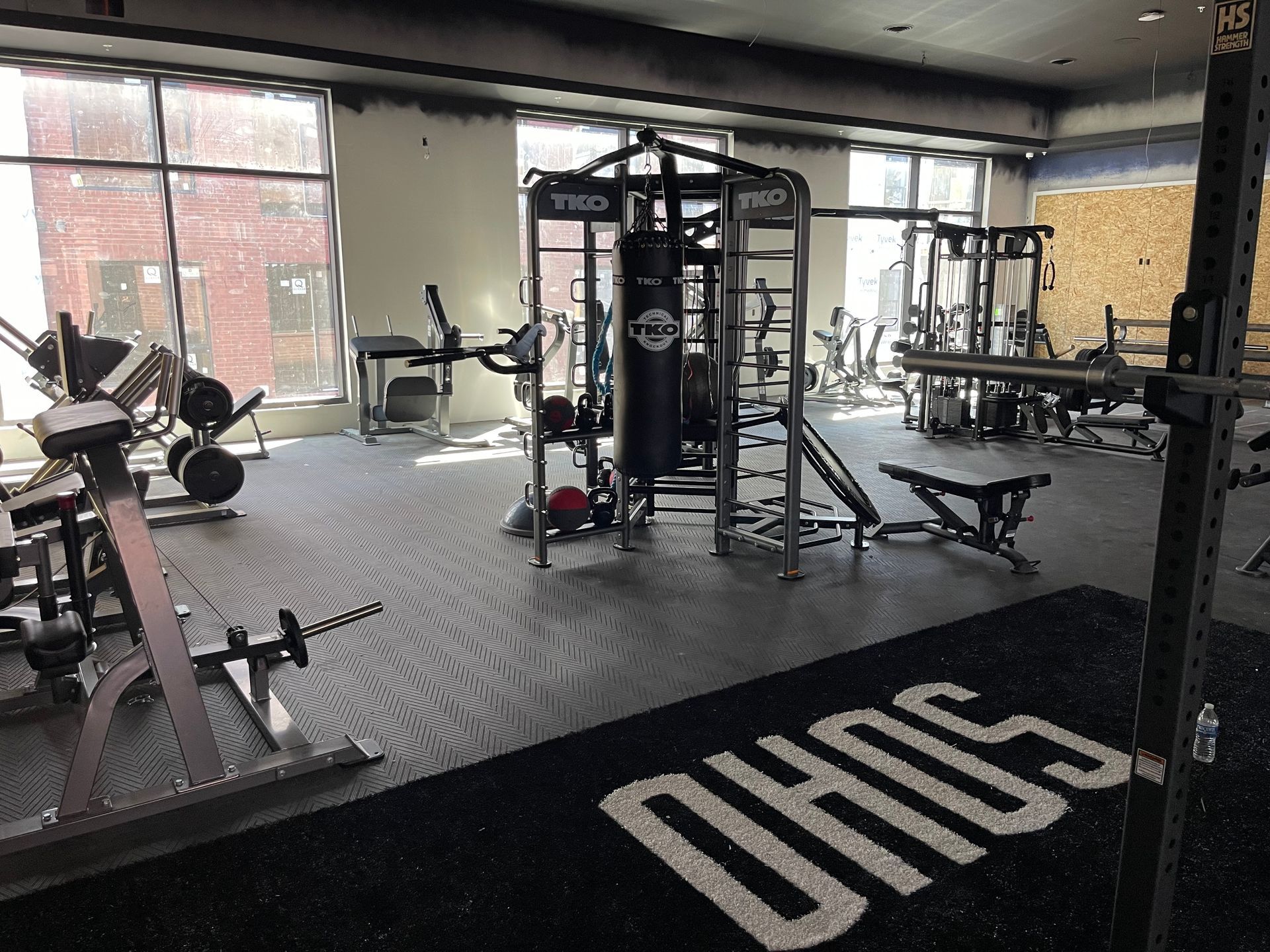
Walk into any successful gym in the St. Louis area, and you'll notice something subtle but significant: thoughtful traffic patterns and distinct training zones. This isn't by accident. Smart gym layout creates natural movement throughout the facility while reducing bottlenecks and equipment conflicts.


Consider how members typically progress through their workouts. Most begin with some form of warm-up, move to their primary exercise focus, and finish with flexibility or recovery work. Your layout should support this natural flow rather than forcing members to zigzag across the facility.


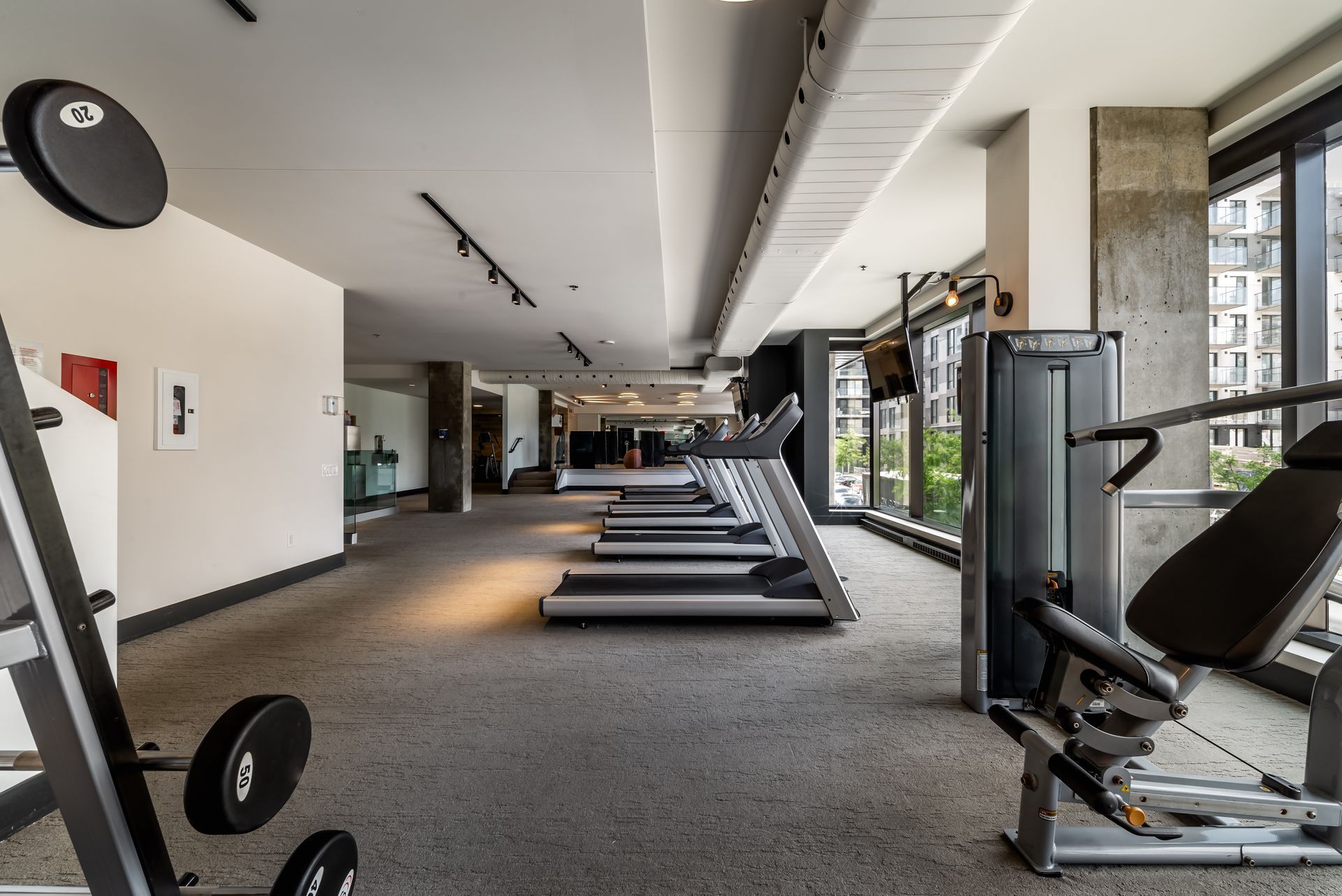
Creating defined zones—cardio areas, functional training spaces, strength equipment, group exercise rooms, recovery sections—helps members intuitively navigate your facility. It also allows you to create different environmental elements in each area, from the energetic lighting and sound in high-intensity zones to calmer, more focused atmospheres in mind-body spaces.


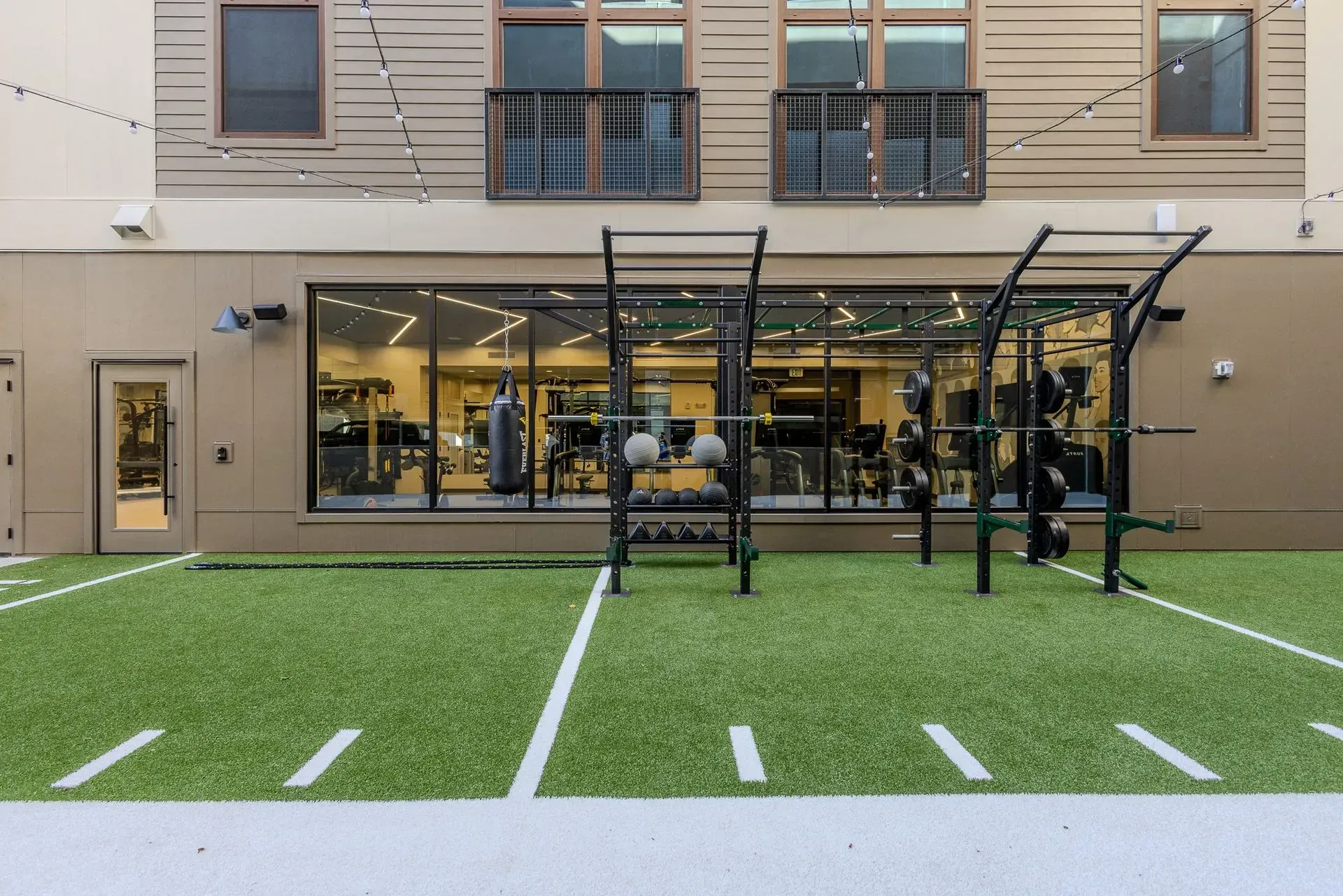
Some of the most successful gyms in the Central West End and Chesterfield have taken this zoning approach a step further, using subtle design elements like flooring changes, lighting variations, and even ceiling height to demarcate different training areas without building physical walls that could make the space feel smaller.


Equipment Selection: Quality Meets Versatility

When it comes to outfitting your gym, the old adage holds true: buy nice or buy twice. Quality equipment isn't just about brand names—it's about durability, functionality, and user experience. In a market like St. Louis, where members have plenty of options, equipment quality can be a significant differentiator.


The most successful facilities strike a balance between comprehensive offerings and unnecessary duplication. Rather than having twelve of the same machine, consider how to provide variety that serves different training styles and body types. A thoughtful mix of plate-loaded machines, cable systems, free weights, and functional training tools creates versatility without wasting valuable floor space.


Accessibility matters too. St. Louis has diverse demographics, from university students to corporate professionals to active seniors. Your equipment selection should accommodate varying fitness levels, body types, and physical capabilities. Height-adjustable cable columns, machines with multiple start positions, and adaptive equipment options ensure that every member can train effectively regardless of their physical attributes or limitations.


The Technology Integration Sweet Spot

Today's fitness experiences increasingly blend physical and digital elements. From connected cardio equipment that syncs with members' fitness apps to digital platforms that extend coaching beyond the gym walls, technology offers powerful ways to enhance the member experience.


St. Louis facilities leading in member satisfaction have found the sweet spot in technology integration: enough to enhance the experience without becoming a distraction or maintenance headache. Interactive elements like digital workout stations in University City gyms and on-demand content in Brentwood fitness centers provide value without overwhelming members with tech complexity.


The key is selecting technology that truly enhances the member experience rather than implementing tech for its own sake. Before investing in the latest digital fitness tool, ask how it will improve your members' journey toward their goals.


Creating Comfort Through Thoughtful Amenities

The member experience extends well beyond the workout floor. Locker rooms, reception areas, recovery spaces, and social zones all contribute to how people feel about your facility.


The most successful gyms in the St. Louis region—from Webster Groves to St. Charles—recognize that well-designed amenities can turn a quick workout into a valued self-care ritual. Clean, spacious shower facilities with quality products, comfortable changing areas with adequate privacy, and well-maintained relaxation spaces like saunas or steam rooms can transform the post-workout experience.


Even small touches make a difference: filtered water stations throughout the facility, towel service, phone charging lockers, and comfortable seating areas where members can connect before or after their workouts. These amenities communicate that you care about your members' complete experience, not just their time on the equipment.


The Human Element: Your Most Important Asset

While this article focuses on physical elements of the gym experience, we can't overlook the most crucial component: your team. The most beautifully designed facility with top-tier equipment will still fail if the human interactions within it are subpar.


St. Louis fitness consumers particularly value authentic connections with staff who genuinely care about their progress. From the front desk team who greet members by name to trainers who remember individual goals and preferences, these interactions often determine whether a member renews their membership or looks elsewhere.


Investing in staff training, creating a positive workplace culture, and emphasizing soft skills like communication and empathy pays dividends in member satisfaction and retention. Some of the longest-running successful fitness facilities in the St. Louis area attribute their longevity not to constant equipment upgrades but to the relationships their teams build with members year after year.


Environmental Responsibility: A Growing Priority

St. Louis has seen growing awareness around environmental sustainability, and the fitness industry is no exception. From energy-efficient facilities in Kirkwood to water conservation initiatives in Ladue gyms, environmental responsibility has become both an ethical consideration and a market differentiator.


Consider how your facility can reduce its environmental footprint through equipment selection, building systems, and operational practices. Energy-efficient cardio equipment, LED lighting, water-saving fixtures, and thoughtful temperature control not only reduce utility costs but also appeal to increasingly eco-conscious members.


Some forward-thinking St. Louis gyms have even implemented energy-generating equipment that harnesses the power produced during workouts to offset electricity usage. These innovations become talking points that differentiate your facility while contributing to meaningful environmental benefits.


Bringing It All Together: The Holistic Approach

Creating the ultimate gym experience isn't about implementing every idea in this article simultaneously. It's about thoughtfully considering how each element—from equipment selection to staff training—contributes to your members' overall journey.


The most successful fitness facilities in St. Louis take an iterative approach, continuously gathering member feedback and making incremental improvements. They understand that different elements matter more to different segments of their membership, and they work to create an environment that feels personalized while serving diverse needs.


Whether you're launching a new facility or renovating an existing one, remember that the ultimate gym experience emerges from alignment between your brand promise and the daily reality your members encounter. When these elements work in harmony, you create not just a place to exercise, but a community destination that members make part of their lifelong wellness journey.


The St. Louis fitness market continues to evolve, but one thing remains constant: facilities that prioritize the complete member experience will always have a competitive edge over those focused solely on equipment or price. By taking a holistic approach to your gym's design, equipment, and amenities, you create an environment where members don't just work out—they thrive.
March 23, 2026
If you manage a gym, corporate fitness center, or residential fitness facility, one of the most important decisions you can make is how you approach equipment maintenance. Many facilities fall into a reactive cycle, only addressing issues after equipment breaks down. While this may seem manageable in the short term, it often leads to higher costs, more downtime, and a less reliable experience for users. Understanding the difference between preventative maintenance and reactive repairs is key to building a more efficient and cost effective operation. At EcoFit Solutions, we work with facilities to shift from reactive repairs to structured preventative maintenance programs that improve equipment reliability and long term performance. The difference between these two approaches has a direct impact on your budget, your equipment lifespan, and your overall facility experience. Reactive repairs happen after a problem has already occurred. A treadmill stops working, an elliptical begins making noise, or a strength machine becomes unsafe to use. At that point, service is scheduled, parts may need to be ordered, and the equipment is out of use until the issue is resolved. This type of maintenance approach often leads to extended downtime and higher repair costs. Preventative maintenance takes a different approach. Instead of waiting for equipment to fail, routine maintenance is performed on a consistent schedule. This includes regular fitness equipment inspection, adjustments, cleaning, and servicing. The goal is early issue detection, identifying and addressing small problems before they turn into major failures. One of the biggest advantages of preventative maintenance for commercial fitness equipment is the ability to reduce equipment downtime. When issues are caught early, repairs are typically faster and less disruptive. Equipment remains available for users, which is especially important in high traffic gyms and corporate fitness centers. Reliable equipment contributes directly to user satisfaction and overall facility performance. Cost is another major factor when comparing preventative maintenance vs reactive repairs. Reactive repairs are often more expensive because they involve larger issues that have developed over time. Emergency service calls, replacement parts, and extended labor all contribute to higher costs. Preventative maintenance helps reduce repair costs by addressing issues before they escalate. This allows facilities to better control their maintenance budgets and avoid unexpected expenses. Equipment lifespan extension is another key benefit of preventative maintenance. Commercial fitness equipment is a significant investment, and replacing machines prematurely can be costly. Without routine maintenance, wear and tear builds up faster, leading to earlier failure. Preventative maintenance helps extend equipment life by reducing the stress on components and keeping machines operating as intended. Safety is also a critical consideration. Equipment that is not properly maintained can pose risks to users. Loose components, worn belts, or malfunctioning systems can lead to accidents or injuries. Preventative maintenance improves safety and performance by ensuring that all equipment is functioning correctly. It also helps minimize liability risks for facility operators and property managers. Another important aspect is planning. Reactive maintenance makes it difficult to plan ahead because issues arise unexpectedly. Preventative maintenance provides structure through an equipment maintenance schedule and routine service visits. This allows facilities to plan for maintenance, budget accordingly, and avoid disruptions. It also supports long term equipment planning and capital improvement planning for gyms. Brand specific equipment such as Precor, Life Fitness, and Matrix also benefit from preventative maintenance. Each manufacturer has recommended service intervals and maintenance requirements. Following these guidelines helps maintain performance and ensures that equipment continues to operate at its best. EcoFit Solutions is certified across these brands, which means maintenance is aligned with manufacturer standards. Facilities that rely on preventative maintenance often see improvements in overall equipment reliability. Machines perform more consistently, require fewer major repairs, and remain in service longer. This creates a better experience for users and reduces the operational stress of managing equipment issues. Many gyms and fitness centers implement vendor maintenance contracts or annual service agreements to support a preventative approach. These agreements ensure that maintenance is performed regularly and consistently. EcoFit Solutions works with facilities to build customized maintenance plans that align with their usage, equipment mix, and operational goals. In contrast, facilities that rely on reactive repairs often find themselves dealing with recurring issues, higher costs, and frustrated users. Equipment downtime becomes more frequent, and the overall condition of the facility can decline over time. If you are looking to improve equipment reliability, reduce downtime, and avoid costly repairs, shifting to a preventative maintenance model is one of the most effective decisions you can make. Preventative maintenance for commercial fitness equipment provides control, consistency, and long term value.  EcoFit Solutions is here to help you move away from reactive repairs and build a maintenance program that supports the success of your facility. With the right approach, you can extend equipment life, improve safety, and create a better experience for everyone who uses your space.
March 23, 2026
If you are investing in preventative maintenance for your facility, it is important to understand what actually happens during a service visit. Many gym owners and facility managers know they need routine maintenance, but are not always sure what is included or how it benefits their equipment. A professional gym equipment service is designed to go beyond a quick check and provide a thorough evaluation of performance, safety, and long term reliability. At EcoFit Solutions, our preventative maintenance visits are structured to ensure that every piece of commercial fitness equipment is operating correctly and efficiently. Each visit focuses on early issue detection, improving safety and performance, and helping extend equipment life. A key part of every maintenance visit is a full fitness equipment inspection. This involves evaluating each machine to identify signs of wear, potential issues, and performance inconsistencies. Technicians check for loose components, worn parts, unusual noise, and overall functionality. This inspection process is critical because it allows small issues to be identified before they turn into costly repairs. Cardio equipment typically requires the most attention during a maintenance visit. Commercial treadmill maintenance is one of the most important services, as treadmills experience high levels of usage and mechanical stress. During a treadmill preventative maintenance check, technicians inspect belts, decks, rollers, and motors to ensure everything is functioning properly. Adjustments are made to maintain proper alignment and performance. Elliptical preventative maintenance is also a major focus. Ellipticals involve multiple moving parts that must stay properly aligned and calibrated. During a service visit, technicians check resistance systems, drive components, and structural integrity to ensure smooth operation. These adjustments help maintain equipment reliability and prevent breakdowns. Strength equipment is also included in a preventative maintenance visit. While these machines may not have motors, they still require regular inspection and servicing. Technicians check cables, pulleys, weight stacks, and connection points to ensure safety and proper function. Routine maintenance helps reduce liability risks and ensures that users can operate equipment safely. Another important component of gym equipment service is cleaning and lubrication. Dirt and debris can build up inside equipment over time, which can impact performance and lead to wear. Proper cleaning helps maintain smooth operation, while lubrication reduces friction in moving parts. This contributes to equipment lifespan extension and overall performance. Calibration is also addressed during a preventative maintenance visit. Cardio equipment relies on accurate speed, incline, and resistance settings to provide a consistent user experience. Technicians verify that these settings are functioning correctly and make adjustments as needed. This helps improve safety and performance while ensuring that equipment meets user expectations. For facilities using brands like Precor, Life Fitness, or Matrix, brand specific maintenance is included as part of the service. Each manufacturer has unique systems and recommended maintenance procedures. EcoFit Solutions is certified across these brands, which means maintenance is performed according to manufacturer standards. This supports equipment reliability and helps maintain warranty compliance. One of the most valuable aspects of a preventative maintenance visit is the equipment condition report. After servicing, facilities receive a clear overview of the condition of their equipment. This report highlights any current issues, potential concerns, and recommendations for future service or upgrades. It provides insight that supports long term equipment planning and capital improvement planning for gyms. Preventative maintenance visits also help reduce equipment downtime. By identifying and addressing issues early, facilities can avoid unexpected breakdowns that disrupt operations. This is especially important for high traffic gyms and corporate fitness centers where equipment availability directly impacts user experience. Another benefit is cost control. Regular maintenance helps reduce repair costs by preventing major failures. Instead of dealing with emergency repairs and replacement parts, facilities can maintain a predictable maintenance schedule and budget. Preventative maintenance is one of the most effective ways to avoid costly repairs over time. Many facilities choose to bundle these visits into annual service agreements or vendor maintenance contracts. This ensures that maintenance is performed consistently and removes the need to manage scheduling manually. EcoFit Solutions works with clients to build customized maintenance plans that align with their facility needs. If you are considering preventative maintenance, understanding what is included in a service visit is an important step. A thorough maintenance program is not just about keeping equipment running, it is about improving safety, extending equipment life, and supporting the long term success of your facility.  For gyms, corporate fitness centers, and multi family properties, partnering with a provider like EcoFit Solutions ensures that every maintenance visit delivers real value. A structured approach to commercial fitness equipment maintenance helps you stay ahead of issues and keep your facility operating at its best.
March 23, 2026
If you manage a gym, corporate fitness center, or residential fitness facility, one of the most common questions is how often you should service your equipment. Creating the right equipment maintenance schedule is essential for keeping your facility running smoothly and protecting your investment. Without a clear plan for preventative maintenance, equipment performance can decline faster than expected, leading to increased repair costs and downtime. At EcoFit Solutions, we help facilities build structured maintenance schedules based on usage, equipment type, and long term goals. There is no universal schedule that works for every facility, but understanding how often to service commercial gym equipment starts with recognizing how that equipment is used on a daily basis. High traffic fitness centers require more frequent preventative maintenance. Facilities that operate throughout the day with constant usage place significant stress on their equipment. Treadmills, ellipticals, and bikes in these environments experience continuous wear, which increases the likelihood of issues developing. In these cases, routine maintenance should be scheduled more frequently to support equipment reliability and reduce equipment downtime. Corporate fitness centers and multi family gyms may have lower overall usage, but that does not mean maintenance can be ignored. Even with moderate use, equipment still accumulates wear over time. Preventative maintenance in these environments helps ensure that machines are always ready for use and contributes to a better experience for employees or residents. Consistent service also supports resident satisfaction amenities by keeping fitness spaces clean, functional, and reliable. An effective equipment maintenance schedule includes regular inspections, adjustments, and servicing. Fitness equipment inspection is a key part of this process. During these inspections, technicians look for early signs of wear such as belt tension issues, loose components, calibration inconsistencies, and general performance concerns. Early issue detection allows these problems to be addressed before they turn into costly repairs. Different types of equipment also require different maintenance intervals. Cardio equipment such as treadmills and ellipticals typically require more frequent service due to moving parts and continuous use. Strength equipment may require less frequent servicing but still benefits from routine checks to ensure safety and performance. Commercial treadmill maintenance and elliptical preventative maintenance are especially important because these machines tend to experience the highest levels of usage. Brand specific requirements also play a role in determining how often to service equipment. Manufacturers like Precor, Life Fitness, and Matrix provide recommended maintenance guidelines that should be followed to maintain performance and warranty compliance. Working with a provider like EcoFit Solutions that is certified in these brands ensures that your maintenance schedule aligns with manufacturer standards. One of the biggest advantages of maintaining a consistent service schedule is the ability to reduce repair costs. When maintenance is performed regularly, small issues are identified and corrected early. This prevents larger failures that require expensive parts or extended downtime. Preventative maintenance helps avoid costly repairs and keeps your budget more predictable. Another important factor is extending equipment life. Commercial fitness equipment is a significant capital investment, and replacing machines too early can impact your long term financial planning. Routine maintenance helps extend equipment lifespan by reducing the wear that leads to breakdowns. This allows facilities to get more value from their equipment over time. Facilities that do not follow a structured maintenance schedule often find themselves reacting to problems instead of preventing them. Reactive repairs lead to unexpected downtime, frustrated users, and higher costs. Preventative maintenance shifts your approach from reactive to proactive, giving you more control over your operations. Many facilities choose to implement annual service agreements or vendor maintenance contracts to simplify scheduling. These agreements ensure that maintenance is performed consistently without the need to track individual service dates. EcoFit Solutions works with clients to build customized service plans that match their equipment, usage, and operational goals. Maintenance scheduling also supports long term planning. Regular service visits often include equipment condition reports that provide insight into performance and wear. This information is valuable for capital improvement planning for gyms and helps guide decisions around upgrades and replacements. Instead of waiting for equipment to fail, you can plan ahead based on real data. If you are unsure how often your facility should schedule service, the best starting point is an evaluation of your current equipment and usage patterns. From there, a tailored preventative maintenance plan can be developed to support your needs.  For facilities looking to improve performance, reduce downtime, and extend equipment life, having the right equipment maintenance schedule is essential. EcoFit Solutions is here to help you build a maintenance plan that keeps your fitness center operating at its best while supporting long term success.