
The Shift to Strength Training: Why More People Are Lifting Weights in 2025

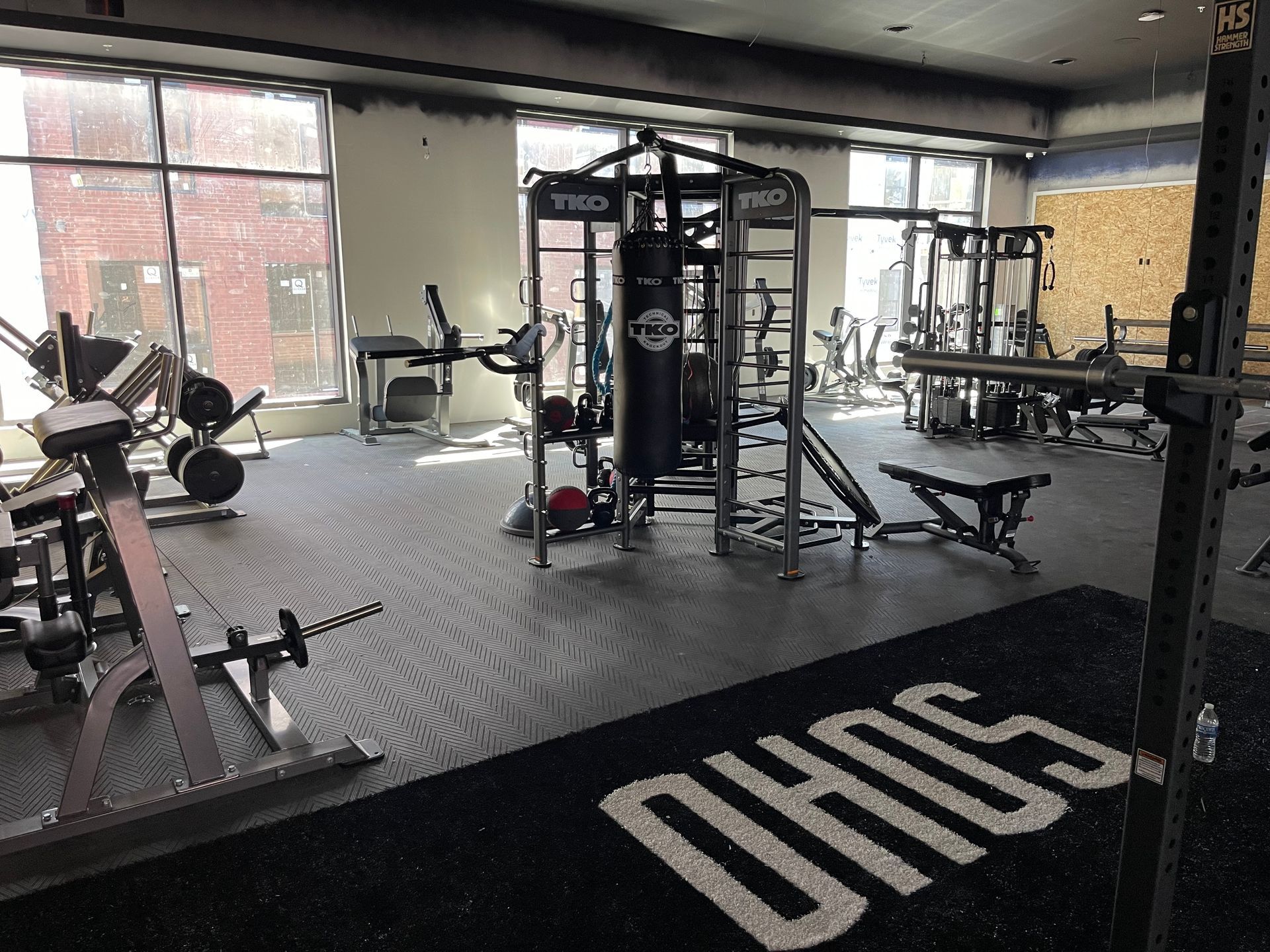
Something remarkable has happened in gyms across St. Louis and around the country. The once-intimidating weight rooms, traditionally dominated by serious bodybuilders and athletes, are now filled with people of all ages, backgrounds, and fitness levels. Doctors are prescribing deadlifts for their older patients. Parents are strength training alongside their teenagers. The cardio areas that once commanded prime gym real estate are increasingly sharing the spotlight with expanded strength zones.


This shift didn't happen overnight, nor is it simply the latest fitness fad. It represents a fundamental change in how we understand fitness, wellness, and the role of strength in our daily lives. For gym owners and fitness facility managers throughout the St. Louis region, this evolution presents both exciting opportunities and practical challenges—particularly when it comes to equipment selection, floor space allocation, and maintenance strategies.


Beyond the Cardio Plateau

For decades, cardiovascular exercise dominated mainstream fitness messaging. The image of health was someone jogging on a treadmill or pedaling a stationary bike. While cardiovascular health remains essential, the limitations of cardio-only fitness approaches have become increasingly apparent.


Many St. Louis gym members report hitting plateaus with cardio-focused routines—weight loss stalls, motivation wanes, and visible results diminish despite consistent effort. This experience reflects what research has long suggested: a comprehensive fitness approach requires more than just elevating your heart rate.


Strength training addresses many of these limitations. It builds metabolically active muscle tissue that enhances fat loss even at rest. It creates visible body composition changes that keep motivation high. It improves functional movement patterns that translate to daily activities. And perhaps most compelling for many new converts, it provides measurable progress metrics beyond the sometimes-frustrating number on the scale.


The Science Catches Up

The surge in strength training popularity coincides with a wealth of research highlighting its benefits beyond just building muscle. Regular resistance training has been linked to improved insulin sensitivity, better bone density, enhanced mental health, reduced injury risk, and even longevity markers like grip strength—now recognized as a powerful predictor of overall health as we age.


This evolving research has transformed how healthcare providers approach physical activity recommendations. Across the St. Louis medical community, from sports medicine specialists in Clayton to geriatric care providers in St. Charles, doctors are now actively prescribing strength training for conditions ranging from osteoporosis to depression to metabolic disorders.


The message from both research and medical professionals is clear: strength training isn't just for athletes or bodybuilders—it's a fundamental component of health for virtually everyone.


Demographic Shifts: Everyone's Lifting Now

Perhaps the most visible aspect of this strength training revolution is the diversification of who's showing up in the weight room. The stereotype of strength training being exclusively for young men pursuing muscle mass has been thoroughly dismantled.


St. Louis gym owners report significant increases in women using free weights and resistance machines, with many citing strength gains—not just weight loss—as their primary goal. Older adults are embracing resistance training for its functional benefits and anti-aging effects. Even teenagers are lifting more, as high school athletic programs increasingly emphasize strength foundations for all sports.


This demographic expansion has been accompanied by a cultural shift. Strength is increasingly celebrated across all populations. Social media platforms showcase diverse strength journeys, from grandmothers deadlifting to office workers discovering pull-ups for the first time. The message that strength belongs to everyone has taken hold, bringing new populations into weight rooms throughout the St. Louis area.


Equipment Evolution: Meeting the New Demand

As strength training has gone mainstream, equipment manufacturers have responded with innovations designed to make resistance training more accessible, effective, and engaging for this broader population.


Traditional strength equipment—barbells, dumbbells, power racks—remains in high demand and forms the foundation of any well-equipped facility. However, we're also seeing growing interest in equipment that bridges the gap for newer lifters: guided squat machines that teach proper movement patterns, plate-loaded equipment with adjustable start positions, and cable systems that allow for progressive resistance with reduced intimidation factor.


St. Louis facilities that have successfully navigated this shift emphasize the importance of equipment selection that serves diverse strength training approaches. This includes traditional free weights, machines for those who prefer more guidance, functional training tools like kettlebells and suspension trainers, and specialized equipment that addresses common movement limitations.


The key is creating an environment where everyone—from the experienced powerlifter to the grandmother beginning her strength journey—can find appropriate tools for their goals and abilities.


The Maintenance Imperative: Protecting Your Investment

With more people using strength equipment than ever before, maintenance has become a critical concern for facility operators. Unlike cardio equipment with primarily electronic components, strength equipment combines mechanical systems, cables, bearings, and upholstery—all of which require specific maintenance approaches.


This increased usage brings maintenance challenges that many St. Louis gym owners weren't prepared for. Equipment that once served a small percentage of members now experiences constant use across longer operating hours. The result? Accelerated wear and tear that can lead to premature replacement costs, safety concerns, and member dissatisfaction if not properly addressed.


EcoFit's comprehensive maintenance program has become an essential resource for facilities throughout the St. Louis region facing these challenges. Rather than waiting for equipment failure, our preventative approach identifies and addresses wear points before they lead to breakdowns. Regular tension adjustments for cables, bearing lubrication, upholstery inspection, and structural checks ensure that your strength equipment remains safe, functional, and appealing despite increased usage.


Our St. Louis-based maintenance teams have developed specialized protocols for high-traffic strength areas, with service schedules tailored to usage patterns rather than arbitrary calendar intervals. This data-driven approach ensures that maintenance resources are allocated efficiently while maximizing equipment lifespan and member experience.


Space Allocation: Reimagining Gym Layout

The strength training boom has prompted many St. Louis facilities to reconsider their floor plans and space allocation. Traditional layouts often dedicated prime real estate to cardio equipment while relegating strength areas to less desirable spaces. Today's successful gyms take a more balanced approach.


Strategic placement of strength zones improves traffic flow, reduces intimidation for newcomers, and creates better overall member experiences. Some facilities have created progressive strength areas that naturally guide members from more accessible machine options toward free weight zones as their confidence and experience grow.


Thoughtful spacing between equipment stations has also become essential as more diverse populations share strength areas. Equipment arranged too closely can create uncomfortable interactions, while excessive spacing wastes valuable floor area. The most successful layouts we've implemented across St. Louis strike this balance while considering factors like natural lighting, mirror placement, and access to accessories.


Training Support: The Human Element

Equipment alone doesn't create successful strength training environments. As more members explore resistance training, the need for knowledgeable guidance has grown proportionally. Investing in staff education around strength training principles, proper form, and programming for different populations pays dividends in both member satisfaction and risk management.


Many St. Louis facilities have found success with introductory strength training workshops that teach fundamental movements, equipment usage, and basic programming concepts. These sessions reduce barriers to entry while promoting safe, effective training practices. Some gyms have gone further, creating specific strength training zones with dedicated coaches available during peak hours to provide form checks and answering questions.


This human element complements your equipment investment by ensuring members use the resources correctly and safely—particularly important as strength training attracts more beginners unfamiliar with proper techniques.


Looking Forward: The Sustainable Strength Movement

All indicators suggest that the shift toward strength training represents a lasting change in fitness culture rather than a passing trend. The compelling benefits, growing accessibility, and measurable results have created a movement with staying power. For St. Louis facility operators, this means that strength equipment investments and space allocations should be approached as long-term strategic decisions.


The facilities that will thrive in this environment are those that create thoughtful strength training ecosystems—from equipment selection to staff training to maintenance protocols. Rather than viewing strength areas as simply collections of equipment, successful gyms approach them as comprehensive experiences designed to support members at every stage of their strength journey.


EcoFit's integrated approach helps St. Louis facilities navigate this shift successfully. From initial space planning through equipment selection, installation, and ongoing maintenance, we provide the expertise needed to create strength training environments that engage members while standing up to the increased demands of today's fitness landscape.


As more of your members discover the transformative effects of strength training, ensuring that your facility offers the right equipment, properly maintained and thoughtfully arranged, isn't just good business—it's essential for fulfilling your mission of supporting health and wellness throughout the St. Louis community.
March 23, 2026
If you manage a gym, corporate fitness center, or residential fitness facility, one of the most important decisions you can make is how you approach equipment maintenance. Many facilities fall into a reactive cycle, only addressing issues after equipment breaks down. While this may seem manageable in the short term, it often leads to higher costs, more downtime, and a less reliable experience for users. Understanding the difference between preventative maintenance and reactive repairs is key to building a more efficient and cost effective operation. At EcoFit Solutions, we work with facilities to shift from reactive repairs to structured preventative maintenance programs that improve equipment reliability and long term performance. The difference between these two approaches has a direct impact on your budget, your equipment lifespan, and your overall facility experience. Reactive repairs happen after a problem has already occurred. A treadmill stops working, an elliptical begins making noise, or a strength machine becomes unsafe to use. At that point, service is scheduled, parts may need to be ordered, and the equipment is out of use until the issue is resolved. This type of maintenance approach often leads to extended downtime and higher repair costs. Preventative maintenance takes a different approach. Instead of waiting for equipment to fail, routine maintenance is performed on a consistent schedule. This includes regular fitness equipment inspection, adjustments, cleaning, and servicing. The goal is early issue detection, identifying and addressing small problems before they turn into major failures. One of the biggest advantages of preventative maintenance for commercial fitness equipment is the ability to reduce equipment downtime. When issues are caught early, repairs are typically faster and less disruptive. Equipment remains available for users, which is especially important in high traffic gyms and corporate fitness centers. Reliable equipment contributes directly to user satisfaction and overall facility performance. Cost is another major factor when comparing preventative maintenance vs reactive repairs. Reactive repairs are often more expensive because they involve larger issues that have developed over time. Emergency service calls, replacement parts, and extended labor all contribute to higher costs. Preventative maintenance helps reduce repair costs by addressing issues before they escalate. This allows facilities to better control their maintenance budgets and avoid unexpected expenses. Equipment lifespan extension is another key benefit of preventative maintenance. Commercial fitness equipment is a significant investment, and replacing machines prematurely can be costly. Without routine maintenance, wear and tear builds up faster, leading to earlier failure. Preventative maintenance helps extend equipment life by reducing the stress on components and keeping machines operating as intended. Safety is also a critical consideration. Equipment that is not properly maintained can pose risks to users. Loose components, worn belts, or malfunctioning systems can lead to accidents or injuries. Preventative maintenance improves safety and performance by ensuring that all equipment is functioning correctly. It also helps minimize liability risks for facility operators and property managers. Another important aspect is planning. Reactive maintenance makes it difficult to plan ahead because issues arise unexpectedly. Preventative maintenance provides structure through an equipment maintenance schedule and routine service visits. This allows facilities to plan for maintenance, budget accordingly, and avoid disruptions. It also supports long term equipment planning and capital improvement planning for gyms. Brand specific equipment such as Precor, Life Fitness, and Matrix also benefit from preventative maintenance. Each manufacturer has recommended service intervals and maintenance requirements. Following these guidelines helps maintain performance and ensures that equipment continues to operate at its best. EcoFit Solutions is certified across these brands, which means maintenance is aligned with manufacturer standards. Facilities that rely on preventative maintenance often see improvements in overall equipment reliability. Machines perform more consistently, require fewer major repairs, and remain in service longer. This creates a better experience for users and reduces the operational stress of managing equipment issues. Many gyms and fitness centers implement vendor maintenance contracts or annual service agreements to support a preventative approach. These agreements ensure that maintenance is performed regularly and consistently. EcoFit Solutions works with facilities to build customized maintenance plans that align with their usage, equipment mix, and operational goals. In contrast, facilities that rely on reactive repairs often find themselves dealing with recurring issues, higher costs, and frustrated users. Equipment downtime becomes more frequent, and the overall condition of the facility can decline over time. If you are looking to improve equipment reliability, reduce downtime, and avoid costly repairs, shifting to a preventative maintenance model is one of the most effective decisions you can make. Preventative maintenance for commercial fitness equipment provides control, consistency, and long term value.  EcoFit Solutions is here to help you move away from reactive repairs and build a maintenance program that supports the success of your facility. With the right approach, you can extend equipment life, improve safety, and create a better experience for everyone who uses your space.
March 23, 2026
If you are investing in preventative maintenance for your facility, it is important to understand what actually happens during a service visit. Many gym owners and facility managers know they need routine maintenance, but are not always sure what is included or how it benefits their equipment. A professional gym equipment service is designed to go beyond a quick check and provide a thorough evaluation of performance, safety, and long term reliability. At EcoFit Solutions, our preventative maintenance visits are structured to ensure that every piece of commercial fitness equipment is operating correctly and efficiently. Each visit focuses on early issue detection, improving safety and performance, and helping extend equipment life. A key part of every maintenance visit is a full fitness equipment inspection. This involves evaluating each machine to identify signs of wear, potential issues, and performance inconsistencies. Technicians check for loose components, worn parts, unusual noise, and overall functionality. This inspection process is critical because it allows small issues to be identified before they turn into costly repairs. Cardio equipment typically requires the most attention during a maintenance visit. Commercial treadmill maintenance is one of the most important services, as treadmills experience high levels of usage and mechanical stress. During a treadmill preventative maintenance check, technicians inspect belts, decks, rollers, and motors to ensure everything is functioning properly. Adjustments are made to maintain proper alignment and performance. Elliptical preventative maintenance is also a major focus. Ellipticals involve multiple moving parts that must stay properly aligned and calibrated. During a service visit, technicians check resistance systems, drive components, and structural integrity to ensure smooth operation. These adjustments help maintain equipment reliability and prevent breakdowns. Strength equipment is also included in a preventative maintenance visit. While these machines may not have motors, they still require regular inspection and servicing. Technicians check cables, pulleys, weight stacks, and connection points to ensure safety and proper function. Routine maintenance helps reduce liability risks and ensures that users can operate equipment safely. Another important component of gym equipment service is cleaning and lubrication. Dirt and debris can build up inside equipment over time, which can impact performance and lead to wear. Proper cleaning helps maintain smooth operation, while lubrication reduces friction in moving parts. This contributes to equipment lifespan extension and overall performance. Calibration is also addressed during a preventative maintenance visit. Cardio equipment relies on accurate speed, incline, and resistance settings to provide a consistent user experience. Technicians verify that these settings are functioning correctly and make adjustments as needed. This helps improve safety and performance while ensuring that equipment meets user expectations. For facilities using brands like Precor, Life Fitness, or Matrix, brand specific maintenance is included as part of the service. Each manufacturer has unique systems and recommended maintenance procedures. EcoFit Solutions is certified across these brands, which means maintenance is performed according to manufacturer standards. This supports equipment reliability and helps maintain warranty compliance. One of the most valuable aspects of a preventative maintenance visit is the equipment condition report. After servicing, facilities receive a clear overview of the condition of their equipment. This report highlights any current issues, potential concerns, and recommendations for future service or upgrades. It provides insight that supports long term equipment planning and capital improvement planning for gyms. Preventative maintenance visits also help reduce equipment downtime. By identifying and addressing issues early, facilities can avoid unexpected breakdowns that disrupt operations. This is especially important for high traffic gyms and corporate fitness centers where equipment availability directly impacts user experience. Another benefit is cost control. Regular maintenance helps reduce repair costs by preventing major failures. Instead of dealing with emergency repairs and replacement parts, facilities can maintain a predictable maintenance schedule and budget. Preventative maintenance is one of the most effective ways to avoid costly repairs over time. Many facilities choose to bundle these visits into annual service agreements or vendor maintenance contracts. This ensures that maintenance is performed consistently and removes the need to manage scheduling manually. EcoFit Solutions works with clients to build customized maintenance plans that align with their facility needs. If you are considering preventative maintenance, understanding what is included in a service visit is an important step. A thorough maintenance program is not just about keeping equipment running, it is about improving safety, extending equipment life, and supporting the long term success of your facility.  For gyms, corporate fitness centers, and multi family properties, partnering with a provider like EcoFit Solutions ensures that every maintenance visit delivers real value. A structured approach to commercial fitness equipment maintenance helps you stay ahead of issues and keep your facility operating at its best.
March 23, 2026
If you manage a gym, corporate fitness center, or residential fitness facility, one of the most common questions is how often you should service your equipment. Creating the right equipment maintenance schedule is essential for keeping your facility running smoothly and protecting your investment. Without a clear plan for preventative maintenance, equipment performance can decline faster than expected, leading to increased repair costs and downtime. At EcoFit Solutions, we help facilities build structured maintenance schedules based on usage, equipment type, and long term goals. There is no universal schedule that works for every facility, but understanding how often to service commercial gym equipment starts with recognizing how that equipment is used on a daily basis. High traffic fitness centers require more frequent preventative maintenance. Facilities that operate throughout the day with constant usage place significant stress on their equipment. Treadmills, ellipticals, and bikes in these environments experience continuous wear, which increases the likelihood of issues developing. In these cases, routine maintenance should be scheduled more frequently to support equipment reliability and reduce equipment downtime. Corporate fitness centers and multi family gyms may have lower overall usage, but that does not mean maintenance can be ignored. Even with moderate use, equipment still accumulates wear over time. Preventative maintenance in these environments helps ensure that machines are always ready for use and contributes to a better experience for employees or residents. Consistent service also supports resident satisfaction amenities by keeping fitness spaces clean, functional, and reliable. An effective equipment maintenance schedule includes regular inspections, adjustments, and servicing. Fitness equipment inspection is a key part of this process. During these inspections, technicians look for early signs of wear such as belt tension issues, loose components, calibration inconsistencies, and general performance concerns. Early issue detection allows these problems to be addressed before they turn into costly repairs. Different types of equipment also require different maintenance intervals. Cardio equipment such as treadmills and ellipticals typically require more frequent service due to moving parts and continuous use. Strength equipment may require less frequent servicing but still benefits from routine checks to ensure safety and performance. Commercial treadmill maintenance and elliptical preventative maintenance are especially important because these machines tend to experience the highest levels of usage. Brand specific requirements also play a role in determining how often to service equipment. Manufacturers like Precor, Life Fitness, and Matrix provide recommended maintenance guidelines that should be followed to maintain performance and warranty compliance. Working with a provider like EcoFit Solutions that is certified in these brands ensures that your maintenance schedule aligns with manufacturer standards. One of the biggest advantages of maintaining a consistent service schedule is the ability to reduce repair costs. When maintenance is performed regularly, small issues are identified and corrected early. This prevents larger failures that require expensive parts or extended downtime. Preventative maintenance helps avoid costly repairs and keeps your budget more predictable. Another important factor is extending equipment life. Commercial fitness equipment is a significant capital investment, and replacing machines too early can impact your long term financial planning. Routine maintenance helps extend equipment lifespan by reducing the wear that leads to breakdowns. This allows facilities to get more value from their equipment over time. Facilities that do not follow a structured maintenance schedule often find themselves reacting to problems instead of preventing them. Reactive repairs lead to unexpected downtime, frustrated users, and higher costs. Preventative maintenance shifts your approach from reactive to proactive, giving you more control over your operations. Many facilities choose to implement annual service agreements or vendor maintenance contracts to simplify scheduling. These agreements ensure that maintenance is performed consistently without the need to track individual service dates. EcoFit Solutions works with clients to build customized service plans that match their equipment, usage, and operational goals. Maintenance scheduling also supports long term planning. Regular service visits often include equipment condition reports that provide insight into performance and wear. This information is valuable for capital improvement planning for gyms and helps guide decisions around upgrades and replacements. Instead of waiting for equipment to fail, you can plan ahead based on real data. If you are unsure how often your facility should schedule service, the best starting point is an evaluation of your current equipment and usage patterns. From there, a tailored preventative maintenance plan can be developed to support your needs.  For facilities looking to improve performance, reduce downtime, and extend equipment life, having the right equipment maintenance schedule is essential. EcoFit Solutions is here to help you build a maintenance plan that keeps your fitness center operating at its best while supporting long term success.