
Why Regular Gym Equipment Cleaning Is Critical for Member Retention

If you run or manage a commercial fitness space, cleaning is not just about appearance. It directly impacts how long members stay, how often they come back, and how they talk about your facility.


Most operators think about cleaning as a daily checklist. Wipe down machines, sanitize surfaces, empty trash. But what actually drives retention is deeper than that. Members notice consistency, safety, and how well your equipment holds up over time.

When equipment is not properly cleaned and maintained, it starts to show quickly. Sweat buildup, worn grips, and dusty internal components all create a perception that the facility is not well managed. That perception leads to fewer visits and eventually cancellations.


This is especially important in high-traffic environments like multifamily gyms, corporate wellness centers, and hospitality fitness spaces. These locations rely on convenience and first impressions. If a resident or guest walks in and sees equipment that looks neglected, they are far less likely to use it again.


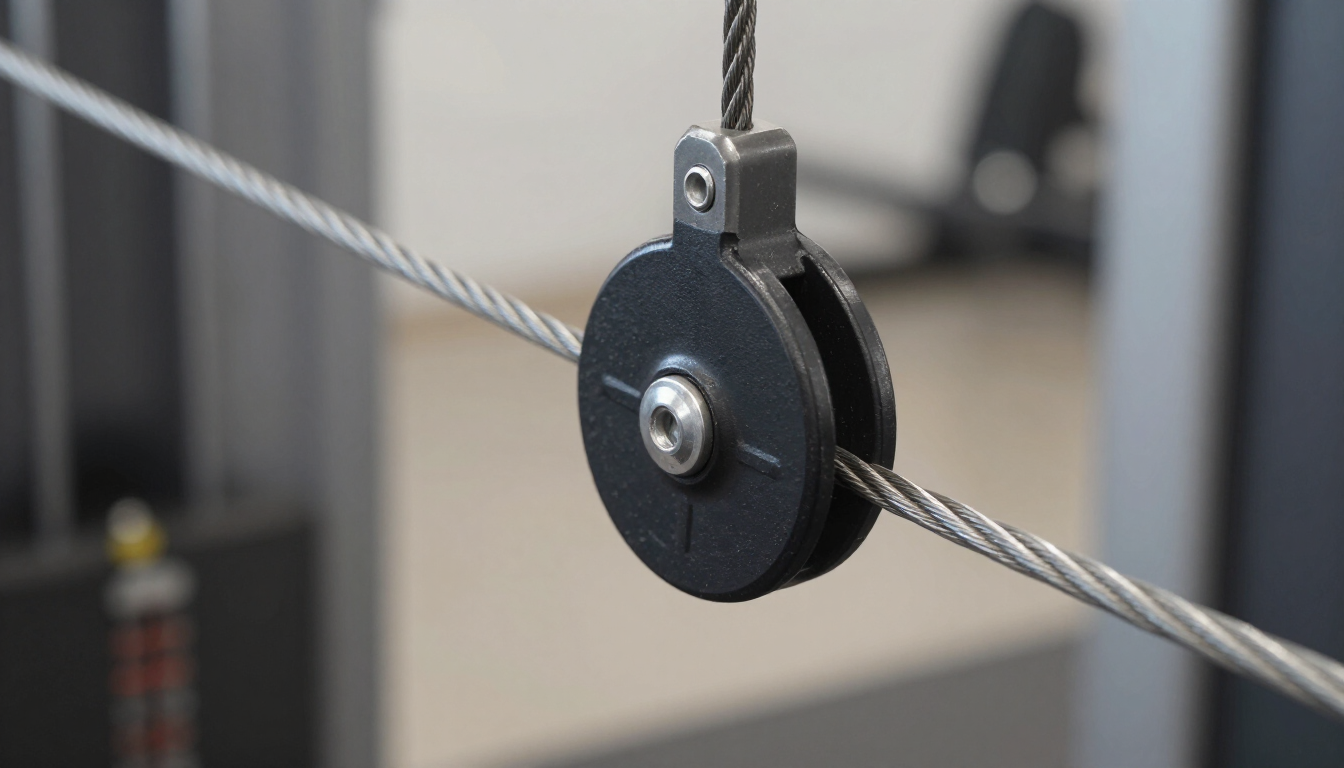
Cleaning also plays a major role in equipment longevity. Dirt and debris can get into moving parts, causing premature wear and increasing the likelihood of breakdowns. That leads to more downtime, higher repair costs, and frustration for users.


EcoFit Solutions approaches cleaning differently. Instead of just surface-level sanitation, the focus is on full equipment care. That includes detailed cleaning of high-touch areas, internal inspections, and identifying early signs of wear before they turn into bigger issues.

For facility managers, this means fewer headaches. You are not reacting to broken equipment or complaints. You are staying ahead of problems and keeping your space operating smoothly.
April 23, 2026
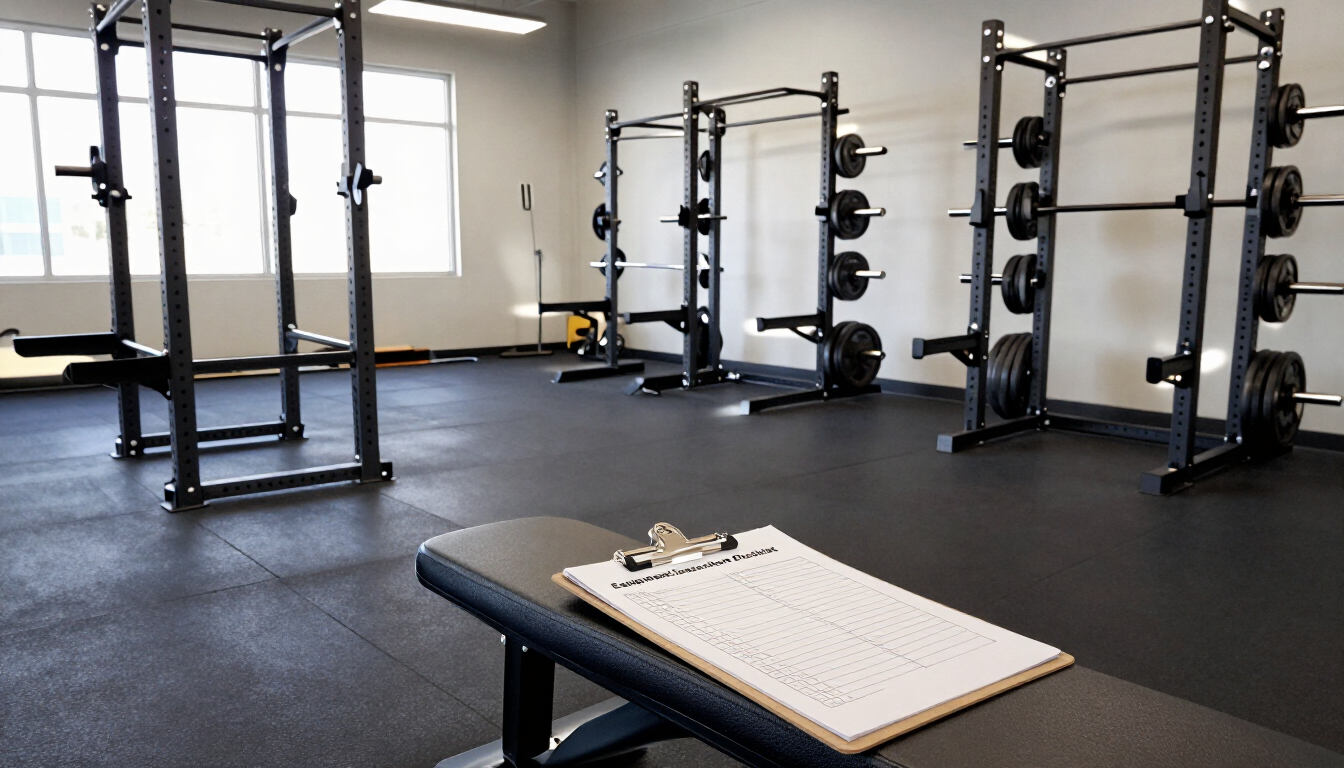
April is the point in the year where fitness facilities either reset or start to fall behind. Usage begins to pick up, new members come in, and expectations around cleanliness and performance increase. If your facility is not prepared, small issues start to show up quickly. Most operators treat spring cleaning as a simple refresh. Clean things up, make the space look better, and move forward. But when it is done properly, it becomes much more than that. It sets your facility up for the months ahead. Start With a Real Assessment Before anything gets cleaned, you need a clear picture of where things stand. Every piece of equipment should be looked at with intent. Some machines will show obvious signs of wear or buildup. Others may look fine but still need attention beneath the surface. High-use equipment like treadmills, ellipticals, and weight stations should always be the priority. This step is what separates a quick cleanup from an actual reset. Deep Cleaning vs. Daily Cleaning Daily cleaning keeps things presentable. It is designed to maintain appearance. Deep cleaning is different. It addresses everything that has built up over time. That includes areas under and around equipment, surfaces that are not part of routine cleaning, and components that require more detailed attention. Sweat, dust, and debris collect in places that are easy to overlook, and if they are not removed, they continue to build. Spring cleaning is the time to clear all of that out and bring equipment back to its best condition. Do Not Overlook Flooring Flooring is one of the most used parts of any fitness space, and it takes a constant beating. In weight rooms and high-traffic areas, debris works its way into the flooring over time. That affects both appearance and safety. A proper cleaning process improves how the space looks and how it functions. It also helps extend the life of the flooring itself. Where Most Facilities Miss the Mark The biggest gap in spring cleaning is what happens beyond the surface. Cleaning alone does not fix underlying issues. If equipment is not being inspected at the same time, problems continue to build in the background. That is why many facilities deal with the same breakdowns and repairs year after year. EcoFit Solutions approaches spring cleaning as a full reset. Cleaning is combined with inspection and preventative maintenance so that everything is addressed at once. Internal components are checked, early signs of wear are identified, and adjustments are made before issues show up. Setting the Tone for the Rest of the Year When spring cleaning is handled the right way, it changes how your facility operates moving forward. Equipment runs more efficiently. Members have a better experience. The likelihood of unexpected issues drops significantly. Everything feels cleaner, more reliable, and easier to manage. For facility managers, it also simplifies things. Instead of coordinating multiple efforts or trying to manage everything internally, you have one process that covers it all. This is especially valuable if you oversee multiple locations. Consistency across properties becomes much easier when there is a clear system in place. Spring is the time to get ahead of problems, not react to them. If your facility is prepared now, it is much easier to maintain that standard throughout the rest of the year. And when you have the right partner handling it, it becomes a seamless part of your operation instead of another task on your list.
April 23, 2026
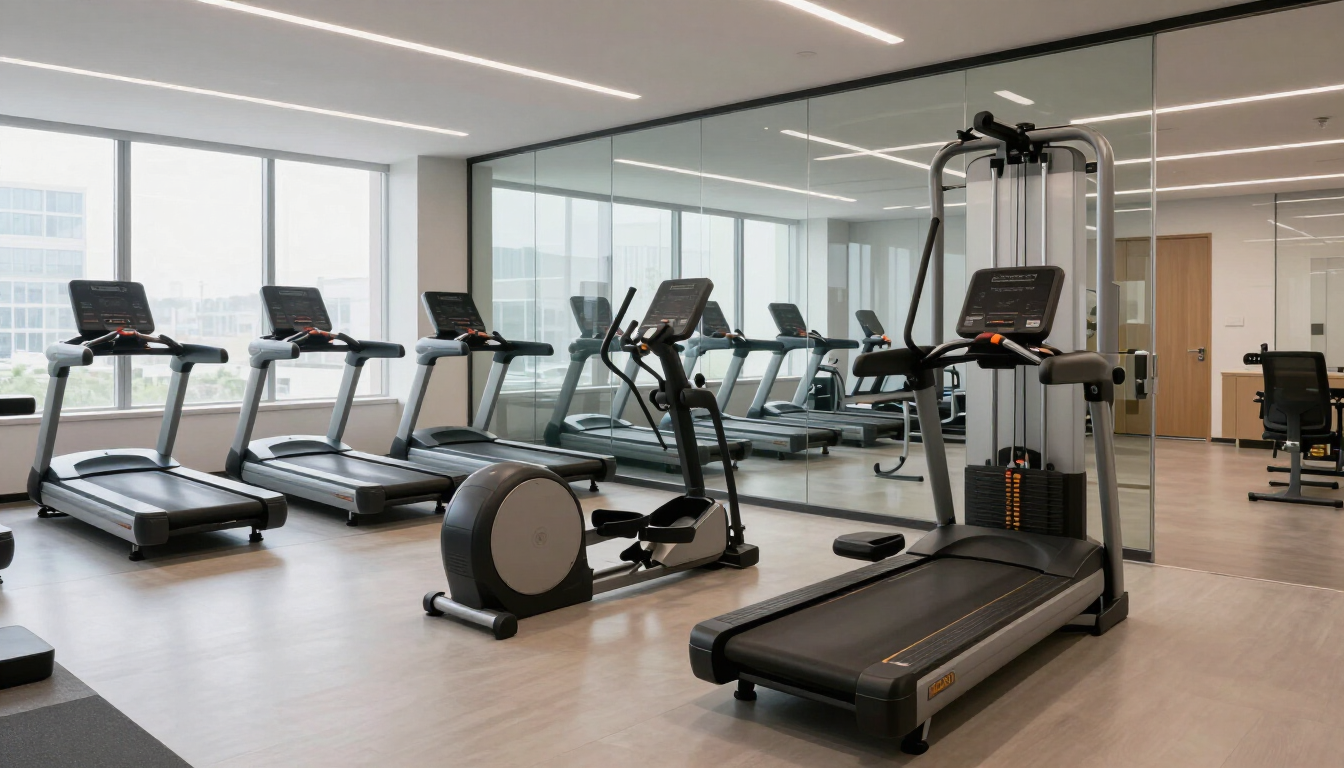
Most fitness facilities have some type of cleaning routine in place. Staff wipe down machines, sanitize surfaces, and keep things looking presentable throughout the day. That is expected, but it only covers a small portion of what is actually happening to your equipment over time. Commercial fitness equipment takes on constant use, and with that comes buildup that goes far beyond what you can see. Sweat, oils, dust, and debris settle into materials and work their way into internal components. If that is not addressed properly, it starts to impact both performance and longevity. This is where the difference between routine cleaning and professional equipment care becomes clear. Surface Cleaning Is Only the Starting Point Most people think cleaning stops at wiping down machines, but that is just the first layer. High-contact areas like handles, seats, touchscreens, and adjustment points take on heavy usage every single day. Over time, that buildup does not just affect how equipment looks, it affects how it feels to the user. When surfaces are not properly maintained, materials begin to break down faster. Handles wear unevenly, seats lose their finish, and equipment starts to feel older than it actually is. That directly impacts the member experience, even if everything is technically still working. Professional cleaning removes that buildup the right way and helps preserve the equipment, not just clean it temporarily. The Biggest Miss: Internal Cleaning Where most facilities fall short is what you cannot see. Dust and debris do not stay on the outside of machines. They settle inside, especially in cardio equipment that relies on motors, belts, and electronic systems. When that buildup is ignored, it starts to affect performance. Machines run less smoothly, components take on more strain, and eventually that turns into breakdowns. Internal cleaning requires the right approach. Equipment has to be accessed correctly, cleaned safely, and put back together without causing damage. Without that process, a major part of maintenance is being skipped entirely. Cleaning and Inspection Go Together Every time equipment is cleaned properly, there is an opportunity to check its condition. Cables, belts, bearings, and internal components all need regular attention. Small issues can be identified early and handled before they turn into larger problems. Facilities that do not do this end up reacting to repairs. Facilities that do stay ahead of them. That difference shows up quickly in both costs and downtime. Why This Matters for Your Operation EcoFit Solutions brings all of these layers together into one structured system. Cleaning is not treated as a one-time task, it is part of an ongoing process that keeps equipment performing the way it should. For facility managers, that removes a lot of uncertainty. You are not wondering if something is being missed or waiting for problems to show up. You have a consistent plan in place that covers every part of the equipment. This becomes even more important in high-traffic environments like multifamily gyms, hospitality fitness centers, and corporate wellness spaces. Equipment is being used constantly, and any downtime is noticed immediately. When cleaning and maintenance are handled the right way, equipment lasts longer, performs better, and creates a more consistent experience for members. It also simplifies operations, especially if you are managing multiple locations.  Over time, the difference becomes obvious. Not just in how equipment runs, but in how the entire facility feels. Members may not always point out why, but they notice when a space is well maintained. And when that process is handled by the right team, it becomes one less thing you have to manage day to day.
April 23, 2026
If you manage a fitness facility, cleaning is something that happens every day. It is part of the routine. Wipe down machines, keep things looking presentable, move on to the next task. On the surface, that feels like enough. But what most facility managers do not realize is that poor cleaning practices create problems that do not show up right away. They build over time, impact multiple parts of the business, and usually end up costing far more than doing things properly from the start. Cleaning is not just about appearance. It directly affects equipment performance, member experience, and long-term operating costs. One of the biggest issues that comes from poor cleaning is equipment breakdown. Fitness equipment is constantly exposed to sweat, dust, and debris. Over time, that buildup works its way into moving parts and internal systems. It is not always visible, but it is there. When that happens, machines start to wear down faster than they should. Cardio equipment is especially vulnerable. Treadmills, ellipticals, and bikes rely on motors and internal components that need to stay clean to function properly. When dust and debris collect inside, it puts strain on those systems. That leads to performance issues first. Machines start to feel off. Then it turns into repairs. Eventually, it can lead to full replacement. Strength equipment has its own challenges. Cables, pulleys, and moving parts are all affected by buildup. If they are not properly maintained, they begin to wear unevenly. That creates safety concerns and shortens the lifespan of the equipment. Every repair, every replacement, and every piece of downtime adds up. And downtime is where things really start to impact your members. When equipment is out of service, people notice immediately. If one machine is down, it is an inconvenience. If multiple machines are unavailable, it changes how people use the space. Members do not want to adjust their workouts around broken equipment. They expect things to work. When that expectation is not met consistently, they start looking elsewhere. This is where cleaning connects directly to retention. A clean, well-maintained facility creates confidence. Members feel like the space is being taken care of. They are more comfortable using the equipment, and they are more likely to come back regularly. When that standard drops, even slightly, it changes the perception of the entire facility. It is not just about whether something is technically clean. It is about how it feels to the person using it. If a handle feels worn or sticky, if a seat looks like it has buildup, or if equipment just looks older than it should, it creates doubt. That doubt turns into a negative experience. And today, negative experiences do not stay private. People leave reviews. They tell friends. They share their opinions online. That feedback becomes part of your reputation, whether you like it or not. Another area where poor cleaning creates problems is liability. When equipment is not properly maintained, it increases the risk of injury. Something as simple as a worn grip or a loose component can create a safety issue. For facility operators, that is not just an operational concern. It is a business risk. Avoiding those situations requires consistency. It requires more than basic cleaning. It requires a structured approach that includes both cleaning and inspection. The challenge is that most internal teams are not set up to handle that level of detail. Staff can handle daily cleaning tasks, but they are not trained to identify early signs of wear or internal issues. They are not opening up machines, checking components, or evaluating performance. That is where a professional partner makes a real difference. EcoFit Solutions approaches cleaning as part of a larger system. It is not just about wiping down equipment. It is about maintaining it in a way that keeps everything running the way it should. Their process includes detailed cleaning of all equipment, along with inspections that catch issues early. Instead of waiting for something to break, they are identifying potential problems before they turn into costly repairs. For facility managers, that changes everything. You are no longer reacting to issues. You are staying ahead of them. This is especially important in environments with high usage. Multifamily gyms, hotels, corporate fitness centers, and commercial properties all rely on equipment being available at all times. When something goes down in those environments, it impacts multiple users immediately. Having a structured plan in place removes that uncertainty. Another benefit is consistency. When cleaning and maintenance are handled professionally, you get the same level of care across all equipment. There are no gaps, no missed areas, and no guessing about whether something was done properly. That consistency is what creates a reliable experience for members. At the end of the day, poor cleaning does not just impact how your facility looks. It impacts how it performs, how members experience it, and how much you spend over time. When equipment is consistently cleaned and maintained the right way, everything runs smoother. Machines last longer, members feel more comfortable using the space, and your team spends less time dealing with problems.  Facilities that operate at a high level are not waiting for something to go wrong. They are staying ahead of it. And when you have the right partner in place, it becomes one less thing you have to think about.