

Preventative Maintenance vs Reactive Repairs for Fitness Equipment
If you manage a gym, corporate fitness center, or residential fitness facility, one of the most important decisions you can make is how you approach equipment maintenance. Many facilities fall into a reactive cycle, only addressing issues after equipment breaks down. While this may seem manageable in the short term, it often leads to higher costs, more downtime, and a less reliable experience for users. Understanding the difference between preventative maintenance and reactive repairs is key to building a more efficient and cost effective operation.
At EcoFit Solutions, we work with facilities to shift from reactive repairs to structured preventative maintenance programs that improve equipment reliability and long term performance. The difference between these two approaches has a direct impact on your budget, your equipment lifespan, and your overall facility experience.
Reactive repairs happen after a problem has already occurred. A treadmill stops working, an elliptical begins making noise, or a strength machine becomes unsafe to use. At that point, service is scheduled, parts may need to be ordered, and the equipment is out of use until the issue is resolved. This type of maintenance approach often leads to extended downtime and higher repair costs.
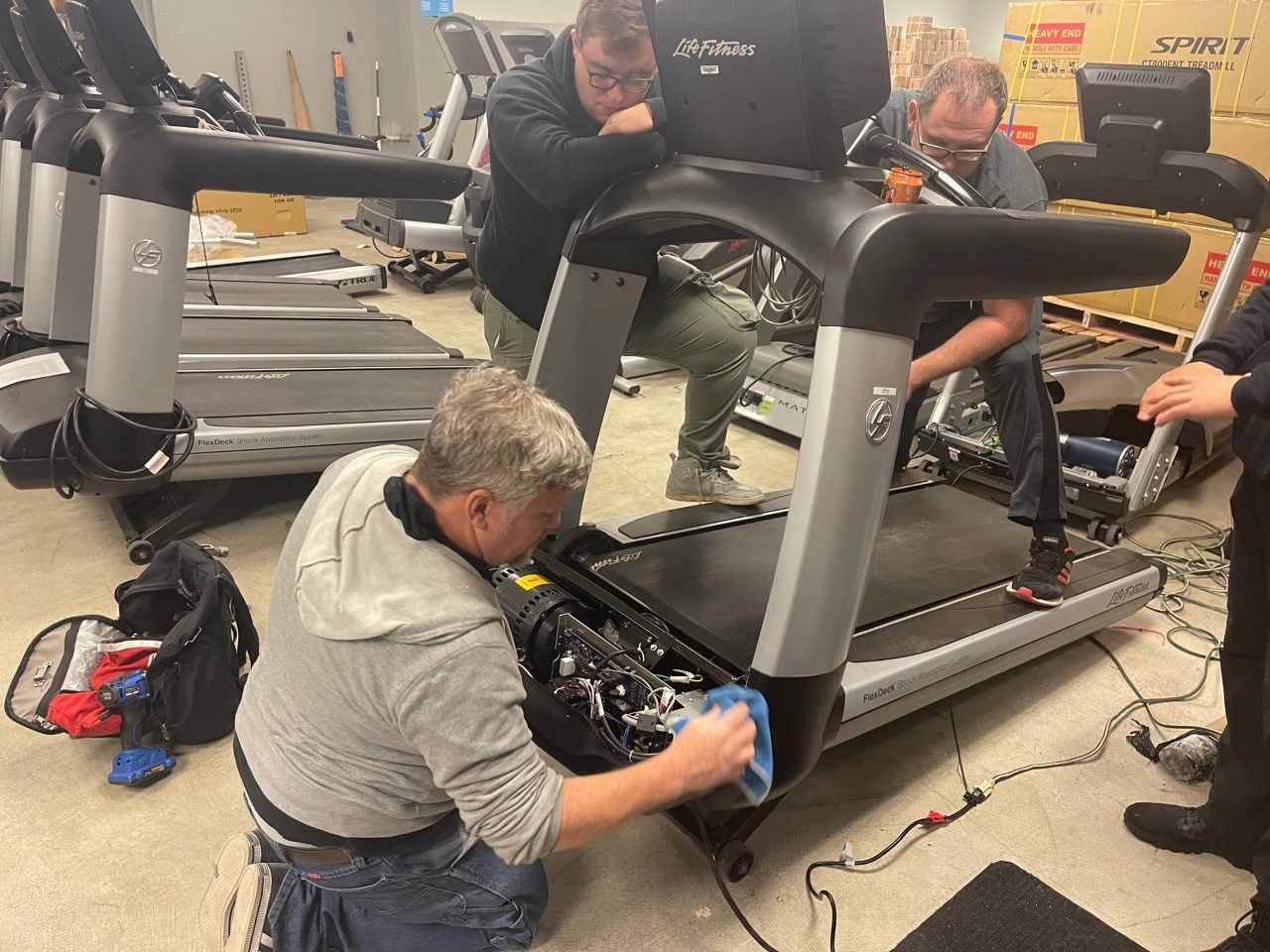
Preventative maintenance takes a different approach. Instead of waiting for equipment to fail, routine maintenance is performed on a consistent schedule. This includes regular fitness equipment inspection, adjustments, cleaning, and servicing. The goal is early issue detection, identifying and addressing small problems before they turn into major failures.
One of the biggest advantages of preventative maintenance for commercial fitness equipment is the ability to reduce equipment downtime. When issues are caught early, repairs are typically faster and less disruptive. Equipment remains available for users, which is especially important in high traffic gyms and corporate fitness centers. Reliable equipment contributes directly to user satisfaction and overall facility performance.
Cost is another major factor when comparing preventative maintenance vs reactive repairs. Reactive repairs are often more expensive because they involve larger issues that have developed over time. Emergency service calls, replacement parts, and extended labor all contribute to higher costs. Preventative maintenance helps reduce repair costs by addressing issues before they escalate. This allows facilities to better control their maintenance budgets and avoid unexpected expenses.
Equipment lifespan extension is another key benefit of preventative maintenance. Commercial fitness equipment is a significant investment, and replacing machines prematurely can be costly. Without routine maintenance, wear and tear builds up faster, leading to earlier failure. Preventative maintenance helps extend equipment life by reducing the stress on components and keeping machines operating as intended.
Safety is also a critical consideration. Equipment that is not properly maintained can pose risks to users. Loose components, worn belts, or malfunctioning systems can lead to accidents or injuries. Preventative maintenance improves safety and performance by ensuring that all equipment is functioning correctly. It also helps minimize liability risks for facility operators and property managers.
Another important aspect is planning. Reactive maintenance makes it difficult to plan ahead because issues arise unexpectedly. Preventative maintenance provides structure through an equipment maintenance schedule and routine service visits. This allows facilities to plan for maintenance, budget accordingly, and avoid disruptions. It also supports long term equipment planning and capital improvement planning for gyms.
Brand specific equipment such as Precor, Life Fitness, and Matrix also benefit from preventative maintenance. Each manufacturer has recommended service intervals and maintenance requirements. Following these guidelines helps maintain performance and ensures that equipment continues to operate at its best. EcoFit Solutions is certified across these brands, which means maintenance is aligned with manufacturer standards.
Facilities that rely on preventative maintenance often see improvements in overall equipment reliability. Machines perform more consistently, require fewer major repairs, and remain in service longer. This creates a better experience for users and reduces the operational stress of managing equipment issues.
Many gyms and fitness centers implement vendor maintenance contracts or annual service agreements to support a preventative approach. These agreements ensure that maintenance is performed regularly and consistently. EcoFit Solutions works with facilities to build customized maintenance plans that align with their usage, equipment mix, and operational goals.
In contrast, facilities that rely on reactive repairs often find themselves dealing with recurring issues, higher costs, and frustrated users. Equipment downtime becomes more frequent, and the overall condition of the facility can decline over time.
If you are looking to improve equipment reliability, reduce downtime, and avoid costly repairs, shifting to a preventative maintenance model is one of the most effective decisions you can make. Preventative maintenance for commercial fitness equipment provides control, consistency, and long term value.
EcoFit Solutions is here to help you move away from reactive repairs and build a maintenance program that supports the success of your facility. With the right approach, you can extend equipment life, improve safety, and create a better experience for everyone who uses your space.