

The Hidden Costs of Poor Fitness Equipment Cleaning (And How to Avoid Them)

If you manage a fitness facility, cleaning is something that happens every day. It is part of the routine. Wipe down machines, keep things looking presentable, move on to the next task.
On the surface, that feels like enough.
But what most facility managers do not realize is that poor cleaning practices create problems that do not show up right away. They build over time, impact multiple parts of the business, and usually end up costing far more than doing things properly from the start.
Cleaning is not just about appearance. It directly affects equipment performance, member experience, and long-term operating costs.
One of the biggest issues that comes from poor cleaning is equipment breakdown.
Fitness equipment is constantly exposed to sweat, dust, and debris. Over time, that buildup works its way into moving parts and internal systems. It is not always visible, but it is there. When that happens, machines start to wear down faster than they should.
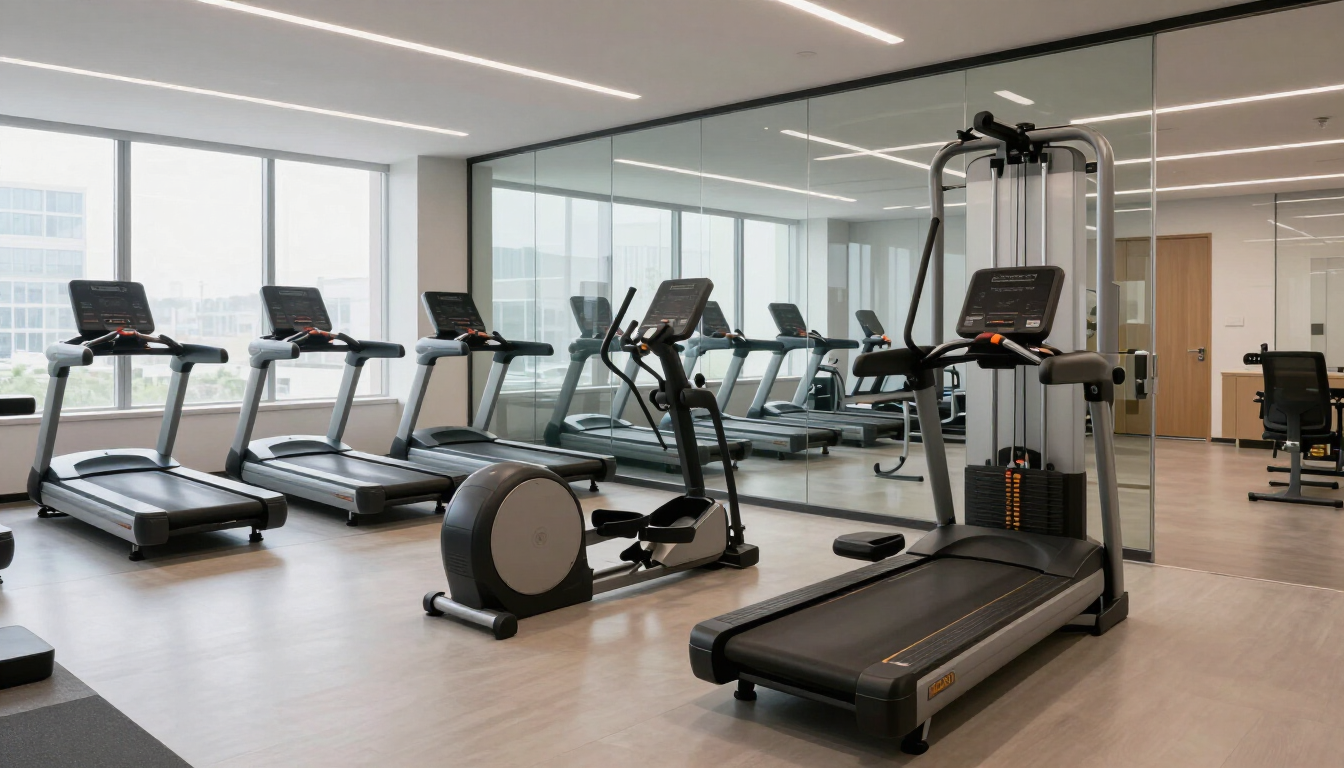
Cardio equipment is especially vulnerable. Treadmills, ellipticals, and bikes rely on motors and internal components that need to stay clean to function properly. When dust and debris collect inside, it puts strain on those systems.
That leads to performance issues first. Machines start to feel off. Then it turns into repairs. Eventually, it can lead to full replacement.
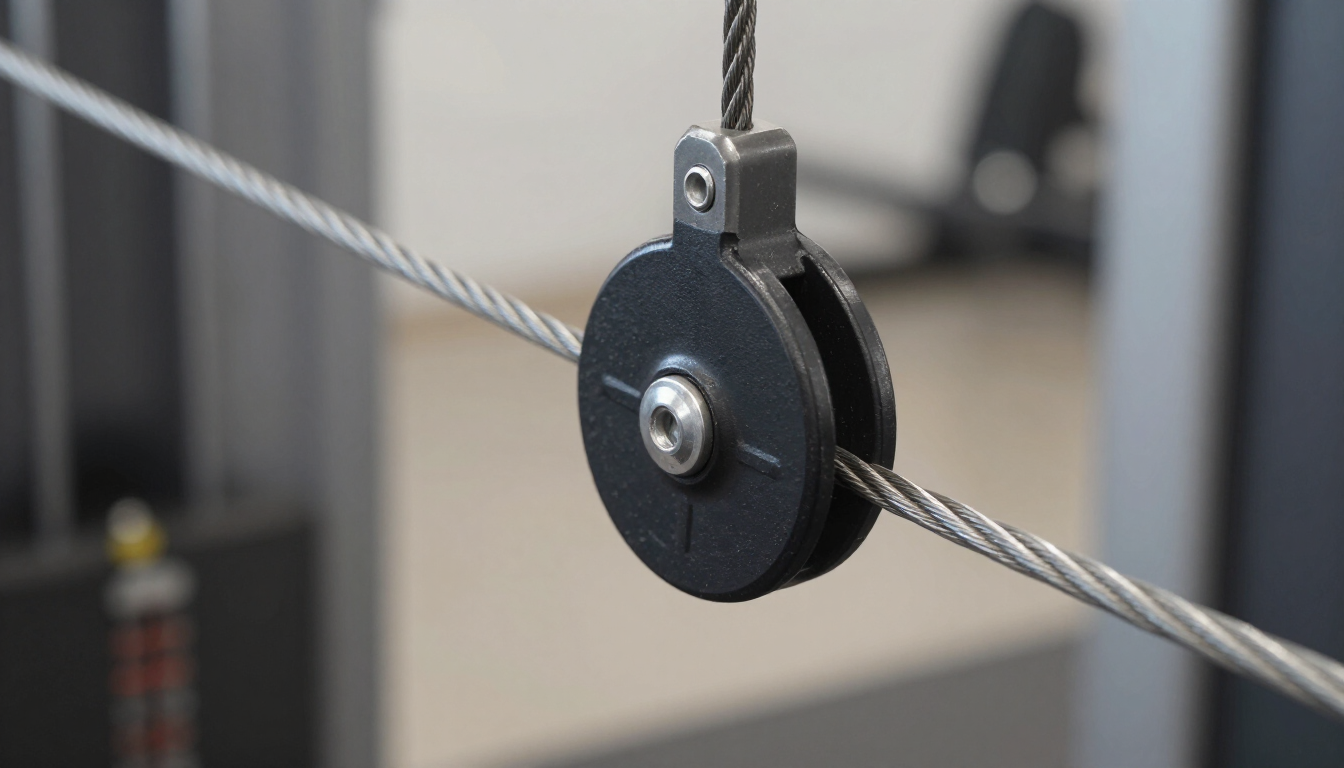
Strength equipment has its own challenges. Cables, pulleys, and moving parts are all affected by buildup. If they are not properly maintained, they begin to wear unevenly. That creates safety concerns and shortens the lifespan of the equipment.
Every repair, every replacement, and every piece of downtime adds up.
And downtime is where things really start to impact your members.
When equipment is out of service, people notice immediately. If one machine is down, it is an inconvenience. If multiple machines are unavailable, it changes how people use the space.
Members do not want to adjust their workouts around broken equipment. They expect things to work. When that expectation is not met consistently, they start looking elsewhere.
This is where cleaning connects directly to retention.
A clean, well-maintained facility creates confidence. Members feel like the space is being taken care of. They are more comfortable using the equipment, and they are more likely to come back regularly.
When that standard drops, even slightly, it changes the perception of the entire facility.
It is not just about whether something is technically clean. It is about how it feels to the person using it.
If a handle feels worn or sticky, if a seat looks like it has buildup, or if equipment just looks older than it should, it creates doubt. That doubt turns into a negative experience.
And today, negative experiences do not stay private.
People leave reviews. They tell friends. They share their opinions online. That feedback becomes part of your reputation, whether you like it or not.
Another area where poor cleaning creates problems is liability.
When equipment is not properly maintained, it increases the risk of injury. Something as simple as a worn grip or a loose component can create a safety issue.
For facility operators, that is not just an operational concern. It is a business risk.
Avoiding those situations requires consistency. It requires more than basic cleaning. It requires a structured approach that includes both cleaning and inspection.
The challenge is that most internal teams are not set up to handle that level of detail.
Staff can handle daily cleaning tasks, but they are not trained to identify early signs of wear or internal issues. They are not opening up machines, checking components, or evaluating performance.
That is where a professional partner makes a real difference.
EcoFit Solutions approaches cleaning as part of a larger system. It is not just about wiping down equipment. It is about maintaining it in a way that keeps everything running the way it should.
Their process includes detailed cleaning of all equipment, along with inspections that catch issues early. Instead of waiting for something to break, they are identifying potential problems before they turn into costly repairs.
For facility managers, that changes everything.
You are no longer reacting to issues. You are staying ahead of them.
This is especially important in environments with high usage. Multifamily gyms, hotels, corporate fitness centers, and commercial properties all rely on equipment being available at all times.
When something goes down in those environments, it impacts multiple users immediately.
Having a structured plan in place removes that uncertainty.
Another benefit is consistency.
When cleaning and maintenance are handled professionally, you get the same level of care across all equipment. There are no gaps, no missed areas, and no guessing about whether something was done properly.
That consistency is what creates a reliable experience for members.
At the end of the day, poor cleaning does not just impact how your facility looks. It impacts how it performs, how members experience it, and how much you spend over time.
When equipment is consistently cleaned and maintained the right way, everything runs smoother. Machines last longer, members feel more comfortable using the space, and your team spends less time dealing with problems.
Facilities that operate at a high level are not waiting for something to go wrong. They are staying ahead of it.
And when you have the right partner in place, it becomes one less thing you have to think about.