
May 18, 2026
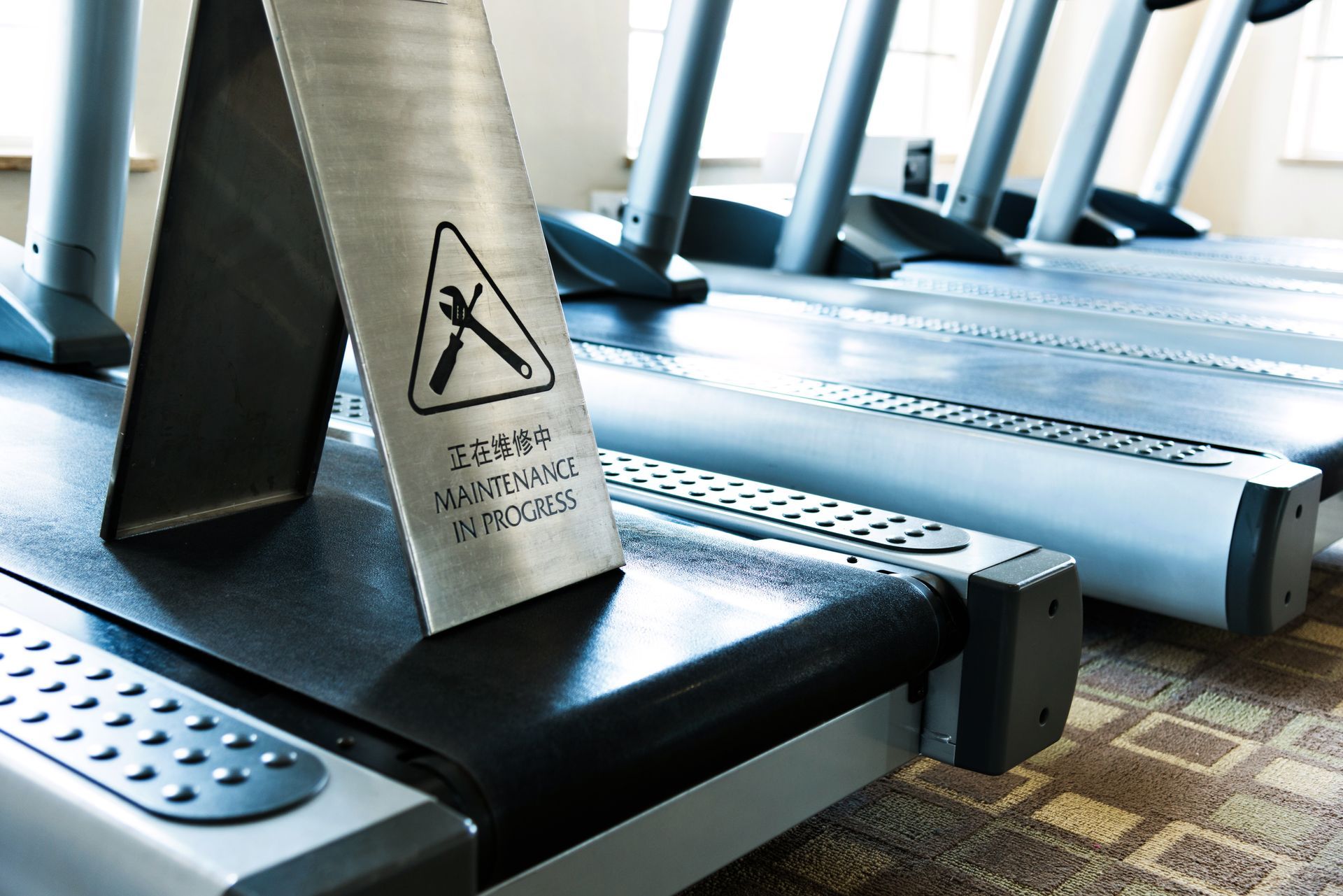
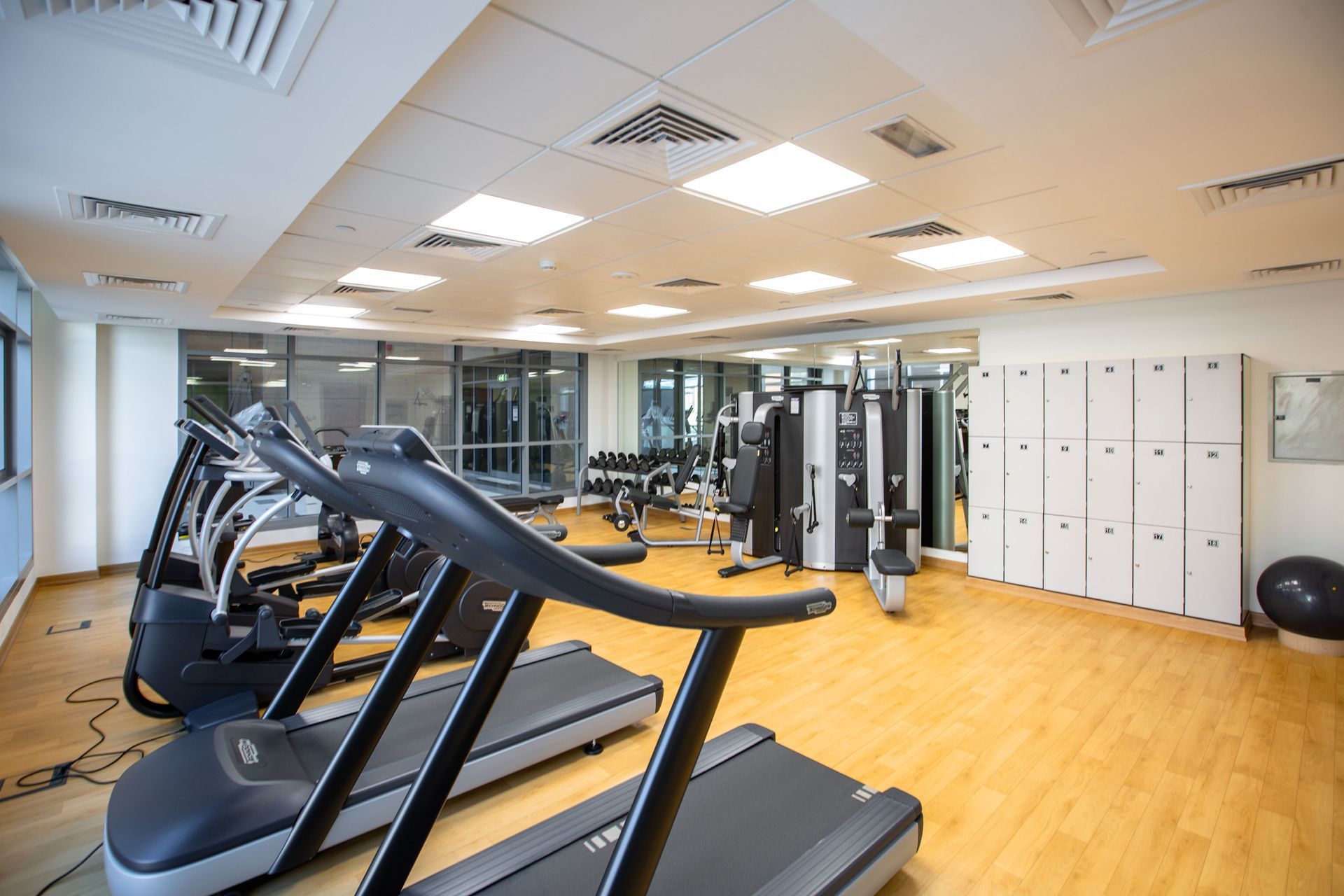
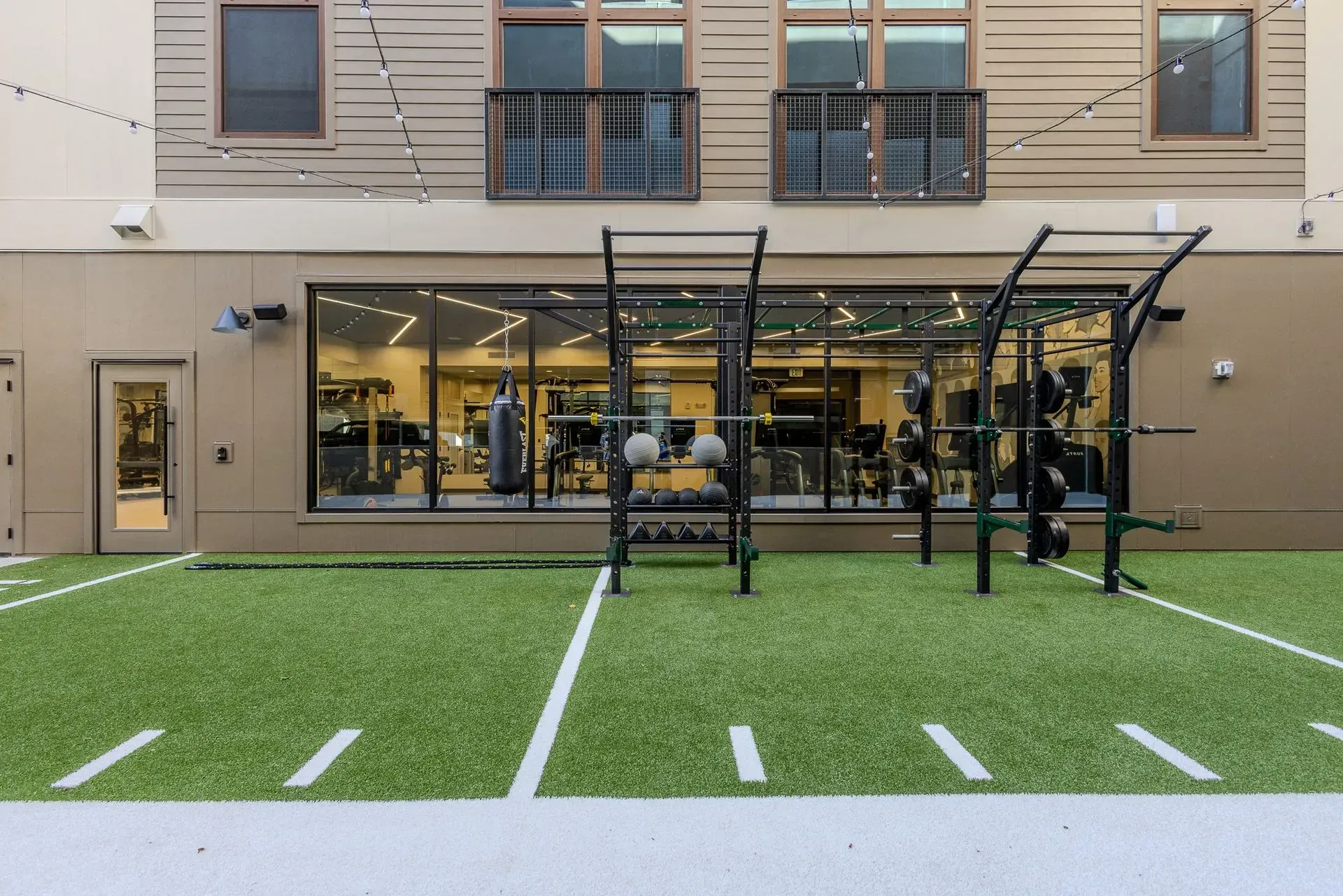
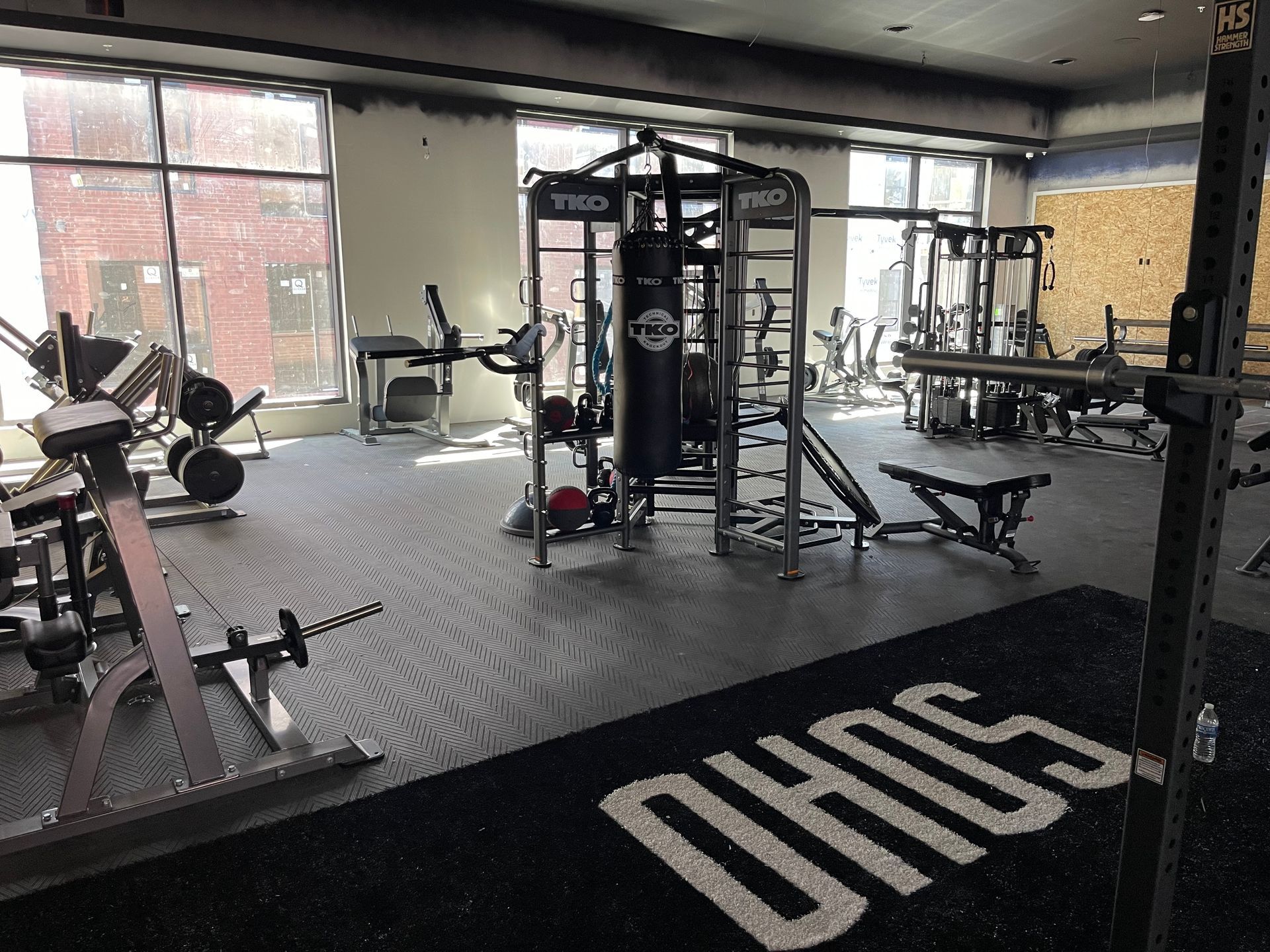
Upgrading commercial gym equipment is one of those decisions that can quickly become bigger than expected. At first, it may seem like you are simply replacing a few treadmills, adding a new cable machine, or swapping out older strength equipment. Once you start looking closer, however, the decision becomes much more strategic. The equipment you choose impacts how people move through the space, how often certain machines are used, how your facility is perceived, how much maintenance you may need, and how well your investment holds up over time. That is why upgrading commercial fitness equipment should never be treated like a quick purchase. It should be treated like an opportunity to improve the entire fitness experience inside your facility. Whether you manage a commercial gym, apartment fitness center, hotel workout room, corporate wellness space, school training room, physical therapy facility, or recreation center, your equipment plays a major role in how people feel about the space. If the equipment looks worn down, feels outdated, or breaks too often, users notice. If the layout feels crowded, confusing, or incomplete, users notice that too. On the other hand, when the equipment is thoughtfully selected, properly installed, and matched to the way people actually use the facility, the entire space feels more professional and valuable. That is where planning matters. At EcoFit Solutions, we help facilities make smarter decisions about commercial fitness equipment, from equipment selection and facility design to installation, moving, repair, maintenance, and flooring. We understand that every fitness space has different goals, users, budgets, and limitations. A busy membership gym does not need the exact same equipment strategy as a hotel fitness center. An apartment fitness room does not need to be built the same way as a school weight room. A corporate wellness center may need equipment that feels approachable for a wide range of employees, while a performance training facility may need heavier-duty strength and functional training options. Before you upgrade, it is important to look at the full picture. Start With How the Equipment Is Being Used Before replacing or adding equipment, take time to understand how your current fitness space is being used. This is one of the most important steps in the upgrade process because it helps you avoid spending money on equipment that looks impressive but does not match real user demand. Many facilities assume they need more of everything, but the better question is what people are actually using. If your treadmills are always occupied but your upright bikes sit untouched, that tells you something. If members constantly use dumbbells, benches, cable machines, and functional training areas, but certain selectorized machines rarely get attention, that also tells you something. Usage patterns can help guide your upgrade plan. For example, some facilities may need more cardio options because users expect quick access to treadmills, ellipticals, bikes, or stair climbers. Others may need to strengthen their free weight or functional training areas because users are moving away from traditional machines and looking for more flexible workouts. Some facilities may need a better balance of both. Looking at how people currently use the space helps you make decisions based on actual behavior instead of assumptions. This is also where feedback can be valuable. Staff members often know which machines receive complaints, which areas feel crowded, and which pieces of equipment users ask for most often. In apartment, hotel, corporate, or school environments, users may not always formally report problems, but their behavior still provides clues. If people avoid certain machines, there may be a reason. The machine may feel outdated, uncomfortable, difficult to adjust, or unreliable. A smart upgrade starts by paying attention to those patterns. Look at the Condition of Your Existing Equipment Not every upgrade requires replacing everything at once. Some facilities may have equipment that still has plenty of useful life left with the right maintenance or repair work. Other facilities may have machines that are becoming too costly to keep operating. Before making major purchasing decisions, it helps to evaluate the condition of your current equipment and determine what should be repaired, replaced, relocated, or removed. There are several signs that equipment may be ready for replacement. Frequent breakdowns are one of the most obvious. If a machine is constantly out of order or needs repeated service, the long-term cost may no longer make sense. Worn cables, torn pads, slipping belts, noisy components, loose parts, damaged frames, outdated consoles, and hard-to-find replacement parts can also be signs that equipment is reaching the end of its practical life. Even when a machine still technically works, it may not be giving users the experience your facility wants to provide. At the same time, some issues can be resolved through repair or preventative maintenance. A commercial treadmill may need belt adjustment, lubrication, or part replacement. A strength machine may need new upholstery, cable service, or hardware adjustments. A piece of equipment may simply need to be moved to a better location in the facility. Working with an experienced commercial fitness equipment partner can help you separate equipment that is worth saving from equipment that should be replaced. Think About the Type of Users You Serve The best commercial fitness equipment upgrade is one that matches the people using the space. This may sound simple, but it is often overlooked. A facility should not be designed only around what is popular online or what looks impressive in a showroom. It should be designed around the actual users who walk through the door. For apartment fitness centers, the goal is often to create a convenient and approachable space that residents can use for everyday workouts. That may include reliable cardio equipment, adjustable benches, dumbbells, cable training, mats, and a few compact strength options. For hotels, the goal may be to give guests enough variety to maintain their routine while traveling without overcrowding the room. For corporate wellness centers, equipment should usually serve a broad range of employees with different fitness levels and comfort levels. For schools, training facilities, and gyms, the needs may be more specific based on athletics, member demographics, programming, and training goals. Understanding your users also helps prevent overbuying or underbuilding. Some facilities invest heavily in advanced equipment when their users really need simple, dependable, easy-to-use machines. Others create spaces that are too basic and fail to meet expectations. The right mix depends on who is using the facility, how often they are using it, and what kind of workouts they want to complete. Consider the Full Layout, Not Just the Equipment One of the biggest mistakes facilities make during an upgrade is focusing only on individual pieces of equipment without thinking about the full layout. Equipment selection and facility design should work together. A great machine can create problems if it is placed in the wrong area, blocks traffic flow, crowds another piece of equipment, or creates safety concerns. A thoughtful layout should make the space easy to navigate. Users should be able to move naturally between cardio, strength, free weights, functional training, stretching, and accessory areas. There should be enough room around equipment for safe use, cleaning access, and maintenance. Pathways should feel open and logical. High-traffic areas should not create bottlenecks. Free weight spaces should have enough room for movement and storage. Cardio equipment should be placed with power access, visibility, spacing, and user comfort in mind. This is especially important in smaller fitness spaces. Apartment gyms, hotel fitness rooms, and corporate wellness rooms often have limited square footage, so every decision matters. The wrong equipment can make the space feel cramped. The right equipment can make the same room feel more useful, more open, and more complete. EcoFit Solutions helps facilities think through layout and equipment together so the final result works better in the real world. Do Not Forget About Flooring Flooring should be part of the upgrade conversation from the beginning. Commercial fitness flooring is not just there to make the room look finished. It helps protect the subfloor, reduce noise, absorb impact, support equipment, improve safety, and define different zones of the facility. Choosing new equipment without considering the flooring underneath it can lead to problems later. Different areas of a fitness facility may need different flooring solutions. Cardio areas may need durable flooring that supports machines and handles steady foot traffic. Free weight areas may need thicker, impact-resistant flooring that can handle dropped weights and heavy use. Functional training areas may benefit from turf, rubber, or other surfaces that support movement. Stretching and mobility areas may need a softer, cleaner, more comfortable surface. The right flooring depends on how the space is used. If you are upgrading equipment, it may be the right time to evaluate whether your flooring still fits the facility. Worn, damaged, uneven, or poorly matched flooring can make a new equipment upgrade feel incomplete. Planning equipment and flooring together can help create a cleaner, safer, and more professional environment. Balance Cardio, Strength, and Functional Training A strong commercial fitness space usually needs a balanced mix of equipment. The exact balance depends on the facility, but most users expect access to some combination of cardio, strength, free weights, and functional training. If one area dominates the room too much, the space may not serve users as well as it could. Cardio equipment remains important in many commercial settings because it is familiar, accessible, and easy for users to understand. Treadmills, ellipticals, bikes, rowers, and stair climbers can all play a role depending on the size and goals of the facility. Strength equipment is equally important because users want options for building muscle, training safely, and targeting different areas of the body. This may include selectorized machines, plate-loaded equipment, cable systems, benches, racks, dumbbells, and accessories. Functional training has also become a major part of many fitness spaces. Users often want open areas where they can stretch, lift, move, train with kettlebells, use bands, push sleds, or complete bodyweight exercises. A facility that only focuses on traditional machines may feel limited. A facility that only focuses on open training may not serve users who prefer structure and guidance. The best upgrade plan considers how all of these areas work together. Consider New, Used, and Refurbished Equipment Options When upgrading commercial fitness equipment, many facilities assume they only have one path. In reality, there may be several options depending on the budget, timeline, and goals. New equipment can be a great choice when a facility wants the latest models, updated features, warranties, and a fresh look. Used or refurbished commercial equipment can also be a strong option when sourced properly, especially for facilities that want quality equipment while managing costs. The key is making sure the equipment is appropriate for commercial use and fits the demands of the facility. Residential-grade equipment is usually not designed for the usage levels found in gyms, apartments, hotels, schools, or corporate wellness spaces. Even if it costs less upfront, it may not hold up over time. Commercial equipment is built for heavier use, but the condition, brand, parts availability, and service history still matter. EcoFit Solutions can help facilities evaluate their options and make decisions that fit their needs. The goal is not always to spend the most money. The goal is to make the smartest investment for the space, users, and long-term operation of the facility. Plan for Maintenance Before the Equipment Arrives A successful equipment upgrade should include a maintenance plan from the start. New equipment still needs care. Refurbished equipment still needs inspections. Existing equipment that remains in the facility still needs service. If maintenance is ignored after the upgrade, the facility can end up facing the same problems again later. Preventative maintenance helps protect the equipment investment by keeping machines in better condition, identifying issues early, and reducing avoidable downtime. It also helps the facility look more professional. When machines are clean, smooth, and reliable, users feel better about the space. When equipment starts making noise, breaking down, or showing visible wear, the upgrade loses some of its value. Maintenance planning is especially important for high-use facilities. The more people use the equipment, the more important regular service becomes. A proper plan can help extend equipment life, support safety, and give facility managers a better understanding of future repair or replacement needs. Think About Installation and Moving Logistics Commercial fitness equipment is heavy, complex, and often difficult to move. Installation should not be treated as an afterthought. Proper delivery, placement, assembly, leveling, spacing, and setup all matter. If equipment is not installed correctly, it can affect performance, safety, user comfort, and long-term durability. Moving existing equipment also requires planning. Machines may need to be disassembled, transported, reassembled, inspected, and positioned correctly. Floors, walls, doorways, elevators, and surrounding areas need to be protected during the process. For active facilities, timing also matters because you may need to reduce disruption for members, residents, guests, employees, students, or patients. Working with a team that understands commercial fitness equipment can help the process go more smoothly. EcoFit Solutions supports installation and moving as part of a complete approach to fitness facility planning. That means your upgrade is not just about buying equipment, it is about getting the equipment into the right place and ready for use. Make the Upgrade Feel Intentional A commercial gym equipment upgrade should feel intentional when users walk into the space. It should not feel like a random mix of machines that were added over time without a plan. The equipment, layout, flooring, storage, traffic flow, and maintenance plan should all work together. This is where facilities can create a much better experience. A thoughtful upgrade can make an older room feel refreshed. It can make a small space feel more useful. It can make a large gym easier to navigate. It can help residents, members, guests, employees, students, or patients feel like the facility is being cared for and improved. The best upgrades are not always the most complicated. Sometimes, the right decision is replacing a few high-use machines, improving the strength area, adding better flooring, reorganizing the layout, or removing equipment that no longer serves the space. Other times, a full redesign may be the better path. The right answer depends on the facility. Work With a Commercial Fitness Equipment Partner Upgrading commercial fitness equipment is easier when you have the right partner helping you through the process. There are a lot of decisions to make, and each one can affect the final result. You need to consider equipment condition, user needs, layout, flooring, installation, repairs, maintenance, and long-term planning. Trying to manage all of that without experienced guidance can lead to overspending, underplanning, or choosing equipment that does not fully fit the space. EcoFit Solutions helps commercial facilities make informed decisions about their fitness equipment. Our team can help evaluate your current setup, identify upgrade opportunities, recommend equipment options, plan the layout, support flooring decisions, manage installation and moving, and provide ongoing maintenance and repair services. We work with facilities that want their fitness spaces to be more functional, more reliable, and better suited for the people who use them. If your facility is considering a commercial gym equipment upgrade, now is the time to look beyond the purchase itself. Think about the space, the users, the layout, the long-term maintenance, and the experience you want to create. With the right plan, an equipment upgrade can do more than replace old machines. It can improve the way your entire fitness facility works. EcoFit Solutions can help you make that upgrade with confidence. Contact our team today to talk through your commercial fitness equipment needs and start planning a better fitness space for your facility.