

The Best Flooring Options for Commercial Gyms and Wellness Centers
If you're opening or upgrading a gym in the St. Louis area, flooring might not be the first thing you think about. Most people get caught up in equipment selection, layout, and branding. But flooring plays a major role in how your facility performs over time. It affects safety, comfort, noise, maintenance, and the overall experience your members will have while training.


At EcoFit Equipment, we help gyms, wellness centers, and fitness rooms across St. Louis choose flooring that matches their space, equipment, and usage needs. The right flooring can make the difference between a durable, efficient facility and one that ends up needing early replacement or costly repairs.


If you're planning a new facility or updating an existing one, here’s what you need to know about the most effective commercial gym flooring options.


Start With the Function of the Space

Not every part of your gym needs the same type of flooring. Different zones require different materials depending on the activities that happen in that space. We always recommend breaking down your facility into functional areas like cardio, strength, functional fitness, and recovery or stretching. From there, you can match each zone with a flooring type designed to hold up under that specific use.


Let’s take a closer look at some of the most common and effective flooring options for each area.


Rubber Flooring for General Use and Strength Areas

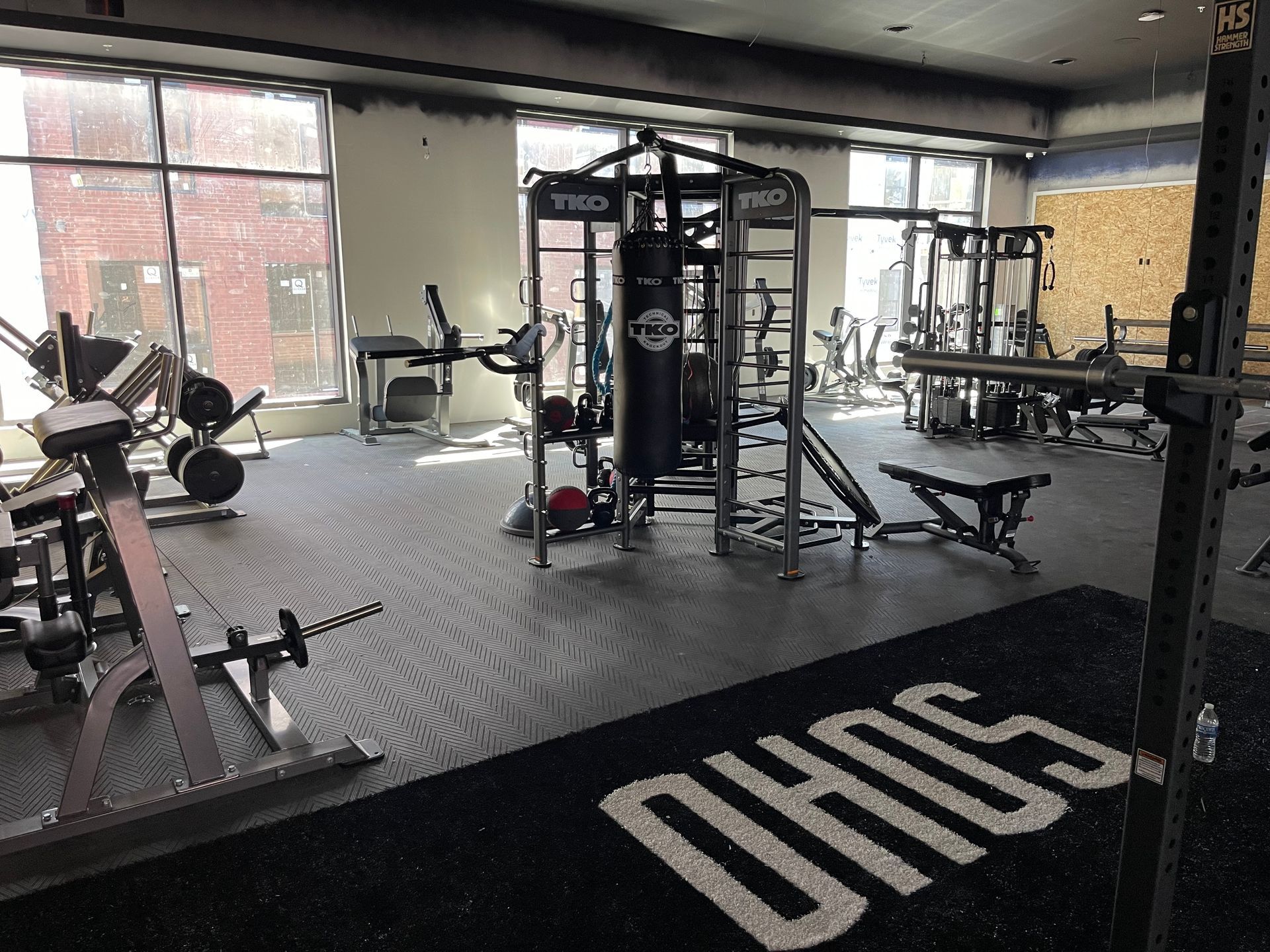
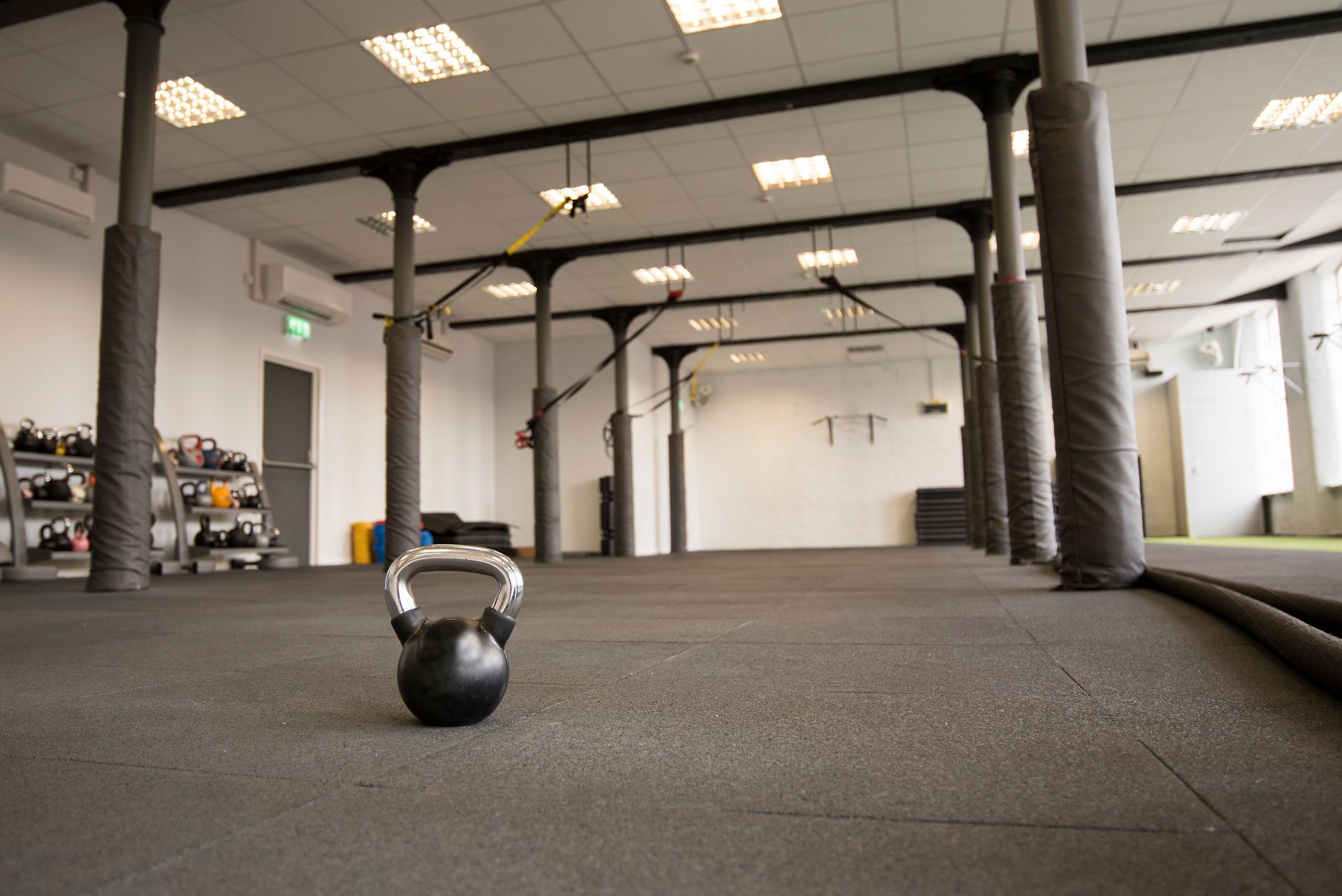
Rubber is the most widely used material in commercial gyms for good reason. It’s durable, non-slip, and able to handle heavy equipment. It also absorbs impact well, making it ideal for free weight zones, strength machine areas, and high-traffic pathways.


In St. Louis gyms where space is shared by both beginners and experienced lifters, rubber flooring offers the best mix of function and protection. It holds up under repeated use, protects concrete subfloors, and reduces noise from dropped weights.


Rubber tiles and rolls come in different thicknesses. The heavier your equipment or usage, the thicker you want your flooring. For heavy-duty weightlifting zones, thicker rubber is worth the investment.


We often install rubber flooring in:


  • Weight rooms

  • Dumbbell and barbell zones

  • Machine training areas

  • Entryways and walkways

Turf for Functional Training and Athletic Performance

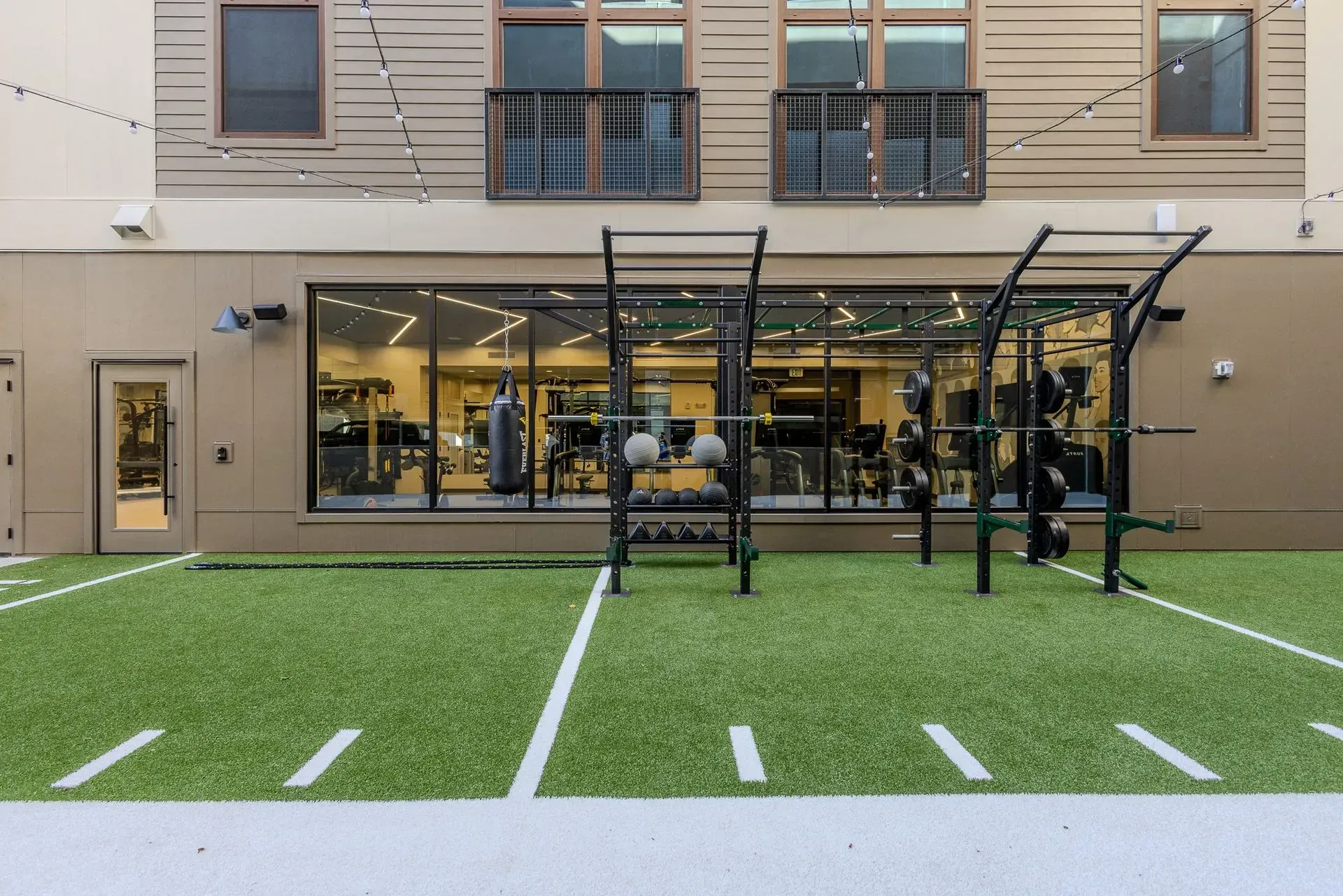
Artificial turf is a smart option for gyms offering functional training or performance-focused workouts. It creates a designated area for sled pushes, agility drills, battle ropes, and bodyweight training.


Unlike hard rubber surfaces, turf offers a softer feel and provides traction for lateral movements. This makes it popular in performance gyms, boot camp studios, and athlete-focused facilities throughout St. Louis.


If your gym offers any kind of dynamic group training, adding a turf lane or turf corner can help you create separation in your layout and give members a dedicated space for high-intensity work.


We often recommend turf for:


  • Sled work

  • Functional fitness zones

  • Bootcamp training areas

  • Small group class spaces

Vinyl and Wood-Grain Flooring for Multipurpose Studios

For studios offering group classes like yoga, Pilates, or light mobility work, rubber or turf isn’t the best fit. In these settings, vinyl or wood-grain flooring provides a professional look with just enough give for comfort. These materials are also easy to clean, which is important for spaces where people may be using mats or lying on the floor.


Some vinyl flooring options can even handle light dumbbell use or circuit-based training, making them suitable for studios that serve dual purposes throughout the day.


St. Louis wellness centers often include spaces for both group fitness and one-on-one sessions. Vinyl flooring provides a more inviting, clean appearance while still being functional and long-lasting.


Good places for vinyl or studio flooring include:


  • Yoga and stretch rooms

  • Pilates studios

  • Multipurpose group fitness areas

  • Rehab or recovery rooms

Foam Flooring for Light Use and Mobility Areas

Foam flooring isn’t appropriate for heavy equipment or high-traffic areas, but it does have a role in small facilities or designated recovery zones. It offers a softer surface, which can be helpful for bodyweight movements, stretching, and mobility drills.


Foam tiles are often interlocking and can be rearranged or replaced as needed. While they’re not the right choice for strength areas, they work well in spaces where low impact and comfort are the main priorities.


Foam flooring is best used in:


  • Stretching and warm-up areas

  • Bodyweight exercise spaces

  • Light-use training rooms

  • In-home or boutique-style gyms

Consider Sound and Vibration Control

The St. Louis area is filled with mixed-use buildings, especially in city neighborhoods. If your facility shares walls with offices, apartments, or other businesses, sound and vibration control should be a serious consideration. The right flooring material and thickness can reduce how much noise travels from dropped weights or treadmill foot strikes.


We work with clients to evaluate these concerns during the layout phase and recommend flooring materials that reduce both structure-borne and airborne noise. This makes your space more enjoyable for everyone, including neighboring tenants.


Installation Matters Just as Much as Material

Even the best flooring won't perform well if it’s installed incorrectly. Uneven seams, improper glue, and loose tiles can all lead to safety issues and premature wear. At EcoFit, we handle the full flooring process from material recommendation to professional installation.


That includes:


  • Site measurement and layout planning

  • Subfloor preparation

  • Full install and fitment

  • Edge finishing and transition management

  • Post-install cleaning and guidance

We make sure your flooring looks professional, performs well, and is built to last.


Match Your Flooring to Your Facility's Brand and Purpose

Your flooring is one of the first things people notice when they walk into your gym. It affects the look and feel of your space and sets the tone for how professional and well-maintained your facility feels.


In upscale areas of St. Louis or competitive gym environments, having flooring that aligns with your brand is important. That might mean branded turf sections, custom color schemes, or sleek studio finishes that match your walls and mirrors.


We work with each client to align their flooring choices with their brand goals, whether that’s rugged and industrial, modern and clean, or warm and welcoming.


Work With a Partner That Understands St. Louis Facilities

The fitness scene in St. Louis is diverse. From boutique studios and medical wellness centers to apartment gyms and full-service commercial spaces, each location has different demands. EcoFit understands the regional needs of these facilities and offers flooring solutions that match both the space and the user.


Our team knows what holds up to the humidity, the snow boots, the foot traffic, and the real-world challenges local gyms face. We source materials that last, and we install them with precision.


Let’s Build the Right Foundation for Your Gym

Choosing the right flooring is more than just picking a material. It’s about planning the foundation your entire facility will be built on. If you are designing or renovating a gym in the St. Louis area, EcoFit Equipment can help guide you through your options and install the perfect flooring setup for your space.


Reach out to us today to schedule a walk-through or consultation. Let’s make sure your facility has the flooring it needs to support long-term performance, member safety, and a clean, professional appearance.

Contact Us
February 12, 2026
When building or upgrading a commercial gym, budget always enters the conversation. Equipment is a major capital expense, and it is natural to compare options and look for ways to reduce upfront investment. The challenge is that commercial gym equipment should never be evaluated on purchase price alone. What looks affordable in year one can quietly become expensive over time. Cheap commercial equipment often carries hidden costs that impact operations, maintenance, member satisfaction, and long term return on investment. The true cost of commercial gym equipment includes more than the invoice. It includes downtime, repair frequency, warranty coverage, lifecycle expectancy, and how that equipment shapes the perception of your brand. At EcoFit Solutions, we work with facilities to evaluate equipment decisions based on total cost of ownership rather than initial price. That shift in perspective protects your capital and your long term performance. One of the most immediate risks of lower priced equipment is durability. Commercial environments are demanding. Cardio machines may run for 12 to 16 hours per day. Strength equipment can see constant turnover during peak hours. Lighter materials, simplified construction, and lower grade components wear down faster under heavy use. Bearings loosen, cables fray, upholstery tears, and electronic components begin to fail. These issues do not always show up in the first few months, but over time they increase in frequency. Frequent repairs disrupt daily operations. Out of service signs become more common. Members adjust workouts because preferred equipment is unavailable. Staff spend time coordinating service appointments instead of focusing on engagement and retention. Even if each repair seems manageable on its own, the cumulative effect can be significant. Reduced uptime directly affects the member experience and, over time, member loyalty. Downtime has a measurable impact on revenue. Members expect reliable access to equipment, especially during peak hours. If treadmills, rowers, or popular strength stations are consistently unavailable, frustration builds. Members may shorten workouts, change facilities, or express dissatisfaction in reviews. The cost of replacing one membership often exceeds the savings gained from choosing cheaper equipment. Protecting uptime protects revenue. Warranty structure is another area where hidden costs appear. Lower priced commercial equipment often comes with shorter warranties or limited coverage. Frames may be covered for several years while parts and labor have significantly shorter terms. Electronics, which are critical for modern cardio machines, may have minimal protection. When equipment begins to fail outside of limited warranty coverage, repair costs fall entirely on the facility. Evaluating warranty terms carefully is essential. Comprehensive coverage signals manufacturer confidence in product durability. It also reduces unexpected expenses and allows you to plan more accurately. Future focused facilities analyze not only the length of coverage but also what is included. At EcoFit Solutions, we guide clients through warranty comparisons to ensure they understand the long term implications of each option. Member perception is another factor that is often underestimated. Equipment quality shapes how members view your facility. Solid construction, smooth movement, and professional finishes reinforce value. In contrast, unstable frames, noisy components, and worn surfaces create a lower end impression. Even if programming and staff are strong, the physical environment influences how members justify their membership cost. Cheap equipment often shows cosmetic wear quickly. Paint chips, upholstery cracks, and loose hardware signal age and heavy use. That appearance can make a relatively new facility feel outdated. Perception influences retention, referrals, and overall brand strength. Investing in higher quality equipment supports a premium experience and protects your reputation in a competitive market. Lifecycle expectancy is where the financial impact becomes clear. Commercial gym equipment should be evaluated based on how long it will perform reliably under real world conditions. If a lower priced machine must be replaced in four years instead of lasting eight to ten, the annual cost of ownership increases significantly. When replacement cycles shorten, capital expenditures occur more frequently, disrupting long term financial planning. Repair costs also accumulate over time. Service visits, replacement parts, and staff coordination all contribute to operational expenses. When equipment requires frequent attention, these indirect costs begin to add up. Facilities that focus on lifecycle value prioritize durability and serviceability, reducing total expenditure across the life of the equipment. Another hidden cost involves scalability. As facilities grow or expand into multiple locations, standardization becomes important. Cheap equipment lines may lack consistency, long term manufacturer stability, or scalable product ranges. If a model is discontinued or parts become difficult to source, maintaining consistency across locations becomes complicated. That complexity increases operational strain and can limit expansion plans. Future proofing your gym includes selecting equipment partners that offer stable product lines and ongoing support. Consistency simplifies training, maintenance, and brand presentation. It also protects your ability to scale without reinventing your equipment strategy at every stage of growth. Safety and liability are also part of the equation. Equipment that wears down quickly or develops structural issues introduces risk. Loose components, unstable frames, or failing cables can create hazardous conditions. Investing in durable, commercial grade equipment reduces the likelihood of safety incidents and protects both members and the business. Ultimately, the decision is not about spending the most. It is about spending strategically. The goal is to balance capital investment with durability, performance, and long term value. Facilities that evaluate equipment based solely on upfront cost often experience higher total expenses over time. Those that consider lifecycle value, warranty coverage, uptime reliability, and brand perception position themselves for sustained success.  At EcoFit Solutions, we help commercial gyms, corporate fitness centers, and performance facilities compare equipment options through a long term lens. Our focus is on protecting your investment and ensuring that your equipment supports growth rather than creating hidden operational strain. If you are planning a new facility or evaluating upgrades, our team can help you assess true cost of ownership and build a strategy that delivers performance for years to come.
February 12, 2026
When you invest in commercial gym equipment, you are making a decision that should carry your facility for years, not just seasons. The fitness industry moves quickly. Training methods evolve, technology advances, and member expectations continue to rise. Equipment that feels innovative today can feel dated faster than most operators expect. Future proofing your commercial gym is not about chasing every new trend. It is about making smart, strategic decisions that protect your capital investment, support long term growth, and allow your space to adapt without constant reinvestment. At EcoFit Solutions, we work with facilities that want to think beyond the initial purchase and build an equipment strategy that holds up five to ten years down the road. One of the biggest mistakes gym owners make is evaluating equipment based only on upfront price. Commercial gym equipment should be assessed on total lifecycle value. That includes durability, serviceability, warranty strength, manufacturer support, and how well the equipment performs under high volume usage. In a commercial environment, cardio machines can run for thousands of hours each year. Strength equipment in busy zones can experience near constant use during peak hours. Lower grade equipment may save money initially, but repair frequency, downtime, and member dissatisfaction quickly erase those savings. Future proofing starts with selecting equipment built specifically for commercial settings and backed by long term manufacturer support. Reliability protects your brand reputation and keeps your floor operational. Flexibility is another critical component of future proofing. Training trends shift, and your programming will likely evolve over time. Five years ago, many facilities prioritized long rows of cardio machines and traditional selectorized circuits. Today, functional training, small group training, and strength focused programming dominate many markets. Choosing modular and expandable systems allows you to adapt without rebuilding your entire floor. Configurable racks, expandable rigs, adjustable storage solutions, and multi use strength stations provide the flexibility to shift layouts as demand changes. Instead of ripping out equipment to follow trends, you can adjust attachments, add accessories, and reconfigure zones. EcoFit Solutions helps facilities design strength and functional areas with adaptability built into the initial layout, reducing the need for expensive overhauls later. Technology integration also plays a significant role in long term relevance. Members increasingly expect connectivity, performance tracking, and digital interaction within their workouts. Equipment that supports software updates, wearable integration, and evolving digital platforms will stay relevant far longer than static hardware. This does not mean every piece needs a screen, but it does mean being intentional about where technology enhances the member experience. Selecting manufacturers that continue investing in their digital ecosystems ensures your equipment evolves alongside member expectations. Future proofing includes evaluating not just the hardware, but the long term technology roadmap behind it. At the same time, it is important to balance innovation with foundational demand. Trends can drive excitement, but core equipment categories remain constant. Barbells, plates, dumbbells, benches, cable systems, and durable cardio machines will always form the backbone of a commercial gym. While specialty equipment may surge in popularity, foundational strength and conditioning tools consistently deliver usage and revenue. Instead of dedicating large portions of your floor to short lived trends, create flexible areas that allow for program rotation. This approach keeps your facility current while protecting investment in equipment that will never go out of style. Future proofing also requires thinking about the members you want to serve long term. Your demographic profile may evolve as your community grows. You may attract more beginners, older adults, youth athletes, or high performance clients over time. Each group has unique equipment needs. Choosing versatile equipment that supports multiple training styles allows your facility to expand its reach without major capital expenditures. For example, adjustable strength systems and open functional spaces can serve beginners and advanced athletes alike. When EcoFit Solutions consults on equipment planning, we look at both current usage patterns and long term growth goals to ensure your investment supports where you are headed. Space efficiency and revenue per square foot should also factor into every equipment decision. Floor space is valuable, and underutilized equipment becomes expensive quickly. Multi function strength systems, compact selectorized units, and versatile functional tools maximize programming options within limited square footage. Equipment that consistently attracts traffic and supports multiple workout styles will outperform single purpose pieces that see occasional use. Future proofing means evaluating how each piece contributes to engagement, retention, and overall member satisfaction. When your layout is intentional, you can refresh programming without structural renovation. Maintenance planning is often overlooked but plays a major role in long term performance. Even the highest quality equipment requires consistent upkeep. A structured preventative maintenance plan extends lifespan, protects warranty coverage, and reduces unexpected downtime. Proactive servicing keeps equipment looking and performing like new, which directly impacts member perception. Future proofing includes budgeting for maintenance from the start rather than treating it as an afterthought. EcoFit Solutions supports facilities not only with equipment selection but also with maintenance strategies that preserve long term value and reduce operational disruptions. For facilities operating multiple locations, standardization becomes even more important. Using consistent equipment models across sites simplifies training, maintenance, parts management, and branding. Members appreciate familiarity, and staff can more easily manage service needs when equipment platforms are uniform. Even single location facilities benefit from internal standardization within categories. Matching racks, benches, and selectorized lines make future expansions and replacements more seamless. Standardization protects your ability to scale without complexity. Ultimately, future proofing your commercial gym is about strategic planning. It requires evaluating lifecycle value instead of sticker price, choosing adaptable systems over rigid layouts, integrating technology thoughtfully, and aligning equipment selection with long term business goals. The goal is not to predict every trend, but to build a facility capable of evolving as the industry changes. With the right equipment strategy, you can reduce replacement cycles, protect capital, and maintain a modern, competitive environment for years to come.  At EcoFit Solutions, we partner with commercial gyms, corporate fitness centers, and performance facilities to design equipment strategies built for longevity. From initial layout planning to equipment sourcing and ongoing maintenance support, our focus is on helping you invest once and build smart. If you are planning a new facility or evaluating upgrades to your current space, our team can help you create a roadmap that keeps your gym relevant, efficient, and ready for the future.
January 26, 2026
When gym owners think about return on investment, equipment is usually the first thing that comes to mind. New machines, updated strength gear, and expanded training areas all feel like tangible upgrades. What often gets overlooked is the role design and layout play in how that equipment actually performs once it is on the floor. A gym can have great equipment and still struggle if the layout works against the way members move, train, and interact with the space. Professional gym design is not about making a facility look fancy. It is about making the space work better every single day, improving member experience, equipment usage, staff efficiency, and long term retention. Members may not consciously think about layout, but they react to it constantly. They feel it when pathways are cramped, when popular equipment is stacked too closely together, or when they have to cross busy areas to complete a workout. These small frustrations add up over time and shape how often members visit and how long they stay. A thoughtful layout creates natural flow, allowing members to move through workouts without feeling rushed or interrupted. When a space feels intuitive, people train longer and come back more often, which directly affects revenue without increasing marketing spend. Poor design rarely shows up as one obvious problem. It appears through underused equipment, bottlenecks during peak hours, and increased wear on machines and flooring. Equipment placed too closely together is more likely to get damaged, while crowded areas raise safety concerns. Confusing layouts also make it harder for staff to supervise, clean, and maintain the space. Over time, these issues quietly cost money through repairs, replacements, and lost memberships, even though the gym may appear busy on the surface. Professional layout planning starts by understanding how a facility is actually used. Member demographics, peak traffic times, and programming all influence how space should be organized. Strength areas, cardio zones, functional training spaces, and group areas serve different purposes, and placing them intentionally improves flow and comfort. When members feel confident navigating the space, they are more likely to use a wider range of equipment and stay engaged with their training. One of the biggest benefits of good design is improved equipment utilization. Many gyms struggle with certain machines always being occupied while others sit unused. In most cases, this is not an equipment issue but a placement issue. When machines are difficult to access or placed in awkward locations, members naturally avoid them. Better layout balances usage across the floor, helping every piece of equipment deliver more value over time while reducing congestion in popular areas. Layout planning also has a major impact on staff efficiency. Clear walkways make cleaning faster and more consistent. Logical equipment placement simplifies maintenance and reduces downtime. Open sightlines help trainers and staff monitor the floor and assist members more effectively. When staff can move easily through the space, service improves without increasing labor costs, which supports stronger retention and a better overall experience. Another key advantage of professional design is planning for growth. Membership needs change, programming evolves, and facilities expand. A well planned layout accounts for future adjustments by allowing flexibility in equipment placement and training zones. This reduces the need for disruptive and expensive redesigns later and helps protect the original investment as the gym grows. At EcoFit, we approach design and layout as strategic tools that support long term success. We focus on how members move, how equipment is used, and how the facility operates day to day. Our goal is to create spaces that feel organized, inviting, and efficient, while avoiding common mistakes like overcrowding and poor spacing. The result is a gym that not only looks professional but performs better for members and staff alike.  Design should be viewed as an investment rather than an expense. When layout planning is done right, it improves retention, protects equipment, supports staff, and creates an environment people want to return to. If your gym feels busy but inefficient, or if certain areas are constantly crowded while others go unused, layout may be the missing piece. With thoughtful planning, the same square footage can deliver far better results. If you are planning a new facility, an expansion, or a refresh, EcoFit can help you design a layout that maximizes both space and return.