

Looking for Commercial Fitness Equipment in St. Louis? Here’s What to Know Before You Buy
If you have been searching “commercial fitness equipment near me,” you are probably not just casually browsing.
Most people who type that into Google are planning something real, like opening a new gym, upgrading an existing facility, replacing worn down machines, or building out a fitness room for an apartment community, school, training center, or corporate wellness space.
And while it might seem like buying gym equipment should be simple, commercial equipment purchases can get complicated fast. Between lead times, delivery logistics, installation, layout planning, warranties, and ongoing maintenance, the difference between buying from a true commercial supplier versus ordering from an online storefront can be huge.
In this guide, we are going to walk through what you should know before you invest in commercial fitness equipment, especially if you are buying locally.
Whether you are building a full gym or just upgrading a small fitness room, this will help you make smarter decisions that protect your budget and keep your facility running smoothly.
Why “Commercial Fitness Equipment Near Me” Matters More Than You Think
Buying commercial gym equipment is different from buying personal fitness equipment for your home.
Commercial equipment is built for heavy daily use, higher safety expectations, and long term performance. It also comes with real operational responsibilities. If something breaks, it affects your members, your tenants, your employees, or your entire facility.
That is why buying locally matters.
When you purchase from a commercial fitness equipment supplier near you, you get more than equipment. You get access to expertise, support, and service that you simply cannot get from a generic online listing.
Local support can make a big difference in areas like:
- delivery coordination
- installation logistics
- equipment assembly and calibration
- layout planning and facility flow
- warranty handling
- preventative maintenance
- repair response time
If you are comparing options, it is worth stepping back and thinking beyond the price tag. The best long term decision usually includes service and support.
What Counts as Commercial Fitness Equipment?
This is one of the biggest points of confusion.
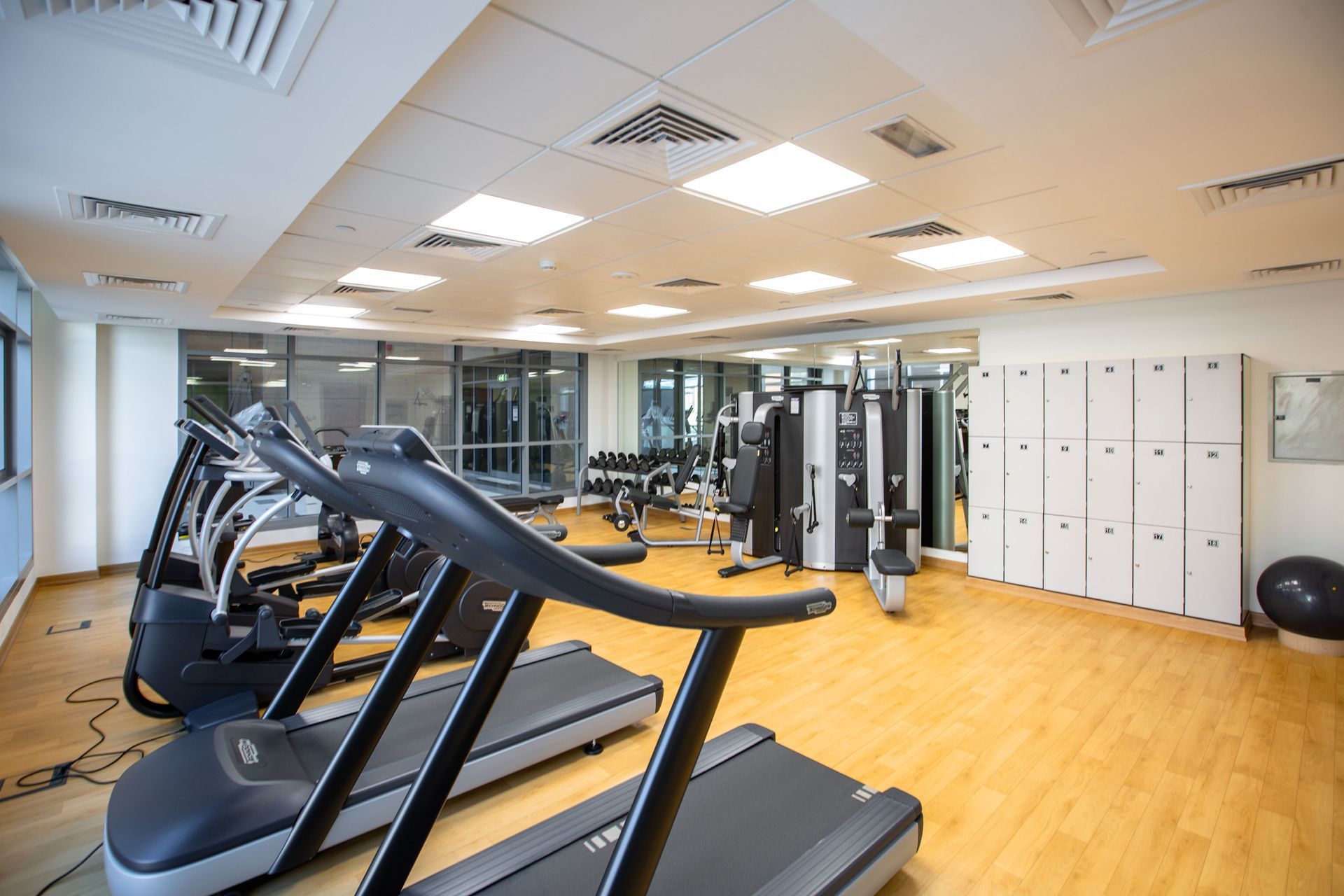
A lot of equipment online is labeled “commercial grade,” but that phrase gets used loosely. True commercial fitness equipment is designed to be used all day, every day, by many different people. It is built with stronger frames, higher capacity components, better electronics, and serviceable parts.
Commercial equipment usually includes:
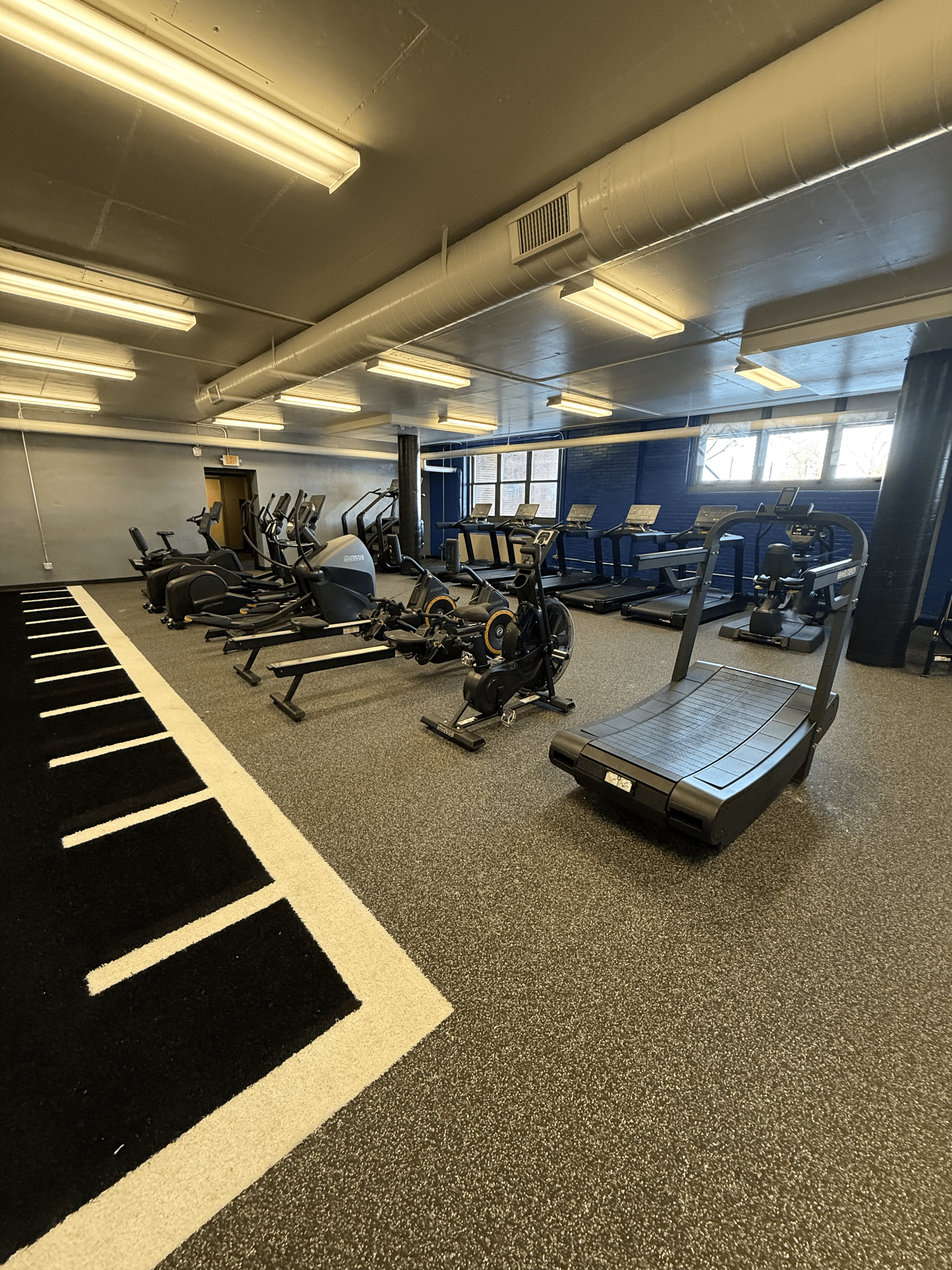
- treadmills designed for long run times and high traffic
- ellipticals with durable stride systems and stable platforms
- upright and recumbent bikes built for constant use
- stair climbers made to handle repeated impact
- strength machines with heavy duty cabling and steel construction
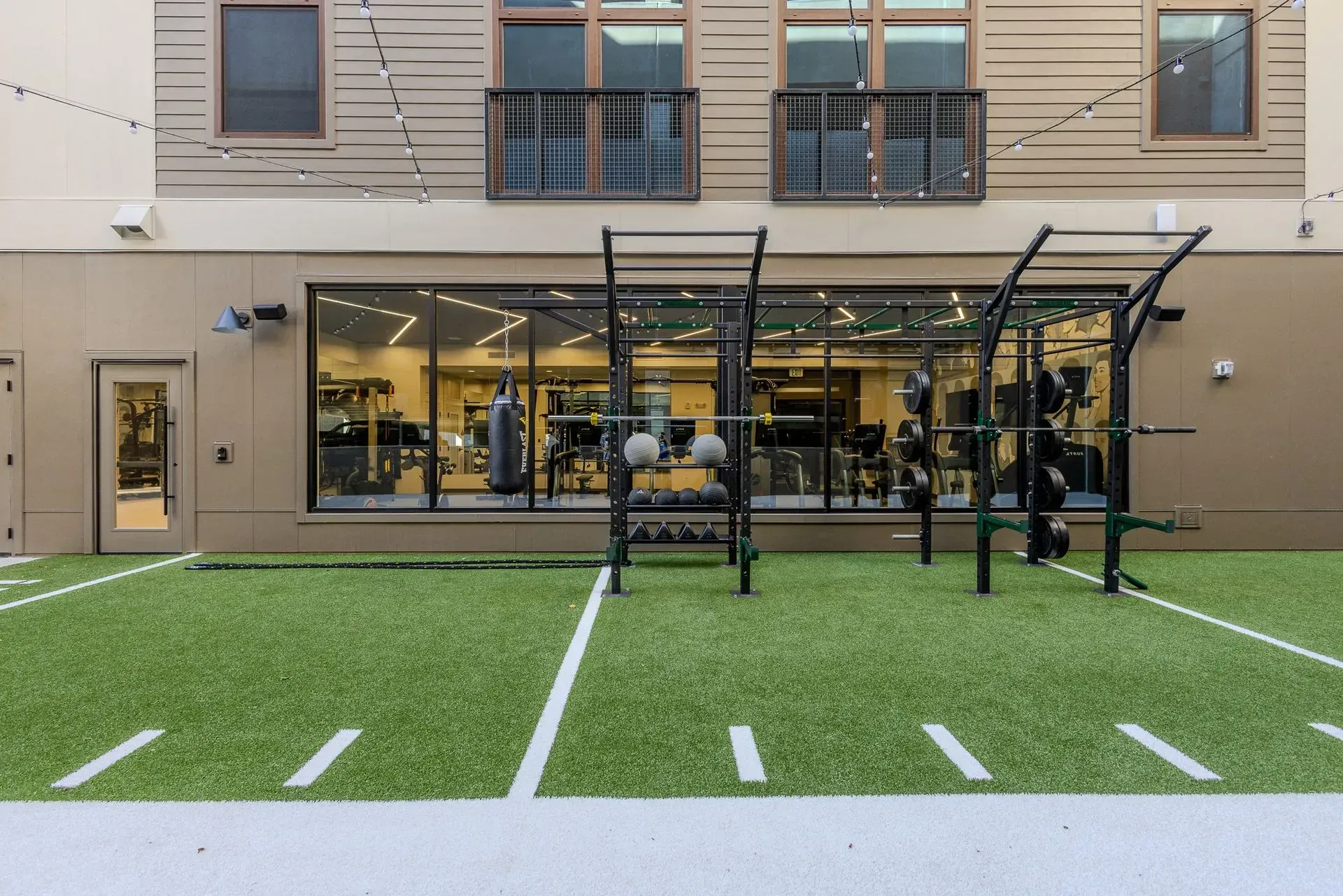
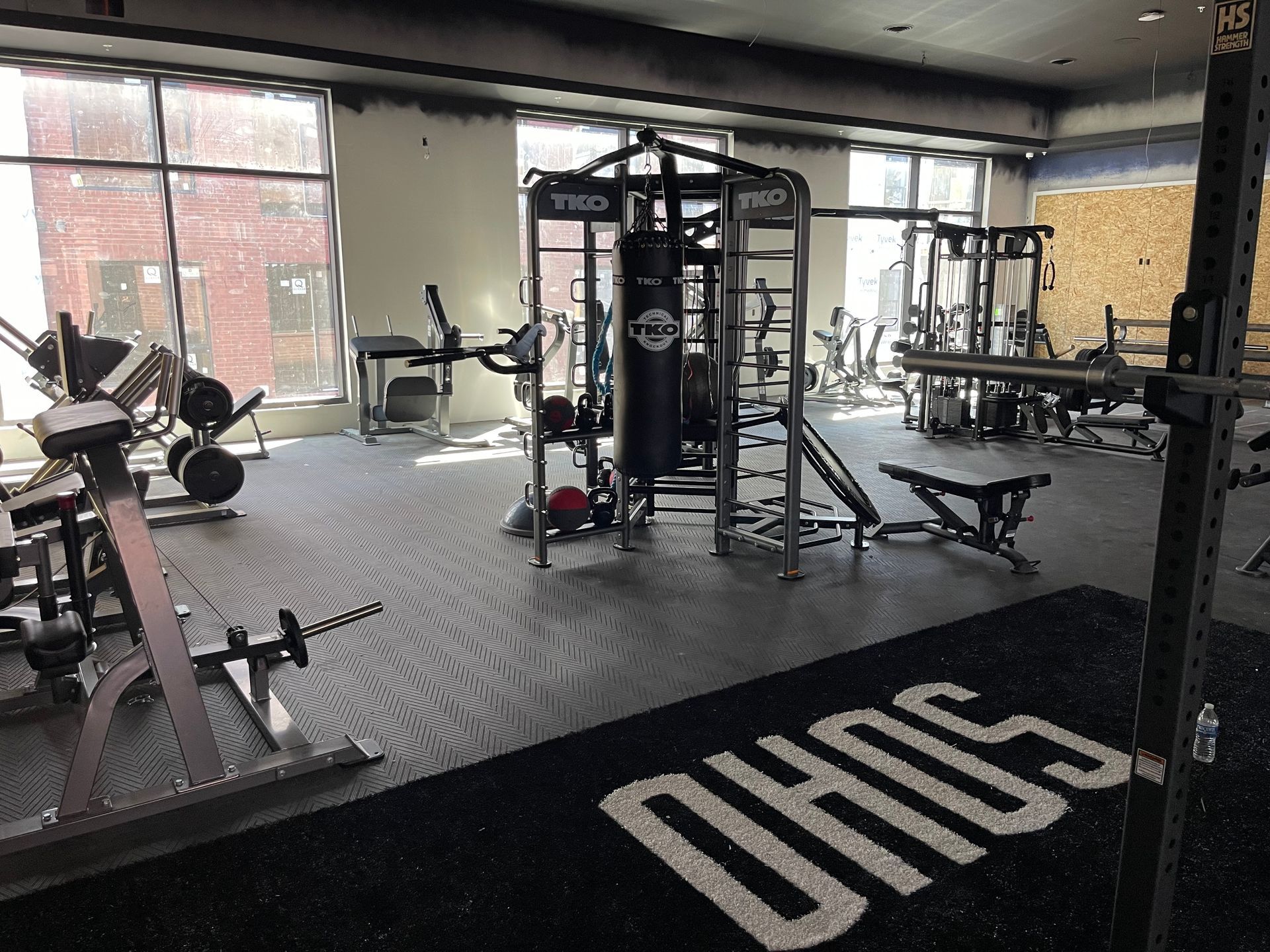
- racks, benches, and free weights designed for group use
- functional training equipment built for athletic movement patterns
When you buy true commercial equipment, you are paying for reliability, safety, repairability, and long term value.
That matters if your facility depends on equipment being available every day.
Choosing the Right Equipment for Your Facility
One of the most common mistakes people make is buying equipment based on what looks good rather than what will actually be used.
Your equipment needs depend heavily on the type of facility you are running.
A private gym has different needs than a hotel fitness room. An athletic training space is different from an apartment community gym. A school weight room has different priorities than a physical therapy oriented fitness center.
Before buying anything, ask yourself:
What is the purpose of this fitness space?
That one question drives everything else. Your supplier should help you evaluate your space and recommend equipment based on how people will actually use it.
Some key considerations include:
Your target users
Are you serving beginners, athletes, seniors, employees, students, or general public members?
Traffic level
Is this a high volume gym or a small fitness room with occasional use?
Durability requirements
Higher traffic means you need higher durability, better warranties, and easier service options.
Variety vs specialization
Some facilities need variety, others need a focused setup that supports a specific training style.
Space planning
Even great equipment can become a problem if it is installed without smart spacing and flow.
Why Layout Planning Is a Big Deal for Commercial Gyms
A successful gym layout is not an accident.
One of the biggest reasons local buyers choose commercial suppliers is because they want help planning the space correctly.
A good layout improves member flow, reduces safety issues, and helps prevent your space from feeling crowded even if it is busy.
A smart commercial gym layout should account for:
- entry points and foot traffic
- spacing between cardio equipment
- safe zones for free weights
- training lanes for functional workouts
- storage for accessories
- electrical access and circuit planning
- cleaning access and wipe station placement
If you are buying commercial fitness equipment locally, you should expect your supplier to help with layout planning. That guidance can save you from costly mistakes like equipment that does not fit, equipment that blocks walkways, or machines installed too close to each other.
What to Ask Before Buying Commercial Fitness Equipment
Buying commercial gym equipment should feel like a professional purchase, because it is.
Whether you are buying a complete gym package or a few key machines, you should ask questions that protect your facility.
Here are some important questions to bring up.
Who handles delivery and inside placement?
This is more important than it sounds. Commercial equipment is heavy and awkward. Some pieces require specialized handling and careful placement.
You want to know:
- who delivers it
- whether it includes inside placement
- if the supplier coordinates delivery scheduling
- if your facility needs special access arrangements
Who installs and assembles the equipment?
Installation is often where things go wrong. A rushed or inexperienced install can lead to safety issues, noise problems, belt alignment issues, or premature wear.
A strong local supplier will coordinate installation properly and ensure the equipment is ready for use.
What does the warranty cover and what does it exclude?
Commercial warranties vary widely. Some cover parts only. Some cover labor. Some cover wear items. Some require specific maintenance schedules.
Ask for clarity and ask for it in writing.
How fast can service be provided if something breaks?
This is the real question behind “near me.”
If a treadmill goes down, you do not want to be stuck waiting weeks for a third party tech. A local service partner can make all the difference.
Is there a preventative maintenance plan available?
Preventative maintenance reduces breakdowns, extends equipment life, and improves safety.
If you are managing a gym or facility, this is one of the easiest ways to protect your investment.
The Hidden Costs People Forget About
A lot of facilities focus on the upfront purchase price and ignore the hidden costs that show up later.
Here are the most common “surprise costs” that can hit gym owners and facility managers.
Freight and delivery charges
Large equipment is expensive to ship. Even if you order online, the freight costs can be significant.
Installation costs
Professional install is not optional for most commercial equipment. It needs to be assembled and tested correctly.
Electrical requirements
Certain equipment requires dedicated circuits, specific outlets, or other power planning.
Flooring requirements
Some cardio equipment needs stable, reinforced flooring. Free weight areas may require protective flooring to reduce damage and noise.
Downtime costs
If equipment is broken, you are losing value, reputation, and in many cases revenue.
This is why buying locally can be the smarter financial decision even if the upfront price looks higher.
Why Buying Local Often Leads to Better Long Term Results
It is easy to compare equipment online based on photos and prices.
But commercial fitness spaces are not built on photos. They are built on reliability and user experience.
When you buy locally, your supplier can help you avoid poor fit purchases, mismatched equipment, and weak service support. They can also recommend equipment based on real world usage and facility experience.
Buying local often means:
- your equipment fits the space correctly
- your equipment is installed correctly
- you can get service faster
- you have someone to call when issues come up
- you get help planning future expansions
If you are managing a facility and you want everything to run smoothly, those benefits matter.
How to Choose the Right Commercial Fitness Equipment Supplier Near You
Not all suppliers are the same.
When choosing who to buy from, you want to look for more than inventory. You want experience, service capabilities, and a consultative approach.
A great commercial equipment supplier should offer:
- facility planning guidance
- recommendations based on your users and goals
- clear delivery and install coordination
- access to equipment service and repairs
- long term support
- honest guidance without pushing unnecessary upgrades
You should feel like you are working with a partner, not a sales pitch.
New Equipment vs Refurbished Equipment
Another common question is whether refurbished equipment is worth considering.
The answer depends on your facility goals, budget, and expected usage.
Refurbished commercial equipment can be a strong option when:
- you need a reliable setup at a lower cost
- you have moderate traffic
- the refurbishment process is professional
- the supplier offers warranty support
- service is available locally
If you are considering refurbished units, make sure you understand:
- what parts were replaced
- what condition the electronics are in
- what warranty is included
- whether service is available quickly
Refurbished equipment can be an excellent fit in the right scenario, but only if it comes from a supplier that stands behind it.
What a Commercial Equipment Purchase Should Look Like
If you are buying commercial gym equipment locally, the process should feel professional and organized.
In most cases, it looks like this:
- discovery call or consultation
- site visit or space review
- equipment recommendations
- layout planning and spacing guidance
- purchase and lead time confirmation
- delivery scheduling
- installation and setup
- follow up support and maintenance planning
That process protects you from surprises and helps ensure your gym or facility is ready for real use.
Final Thoughts: Buying Commercial Fitness Equipment Locally Is a Smart Move
If you are searching “commercial fitness equipment near me,” you are on the right track.
Buying locally is about more than saving time. It is about making sure your equipment investment pays off for years, not months.
The right supplier will help you:
- choose the right equipment for your facility
- plan a layout that works for real users
- install the equipment properly
- support you with service and maintenance
- protect your investment long term
If you want commercial fitness equipment that performs well, looks great, and stays reliable, local support and professional guidance are often the difference maker.
Ready to Build Out Your Fitness Space?
If you are planning a new facility or upgrading your current gym, EcoFit Solutions can help you plan the right setup and choose equipment that fits your space, your users, and your goals.
Reach out today to talk through your facility and get recommendations from a team that understands commercial fitness equipment, delivery, installation, and long term support.