
How to Upgrade an Outdated Gym Without Breaking the Bank
If your commercial gym or fitness center is starting to feel a little dated, you’re not alone. Facilities across the St. Louis area are facing the same challenge. Equipment wears out, trends shift, and what felt fresh five years ago can now feel behind the curve. The good news is that you don’t need to do a full gut renovation or spend a fortune to breathe new life into your space.


At EcoFit Equipment, we help gym owners, managers, and property developers throughout St. Louis make smart, cost-effective upgrades that improve the member experience, attract new users, and extend the life of their facility. If you're looking for ways to modernize your gym without overspending, here are proven strategies that work.


Start With a Walk-Through Evaluation

Before buying anything or moving equipment around, do a full walk-through of your gym. Take notes on what feels outdated, what gets the most use, and where the biggest complaints come from. Pay attention to machines with worn padding, broken screens, slow treadmills, and unused space.


Ask your staff and members for feedback. Sometimes the biggest issues are obvious to users but easy to overlook from a management perspective. Maybe the cable machine is always in use and there is not enough functional training space. Maybe the free weight area feels cramped or unsafe. These observations help guide your next steps.


We often assist St. Louis facilities with this evaluation step. A fresh set of eyes can help uncover opportunities that are not immediately obvious.


Replace or Refurbish High-Traffic Equipment First

Treadmills, ellipticals, and cable machines tend to get the most daily use. If you have a limited upgrade budget, start by replacing the equipment that gets the most traffic or receives the most complaints. Members are more likely to notice new equipment in these zones, and it immediately improves the feel of your gym.


If full replacements are not in the budget, consider refurbished commercial machines. At EcoFit, we offer refurbished options that are professionally restored, cleaned, and tested. Many St. Louis gyms choose this route to stretch their upgrade budget while still giving members a better experience.


This approach allows you to tackle high-priority improvements without having to do it all at once.


Reorganize Your Layout for Better Flow

Sometimes your gym does not need new equipment. It just needs a better layout. If machines are too close together, pathways are blocked, or different training zones bleed into each other, the space can feel cluttered or frustrating.


We help clients in the St. Louis area redesign their gym layout using their existing equipment. We create more open walkways, optimize sightlines, and separate cardio from strength to improve traffic flow and safety.


Simple layout changes can make your gym feel brand new without spending anything on new machines.


Upgrade Benches, Flooring, and Accessories

Small details can make a big difference. Replacing worn-out benches, upgrading flooring in key areas, and adding a few new accessories can quickly elevate the look of your space.


New benches add comfort and stability to your strength area. Updated rubber flooring or turf helps define training zones and improves safety. Accessories like medicine balls, kettlebells, and wall storage systems increase functionality while keeping things organized.


In many St. Louis gyms, these secondary upgrades are what members notice the most. They create a polished, modern feel without a full remodel.


Add a Functional Training Zone

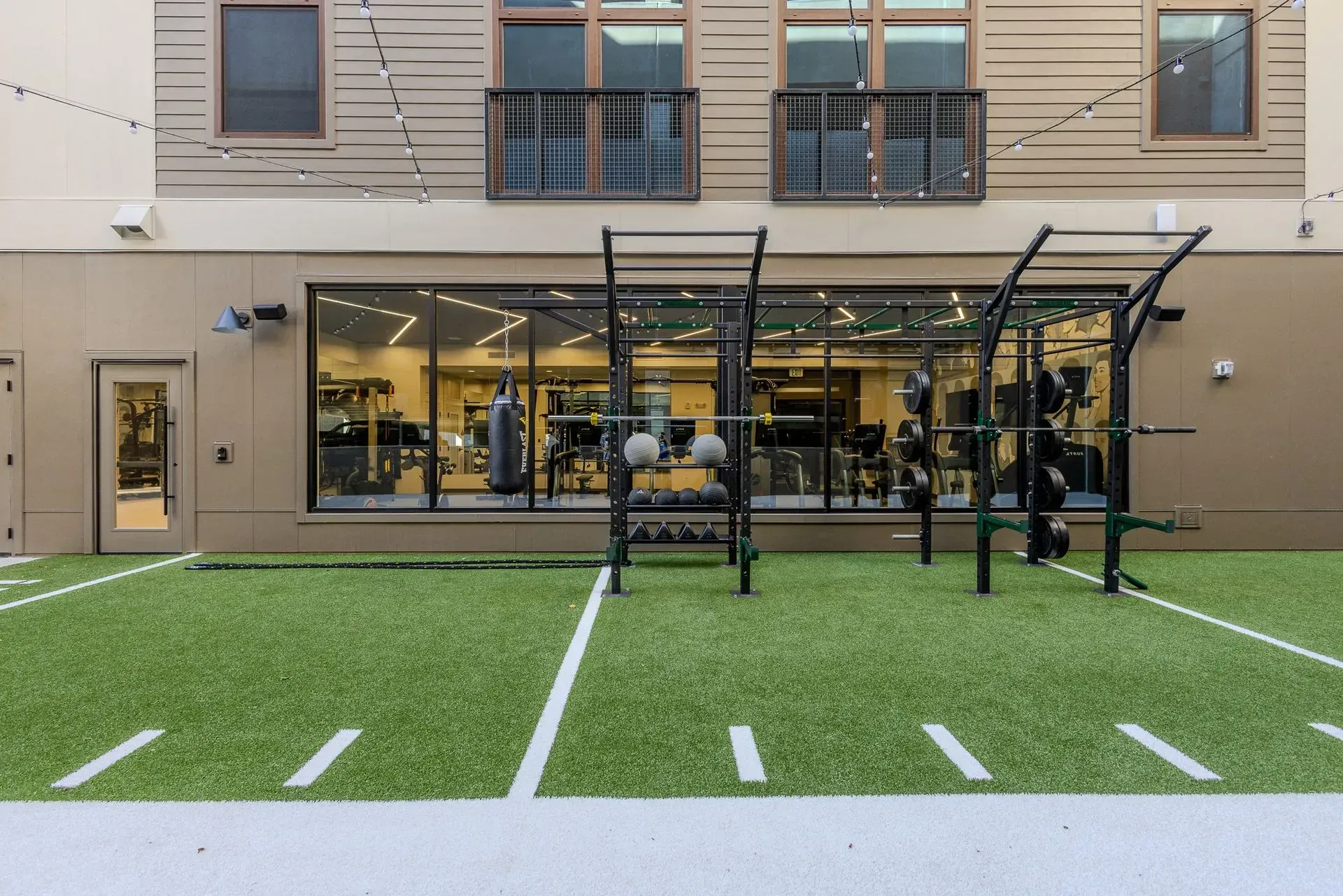
If you have an unused corner or open wall space, converting it into a functional training zone is one of the best ways to upgrade your gym. A small turf section with sleds, battle ropes, kettlebells, or a functional trainer instantly makes your gym feel more modern and flexible.


These zones appeal to younger members, personal trainers, and anyone looking for variety beyond machines. They also allow you to offer small group sessions, which can increase engagement and add value to memberships.


We have helped gyms across St. Louis install compact functional training setups that fit seamlessly into existing layouts.


Invest in Simple Tech Upgrades

You do not need to install a full digital system to make your gym feel current. Adding machines with Bluetooth connectivity, heart rate tracking, or built-in screens gives users more ways to interact with your equipment.


For older machines that are still mechanically sound, we offer retrofit options to upgrade consoles or displays. This gives your equipment a second life and delivers a better experience for your members.


We also recommend looking at small tech touches like TV mounts, USB charging stations, or sound systems that help make the gym feel more updated without a major investment.


Improve Lighting and Visibility

Lighting has a huge impact on how your gym feels. If your space feels dark or inconsistent, members will notice. Upgrading your lighting with brighter, energy-efficient fixtures makes your facility feel cleaner, safer, and more welcoming.


Mirrors can also enhance lighting and improve the perception of space. They help members with form and give your gym a more polished, professional appearance. We often recommend mirror installation in free weight areas and functional zones to help with training and aesthetics.


In St. Louis properties with limited natural light, these adjustments go a long way in creating a better environment.


Create a Plan for Preventative Maintenance

One of the most important ways to keep your gym from feeling outdated again is by staying on top of regular maintenance. When equipment is clean, tuned, and functional, it holds its value longer and creates a better experience for members.


We offer preventative maintenance plans for gyms across St. Louis that help you extend the life of your investment. These plans include regular inspections, cleaning, minor repairs, and usage reports that keep everything running smoothly.


A facility that is maintained well looks and feels more modern, even if it does not have the newest machines.


Know When to Phase Your Upgrades

If your budget will not support a full refresh right now, that’s okay. Create a phased plan. Tackle your top priorities first, then build in quarterly or yearly upgrades moving forward. We help clients map out upgrades based on equipment usage, member needs, and layout goals.


This kind of planning lets you improve your gym without putting unnecessary pressure on your cash flow. It also allows you to get feedback between upgrades so you can refine your strategy based on how your members respond.


Let EcoFit Help You Build a Smarter Facility

Upgrading a gym does not have to be expensive or overwhelming. With the right plan and the right partner, you can make meaningful improvements that increase member satisfaction, reduce downtime, and attract new users.


EcoFit Equipment works with commercial gyms, corporate fitness centers, apartment complexes, and wellness facilities throughout the St. Louis area. We offer layout consulting, equipment sourcing, delivery, installation, and ongoing maintenance support.


If you are ready to upgrade your outdated facility and want help making smart, cost-effective decisions, reach out to our team. We will walk your space, listen to your goals, and build a plan that fits your timeline and budget.

Contact Us
March 23, 2026
If you manage a gym, corporate fitness center, or residential fitness facility, one of the most important decisions you can make is how you approach equipment maintenance. Many facilities fall into a reactive cycle, only addressing issues after equipment breaks down. While this may seem manageable in the short term, it often leads to higher costs, more downtime, and a less reliable experience for users. Understanding the difference between preventative maintenance and reactive repairs is key to building a more efficient and cost effective operation. At EcoFit Solutions, we work with facilities to shift from reactive repairs to structured preventative maintenance programs that improve equipment reliability and long term performance. The difference between these two approaches has a direct impact on your budget, your equipment lifespan, and your overall facility experience. Reactive repairs happen after a problem has already occurred. A treadmill stops working, an elliptical begins making noise, or a strength machine becomes unsafe to use. At that point, service is scheduled, parts may need to be ordered, and the equipment is out of use until the issue is resolved. This type of maintenance approach often leads to extended downtime and higher repair costs. Preventative maintenance takes a different approach. Instead of waiting for equipment to fail, routine maintenance is performed on a consistent schedule. This includes regular fitness equipment inspection, adjustments, cleaning, and servicing. The goal is early issue detection, identifying and addressing small problems before they turn into major failures. One of the biggest advantages of preventative maintenance for commercial fitness equipment is the ability to reduce equipment downtime. When issues are caught early, repairs are typically faster and less disruptive. Equipment remains available for users, which is especially important in high traffic gyms and corporate fitness centers. Reliable equipment contributes directly to user satisfaction and overall facility performance. Cost is another major factor when comparing preventative maintenance vs reactive repairs. Reactive repairs are often more expensive because they involve larger issues that have developed over time. Emergency service calls, replacement parts, and extended labor all contribute to higher costs. Preventative maintenance helps reduce repair costs by addressing issues before they escalate. This allows facilities to better control their maintenance budgets and avoid unexpected expenses. Equipment lifespan extension is another key benefit of preventative maintenance. Commercial fitness equipment is a significant investment, and replacing machines prematurely can be costly. Without routine maintenance, wear and tear builds up faster, leading to earlier failure. Preventative maintenance helps extend equipment life by reducing the stress on components and keeping machines operating as intended. Safety is also a critical consideration. Equipment that is not properly maintained can pose risks to users. Loose components, worn belts, or malfunctioning systems can lead to accidents or injuries. Preventative maintenance improves safety and performance by ensuring that all equipment is functioning correctly. It also helps minimize liability risks for facility operators and property managers. Another important aspect is planning. Reactive maintenance makes it difficult to plan ahead because issues arise unexpectedly. Preventative maintenance provides structure through an equipment maintenance schedule and routine service visits. This allows facilities to plan for maintenance, budget accordingly, and avoid disruptions. It also supports long term equipment planning and capital improvement planning for gyms. Brand specific equipment such as Precor, Life Fitness, and Matrix also benefit from preventative maintenance. Each manufacturer has recommended service intervals and maintenance requirements. Following these guidelines helps maintain performance and ensures that equipment continues to operate at its best. EcoFit Solutions is certified across these brands, which means maintenance is aligned with manufacturer standards. Facilities that rely on preventative maintenance often see improvements in overall equipment reliability. Machines perform more consistently, require fewer major repairs, and remain in service longer. This creates a better experience for users and reduces the operational stress of managing equipment issues. Many gyms and fitness centers implement vendor maintenance contracts or annual service agreements to support a preventative approach. These agreements ensure that maintenance is performed regularly and consistently. EcoFit Solutions works with facilities to build customized maintenance plans that align with their usage, equipment mix, and operational goals. In contrast, facilities that rely on reactive repairs often find themselves dealing with recurring issues, higher costs, and frustrated users. Equipment downtime becomes more frequent, and the overall condition of the facility can decline over time. If you are looking to improve equipment reliability, reduce downtime, and avoid costly repairs, shifting to a preventative maintenance model is one of the most effective decisions you can make. Preventative maintenance for commercial fitness equipment provides control, consistency, and long term value.  EcoFit Solutions is here to help you move away from reactive repairs and build a maintenance program that supports the success of your facility. With the right approach, you can extend equipment life, improve safety, and create a better experience for everyone who uses your space.
March 23, 2026
If you are investing in preventative maintenance for your facility, it is important to understand what actually happens during a service visit. Many gym owners and facility managers know they need routine maintenance, but are not always sure what is included or how it benefits their equipment. A professional gym equipment service is designed to go beyond a quick check and provide a thorough evaluation of performance, safety, and long term reliability. At EcoFit Solutions, our preventative maintenance visits are structured to ensure that every piece of commercial fitness equipment is operating correctly and efficiently. Each visit focuses on early issue detection, improving safety and performance, and helping extend equipment life. A key part of every maintenance visit is a full fitness equipment inspection. This involves evaluating each machine to identify signs of wear, potential issues, and performance inconsistencies. Technicians check for loose components, worn parts, unusual noise, and overall functionality. This inspection process is critical because it allows small issues to be identified before they turn into costly repairs. Cardio equipment typically requires the most attention during a maintenance visit. Commercial treadmill maintenance is one of the most important services, as treadmills experience high levels of usage and mechanical stress. During a treadmill preventative maintenance check, technicians inspect belts, decks, rollers, and motors to ensure everything is functioning properly. Adjustments are made to maintain proper alignment and performance. Elliptical preventative maintenance is also a major focus. Ellipticals involve multiple moving parts that must stay properly aligned and calibrated. During a service visit, technicians check resistance systems, drive components, and structural integrity to ensure smooth operation. These adjustments help maintain equipment reliability and prevent breakdowns. Strength equipment is also included in a preventative maintenance visit. While these machines may not have motors, they still require regular inspection and servicing. Technicians check cables, pulleys, weight stacks, and connection points to ensure safety and proper function. Routine maintenance helps reduce liability risks and ensures that users can operate equipment safely. Another important component of gym equipment service is cleaning and lubrication. Dirt and debris can build up inside equipment over time, which can impact performance and lead to wear. Proper cleaning helps maintain smooth operation, while lubrication reduces friction in moving parts. This contributes to equipment lifespan extension and overall performance. Calibration is also addressed during a preventative maintenance visit. Cardio equipment relies on accurate speed, incline, and resistance settings to provide a consistent user experience. Technicians verify that these settings are functioning correctly and make adjustments as needed. This helps improve safety and performance while ensuring that equipment meets user expectations. For facilities using brands like Precor, Life Fitness, or Matrix, brand specific maintenance is included as part of the service. Each manufacturer has unique systems and recommended maintenance procedures. EcoFit Solutions is certified across these brands, which means maintenance is performed according to manufacturer standards. This supports equipment reliability and helps maintain warranty compliance. One of the most valuable aspects of a preventative maintenance visit is the equipment condition report. After servicing, facilities receive a clear overview of the condition of their equipment. This report highlights any current issues, potential concerns, and recommendations for future service or upgrades. It provides insight that supports long term equipment planning and capital improvement planning for gyms. Preventative maintenance visits also help reduce equipment downtime. By identifying and addressing issues early, facilities can avoid unexpected breakdowns that disrupt operations. This is especially important for high traffic gyms and corporate fitness centers where equipment availability directly impacts user experience. Another benefit is cost control. Regular maintenance helps reduce repair costs by preventing major failures. Instead of dealing with emergency repairs and replacement parts, facilities can maintain a predictable maintenance schedule and budget. Preventative maintenance is one of the most effective ways to avoid costly repairs over time. Many facilities choose to bundle these visits into annual service agreements or vendor maintenance contracts. This ensures that maintenance is performed consistently and removes the need to manage scheduling manually. EcoFit Solutions works with clients to build customized maintenance plans that align with their facility needs. If you are considering preventative maintenance, understanding what is included in a service visit is an important step. A thorough maintenance program is not just about keeping equipment running, it is about improving safety, extending equipment life, and supporting the long term success of your facility.  For gyms, corporate fitness centers, and multi family properties, partnering with a provider like EcoFit Solutions ensures that every maintenance visit delivers real value. A structured approach to commercial fitness equipment maintenance helps you stay ahead of issues and keep your facility operating at its best.
March 23, 2026
If you manage a gym, corporate fitness center, or residential fitness facility, one of the most common questions is how often you should service your equipment. Creating the right equipment maintenance schedule is essential for keeping your facility running smoothly and protecting your investment. Without a clear plan for preventative maintenance, equipment performance can decline faster than expected, leading to increased repair costs and downtime. At EcoFit Solutions, we help facilities build structured maintenance schedules based on usage, equipment type, and long term goals. There is no universal schedule that works for every facility, but understanding how often to service commercial gym equipment starts with recognizing how that equipment is used on a daily basis. High traffic fitness centers require more frequent preventative maintenance. Facilities that operate throughout the day with constant usage place significant stress on their equipment. Treadmills, ellipticals, and bikes in these environments experience continuous wear, which increases the likelihood of issues developing. In these cases, routine maintenance should be scheduled more frequently to support equipment reliability and reduce equipment downtime. Corporate fitness centers and multi family gyms may have lower overall usage, but that does not mean maintenance can be ignored. Even with moderate use, equipment still accumulates wear over time. Preventative maintenance in these environments helps ensure that machines are always ready for use and contributes to a better experience for employees or residents. Consistent service also supports resident satisfaction amenities by keeping fitness spaces clean, functional, and reliable. An effective equipment maintenance schedule includes regular inspections, adjustments, and servicing. Fitness equipment inspection is a key part of this process. During these inspections, technicians look for early signs of wear such as belt tension issues, loose components, calibration inconsistencies, and general performance concerns. Early issue detection allows these problems to be addressed before they turn into costly repairs. Different types of equipment also require different maintenance intervals. Cardio equipment such as treadmills and ellipticals typically require more frequent service due to moving parts and continuous use. Strength equipment may require less frequent servicing but still benefits from routine checks to ensure safety and performance. Commercial treadmill maintenance and elliptical preventative maintenance are especially important because these machines tend to experience the highest levels of usage. Brand specific requirements also play a role in determining how often to service equipment. Manufacturers like Precor, Life Fitness, and Matrix provide recommended maintenance guidelines that should be followed to maintain performance and warranty compliance. Working with a provider like EcoFit Solutions that is certified in these brands ensures that your maintenance schedule aligns with manufacturer standards. One of the biggest advantages of maintaining a consistent service schedule is the ability to reduce repair costs. When maintenance is performed regularly, small issues are identified and corrected early. This prevents larger failures that require expensive parts or extended downtime. Preventative maintenance helps avoid costly repairs and keeps your budget more predictable. Another important factor is extending equipment life. Commercial fitness equipment is a significant capital investment, and replacing machines too early can impact your long term financial planning. Routine maintenance helps extend equipment lifespan by reducing the wear that leads to breakdowns. This allows facilities to get more value from their equipment over time. Facilities that do not follow a structured maintenance schedule often find themselves reacting to problems instead of preventing them. Reactive repairs lead to unexpected downtime, frustrated users, and higher costs. Preventative maintenance shifts your approach from reactive to proactive, giving you more control over your operations. Many facilities choose to implement annual service agreements or vendor maintenance contracts to simplify scheduling. These agreements ensure that maintenance is performed consistently without the need to track individual service dates. EcoFit Solutions works with clients to build customized service plans that match their equipment, usage, and operational goals. Maintenance scheduling also supports long term planning. Regular service visits often include equipment condition reports that provide insight into performance and wear. This information is valuable for capital improvement planning for gyms and helps guide decisions around upgrades and replacements. Instead of waiting for equipment to fail, you can plan ahead based on real data. If you are unsure how often your facility should schedule service, the best starting point is an evaluation of your current equipment and usage patterns. From there, a tailored preventative maintenance plan can be developed to support your needs.  For facilities looking to improve performance, reduce downtime, and extend equipment life, having the right equipment maintenance schedule is essential. EcoFit Solutions is here to help you build a maintenance plan that keeps your fitness center operating at its best while supporting long term success.