

How to Build a Functional Training Area That Members Actually Use

Functional training has become one of the most important parts of modern fitness spaces. Whether you are running a full commercial gym, setting up an apartment fitness room, building a corporate wellness center, or upgrading a school training facility, having a functional training area is no longer optional if you want your space to feel current and valuable. People want more than machines. They want room to move, train athletically, stretch, and follow workouts that fit their lifestyle. That is why terms like functional training equipment, gym turf area, functional fitness zone, and functional training gym layout have become common searches. Facility owners are trying to build spaces that are more than just cardio rows and weight stacks. The goal is to create a training area that gets used every day, not a corner that looks cool in photos but sits empty.
Functional training areas work because they appeal to a broad range of people. Beginners can use the space for stretching and basic movement. Intermediate gym users can train with kettlebells, resistance bands, and bodyweight workouts. Experienced members can use sled lanes, battle ropes, and athletic drills. Even in a small facility, functional training makes the space feel bigger and more complete because it supports variety. It also supports the way people actually train today. Many people follow workout programs through apps or online coaching. Those programs almost always include functional movements, mobility work, and conditioning sessions. If your gym does not have the space to support that, members will feel limited and may choose a facility that does.
The first key to building a functional training area that members actually use is making it feel accessible. Many gyms make the mistake of building functional zones that look intimidating. They fill the space with equipment that feels advanced or aggressive, and then casual gym members avoid it. A functional training area should feel welcoming. It should be clean, open, and easy to understand. It should look like a place where anyone can stretch, warm up, or do a quick workout, not like an exclusive training space reserved for only the most intense members. When the area feels approachable, usage increases. When it feels intimidating, the space becomes unused, no matter how much money you spent on equipment.
Space is the foundation of functional training. More than any other part of the gym, functional training needs open room.
People need space to move through exercises safely. They need room to step, lunge, rotate, crawl, and stretch. Even when equipment is included, the functional space should not be cluttered. A functional training area that is packed wall to wall with tools becomes frustrating. It eliminates the very thing that makes the space useful, which is freedom of movement. A good functional zone is built around open area first, then equipment selection second. If your space is limited, you can still build a functional area, but you have to be intentional about what you include and how it is stored.
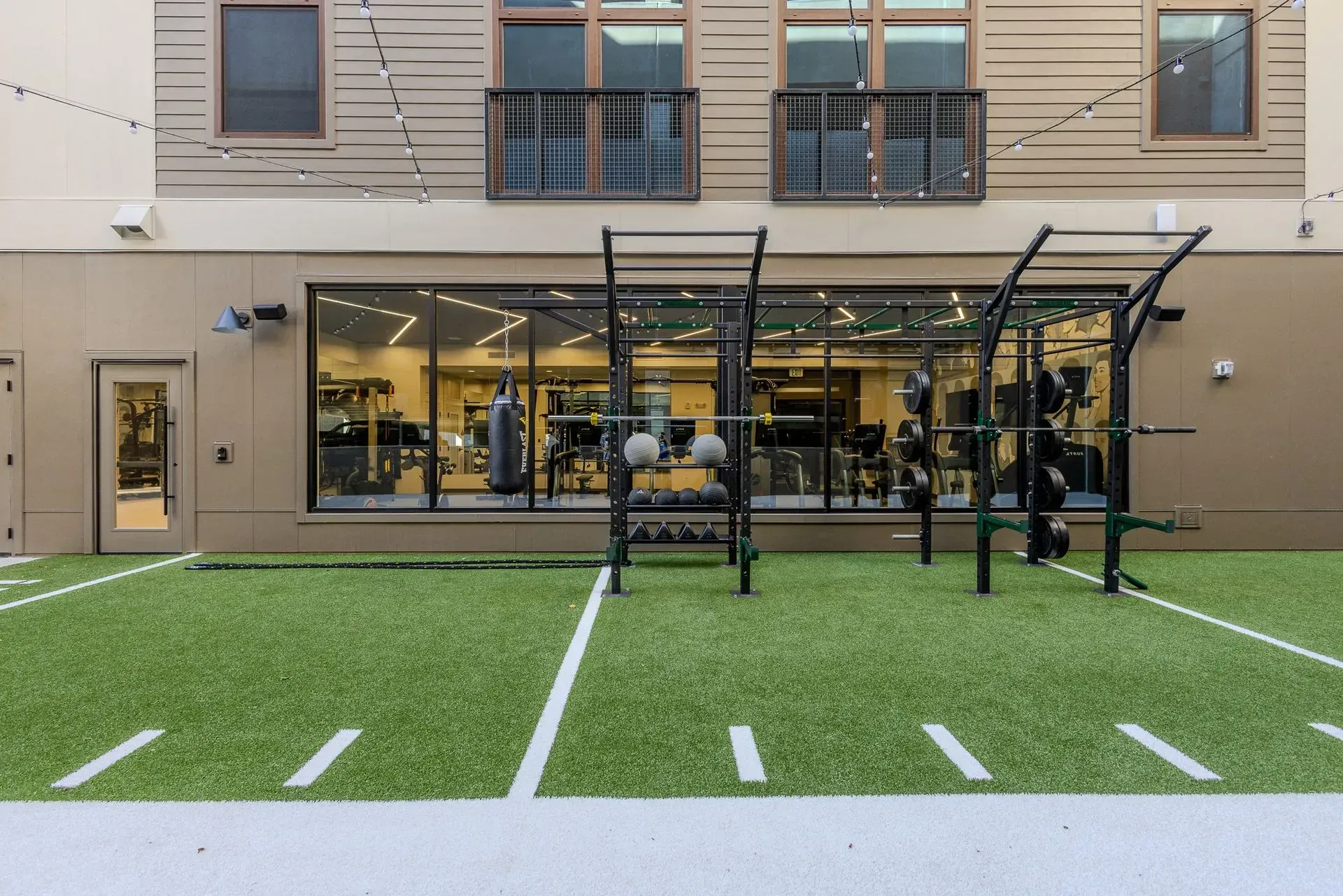
One of the most popular features in functional training zones is turf. Turf makes the gym feel modern, and it also provides a defined training lane for sled work, carries, and athletic movement drills. Turf can also serve as a flexible training surface for warmups and mobility work. But turf alone is not the answer. Turf becomes valuable when it is paired with the right equipment and layout. If you install turf without a plan, it can end up unused. If you build turf lanes in a cramped space with no room to actually move, it becomes decoration instead of training space. A turf area should be wide enough to allow safe movement, and it should be located in a part of the gym where foot traffic will not constantly cut through it.
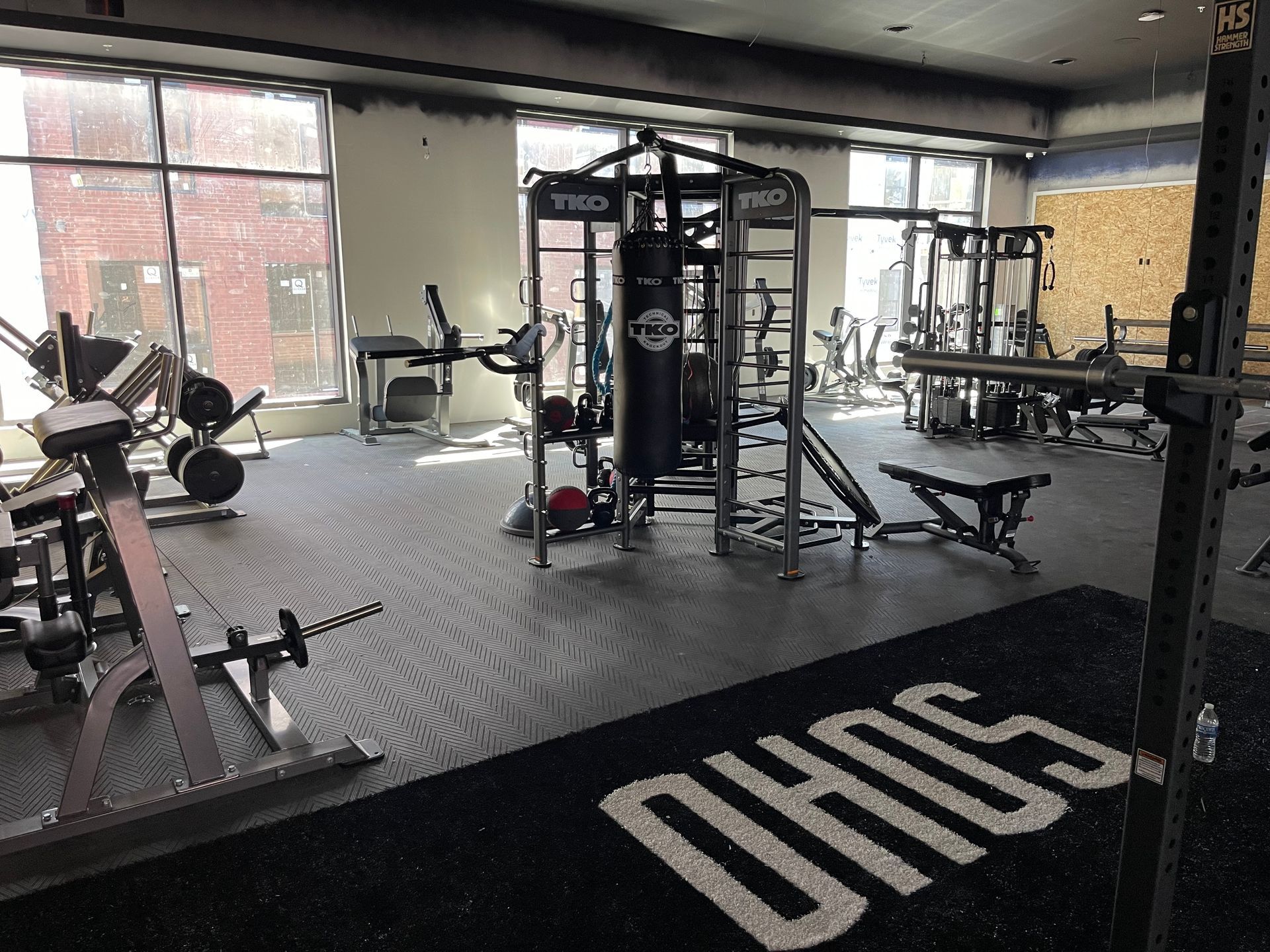
If you want members to actually use the functional training area, you also need to include equipment that supports variety without taking over the space. The best functional equipment choices are usually versatile tools that allow multiple exercises. Kettlebells are a great example because they support strength, conditioning, and mobility. Medicine balls allow rotational training and explosive work. Resistance bands support warmups, rehab movements, and accessory work.
Adjustable benches can create flexibility for dumbbell and functional exercises. Battle ropes are another popular tool that creates conditioning options without a large equipment footprint. Sleds are extremely effective for athletic training, and they pair naturally with turf. The key is selecting equipment that people know how to use or feel comfortable learning, without overwhelming them with tools that require high skill.
Storage is one of the most overlooked parts of functional training design. If functional equipment is scattered across the floor, the space looks messy, and people avoid it. If equipment is hard to access, it does not get used. Functional tools should be organized in a way that encourages use. Dumbbells should be in clean racks. Kettlebells should be arranged neatly. Bands should be hung and easy to grab. Medicine balls should have dedicated storage. Foam rollers and mats should be available. The space should look clean and intentional. When equipment is organized, members naturally feel more comfortable using it because they understand where things belong and they feel less like they are “getting in the way.”
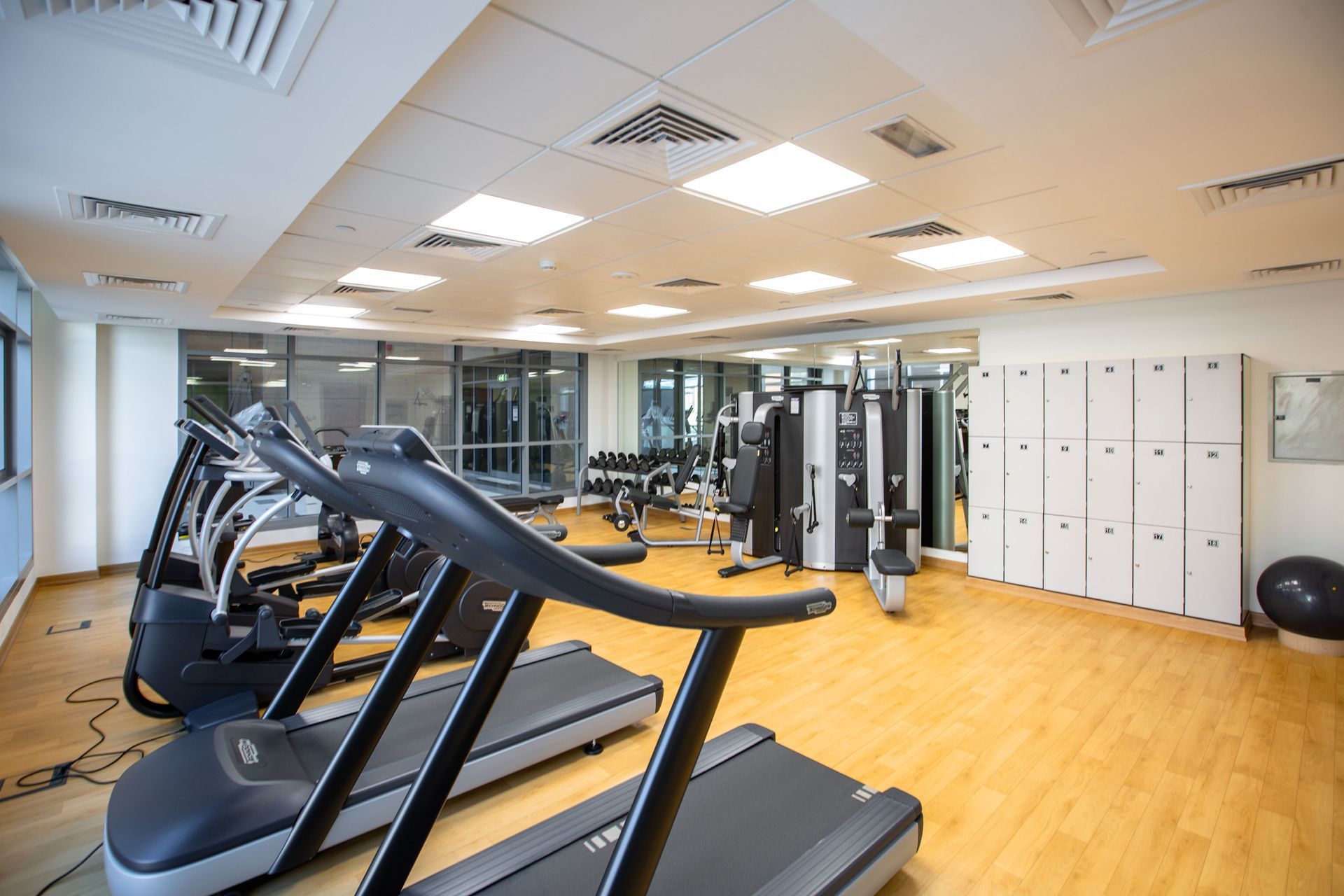
Lighting and layout also matter more in functional areas than many facility owners realize. Functional training often involves movement close to the ground, stretching, or mobility work, so people want the space to feel comfortable. If the lighting is harsh, dim, or uneven, the zone feels uninviting. Mirrors can help make the area feel larger and allow members to check form, which increases confidence. The layout should also create clear boundaries so the space feels like a designated training zone. People feel uncomfortable using open spaces if they feel like they are blocking others. If the area is clearly defined, people will use it more naturally.
One of the best ways to ensure your functional training area gets used is to integrate it into the gym flow. If the functional zone is tucked into an awkward back corner, it gets ignored. If it is placed near the center of the facility or in a visible location with a clean and appealing layout, it becomes part of the gym experience. Many gym members take cues from what they see other people doing. When the functional zone is active and visible, it becomes normalized. When it is hidden away, it stays unused. Even in apartment gyms, functional areas can drive more engagement when they are placed intentionally and presented as a premium feature.
Another key factor is safety. Functional training includes dynamic movement, so the area needs proper spacing and clear pathways. People should not be doing carries through crowded walkways. Sled lanes should not cross high traffic areas. The space should be large enough to move without bumping into equipment or other members. Flooring matters here too. Many functional areas use rubber flooring for comfort and impact protection. Turf can also help define movement lanes. The safest functional areas are the ones that feel open, where movement is possible without conflict.
It is also important to remember that not everyone wants high intensity training. Many functional zones are built only for intense workouts, but the best functional spaces support everything. Stretching and mobility are huge drivers of usage. People want a place to warm up properly. They want room to cool down. They want a place to do core work and basic bodyweight training. If you want the functional area to stay used throughout the day, it needs to serve more than just athletic conditioning. Including mats, foam rollers, and a clean open space can increase usage significantly, especially for casual gym members and beginners.
For facilities looking to build functional zones that feel premium, the best approach is to avoid overcomplicating it. You do not need every tool. You need the right tools. The goal is to build a functional space that supports daily training without becoming cluttered, confusing, or intimidating. If members feel comfortable there, they will use it. If it feels like a complicated performance training area, most people will stay away.
Maintenance also matters in functional areas. Turf needs cleaning. Equipment needs organization. Accessories need replacement over time. If the functional area looks worn down, dirty, or chaotic, usage drops quickly. This is another reason why professional facility planning is so valuable. When the space is designed well, it becomes easier to maintain. When it is designed poorly, it becomes a mess that staff constantly struggles to keep clean.
At the end of the day, functional training areas are one of the best ways to increase gym engagement, but only when they are designed around real user behavior. A functional zone should feel open, approachable, organized, and safe. It should support mobility, conditioning, and athletic movement. It should include versatile equipment that people can use in different ways. And it should be integrated into the facility layout so it becomes part of the daily gym experience.
If you want help building a functional training area that actually gets used, EcoFit Solutions can help. From selecting the right functional training equipment to planning turf layout, storage solutions, and overall gym flow, the goal is to create a space that looks great, feels modern, and provides real value for your members or residents.