
Designing the Perfect Gym Layout: Tips to Maximize Space and Member Satisfaction

When it comes to running a successful gym, the layout of your facility is just as important as the quality of your equipment and the services you provide. A well-thought-out gym layout can create a positive workout experience for members, maximize the use of your space, and even increase member retention.


Whether you’re opening a new gym in the St. Louis area or looking to revamp your existing facility, this guide will provide actionable tips to design a layout that boosts member satisfaction and operational efficiency. With EcoFit Equipment’s expertise in gym consultation, you’ll have the guidance you need to make your gym a top choice for fitness enthusiasts.


Why Your Gym Layout Matters

Your gym’s layout directly impacts how members feel about your facility. A poorly designed space can lead to frustration, overcrowding, and safety hazards, while a thoughtful layout enhances the member experience and keeps them coming back.


Here are the key factors that make a good layout essential:

  • Member Flow: A smooth flow minimizes bottlenecks and overcrowding during peak hours.
  • Safety: Proper spacing and clear walkways reduce the risk of accidents.
  • Aesthetic Appeal: A visually appealing design creates a welcoming environment.
  • Space Utilization: A well-planned layout ensures every square foot is used efficiently.


Key Considerations for Designing Your Gym Layout


1. Understand Member Needs and Preferences

Before diving into design, take time to understand your members’ needs. What are the demographics of your clientele? Do they prefer strength training, group classes, or cardio workouts? Knowing your audience will help you allocate space effectively and prioritize the right equipment.


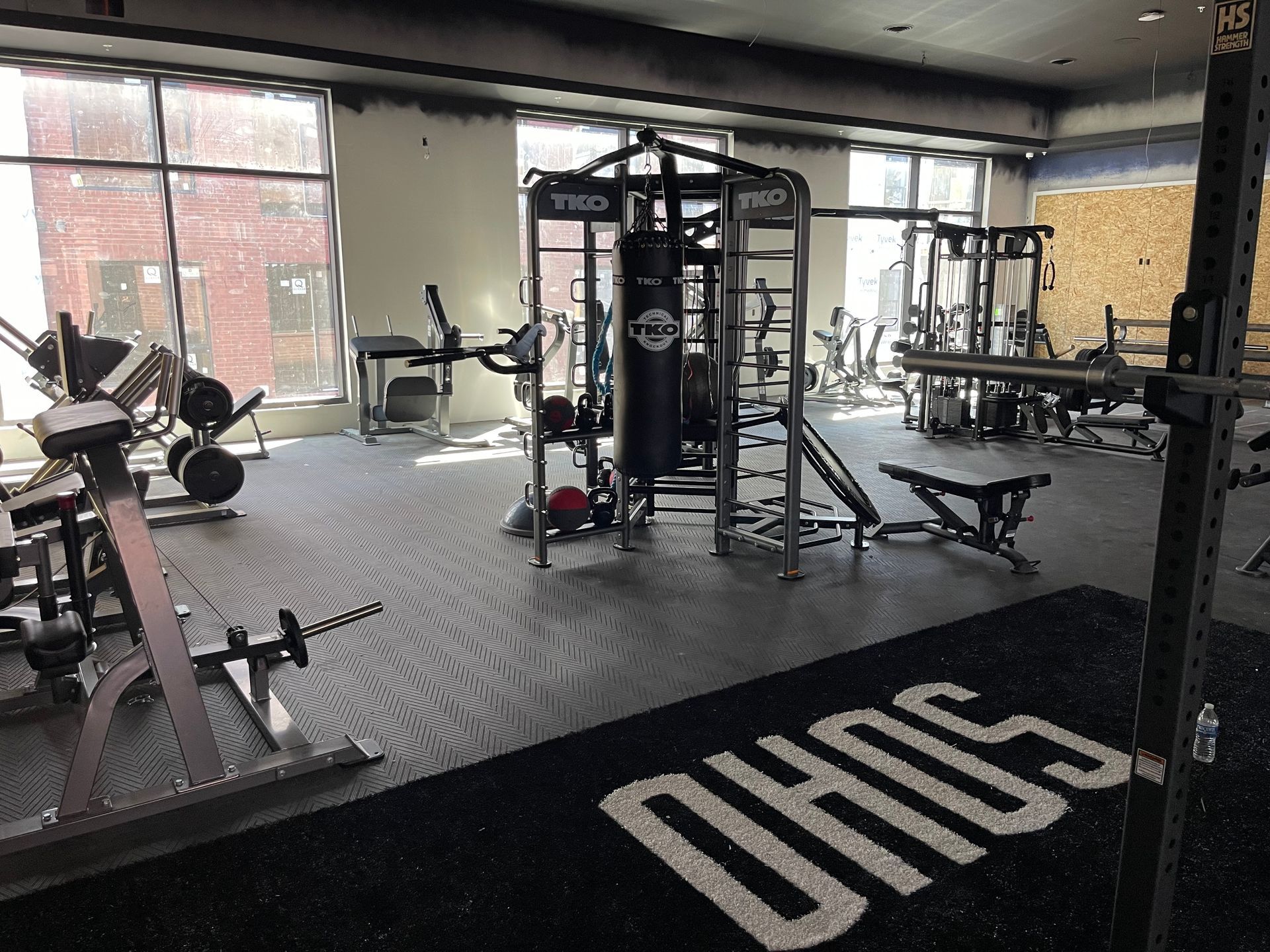
For example, if your gym in St. Louis attracts a younger crowd focused on strength training, you may want to dedicate more space to free weights and functional training areas. Conversely, if you cater to older adults, you might prioritize cardio machines and low-impact workout zones.


2. Plan for Member Flow

Smooth member flow is crucial for a positive workout experience. Consider how members move through your facility during their visit, from check-in to cooldown.


Tips for Member Flow:

  • Position high-traffic areas like cardio machines near the entrance for easy access.
  • Create clear pathways between equipment zones to avoid congestion.
  • Place restrooms, lockers, and water stations in convenient locations.


EcoFit Equipment’s consultation services can help you map out member flow and ensure your layout supports efficiency and comfort.


3. Prioritize Safety

Safety should be a top priority in any gym layout. Crowded or poorly organized spaces can lead to accidents and injuries, which could harm your reputation and lead to liability issues.


Safety Guidelines:

  • Maintain at least 2-3 feet of space between equipment to allow safe movement.
  • Keep walkways clear and well-lit.
  • Separate heavy lifting areas from high-traffic zones to prevent collisions.


By incorporating these safety measures, you’ll create an environment where members feel confident and secure during their workouts.


4. Create Dedicated Zones

A great gym layout separates the facility into distinct zones based on workout types. This helps members find what they need quickly and reduces crowding in popular areas.


Example Zones:

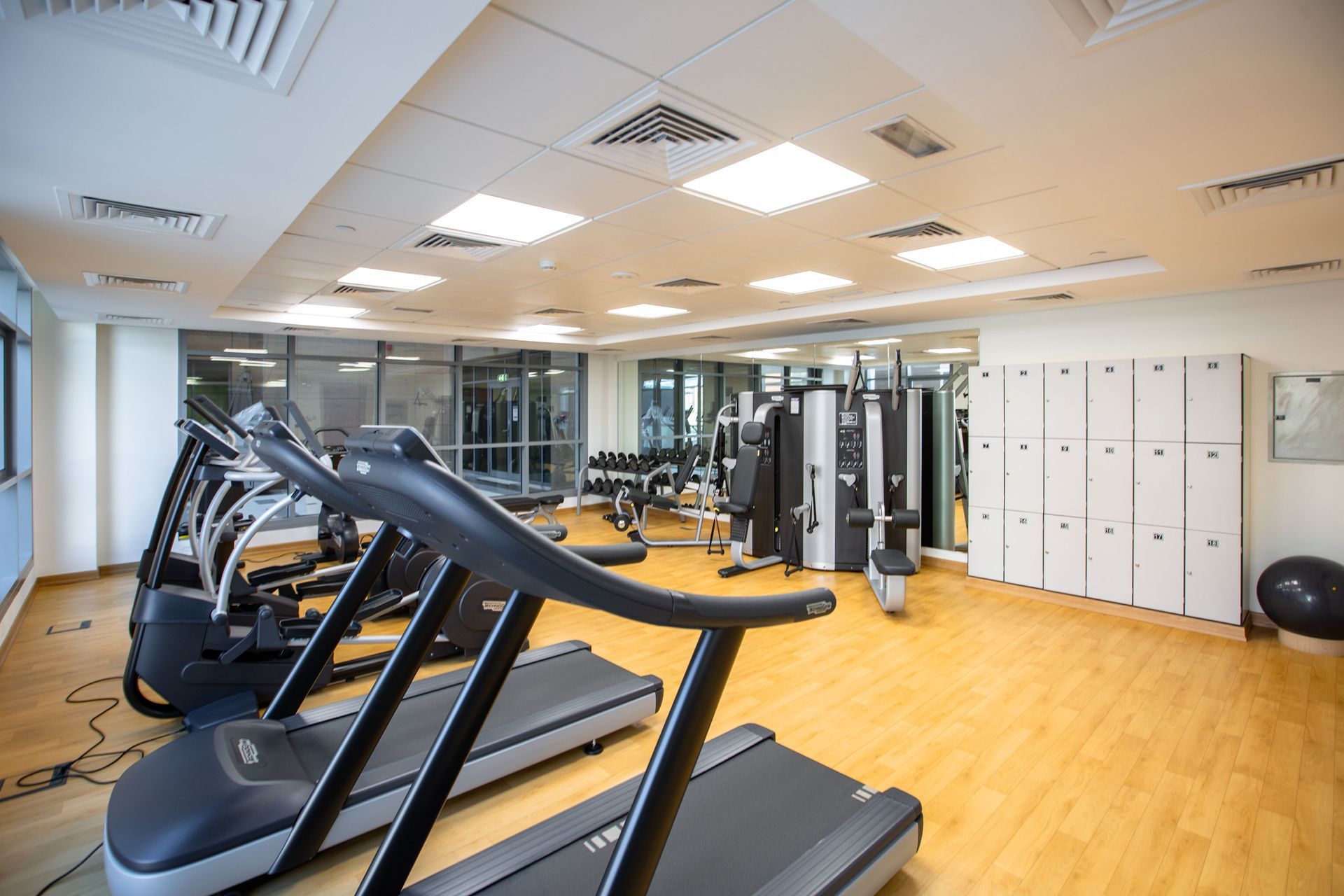
  • Cardio Zone: Treadmills, ellipticals, and stationary bikes placed near windows or entertainment screens.
  • Strength Training Zone: Free weights, benches, and resistance machines grouped together.
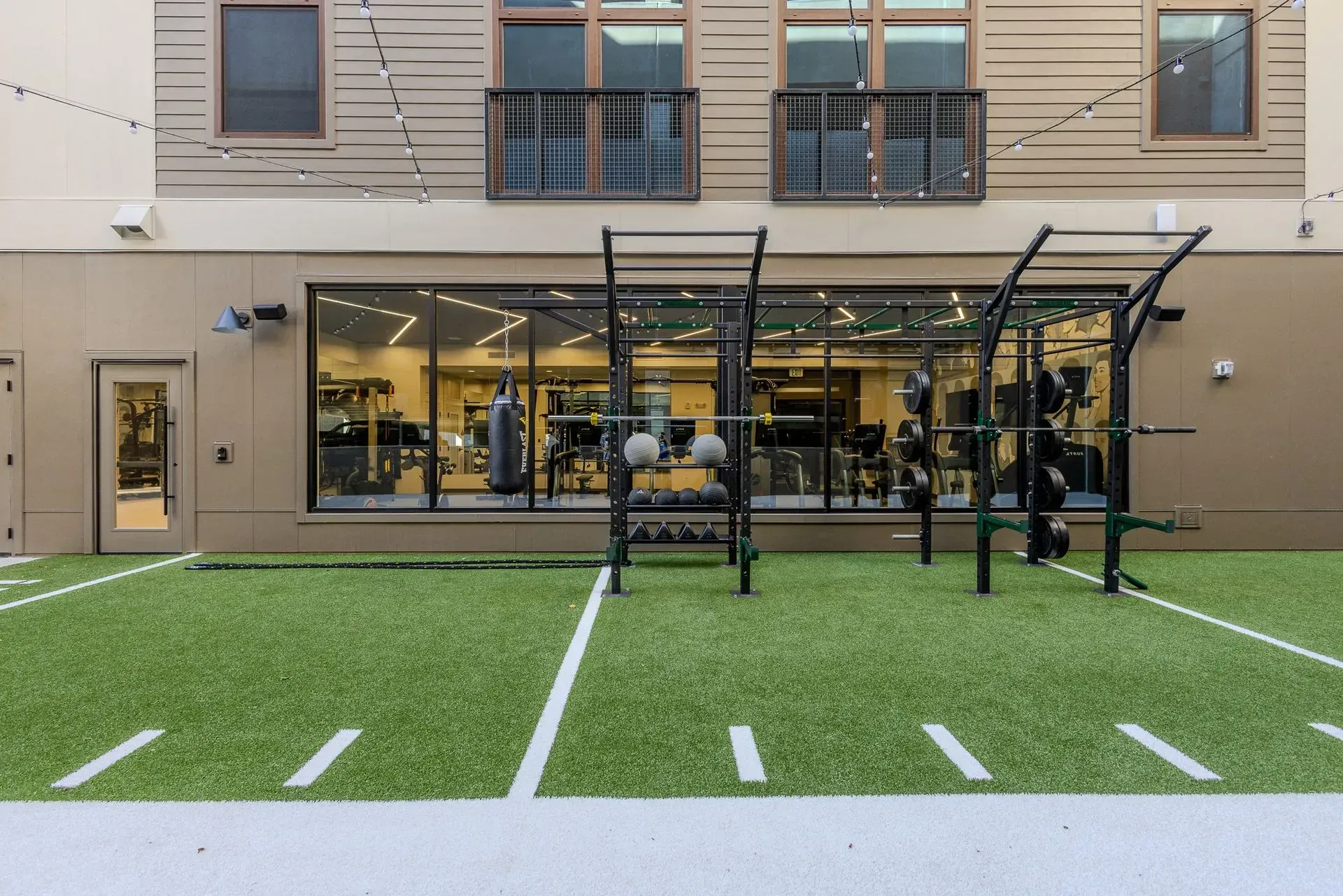
  • Functional Training Zone: Open spaces for activities like kettlebell exercises, TRX, and plyometrics.
  • Group Fitness Zone: Designated studio space for classes with soundproofing to avoid noise interference.


EcoFit Equipment can guide you in organizing these zones to maximize member satisfaction and operational flow.


5. Optimize Equipment Placement

Strategic equipment placement is essential for a successful gym layout. Proper positioning not only improves functionality but also enhances the visual appeal of your facility.


Equipment Placement Tips:

  • Place cardio machines near windows to take advantage of natural light.
  • Arrange strength machines in a logical order for circuit training.
  • Position free weights near mirrors to help members check their form.
  • Keep high-use equipment in easily accessible areas to reduce wait times.


6. Incorporate Flexibility and Growth

Your gym layout should accommodate future growth and changing trends in fitness. Modular equipment and adaptable spaces allow you to evolve with your members’ needs.


For instance, consider using mobile partitions to create multi-use spaces that can transition between functional training, group classes, or other activities.


7. Enhance Aesthetic Appeal

A well-designed gym isn’t just functional—it’s inviting. Pay attention to the aesthetics of your space to create an environment where members enjoy spending time.


Design Elements to Consider:

  • Use colors that inspire energy and focus, such as blues, greens, or yellows.
  • Add motivational signage or murals to create a positive atmosphere.
  • Use mirrors strategically to make spaces feel larger and improve lighting.


EcoFit Equipment can help you incorporate these design elements while ensuring the layout remains functional and efficient.


How EcoFit Equipment Helps St. Louis Gyms Optimize Their Layout

At EcoFit Equipment, we specialize in helping gyms in the St. Louis area design layouts that maximize space and enhance member satisfaction. Our consultation services include:

  • Space Analysis: We’ll assess your available space and recommend the best layout for your needs.
  • Equipment Selection: From cardio machines to functional training gear, we’ll help you choose the right equipment for your clientele.
  • Installation and Maintenance: Our team ensures your equipment is installed correctly and stays in peak condition.


With our expertise, you can focus on delivering an exceptional fitness experience while we handle the details.


Start Designing Your Perfect Gym Layout Today

Your gym’s layout plays a crucial role in its success. By prioritizing member flow, safety, and functionality, you’ll create a space that meets your members’ needs and sets your facility apart from the competition.


Ready to take your gym to the next level? EcoFit Equipment is here to help. Contact us today to schedule a consultation and learn how we can assist you in designing the perfect gym layout for your St. Louis facility. Together, we’ll create a space that maximizes member satisfaction and keeps your gym thriving for years to come.
March 23, 2026
If you manage a gym, corporate fitness center, or residential fitness facility, one of the most important decisions you can make is how you approach equipment maintenance. Many facilities fall into a reactive cycle, only addressing issues after equipment breaks down. While this may seem manageable in the short term, it often leads to higher costs, more downtime, and a less reliable experience for users. Understanding the difference between preventative maintenance and reactive repairs is key to building a more efficient and cost effective operation. At EcoFit Solutions, we work with facilities to shift from reactive repairs to structured preventative maintenance programs that improve equipment reliability and long term performance. The difference between these two approaches has a direct impact on your budget, your equipment lifespan, and your overall facility experience. Reactive repairs happen after a problem has already occurred. A treadmill stops working, an elliptical begins making noise, or a strength machine becomes unsafe to use. At that point, service is scheduled, parts may need to be ordered, and the equipment is out of use until the issue is resolved. This type of maintenance approach often leads to extended downtime and higher repair costs. Preventative maintenance takes a different approach. Instead of waiting for equipment to fail, routine maintenance is performed on a consistent schedule. This includes regular fitness equipment inspection, adjustments, cleaning, and servicing. The goal is early issue detection, identifying and addressing small problems before they turn into major failures. One of the biggest advantages of preventative maintenance for commercial fitness equipment is the ability to reduce equipment downtime. When issues are caught early, repairs are typically faster and less disruptive. Equipment remains available for users, which is especially important in high traffic gyms and corporate fitness centers. Reliable equipment contributes directly to user satisfaction and overall facility performance. Cost is another major factor when comparing preventative maintenance vs reactive repairs. Reactive repairs are often more expensive because they involve larger issues that have developed over time. Emergency service calls, replacement parts, and extended labor all contribute to higher costs. Preventative maintenance helps reduce repair costs by addressing issues before they escalate. This allows facilities to better control their maintenance budgets and avoid unexpected expenses. Equipment lifespan extension is another key benefit of preventative maintenance. Commercial fitness equipment is a significant investment, and replacing machines prematurely can be costly. Without routine maintenance, wear and tear builds up faster, leading to earlier failure. Preventative maintenance helps extend equipment life by reducing the stress on components and keeping machines operating as intended. Safety is also a critical consideration. Equipment that is not properly maintained can pose risks to users. Loose components, worn belts, or malfunctioning systems can lead to accidents or injuries. Preventative maintenance improves safety and performance by ensuring that all equipment is functioning correctly. It also helps minimize liability risks for facility operators and property managers. Another important aspect is planning. Reactive maintenance makes it difficult to plan ahead because issues arise unexpectedly. Preventative maintenance provides structure through an equipment maintenance schedule and routine service visits. This allows facilities to plan for maintenance, budget accordingly, and avoid disruptions. It also supports long term equipment planning and capital improvement planning for gyms. Brand specific equipment such as Precor, Life Fitness, and Matrix also benefit from preventative maintenance. Each manufacturer has recommended service intervals and maintenance requirements. Following these guidelines helps maintain performance and ensures that equipment continues to operate at its best. EcoFit Solutions is certified across these brands, which means maintenance is aligned with manufacturer standards. Facilities that rely on preventative maintenance often see improvements in overall equipment reliability. Machines perform more consistently, require fewer major repairs, and remain in service longer. This creates a better experience for users and reduces the operational stress of managing equipment issues. Many gyms and fitness centers implement vendor maintenance contracts or annual service agreements to support a preventative approach. These agreements ensure that maintenance is performed regularly and consistently. EcoFit Solutions works with facilities to build customized maintenance plans that align with their usage, equipment mix, and operational goals. In contrast, facilities that rely on reactive repairs often find themselves dealing with recurring issues, higher costs, and frustrated users. Equipment downtime becomes more frequent, and the overall condition of the facility can decline over time. If you are looking to improve equipment reliability, reduce downtime, and avoid costly repairs, shifting to a preventative maintenance model is one of the most effective decisions you can make. Preventative maintenance for commercial fitness equipment provides control, consistency, and long term value.  EcoFit Solutions is here to help you move away from reactive repairs and build a maintenance program that supports the success of your facility. With the right approach, you can extend equipment life, improve safety, and create a better experience for everyone who uses your space.
March 23, 2026
If you are investing in preventative maintenance for your facility, it is important to understand what actually happens during a service visit. Many gym owners and facility managers know they need routine maintenance, but are not always sure what is included or how it benefits their equipment. A professional gym equipment service is designed to go beyond a quick check and provide a thorough evaluation of performance, safety, and long term reliability. At EcoFit Solutions, our preventative maintenance visits are structured to ensure that every piece of commercial fitness equipment is operating correctly and efficiently. Each visit focuses on early issue detection, improving safety and performance, and helping extend equipment life. A key part of every maintenance visit is a full fitness equipment inspection. This involves evaluating each machine to identify signs of wear, potential issues, and performance inconsistencies. Technicians check for loose components, worn parts, unusual noise, and overall functionality. This inspection process is critical because it allows small issues to be identified before they turn into costly repairs. Cardio equipment typically requires the most attention during a maintenance visit. Commercial treadmill maintenance is one of the most important services, as treadmills experience high levels of usage and mechanical stress. During a treadmill preventative maintenance check, technicians inspect belts, decks, rollers, and motors to ensure everything is functioning properly. Adjustments are made to maintain proper alignment and performance. Elliptical preventative maintenance is also a major focus. Ellipticals involve multiple moving parts that must stay properly aligned and calibrated. During a service visit, technicians check resistance systems, drive components, and structural integrity to ensure smooth operation. These adjustments help maintain equipment reliability and prevent breakdowns. Strength equipment is also included in a preventative maintenance visit. While these machines may not have motors, they still require regular inspection and servicing. Technicians check cables, pulleys, weight stacks, and connection points to ensure safety and proper function. Routine maintenance helps reduce liability risks and ensures that users can operate equipment safely. Another important component of gym equipment service is cleaning and lubrication. Dirt and debris can build up inside equipment over time, which can impact performance and lead to wear. Proper cleaning helps maintain smooth operation, while lubrication reduces friction in moving parts. This contributes to equipment lifespan extension and overall performance. Calibration is also addressed during a preventative maintenance visit. Cardio equipment relies on accurate speed, incline, and resistance settings to provide a consistent user experience. Technicians verify that these settings are functioning correctly and make adjustments as needed. This helps improve safety and performance while ensuring that equipment meets user expectations. For facilities using brands like Precor, Life Fitness, or Matrix, brand specific maintenance is included as part of the service. Each manufacturer has unique systems and recommended maintenance procedures. EcoFit Solutions is certified across these brands, which means maintenance is performed according to manufacturer standards. This supports equipment reliability and helps maintain warranty compliance. One of the most valuable aspects of a preventative maintenance visit is the equipment condition report. After servicing, facilities receive a clear overview of the condition of their equipment. This report highlights any current issues, potential concerns, and recommendations for future service or upgrades. It provides insight that supports long term equipment planning and capital improvement planning for gyms. Preventative maintenance visits also help reduce equipment downtime. By identifying and addressing issues early, facilities can avoid unexpected breakdowns that disrupt operations. This is especially important for high traffic gyms and corporate fitness centers where equipment availability directly impacts user experience. Another benefit is cost control. Regular maintenance helps reduce repair costs by preventing major failures. Instead of dealing with emergency repairs and replacement parts, facilities can maintain a predictable maintenance schedule and budget. Preventative maintenance is one of the most effective ways to avoid costly repairs over time. Many facilities choose to bundle these visits into annual service agreements or vendor maintenance contracts. This ensures that maintenance is performed consistently and removes the need to manage scheduling manually. EcoFit Solutions works with clients to build customized maintenance plans that align with their facility needs. If you are considering preventative maintenance, understanding what is included in a service visit is an important step. A thorough maintenance program is not just about keeping equipment running, it is about improving safety, extending equipment life, and supporting the long term success of your facility.  For gyms, corporate fitness centers, and multi family properties, partnering with a provider like EcoFit Solutions ensures that every maintenance visit delivers real value. A structured approach to commercial fitness equipment maintenance helps you stay ahead of issues and keep your facility operating at its best.
March 23, 2026
If you manage a gym, corporate fitness center, or residential fitness facility, one of the most common questions is how often you should service your equipment. Creating the right equipment maintenance schedule is essential for keeping your facility running smoothly and protecting your investment. Without a clear plan for preventative maintenance, equipment performance can decline faster than expected, leading to increased repair costs and downtime. At EcoFit Solutions, we help facilities build structured maintenance schedules based on usage, equipment type, and long term goals. There is no universal schedule that works for every facility, but understanding how often to service commercial gym equipment starts with recognizing how that equipment is used on a daily basis. High traffic fitness centers require more frequent preventative maintenance. Facilities that operate throughout the day with constant usage place significant stress on their equipment. Treadmills, ellipticals, and bikes in these environments experience continuous wear, which increases the likelihood of issues developing. In these cases, routine maintenance should be scheduled more frequently to support equipment reliability and reduce equipment downtime. Corporate fitness centers and multi family gyms may have lower overall usage, but that does not mean maintenance can be ignored. Even with moderate use, equipment still accumulates wear over time. Preventative maintenance in these environments helps ensure that machines are always ready for use and contributes to a better experience for employees or residents. Consistent service also supports resident satisfaction amenities by keeping fitness spaces clean, functional, and reliable. An effective equipment maintenance schedule includes regular inspections, adjustments, and servicing. Fitness equipment inspection is a key part of this process. During these inspections, technicians look for early signs of wear such as belt tension issues, loose components, calibration inconsistencies, and general performance concerns. Early issue detection allows these problems to be addressed before they turn into costly repairs. Different types of equipment also require different maintenance intervals. Cardio equipment such as treadmills and ellipticals typically require more frequent service due to moving parts and continuous use. Strength equipment may require less frequent servicing but still benefits from routine checks to ensure safety and performance. Commercial treadmill maintenance and elliptical preventative maintenance are especially important because these machines tend to experience the highest levels of usage. Brand specific requirements also play a role in determining how often to service equipment. Manufacturers like Precor, Life Fitness, and Matrix provide recommended maintenance guidelines that should be followed to maintain performance and warranty compliance. Working with a provider like EcoFit Solutions that is certified in these brands ensures that your maintenance schedule aligns with manufacturer standards. One of the biggest advantages of maintaining a consistent service schedule is the ability to reduce repair costs. When maintenance is performed regularly, small issues are identified and corrected early. This prevents larger failures that require expensive parts or extended downtime. Preventative maintenance helps avoid costly repairs and keeps your budget more predictable. Another important factor is extending equipment life. Commercial fitness equipment is a significant capital investment, and replacing machines too early can impact your long term financial planning. Routine maintenance helps extend equipment lifespan by reducing the wear that leads to breakdowns. This allows facilities to get more value from their equipment over time. Facilities that do not follow a structured maintenance schedule often find themselves reacting to problems instead of preventing them. Reactive repairs lead to unexpected downtime, frustrated users, and higher costs. Preventative maintenance shifts your approach from reactive to proactive, giving you more control over your operations. Many facilities choose to implement annual service agreements or vendor maintenance contracts to simplify scheduling. These agreements ensure that maintenance is performed consistently without the need to track individual service dates. EcoFit Solutions works with clients to build customized service plans that match their equipment, usage, and operational goals. Maintenance scheduling also supports long term planning. Regular service visits often include equipment condition reports that provide insight into performance and wear. This information is valuable for capital improvement planning for gyms and helps guide decisions around upgrades and replacements. Instead of waiting for equipment to fail, you can plan ahead based on real data. If you are unsure how often your facility should schedule service, the best starting point is an evaluation of your current equipment and usage patterns. From there, a tailored preventative maintenance plan can be developed to support your needs.  For facilities looking to improve performance, reduce downtime, and extend equipment life, having the right equipment maintenance schedule is essential. EcoFit Solutions is here to help you build a maintenance plan that keeps your fitness center operating at its best while supporting long term success.